Some songs are born ahead of their time. They land quietly, get catalogued into a playlist or a memory, and then the world catches up to them. Suddenly, decades later, you hear those same chords and they hit differently. Harder. More personally. More politically. More painfully.
It happens more often than most people realize. Music trends over the last decade have one thing in common: a tendency toward nostalgia and an undeniably retro bent, both in the music currently being created and through older songs that have been given new life decades later. Cultural movements and shifts in societal values play a key role in how music is experienced, and songs that resonate with political or social causes often see renewed relevance during times of crisis or upheaval.
These nine songs aren’t just “oldies.” They’re time capsules that keep unlocking new rooms. Let’s dive in.
1. “Strange Fruit” – Billie Holiday (1939)

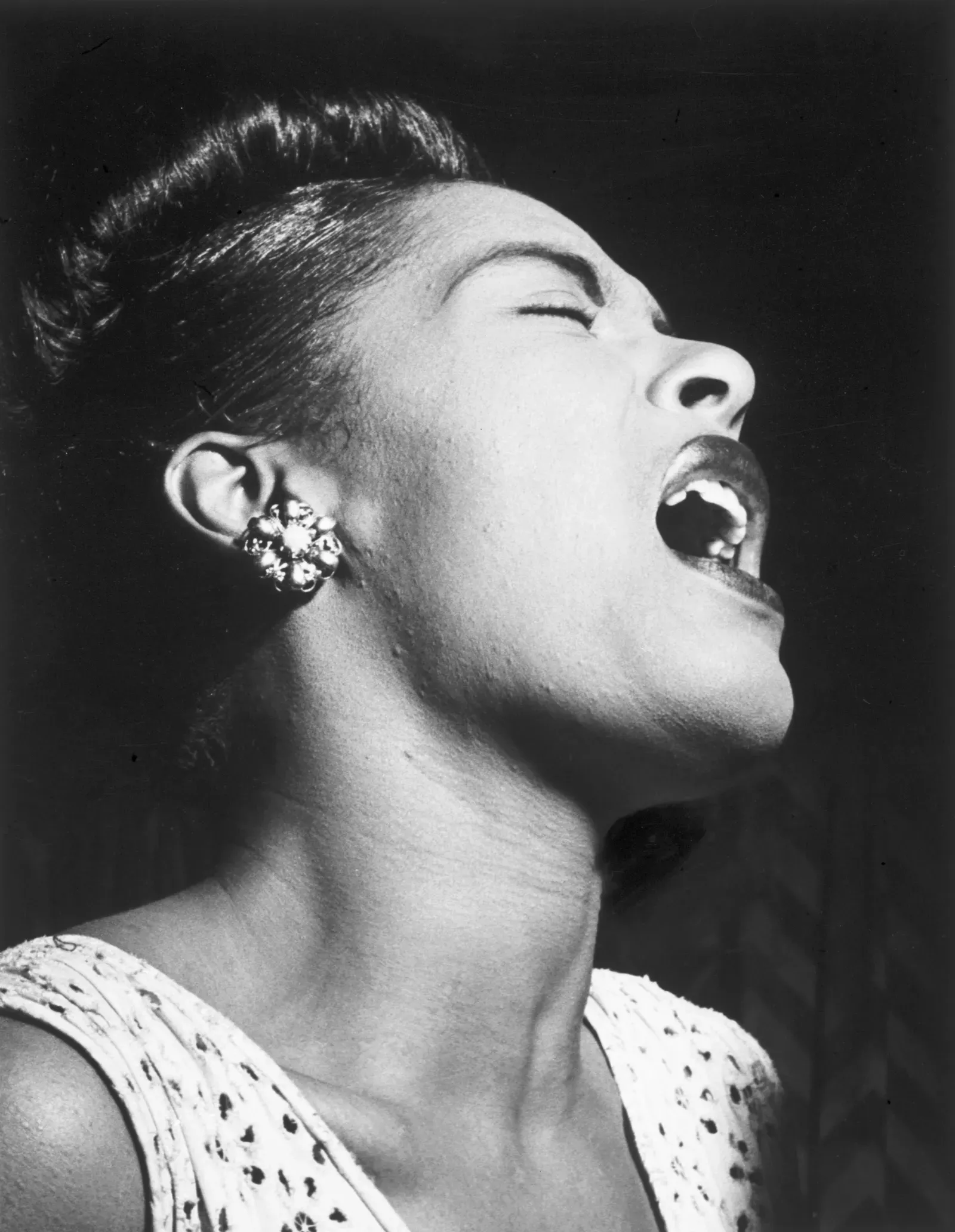
Here’s the thing: when Billie Holiday first performed “Strange Fruit,” it was considered so controversial that her regular label, Columbia Records, refused to record it. She released it on a small independent label instead. A song about the lynching of Black Americans in the South, it was a direct and brutal confrontation with racial violence at a time when most mainstream culture looked the other way.
Today, in the ongoing reckoning with racial injustice that accelerated sharply through the 2020s, the song carries an almost unbearable weight. The resurgence of protest music from the 1960s during recent social justice movements shows how historical moments can breathe new life into old catalogs. “Strange Fruit” arrived before the civil rights movement even began, yet it spoke in a language that generations after Holiday still find themselves returning to for words they cannot find themselves.
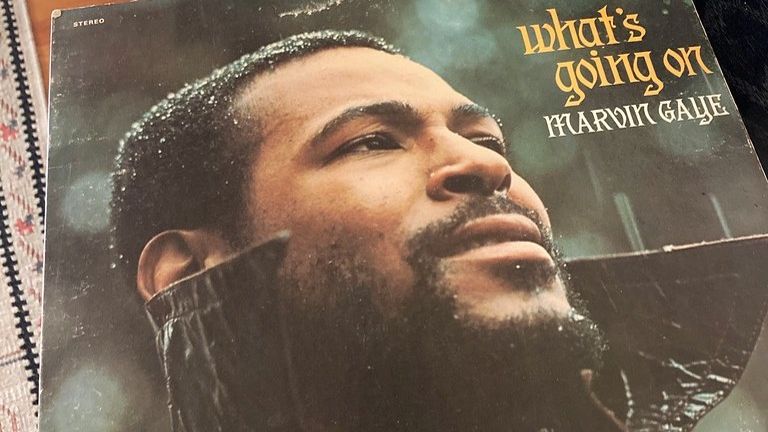
2. “What’s Going On” – Marvin Gaye (1971)

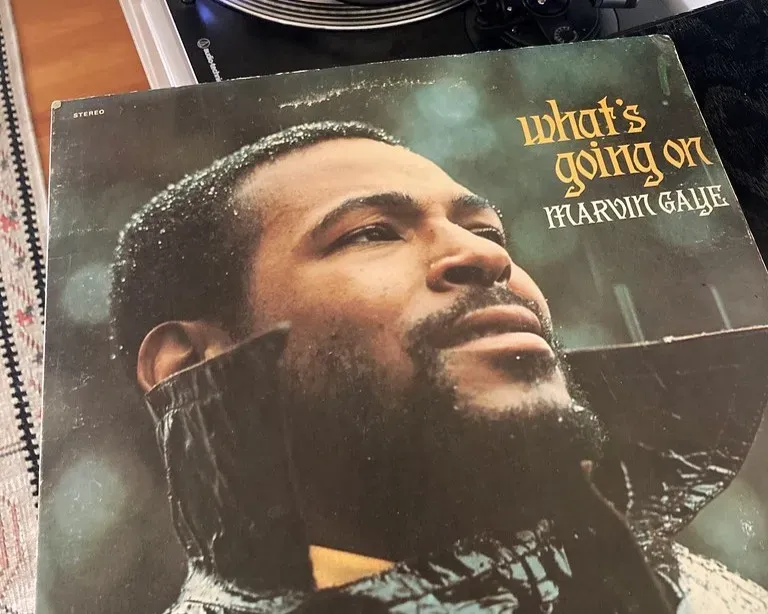
Marvin Gaye wrote “What’s Going On” after his brother Frankie returned from Vietnam devastated by what he had witnessed. The song was also a direct response to police brutality at civil rights demonstrations. Motown, honestly, did not want to release it. They thought it was too political, too risky. Gaye released it anyway, and it became one of the best-selling singles of 1971.
What nobody could have predicted is that the question at its center would remain just as unanswered fifty years later. On issues ranging from civil rights to gender equality, songs have transformed culture. Each wave of protest, each news cycle of documented violence, each generation growing up confused and angry finds itself turning to this song for the same reason Gaye wrote it: because someone needed to ask the question out loud.
3. “Born in the USA” – Bruce Springsteen (1984)

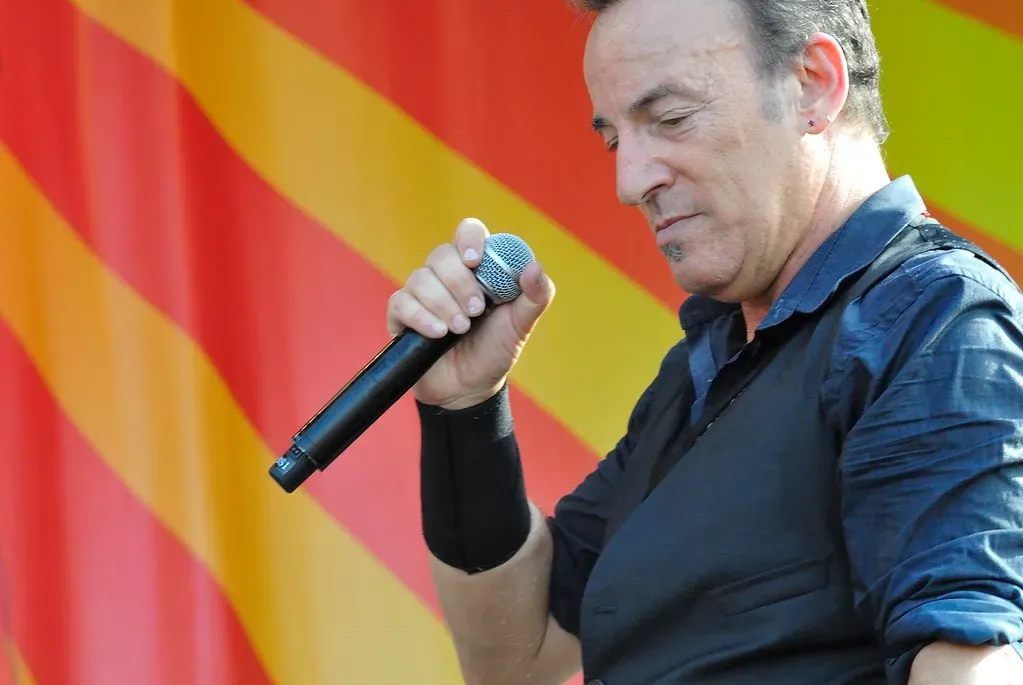
This is maybe the greatest case of a song being almost universally misunderstood. “Born in the USA” was written as a bitter, searing portrait of a Vietnam veteran returning home to nothing, ignored by the country that sent him to war. Its fist-pumping chorus fooled almost everyone, including presidential campaigns that tried to use it as a patriotic anthem.
Honestly, the misreading of this song is a story in itself. Songs that characterized a political era, such as protest songs from the 1960s, may have meaning only for those who lived during that era – yet Springsteen’s song keeps finding new audiences, new veterans, and new political contexts that illuminate its real meaning all over again. The more fractured discussions around veteran care and national identity become, the more the song’s original despair feels prophetic rather than past.
4. “The Sound of Silence” – Simon & Garfunkel (1964)

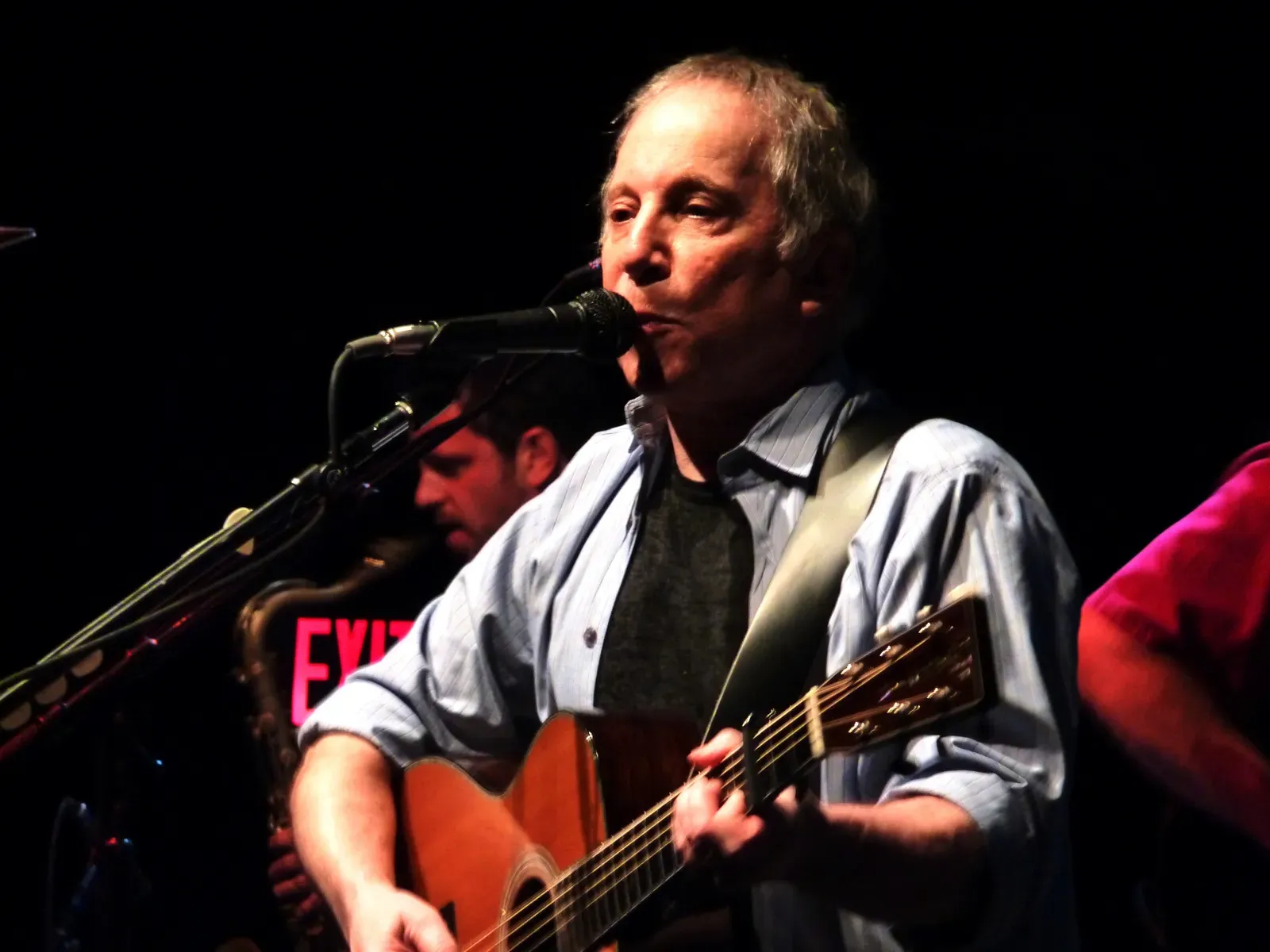
Paul Simon wrote “The Sound of Silence” in his bathroom in 1963, shortly after the assassination of John F. Kennedy, strumming in the dark. It was initially a quiet, metaphorical meditation on human disconnection and the failure of people to truly communicate. The original release flopped. It was only after the duo’s label remixed it with electric instruments in 1965, without their knowledge, that it became a hit.
The song has since lived multiple lives across multiple decades. From jazz standards to rock anthems, artists have long reinterpreted existing songs, bringing them into new eras and reshaping their cultural significance. In an era defined by social media echo chambers, algorithmic isolation, and the paradox of being more “connected” than ever while feeling profoundly alone, Simon’s line about people talking without speaking and hearing without listening reads less like poetry and more like a diagnosis.
5. “Pretty Little Baby” – Connie Francis (1962)

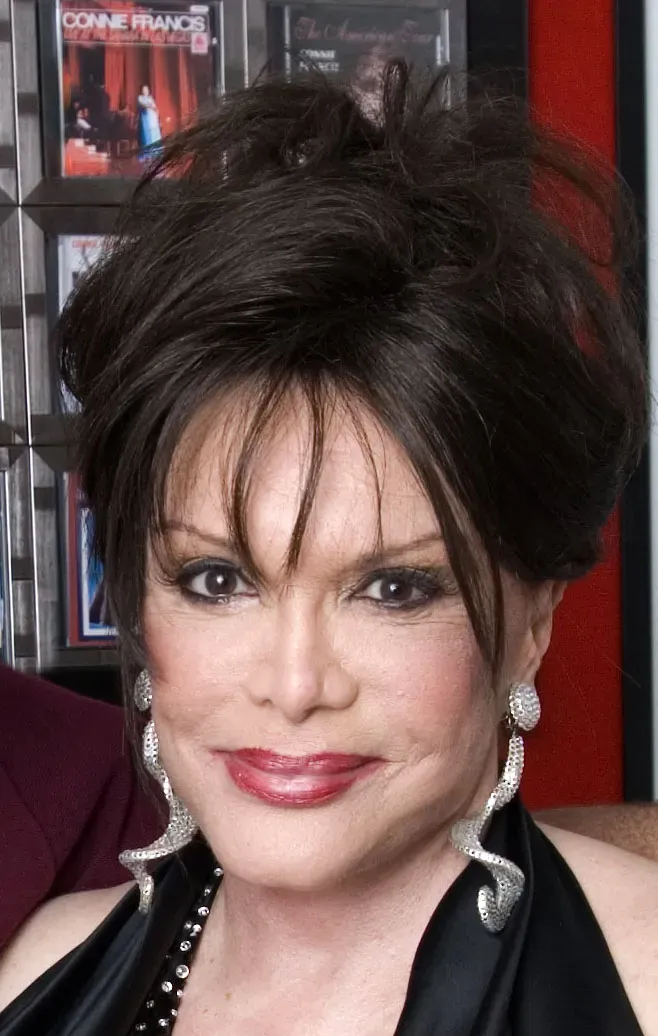
derivative work: TVJunkie (talk), Public domain)
This one might surprise you. “Pretty Little Baby” was a modest mid-tier release by Connie Francis over six decades ago, not considered one of her signature hits at the time. It existed quietly in the catalog for generations. Then TikTok happened. More than six decades after its original release in 1962, Pretty Little Baby by the late, great Connie Francis found a new generation of global fans after becoming one of the most viral songs of the year on TikTok.
The numbers behind what followed are genuinely staggering. The TikTok community embraced the track, using it over 28.4 million times as the perfect soundtrack for wholesome videos featuring family, pets, relationships and flowers, leading to over 68.6 billion views. Connie Francis was a huge success in the 1950s and 1960s, with hits including “Who’s Sorry Now” and “Stupid Cupid,” yet it was “Pretty Little Baby” that became her most-streamed song, with over 130 million streams on Spotify, spending five weeks on the Billboard Global 200 chart. The song didn’t change. The world around it did, and suddenly a 1962 tune became the sound of 2025 nostalgia.
6. “Lust for Life” – Iggy Pop (1977)
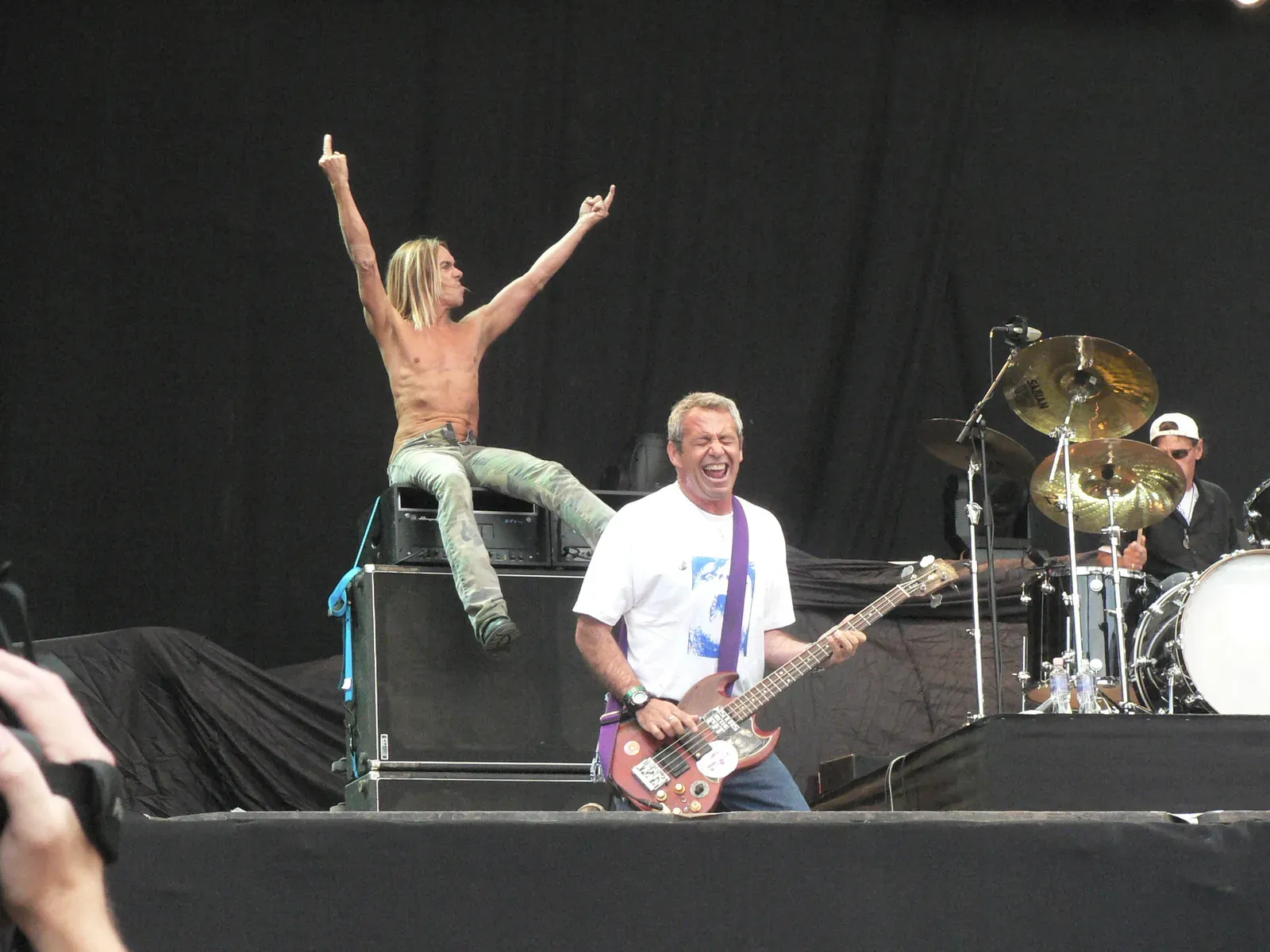
When Iggy Pop co-wrote “Lust for Life” with David Bowie in 1977, it was raw, wired energy with lyrics about drug use and counterculture restlessness. It didn’t even chart particularly well at the time. Released in 1977, “Lust for Life” is a song by rock ‘n’ roll heavyweight Iggy Pop and the title track of his album co-written with David Bowie. Despite its initial release, the song did not chart highly, although it was critically acclaimed and became a defining track of Iggy Pop’s career. The song gained renewed popularity in the 1990s after being prominently featured in the film “Trainspotting,” which helped introduce it to a new generation.
From there, the song kept morphing. It became a cruise line commercial. Then a gym playlist staple. Then a symbol of pure defiant living. Its energetic beat and catchy chorus have since made it a staple in pop culture, appearing in various films and commercials. This resurgence cemented “Lust for Life” as one of Iggy Pop’s most recognizable songs. It’s a remarkable journey for a track that was once considered too underground and too weird to bother with. Context, it turns out, is everything.
7. “Candle in the Wind” – Elton John (1973)
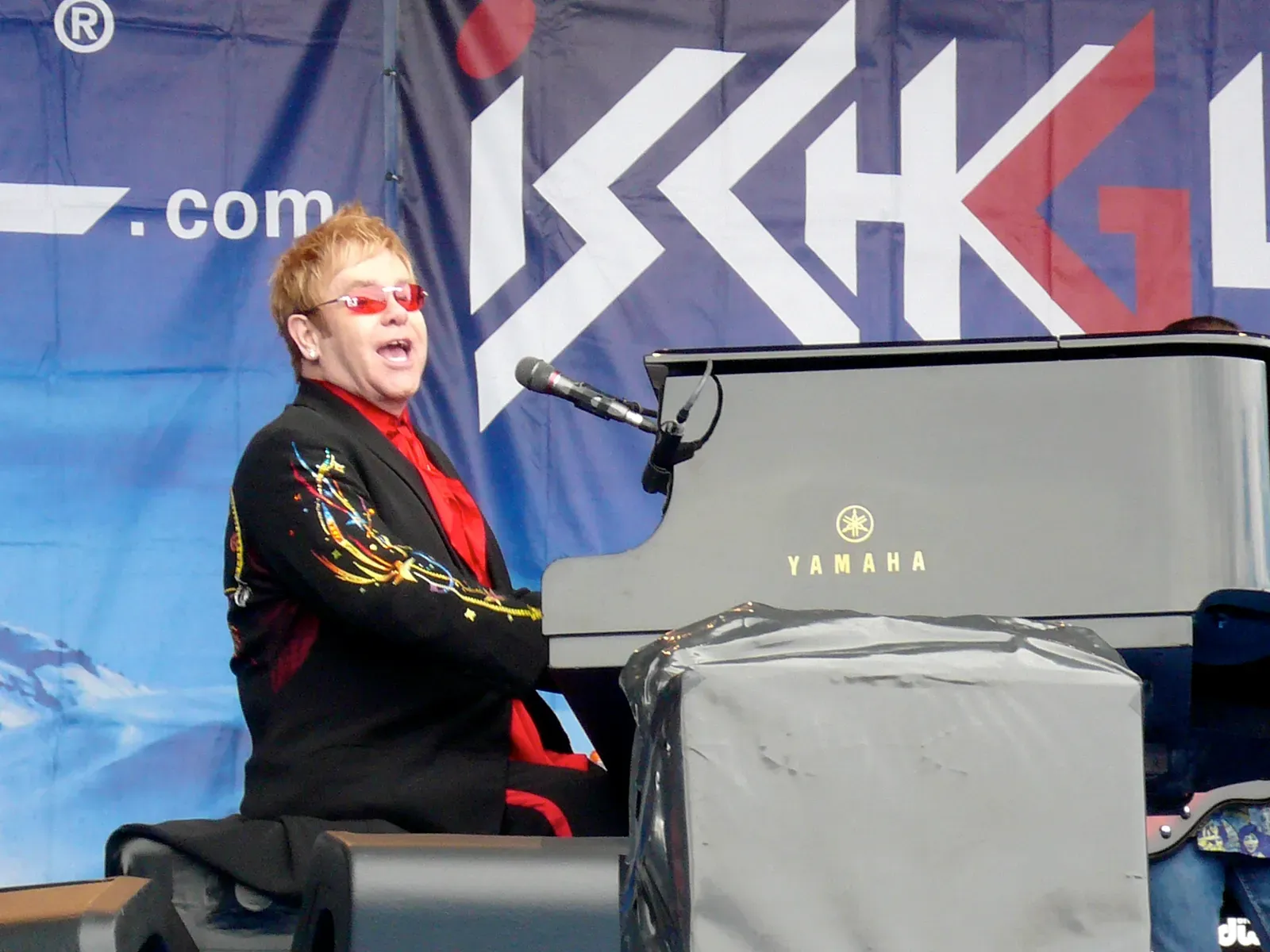
“Candle in the Wind” was originally written as a tribute to Marilyn Monroe in 1973, exploring the vulnerability of fame and the way it can consume a person. It was a beautiful, elegiac piece, but its emotional core didn’t fully hit the mainstream until years later. This song’s enduring legacy is marked by its emotional connection to both Marilyn Monroe and Princess Diana. “Candle in the Wind” is a song by Elton John with lyrics by Bernie Taupin, originally written in 1973 as a tribute to Marilyn Monroe.
Then Princess Diana died in 1997, and Elton John rewrote the song in her honor. The recording that followed became one of the best-selling physical singles of all time. The same musical bones, the same melancholy architecture, suddenly carried entirely different grief for an entirely different generation. Songs that resonate with political or social causes often see renewed relevance during times of crisis or upheaval. Few songs demonstrate this principle quite as dramatically as this one – it essentially became two completely different cultural monuments while staying the same song.
8. “Murder on the Dancefloor” – Sophie Ellis-Bextor (2001)

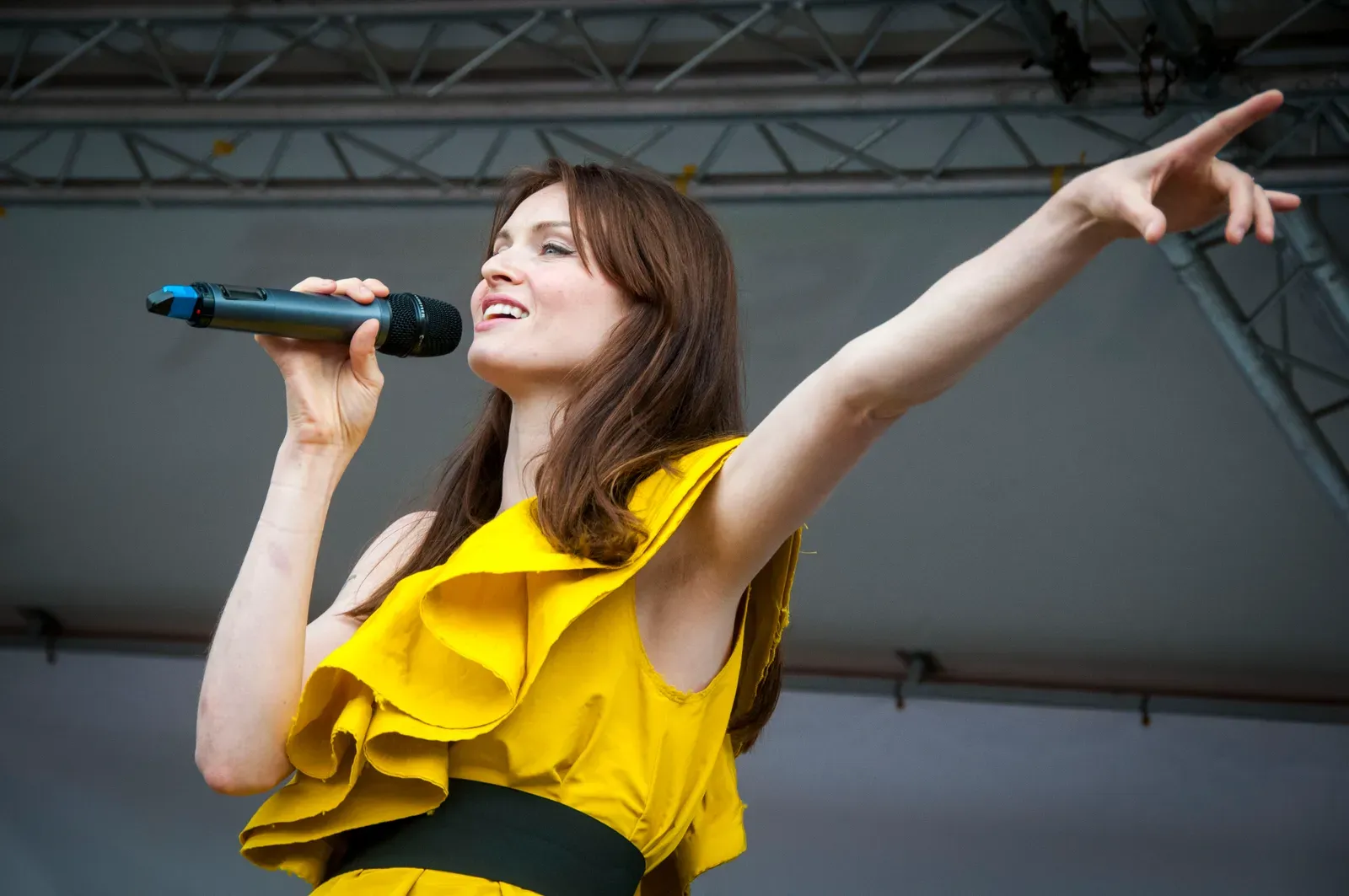
For most of the 2000s and 2010s, “Murder on the Dancefloor” was a beloved UK pop track with genuine dancefloor credentials. Fun, sharp, memorable. Then the 2023 film Saltburn came along and dropped it into one of the most talked-about closing scenes in recent cinematic memory. Ellis-Bextor’s original version gained renewed popularity after appearing in the 2023 black comedy thriller film Saltburn, causing it to re-enter the UK Dance Singles Chart, where it reached number 1.
The song didn’t need a word changed. It just needed the right scene, the right cultural moment. Besides TikTok and seasonality, other factors, such as a musician’s death or the use of a song in a popular film or television show, have also renewed attention to hits of the past. As Hollywood increasingly relies on nostalgia-driven storytelling, classic songs frequently find their way into the soundtracks of major productions, leading to spikes in popularity and revenue. Quentin Tarantino’s films, for example, have repeatedly revived interest in deep cuts from the 1960s and 1970s, proving that the right placement can transform a relatively obscure track into a cultural phenomenon. Sophie Ellis-Bextor’s bop simply followed the same path.
9. “Fight the Power” – Public Enemy (1989)

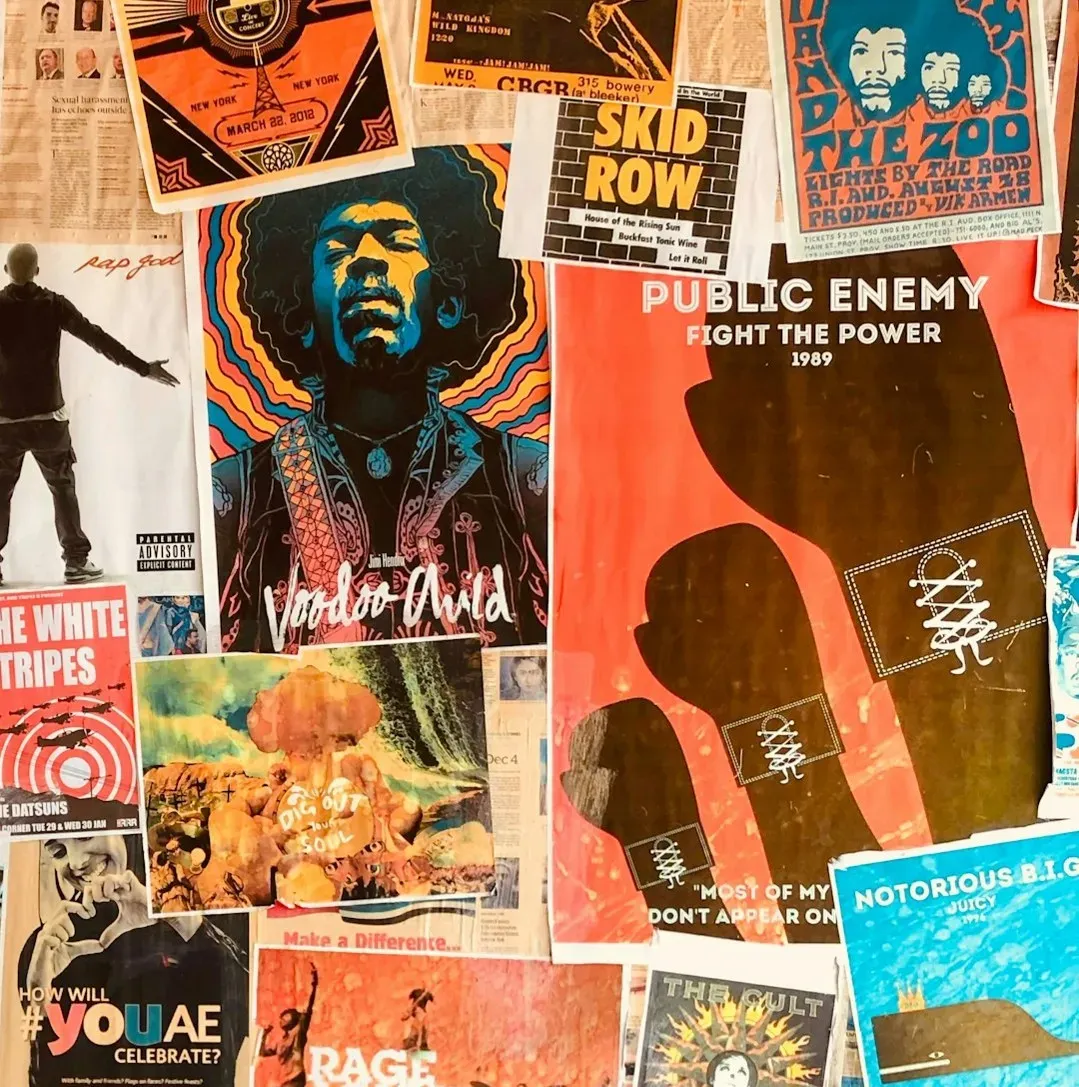
Public Enemy’s “Fight the Power” was commissioned for Spike Lee’s Do the Right Thing and arrived in 1989 as a battle cry for Black empowerment, frustration, and resistance at a specific historical boiling point in America. While it’s really hard to pick the best Public Enemy song, “Fight The Power” has an undeniable theme of Black empowerment that was previously unheard of. Its broad interest in ending racism contrasts with their more specific songs, and its poignant observations point to the necessity of change.
It’s hard to say for sure exactly where its power comes from after all these years, but somehow it never diminishes. Every decade brings new circumstances that reload the song with urgency. The concert context can be a more temporally extended phenomenon, such as social and political movement taking place outside of the concert itself. “Fight the Power” is perhaps the most striking example of a song that was not just a product of its time but a template for every social flashpoint that followed. It sounds like 1989. It feels like right now.
Why Songs Outlive Their Moment

The short answer is that great songs are never really about one thing. They’re about the human condition, which stubbornly refuses to resolve itself. Music is deeply rooted in human nature, and some types of songs transcend cultural boundaries. A lyric written in grief can become a protest anthem. A protest anthem can become a commercial. A forgotten deep cut can become the most-streamed song of 2025 because a teenager posted a video with her cat.
TikTok isn’t just a place for memes and dance trends anymore; it’s where songs are broken, resurrected, and launched into global superstardom. One viral sound can turn a bedroom artist into a household name overnight, or bring a forgotten deep cut from the 1960s back into heavy rotation. The machinery for recontextualizing music has never been more powerful. A successful reinterpretation can spark renewed interest in the original version, boosting streaming numbers and sales for both artists involved. The songs that survive all of this aren’t necessarily the biggest hits of their era. They’re the ones with something unspent inside them.
Music is arguably the most honest mirror any culture has. The songs on this list were written in specific rooms, by specific people, under specific pressures. The fact that they keep reflecting new truths back at us says less about the songs themselves and more about how little some things ever truly change. What song from today do you think will mean something completely different in thirty years?