Sequels have a reputation problem. For every follow up that expands on what worked, there are a dozen that feel like a cash grab dressed up in familiar costumes. Yet every so often, a filmmaker takes a beloved original and finds a way to make it feel like a warm up act. These nine films did exactly that, and audiences and critics have spent decades, in some cases, arguing about why.
1. The Godfather Part II (1974)

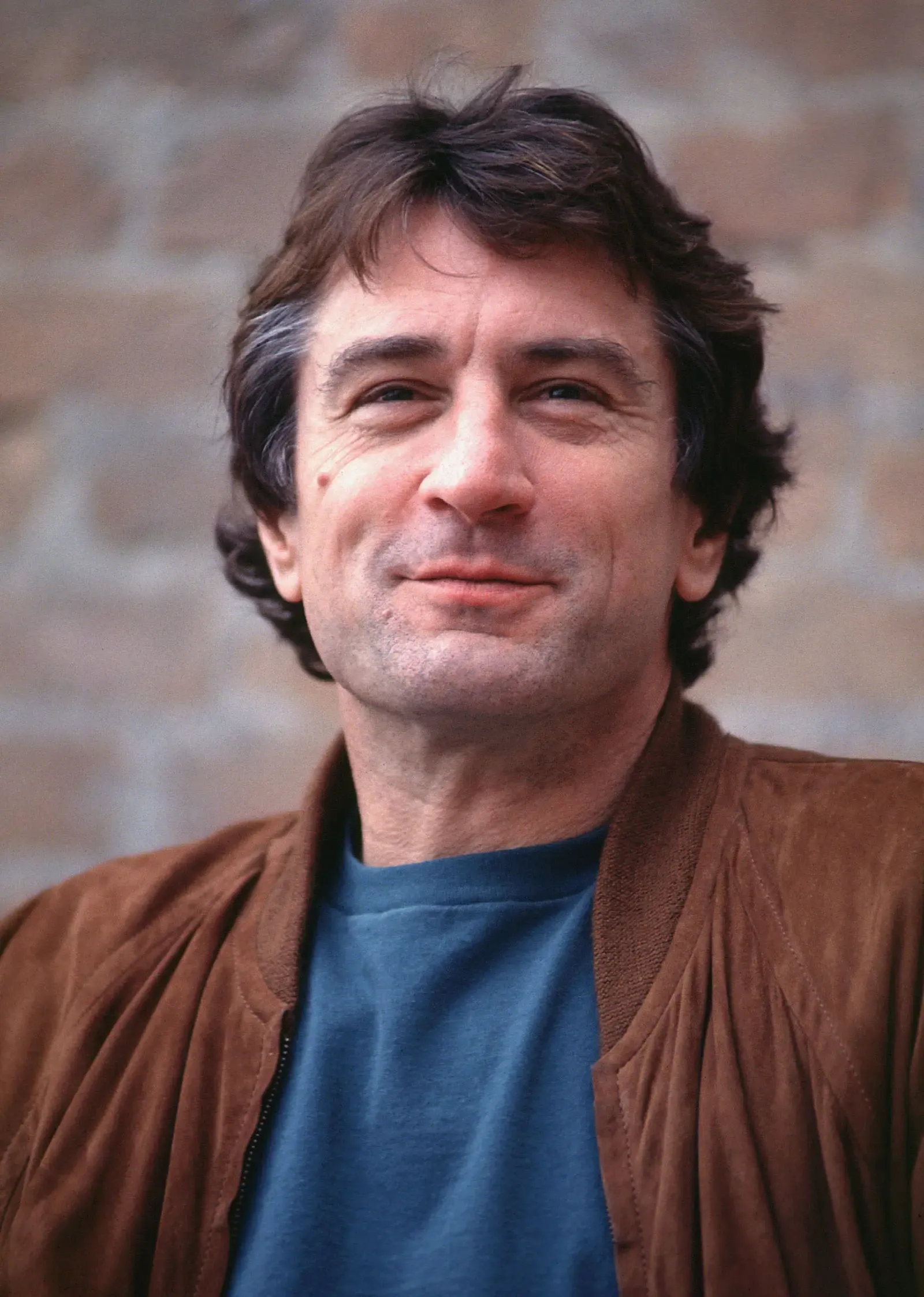
Francis Ford Coppola did something almost nobody had tried before: he made a sequel that expanded the emotional and historical scope of an already massive film. In 1974, Paramount Pictures released The Godfather Part II, a prestige sequel featuring ‘s creative team and an ensemble cast led by Al Pacino, Robert De Niro, and Diane Keaton. Rather than simply continuing Michael Corleone’s story, the film wove in a parallel timeline following young Vito Corleone’s rise, giving the saga a depth the first film never attempted.
The movie became the first sequel to win the Best Picture award at the Academy Awards, a milestone that still gets mentioned every time someone debates whether sequels can be taken seriously as art. In addition to the Best Picture win, the film also won in five other categories, including Best Actor in a Supporting Role for Robert De Niro and Best Director for Francis Ford Coppola. More than fifty years later, it remains the gold standard that every ambitious sequel gets measured against.
2. The Empire Strikes Back (1980)

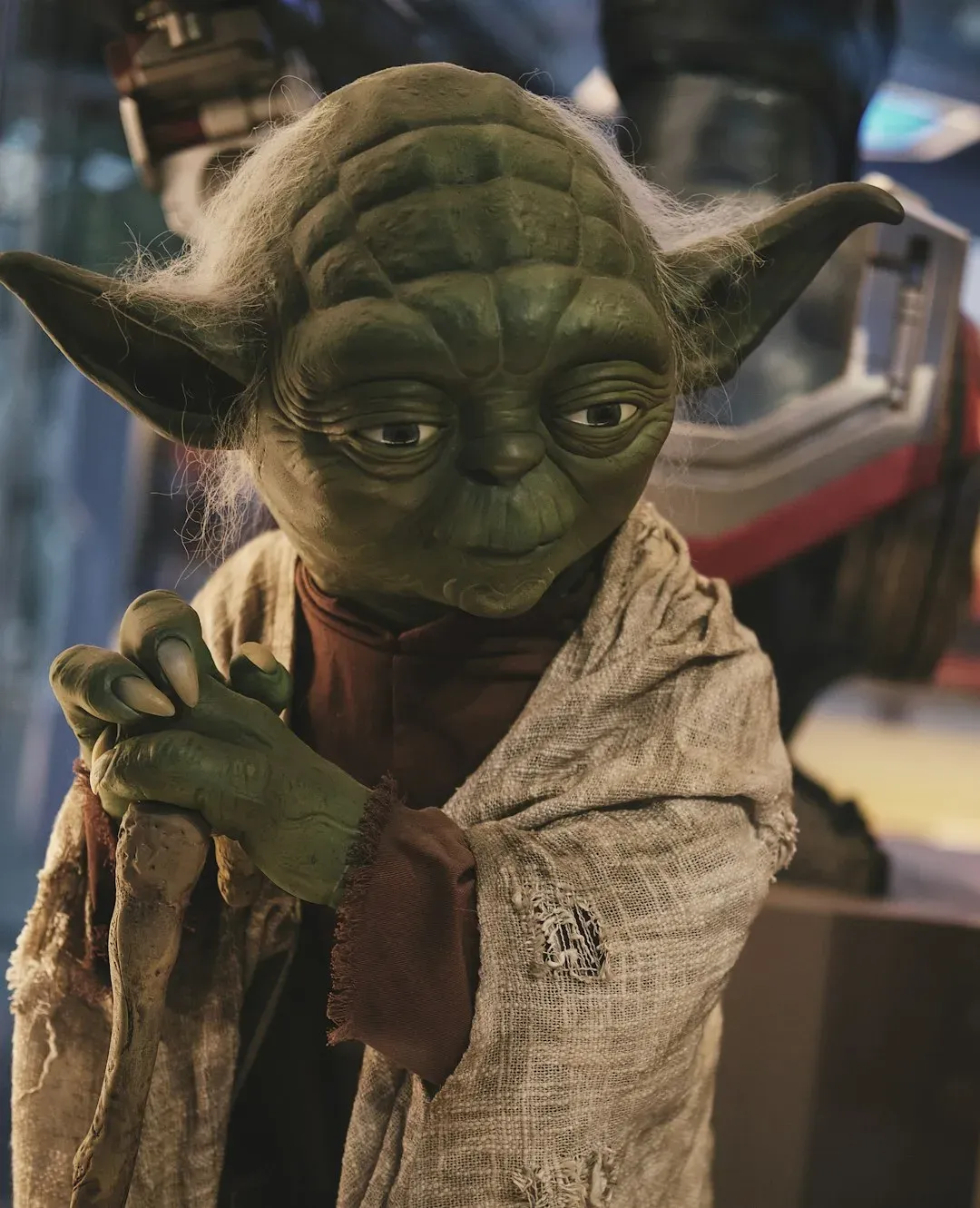
George Lucas handed directing duties to Irvin Kershner for the second Star Wars installment, and the result darkened the tone in ways the original never dared. The film introduced a father son twist that reshaped the entire trilogy’s meaning, along with Yoda, the Cloud City betrayal, and a cliffhanger ending that left theaters in stunned silence back in 1980. It traded the original’s scrappy underdog energy for something more melancholic and mature, without losing the sense of adventure that made Star Wars a phenomenon in the first place.
Critics and fans have spent decades ranking it above the 1977 original in poll after poll, and it is routinely cited as the moment the franchise proved it could grow up alongside its audience. The film also holds up remarkably well against modern blockbusters, partly because its practical effects and puppetry still feel tactile in a way CGI heavy sequels often do not. It is the rare middle chapter in a trilogy that many consider the best entry, a trick very few franchises have managed to repeat since.
3. Aliens (1986)

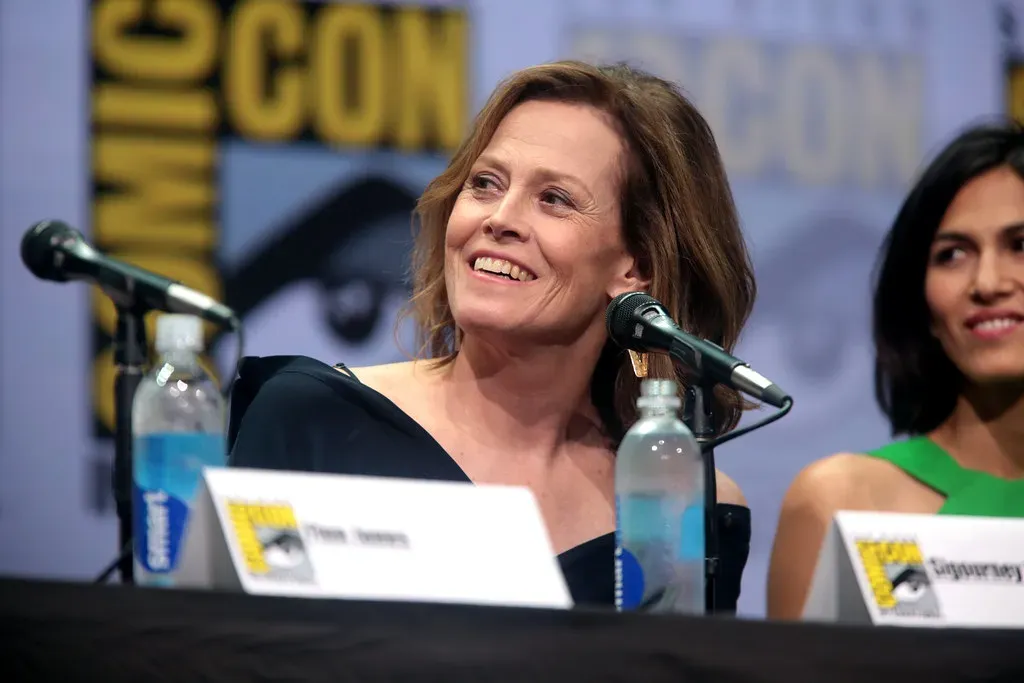
Ridley Scott’s Alien was a slow burning horror film set in a claustrophobic ship. James Cameron took the same universe and turned it into a tense, propulsive war movie, swapping dread for adrenaline while somehow keeping the terror intact. Sigourney Weaver’s Ripley became a fully realized action hero in this installment, earning her a Best Actress Oscar nomination, an almost unheard of achievement for a science fiction sequel at the time.
The film expanded the mythology of the Xenomorphs without diluting what made them frightening, introducing the queen alien and a squad of marines whose camaraderie gave the horror real emotional stakes. Cameron’s approach proved that a sequel could shift genres entirely and still feel like a natural extension of the original rather than a betrayal of it. Many fans and critics still debate which film is superior, but Aliens consistently lands near the top of best sequel lists for good reason.
4. Terminator 2: Judgment Day (1991)

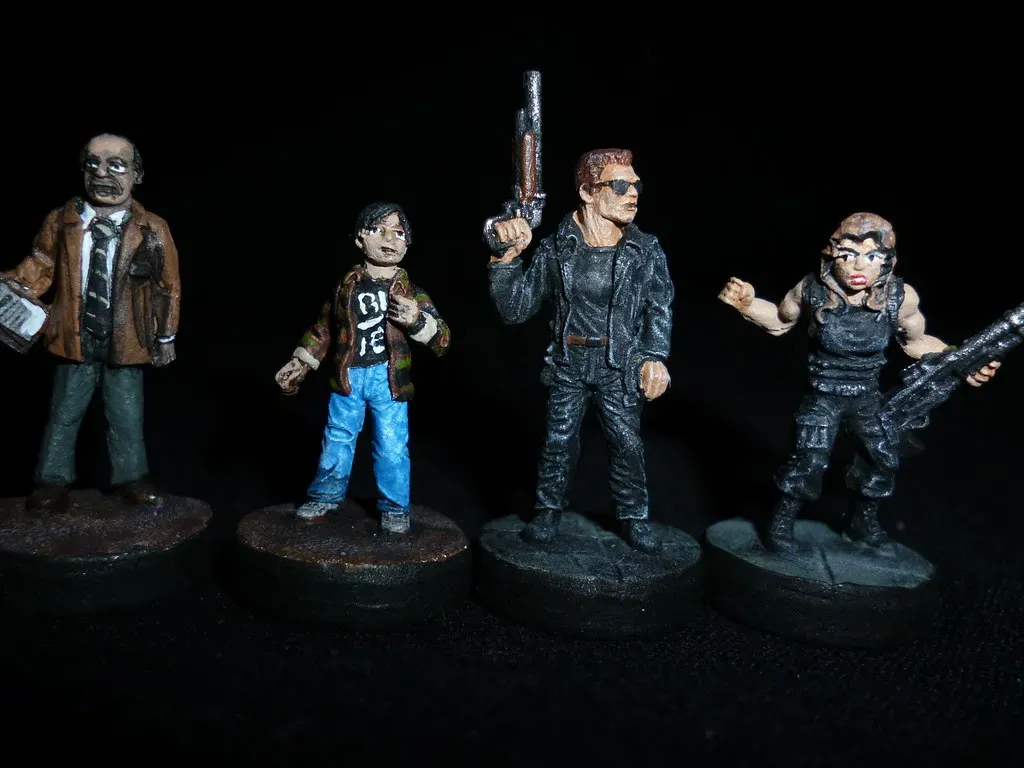
James Cameron returned to another franchise he helped create and pulled off an even more ambitious feat. The 1984 original was a lean, low budget thriller with a genuinely menacing villain. The sequel flipped the script by turning Arnold Schwarzenegger’s Terminator into the protector, while introducing Robert Patrick’s liquid metal T-1000 as a new kind of unstoppable threat brought to life through then groundbreaking computer generated imagery.
The visual effects work reshaped what audiences expected from blockbuster filmmaking, and the film swept the technical Oscar categories for its innovations. Beyond the spectacle, it also gave Linda Hamilton’s Sarah Connor a far more compelling arc, turning her into a hardened survivor rather than a passive target. Decades on, it is still frequently named one of the best sequels ever made, and one of the few times a bigger budget genuinely served the story instead of burying it.
5. Toy Story 3 (2010)

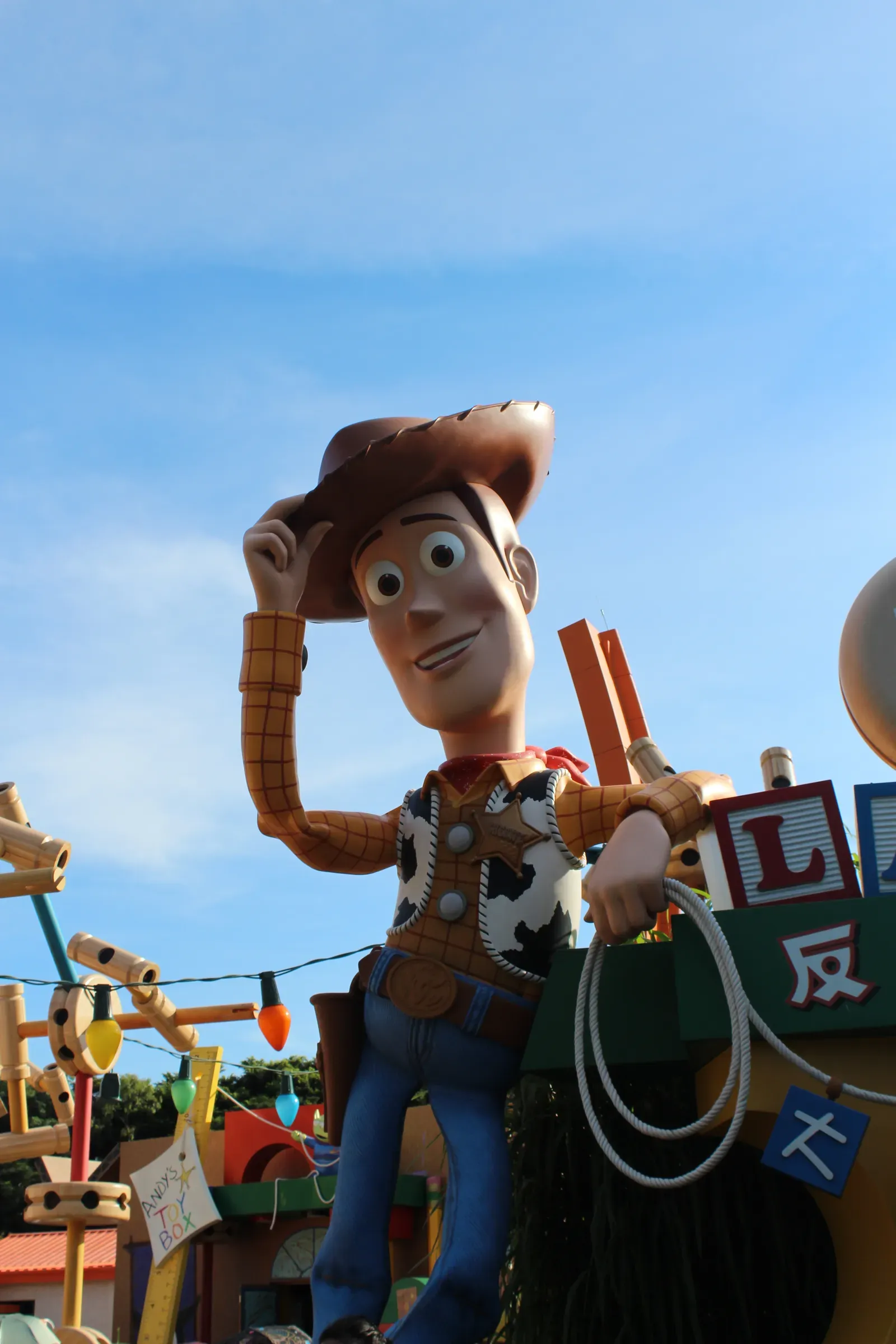
Pixar had already delivered two beloved Toy Story films, so expectations for a third entry, released eleven years after the second, were sky high. After 11 years and several scrapped story ideas, Toy Story 3 was finally released in 2010, and the threequel was not only highly acclaimed by critics, but it also became the first animated film to make one billion dollars at the worldwide box office. The story, which followed the toys facing an uncertain future as their owner Andy left for college, tapped into themes of growing up and letting go that resonated with audiences who had grown up alongside the franchise.
For the first time in the franchise’s history, it managed to win competitive Oscars for Best Animated Feature and Best Original Song for Randy Newman’s “We Belong Together.” Toy Story 3 also earned a Best Picture nomination, becoming the third animated film to receive that honor following Beauty and the Beast and Up. It is a rare case of a third installment in a franchise being widely regarded as its emotional peak.
6. The Dark Knight (2008)

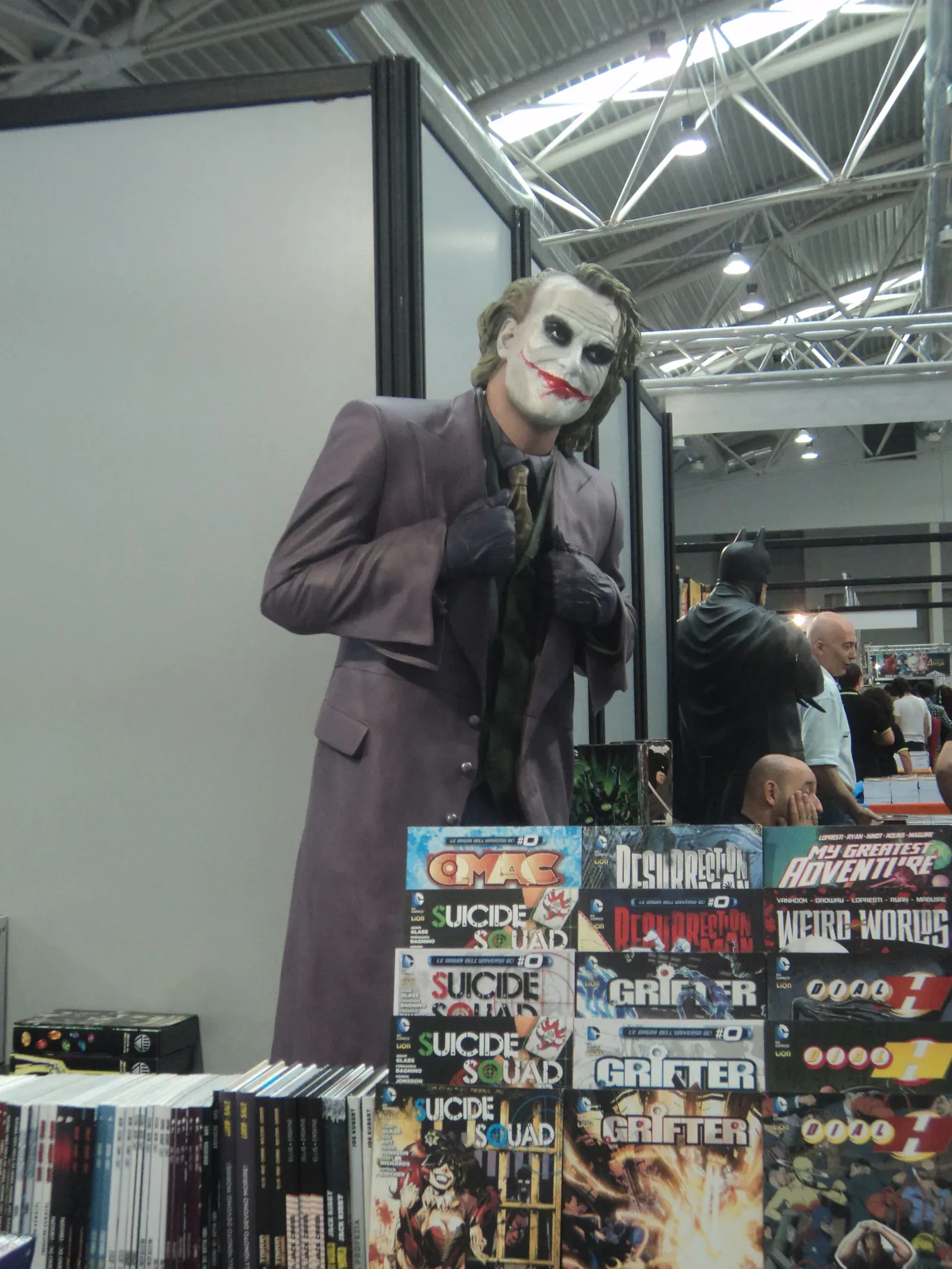
Christopher Nolan’s Batman Begins had already reinvented the superhero origin story, but its sequel took the character somewhere far darker and more morally complicated. Heath Ledger’s performance as the Joker became the film’s defining element, a chaotic, unpredictable presence that redefined what a comic book villain could be on screen. His death shortly before the film’s release added a somber weight to a performance that was already being talked about as one of the best of the decade.
Ledger won a posthumous Academy Award for Best Supporting Actor, a rare instance of a superhero film breaking into the acting categories at the Oscars. The film also crossed one billion dollars worldwide, a first for the Batman franchise at the time, and its awards snub in the Best Picture category is often cited as the reason the Academy later expanded that field to ten nominees. Nearly two decades later, it still tops most rankings of the best superhero films ever made, sequel or otherwise.
7. Mad Max: Fury Road (2015)

George Miller returned to his own franchise thirty years after the last entry and delivered something almost nobody expected: a practically shot, relentlessly kinetic action film that felt more vital than anything the original trilogy produced. None of the original Mad Max movies ever scored a single Oscar nomination, yet decades later, Mad Max: Fury Road earned a whopping ten nominations at the 88th Academy Awards. Charlize Theron’s Furiosa became as iconic as Tom Hardy’s version of Max himself, and in many ways more central to the story.
That included Best Picture, as well as Miller’s first nomination for Best Director, and Mad Max: Fury Road rightfully took home six Oscars, the most Oscar wins of any motion picture at that year’s ceremony. The film swept the technical categories including Best Costume Design, Best Production Design, Best Film Editing, Best Sound Editing, Best Sound Mixing, and Best Makeup and Hairstyling. It remains a benchmark for practical stunt work in an era dominated by digital effects, and a rare case of a franchise revival outshining every prior entry.
8. Spider-Man 2 (2004)

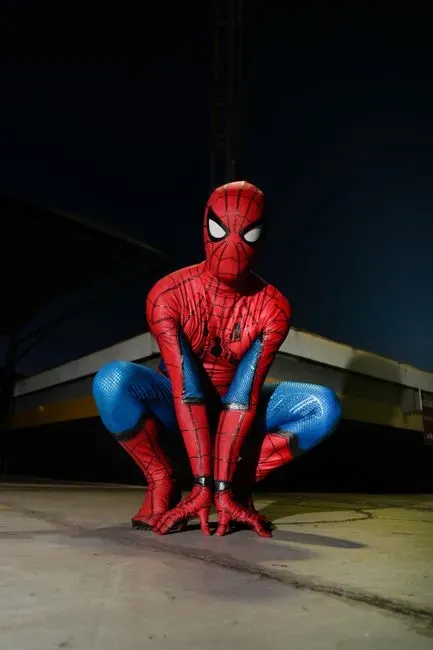
Sam Raimi’s first Spider-Man film introduced the character to a new generation, but its sequel is the one most fans and critics point to as the series high point. The film balanced Peter Parker’s personal struggles, juggling a relationship, financial troubles, and his double life, with a genuinely tragic villain in Alfred Molina’s Doctor Octopus. The train sequence, where a wounded Spider-Man stops a runaway subway car with his bare hands, is still cited as one of the best action set pieces in superhero cinema.
Critics praised the film for treating its central character with more emotional honesty than the original, giving weight to Peter’s exhaustion and doubt rather than just his heroics. It won the Academy Award for Best Visual Effects, a rare technical honor for a superhero sequel at that point in the genre’s history. Nearly two decades later, it remains a touchstone that later Spider-Man films are still compared against.
9. Dune: Part Two (2024)

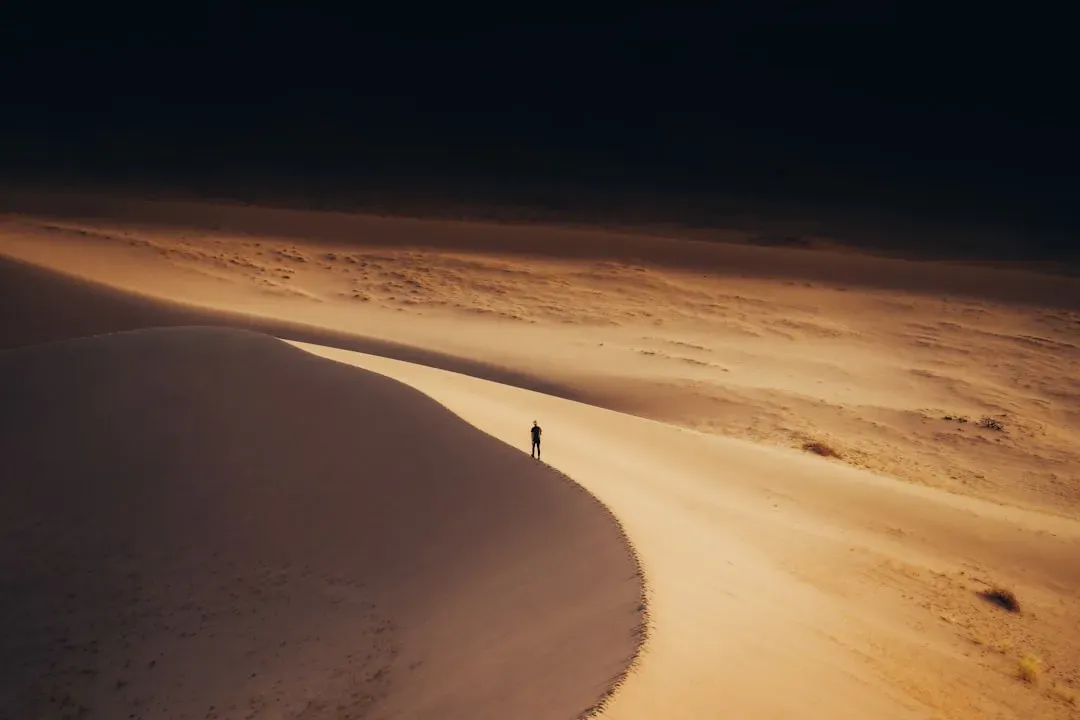
Denis Villeneuve’s 2021 Dune was praised for its scope and atmosphere but also drew criticism for functioning as a lengthy setup with little payoff. Dune, which premiered in 2021, received positive reviews from critics and was ultimately a box office success despite its delay due to the COVID-19 pandemic, having grossed over $430 million against a $165 million budget. The second half of the story, released in 2024, resolved that criticism almost entirely by delivering the action, political intrigue, and emotional stakes the first film had been building toward.
Dune’s Rotten Tomatoes score sits at 83 percent, while Dune: Part Two’s score is 14 points higher at 97 percent. Some critics even asked whether it could be a modern day Empire Strikes Back, since it is not all that often that a sequel surpasses its predecessor, particularly in science fiction, yet Villeneuve’s follow up seemed to have done just that. With Timothée Chalamet, Zendaya, and a cast that added Florence Pugh and Austin Butler, the film proved that the patient, deliberate approach of the first installment was building toward something genuinely rewarding rather than simply padding out a franchise.