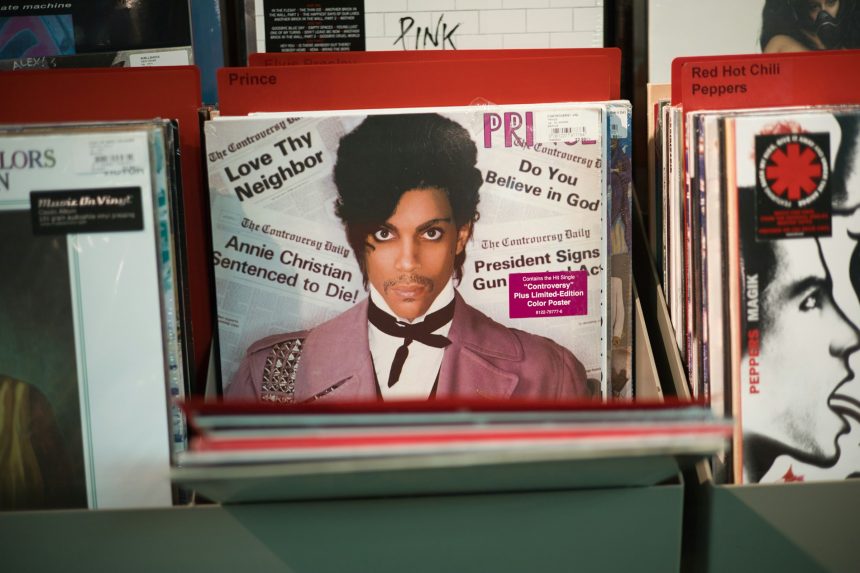
There’s a persistent myth in music that a truly great song has to be labored over for months, revised a hundred times, and dragged out of some tortured creative process. Sometimes that’s true. Other times, though, a singer sits down, and before they’ve even fully thought it through, the song is basically done. What follows are nine cases where a career-defining hit came together almost instantly, sometimes on a napkin, sometimes on a bedroom floor, sometimes on the back of an airsickness bag. The stories vary in detail, but they share one thing: speed that still surprises people decades later.
Bob Dylan and “Blowin’ in the Wind”
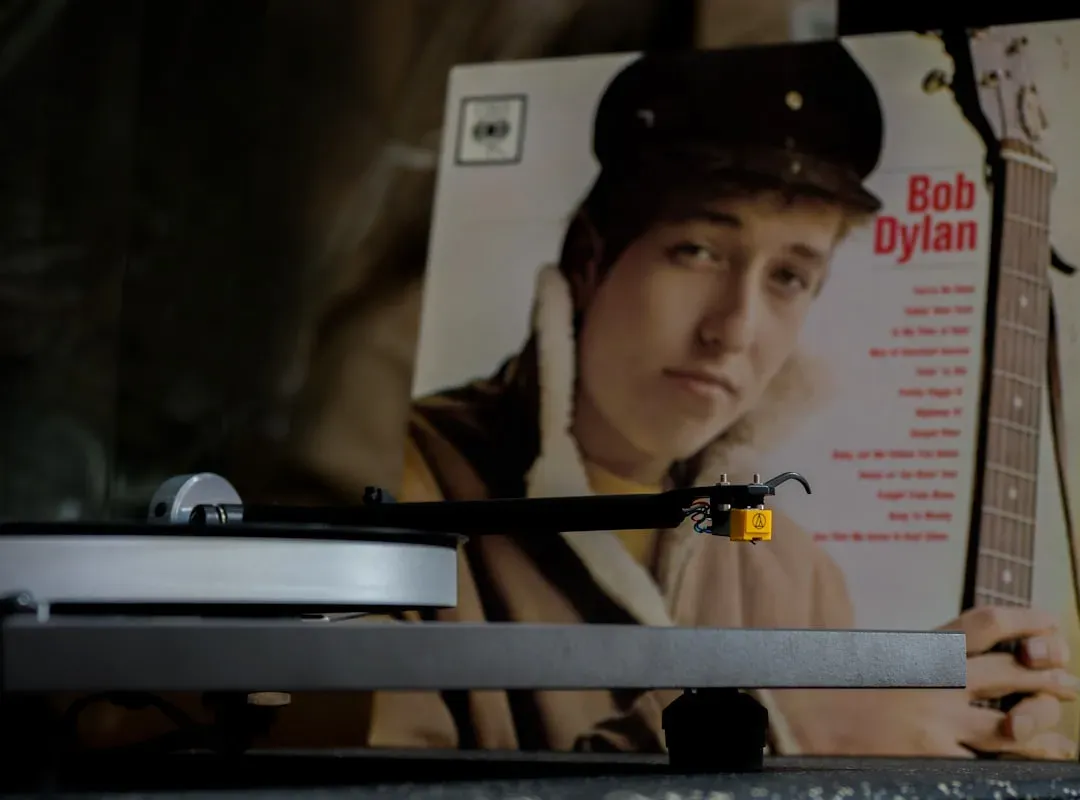
Dylan has told this story more than once, and it hasn’t changed much over the decades. During a 2004 interview on 60 Minutes, he confirmed that the rumors are true, and that it did take him about 10 minutes to write the lyrics for “Blowin’ in the Wind.” He was 20 years old and living in New York’s Greenwich Village. That’s a strange thing to picture: a song that would soon be sung at civil rights marches, coming together in less time than it takes to boil an egg.
He didn’t build the melody from scratch either. Dylan claimed he wrote this song in about 10 minutes one afternoon, putting words to the melody of an old slave song called “No More Auction Block.” By evening he was already playing it live at Gerde’s Folk City, reading his own hastily scrawled lyrics off the page and improvising where his handwriting failed him.
Taylor Swift and “Love Story”

Long before stadium tours and re-recorded albums, Swift was a teenager sitting on her bedroom floor, upset about a boy her parents didn’t approve of. According to multiple accounts of her own retelling, Swift wrote “Love Story” on her bedroom floor in approximately 20 minutes, feeling too inspired to put the song down unfinished. The Shakespeare references and the marriage proposal ending all arrived in that same short burst.
The backstory behind the song is almost as memorable as the writing speed itself. She said the 2008 song came out of anger that her parents wouldn’t let her go on a date with someone older than her. It became the lead single from Fearless and one of the songs that turned her into a global star rather than just a rising country act.
Willie Nelson and “On the Road Again”

Not every songwriting tool is a guitar or a notepad. When producers for the film Honeysuckle Rose asked Nelson for a theme song mid-flight, he grabbed whatever was closest, which happened to be an airsickness bag. Less than ten minutes later, Nelson had finished the lyrics. The melody, oddly enough, took longer.
He created the melody for the song a week later, when he was ready to record it. That combination, rushed lyrics paired with a melody worked out almost as an afterthought, produced a song that became one of country music’s most enduring road anthems and earned him a Grammy.
John Lennon and “Instant Karma!”

Lennon’s process here was so fast it practically became the song’s origin myth. After being struck by a phrase he’d overheard, he sat at a piano and, using simple chords, within an hour he had a finished tune, and, afraid he’d forget it, played it over and over. That same afternoon he called George Harrison, who brought in Phil Spector.
The turnaround from idea to finished record is still cited as one of the fastest in pop history. On January 27th, 1970, John Lennon wrote, recorded, and mixed his new single, “Instant Karma!,” all in one day. It hit stores within two weeks and became the first solo Beatle single to sell a million copies in America.
Alicia Keys and “Fallin'”

Keys wasn’t chasing a hit when she wrote her signature song. She scribbled it out while other tracks for her debut album were mid-mix at Columbia, almost as a side thought. Alicia Keys wrote “Fallin'” in a rush, while some of her other tracks were being mixed at Columbia. She was still a teenager balancing a real relationship with the pressure of a first record deal.
That quick, almost accidental writing session ended up producing a song that reshaped her career. “Fallin'” attained global commercial success, reaching number one on the US Billboard Hot 100 and the top 10 in several countries, topping the charts of Flanders, the Netherlands, and New Zealand. It also swept three Grammys the following year, including Song of the Year.
Sia and “Chandelier”

Sia has built a reputation as one of pop’s fastest writers, often working through several song ideas in a single studio session with different artists. For her own breakout single “Chandelier,” she has described the core of the song arriving quickly, essentially in one sitting with producer Jesse Shatkin, well before the arrangement was fleshed out into the anthemic version everyone knows. The lyrics, built around the idea of partying to numb pain, reportedly poured out faster than the production around them.
What’s notable is that this wasn’t unusual for her. Sia is known throughout the industry for writing at high speed, a skill that has made her one of the most in demand songwriters for other artists as well. “Chandelier” became her first major hit as a performer, reaching the top five in multiple countries and earning four Grammy nominations.
Dolly Parton and “I Will Always Love You”
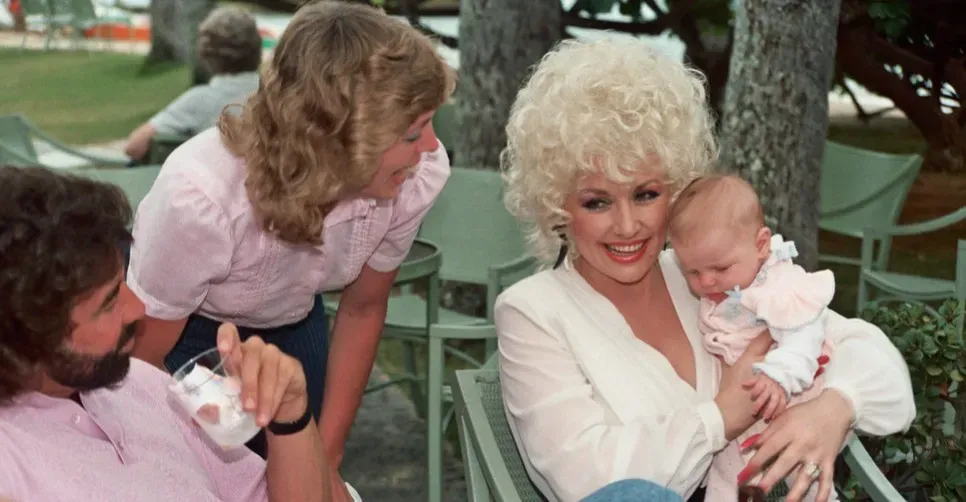
Parton wrote “I Will Always Love You” the night she decided to leave her long running partnership with Porter Wagoner, using the song as a way to say something she couldn’t quite say directly. By most widely repeated accounts from her own interviews and biographies, she wrote both that song and “Jolene” during the same short stretch of songwriting, working quickly while the emotion was still raw. It wasn’t a song built through months of revision, it was a farewell put to paper almost in real time.
The song went on to hit number one on the country charts twice, once in 1974 and again in 1982, before Whitney Houston’s cover turned it into one of the best selling singles in history. Parton has often pointed out that the speed of the writing matched the urgency of what she was feeling that night. It remains one of the clearest examples of a hit born from a single emotional moment rather than a drawn out creative process.
Prince and “Kiss”
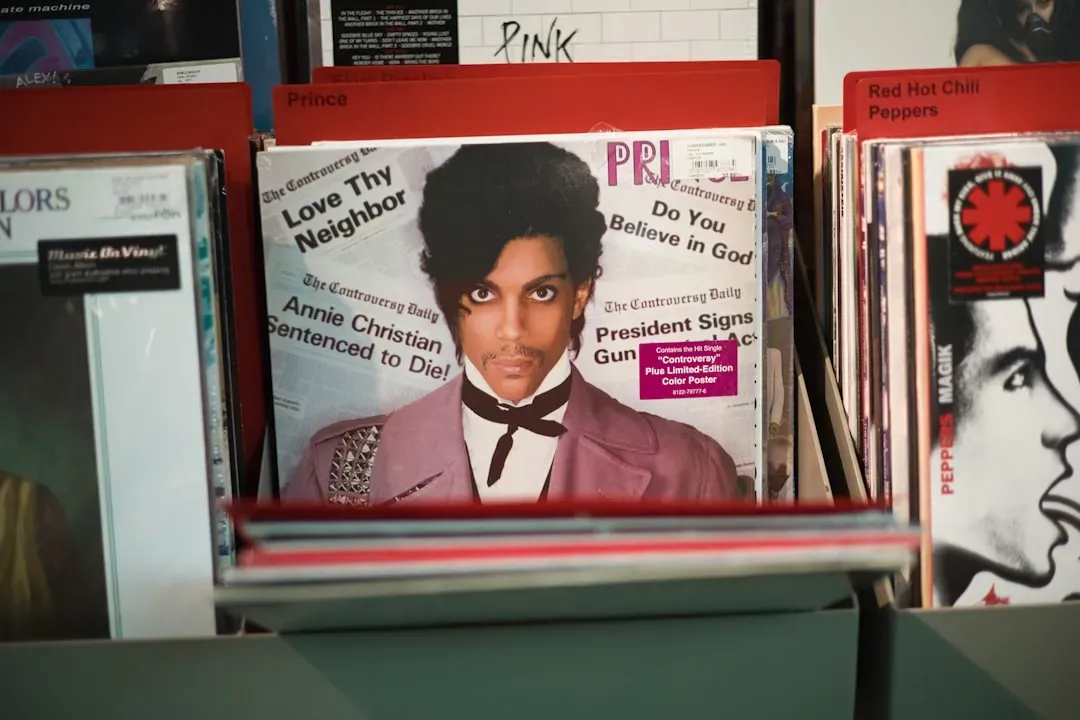
“Kiss” almost wasn’t a Prince song at all. He originally wrote and recorded a stripped down acoustic demo quickly, intending to give it away to the funk group Mazarati rather than keep it for himself. According to accounts from musicians who worked with him at the time, the initial version came together in a single fast writing and recording session, closer to a sketch than a finished single.
It was only after hearing what Mazarati’s producer did with the arrangement that Prince decided to take the song back for his own album. He added the falsetto vocal and reworked the groove, but the bones of the song, written in that quick original burst, stayed intact. “Kiss” went on to hit number one on the Billboard Hot 100 in 1986.
Mick Jagger and “(I Can’t Get No) Satisfaction”
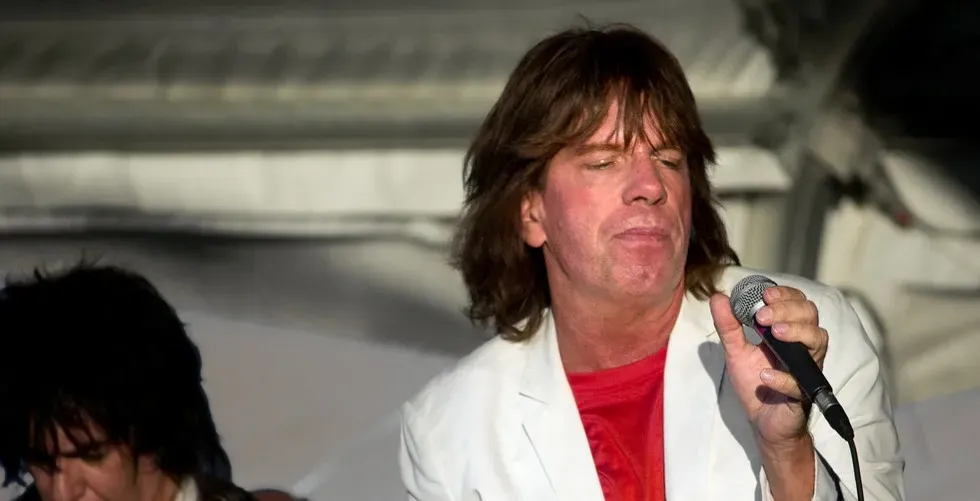
The riff for “Satisfaction” famously came to Keith Richards in his sleep, recorded half consciously onto a cassette recorder before he drifted back off. But the lyrics, delivered by Jagger and central to the song’s lasting bite, reportedly came together quickly as well, written by Jagger sitting beside a swimming pool in Florida during a tour stop. He has described the words arriving almost as fast as he could jot them down, inspired by frustration with advertising and the general noise of touring life.
The finished song became the Rolling Stones’ first number one hit in the United States and is regularly ranked among the greatest rock songs ever recorded. Richards has said in interviews that he barely remembers writing the riff, since it happened in that half asleep state, and Jagger has downplayed the lyric writing as something that just clicked into place quickly rather than something labored over for weeks.
These nine songs share a strange thread. None of them were the result of grinding away at a desk for months, waiting for inspiration to show up on schedule. They arrived quickly, sometimes inconveniently, on bedroom floors, airplane seats, and hotel poolsides, and the people who wrote them mostly agree the speed wasn’t something they planned. It just happened that way, and the songs stuck around far longer than the few minutes it took to write them.