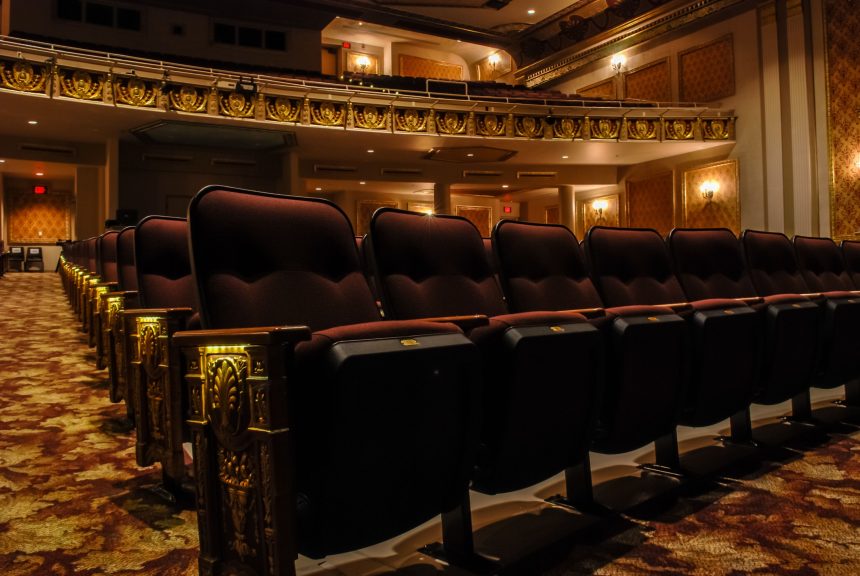
Most of us watch films in buildings with a dozen auditoriums and a menu board full of combo deals. A single screen theater runs on a different logic. There’s one room, one show at a time, and usually a marquee that tells you what’s on without any scrolling.
These places have become rare. A few small towns have held onto theirs anyway, through fires, closures, storms and a lot of volunteer effort. Here are nine worth planning a route around, with notes on what’s current as of 2026.
Crandell Theatre, Chatham, New York

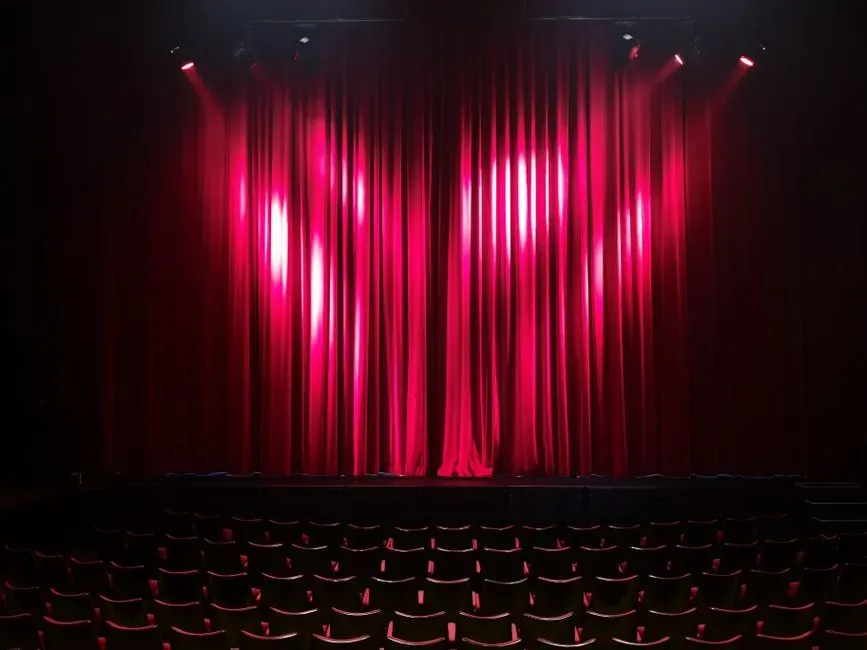
The Crandell was built in 1926 in the Spanish Renaissance style. Chronogram describes it as one of just 54 single screen theaters left in the country. A full restoration and modernization of the theater was completed in October 2025.
The marquee is now digital, though the light fixtures were restored to their 1926 look, and there are 449 new seats with a pocket of original wooden ones in the balcony. FilmColumbia, the annual festival held here, runs October 16 to 25 in 2026. That makes this month a good moment for a visit.
Rivoli Theatre, Cedarburg, Wisconsin

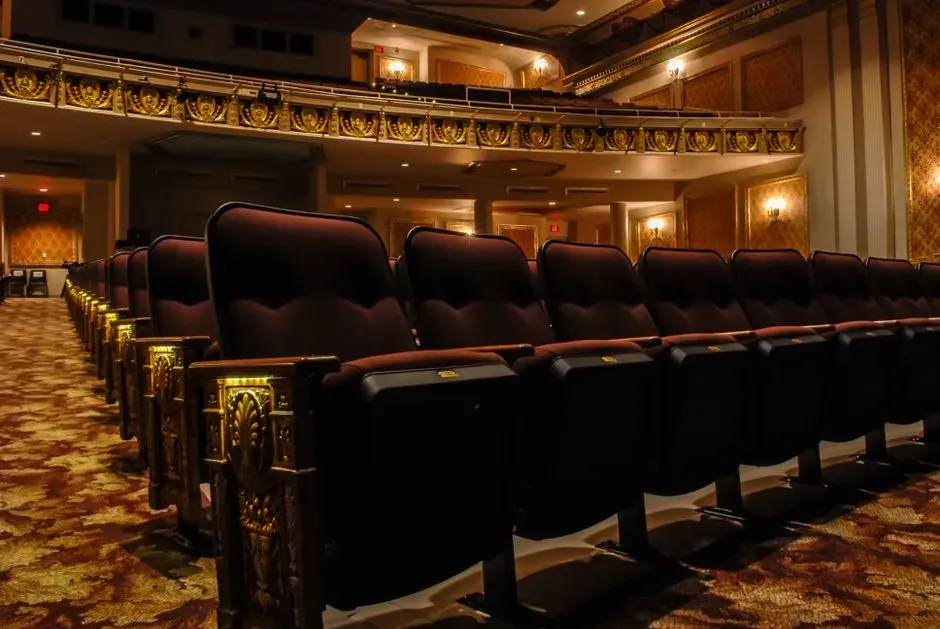
The Rivoli sits in a building that began as a dry goods store in the 1800s. It opened as a theater on January 11, 1936, with A Tale of Two Cities, and tickets cost a quarter.
It’s the only single screen theater left in Ozaukee County. Cedarburg is a pleasant town to wander before a show, so the detour doesn’t feel like a chore.
Zebulon Theater, Cairo, Georgia

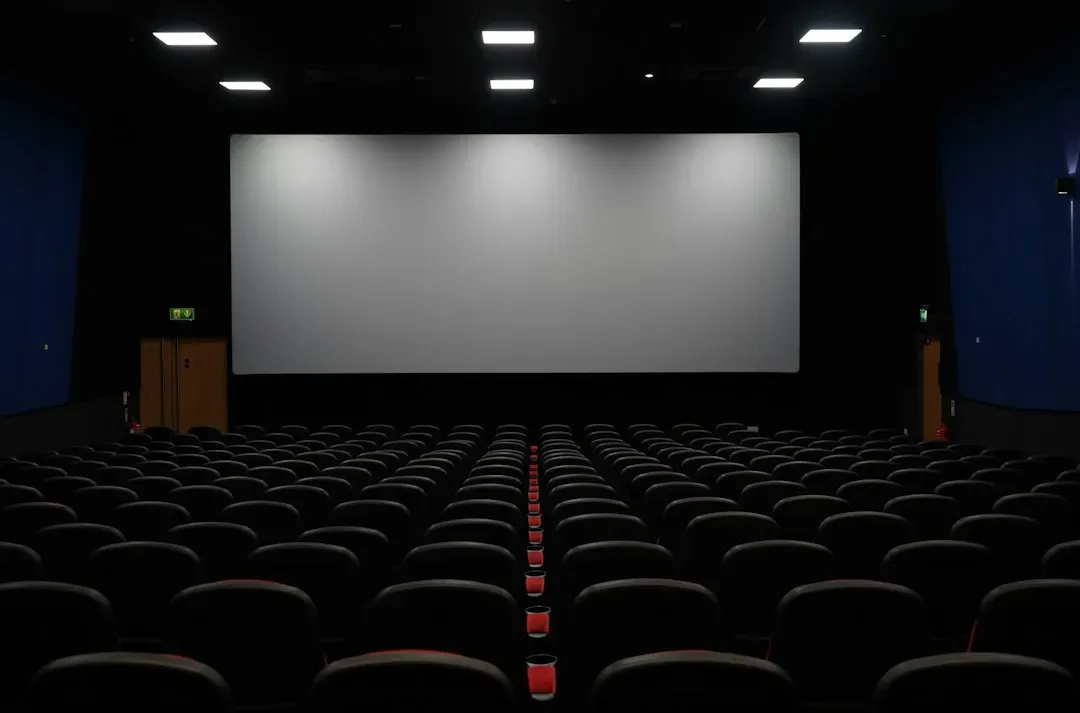
The Zebulon has entertained people in this small southern Georgia community since 1936. It seats about 350 people, though it held almost twice that many when it first opened.
Today it’s run by the nonprofit Regional Community Center. That arrangement is common among surviving small town cinemas, where community ownership often keeps the lights on.
Antioch Theatre, Antioch, Illinois

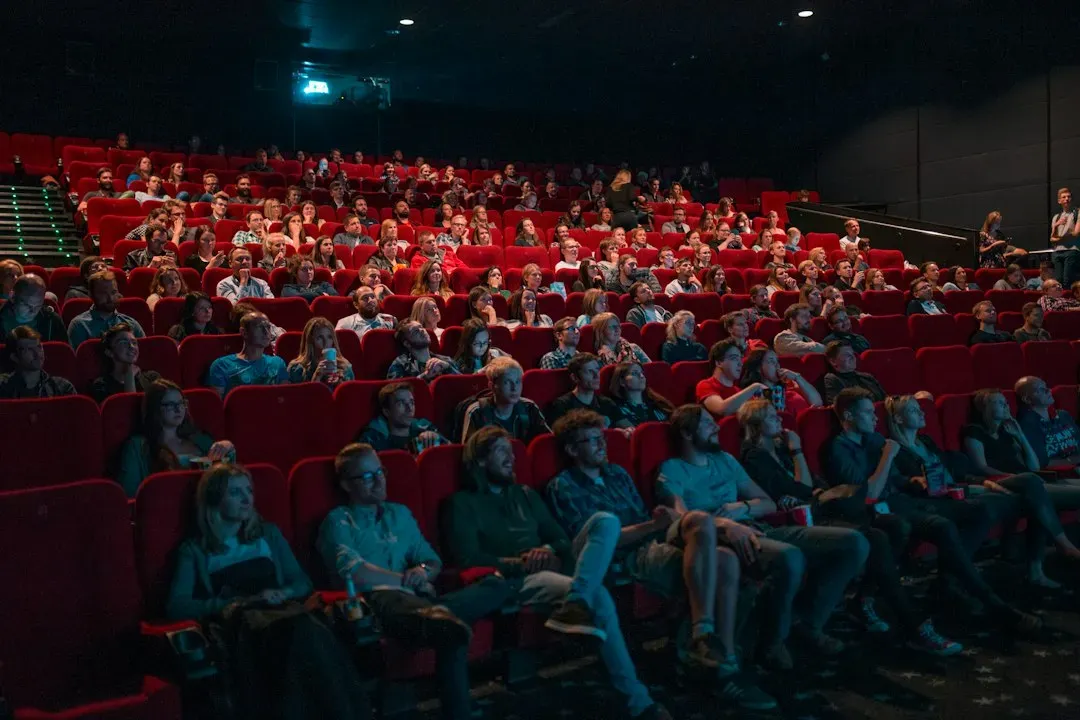
The building opened in 1919 as the Majestic Theater, a vaudeville house, and became a single screen movie theater five years later. It passed through a succession of owners until it closed in 2014.
A few determined locals and a successful Kickstarter campaign got it restored and reopened in 2015. It’s a tidy example of a town deciding it wasn’t ready to lose its theater.
Partner offer

Central Theatre, Ely, Nevada

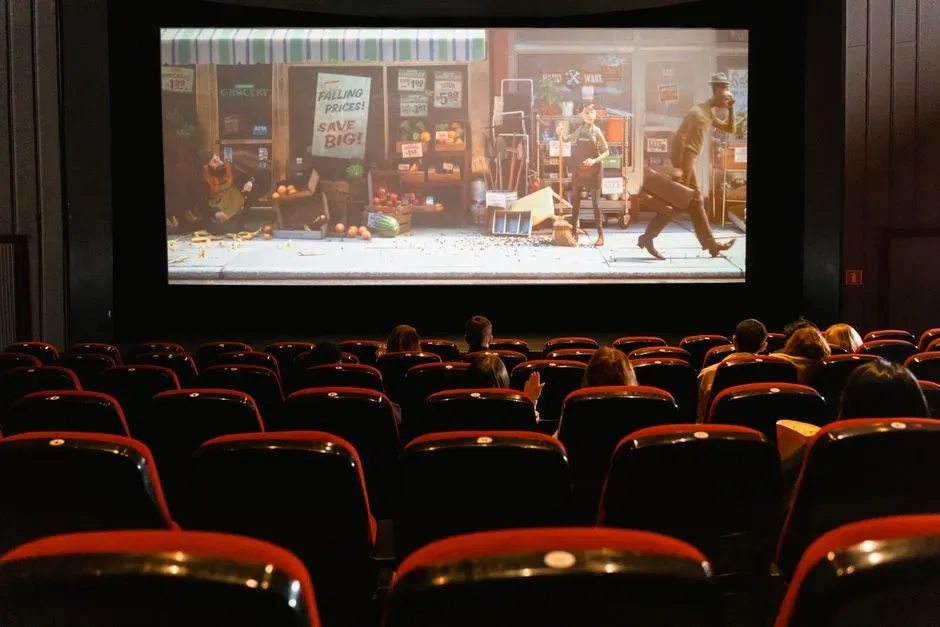
The Central opened in 1940 and has shown first run films ever since, apart from a brief closure in 2011. It reopened in 2012. By cinema standards it’s almost a youngster, though the interior hasn’t been modernized away.
The theater is now owned by a local couple, keeps much of its original interior detail, and seats just over 700 people. That’s a big room for a remote Nevada town, and it’s part of the appeal.
Historic Park Theatre, Estes Park, Colorado
The Park Theatre narrowly avoided demolition in 1982, and two years later it was placed on the National Register of Historic Places. That close call makes its survival feel a little more deliberate.
It shows first run movies on a single screen. Pairing a mountain day with an evening show here is an easy plan, since the town is a popular gateway to the Rocky Mountain area.
Washoe Theater, Anaconda, Montana

The Washoe was built in 1931 but didn’t officially open until 1936 because of the Great Depression. It joined the National Register in 1982, and one report says the Smithsonian ranked it fifth in the nation for architectural value.
It has stayed active as a movie theater, with some of its original curtains still in place. That source is a few years old, so check current showtimes before you drive out.
Gem Theatre, Kannapolis, North Carolina


The Gem first opened on December 31, 1936, but a fire destroyed it in 1942, and wartime shortages meant it wasn’t rebuilt until 1948. That’s a long wait for a town to go without its theater.
It hosts the annual North Carolina Music Hall of Fame induction ceremony and is described as one of the oldest single screen theaters still operating. Ticket prices have likely changed since that profile was written, so confirm them before you go.
Gem Theater, Pioche, Nevada
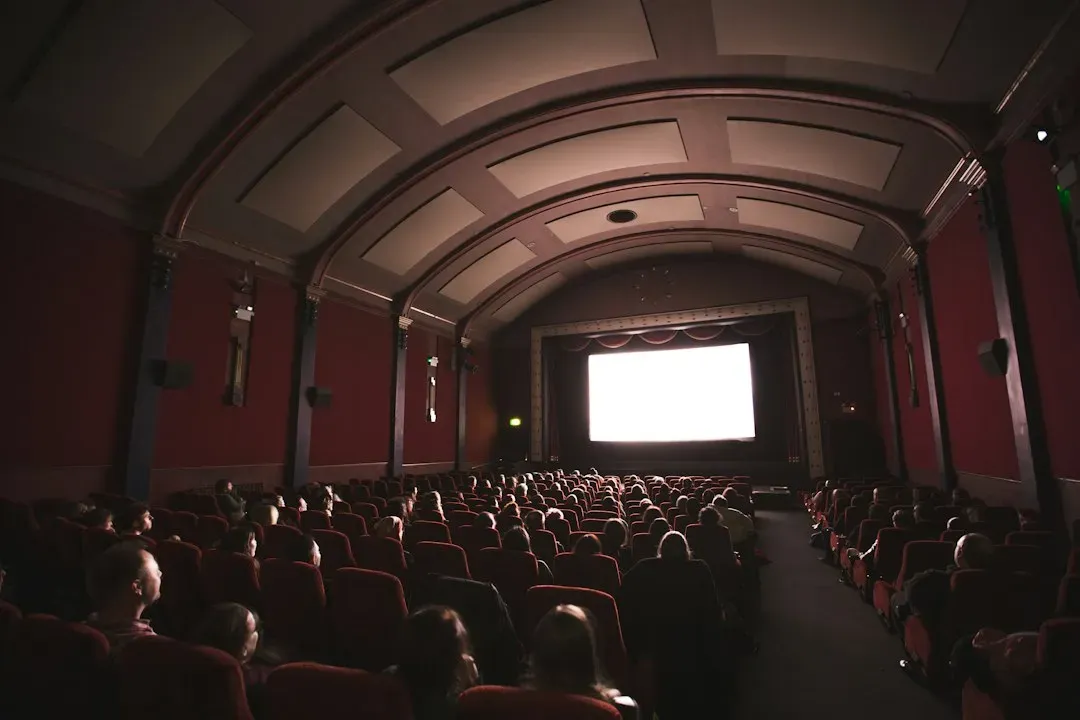
This one is for the patient traveler. The Gem was built in 1937 and added to the National Register of Historic Places in 2024. It screened movies for 65 years until a 2002 windstorm blew its roof off.
It isn’t open to the public yet, but the restored neon marquee on the Art Deco building is worth seeing from the street. The theater remains vacant during restoration, and its reopening is still pending.
Partner offer
Planning a trip to Vegas?
Compare hotel rates and show tickets on VEGAS.com.