There’s a strange phenomenon in pop music where a song becomes so deeply embedded in weddings, sports arenas, and karaoke nights that it practically loses its creator. Ask a room full of people to sing the chorus and everyone joins in without hesitation. Ask who actually recorded it, and the room goes quiet. These are the tracks that outgrew their own artists, turning into cultural furniture while the people behind them faded into trivia-night territory. What follows is a look at nine of those songs, the ones blasting from radios and playlists decades after release, paired with the names that rarely get remembered along with them.
1. Tubthumping by Chumbawamba


Nearly everyone can belt out the “I get knocked down, but I get up again” hook, yet the band behind it rarely comes to mind. “Tubthumping” is a song by British rock band Chumbawamba, released in August 1997, and it became their most successful single, peaking at number two on the UK Singles Chart and topping the charts of Australia, Canada, Ireland, Italy and New Zealand. In the United States, it reached number six on the Billboard Hot 100 and topped three other Billboard charts.
Part of the reason the band’s name never stuck is that Chumbawamba had been active since the early 1980s as an anarchist collective, not a mainstream act. The song became such an inescapable hit that it eclipsed the group’s entire identity, and they never returned to the charts with anything close to that scale.
2. 99 Luftballons by Nena


This one is a curious case because most American listeners know the German lyrics phonetically without ever learning the singer’s name. “99 Luftballons” is a song by the West German band Nena from their 1983 self-titled album. It’s a Cold War era protest song that unexpectedly crossed the Atlantic and became a smash hit despite being sung entirely in German.
In 1984, the original German version peaked at number two on the American Billboard Hot 100 chart, while the English-language version topped the UK Singles Chart. Nena, the band, is often mistaken for just the name of the singer, whose actual name is Gabriele Kerner. The song’s staying power on classic radio and in movies has kept it alive far longer than most one-hit wonders from that era.
3. Whoomp! (There It Is) by Tag Team


Few phrases from the early 1990s are as instantly recognizable, yet the group Tag Team rarely gets name-checked when the song plays at a stadium. The Atlanta-based hip-hop duo, made up of Steve Gibson and Cecil Glenn, released the track in 1993 and it became a massive crossover hit, blending bass-heavy production with a chant simple enough for any crowd to pick up immediately.
It has since become a staple at sporting events across the country, played after big plays regardless of the sport or the decade. The duo never matched that level of success again, which is a big reason the song has drifted so far from its source that many assume it’s simply a generic “sports anthem” rather than a specific group’s work.
4. Blue (Da Ba Dee) by Eiffel 65


The nonsensical, endlessly catchy chorus has made this one of the most parodied songs on the internet, especially in meme culture, yet the Italian trio behind it rarely gets mentioned in that conversation. Eiffel 65, formed in Turin, released the track in 1998 as part of the Eurodance wave that was sweeping European clubs at the time.
The song became a global hit and later found a strange second life online decades after its release, introducing it to generations who weren’t even born when it first charted. Because the group never became a household name outside of that single track, the song has essentially become an internet artifact detached from its actual creators.
5. Who Let the Dogs Out by Baha Men


This is one of the more unusual entries because the song has a documented history of bouncing between artists before it became a global sports anthem. The song was written by Trinidadian musician Anslem Douglas and originally titled “Doggie” before it was covered by producer Jonathan King under the name Fat Jakk and his Pack of Pets. The Bahamian group Baha Men then recorded the version most people know, and it exploded in popularity.
Baha Men, a Bahamian junkanoo band formed in New Providence, Bahamas, in 1977, earned a Grammy Award in 2001 for Best Dance Recording for the track. Despite the Grammy win and the song’s ubiquity at ballgames and family gatherings, most people couldn’t name the band if asked directly, and even fewer know about Anslem Douglas’s original version.
6. Cotton Eye Joe by Rednex


This one occupies a strange corner of music history because it blends a traditional American folk tune with 1990s Eurodance production, courtesy of a Swedish group. Rednex took the old folk song, which has roots stretching back to before the Civil War era in American folk tradition, and turned it into a techno stomp that became inescapable at weddings and sporting events throughout the 1990s.
Because the source material felt so distinctly American in its fiddle-driven melody, many listeners assume the hit version came from a country act rather than a Swedish dance group. The mismatch between the song’s apparent origin and its actual creators is part of what makes it such a persistent trivia stumper.
7. Come On Eileen by Dexys Midnight Runners


The song’s fiddle-driven energy and singalong chorus have made it a permanent fixture of 1980s nostalgia playlists, but the band’s full name rarely survives in casual conversation. Dexys Midnight Runners, formed in Birmingham, England, released the track in 1982, and it became a transatlantic hit that topped charts in both the UK and the United States.
Most people shorten the band’s name to just “Dexys” if they remember it at all, and plenty of casual listeners simply draw a blank when asked who performs the song. The band’s other material never crossed over to the same degree, leaving this single track to represent their entire legacy in the popular imagination.
8. Somebody’s Watching Me by Rockwell

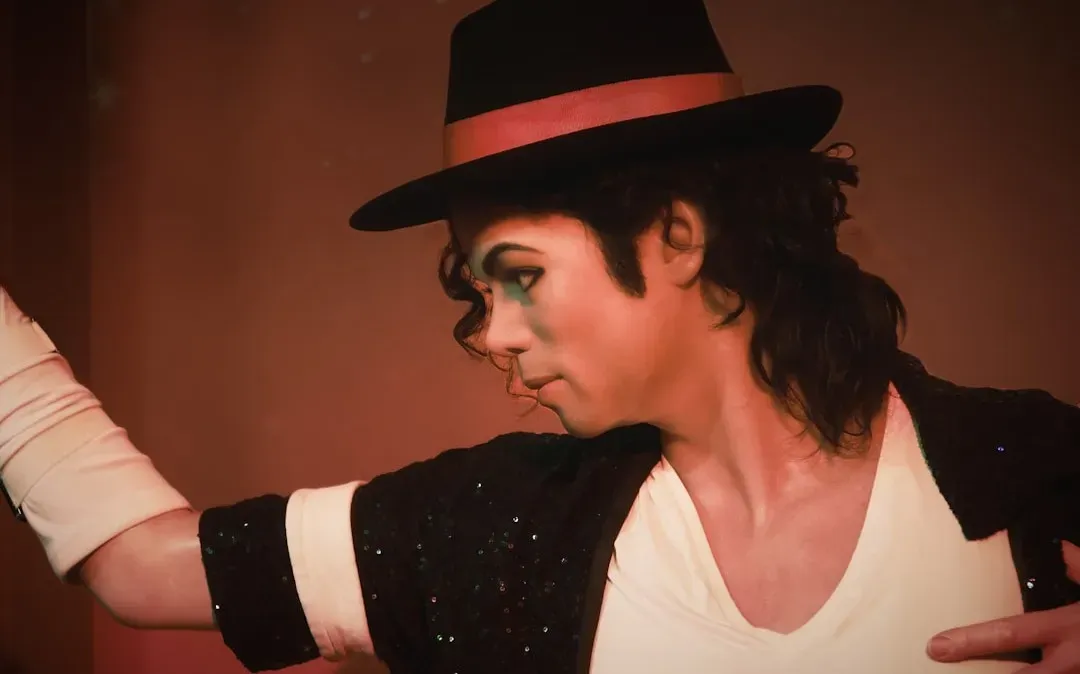
This one carries a twist that most people never learn: the eerie, paranoid hit actually features Michael Jackson on the chorus. “Somebody’s Watching Me” was recorded and written by American singer Rockwell, released by Motown in December 1983, and it features uncredited guest vocals by Michael Jackson along with additional backing vocals by Jermaine Jackson. Rockwell’s real name is Kennedy Gordy, and he happens to be the son of Motown founder Berry Gordy.
The song became a major commercial success internationally, topping the charts in Belgium, France, and Spain, and reaching the top five in Canada, West Germany, the Netherlands, New Zealand, South Africa, Sweden, Switzerland, and the United States. Despite that reach, the Jackson connection tends to overshadow Rockwell himself, and the song has since become a Halloween radio staple where the artist’s name rarely gets a mention.
9. 867-5309/Jenny by Tommy Tutone


The phone number in the title has become so culturally famous on its own that people still prank-call it decades later, yet the artist behind it remains a mystery to most. Tommy Tutone, a rock band led by singer Tommy Heath, released the track in 1981, and it became one of the defining novelty-adjacent hits of the early MTV era.
The song’s staying power owes a lot to that unforgettable number, which turned into a pop culture reference independent of the band that wrote it. Many assume “Tommy Tutone” is the name of a solo singer rather than a full band, adding another layer of confusion to a group that never had another major hit to reinforce its identity.
These songs share a common thread beyond their earworm choruses. Each one became so tightly woven into everyday life, sports arenas, wedding receptions, movie soundtracks, and internet memes, that the artist behind it got quietly detached from the work itself. It’s a reminder that cultural staying power and artist recognition don’t always travel together, and sometimes a song can become bigger than the band that made it.