Recording studios have a reputation for precision. Engineers chase clean signals, producers obsess over levels, and every knob turn is supposed to serve a plan. Yet some of the most recognizable sounds in popular music got there by accident, through broken gear, wrong turns, or someone simply losing patience at the wrong moment. What follows is a look at nine of those moments, each one a small studio failure that musicians decided to keep rather than fix.
Rocket 88 and the amp that started rock distortion

In March 1951, guitarist Willie Kizart was traveling with Ike Turner’s band toward Sam Phillips’ Memphis studio when his amplifier fell from the vehicle and damaged the speaker cone. Sam Phillips said he stuffed the amp’s broken speaker cone with brown wrapping paper in the studio, and many historians opine that the distorted buzz in the guitar sound qualified it as the first example of rock and roll. There was no backup amp and no time to find one, so the band recorded with the damaged rig anyway.
Phillips could have scrapped the take and waited for repairs. Instead he listened to the distorted sound coming from Kizart’s guitar and made a decision that would shape the next seven decades of popular music: he liked it, and he kept it. That single choice, born entirely out of a roadside accident, is often cited as the first recorded instance of fuzz guitar in popular music.
The Kinks and the razor blade that invented a riff
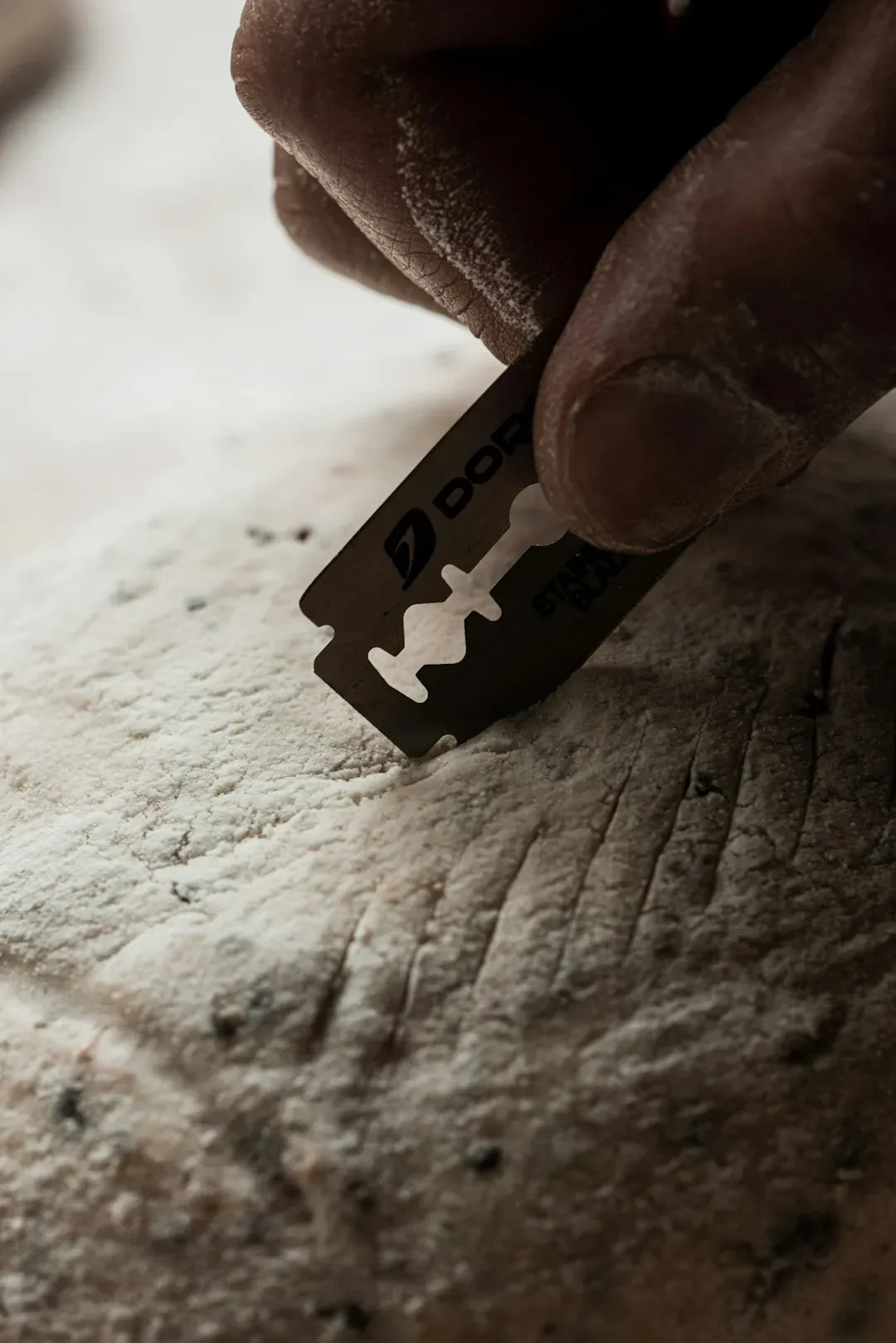
Dave Davies was not trying to revolutionize guitar tone in 1964. According to his own account, he was very depressed and fooling around with a razor blade, and rather than slash his wrists, he decided to attack the speaker cone of his small green Elpico amp. He has also said in interviews that he sliced the cone almost all the way around and was surprised the amp still worked.
The resulting raspy, torn sound became the guitar tone on “You Really Got Me,” a song widely credited with pushing distortion into the mainstream. The 1964 track is credited with having inspired the distortion effects that led to the development of hard rock and metal music. A frustrated teenager with a blade did more for guitar tone that afternoon than most session engineers manage in a career.
The Beatles and the feedback nobody meant to record
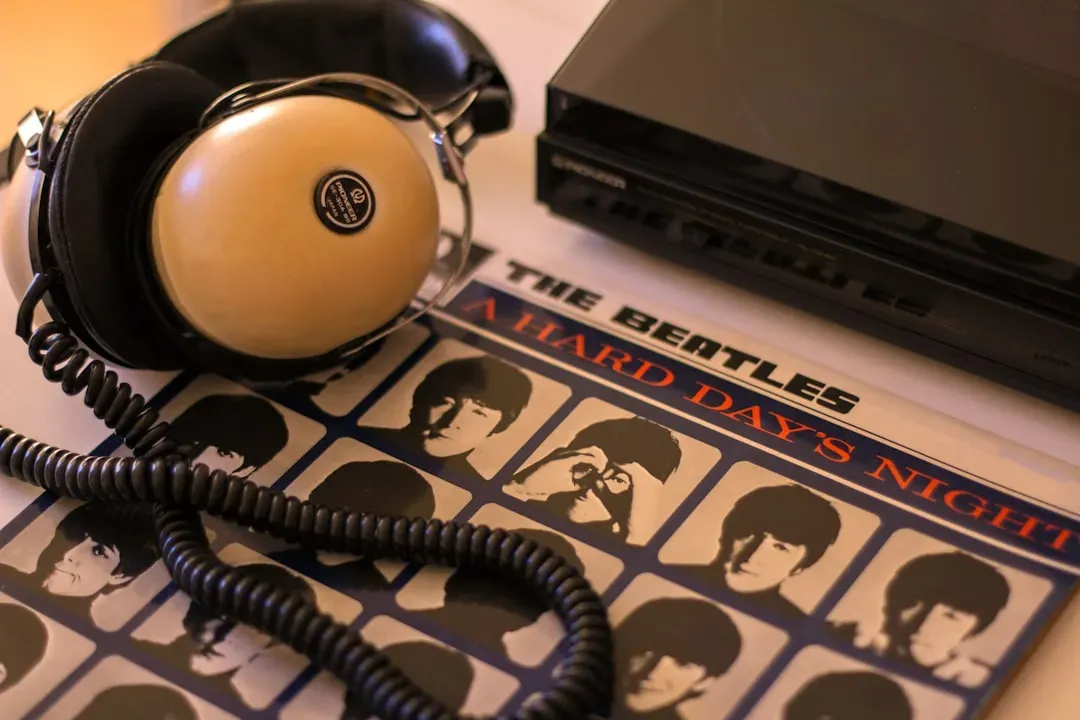
By late 1964, John Lennon had a habit of leaning his guitar against an amplifier between takes. During sessions for what became “I Feel Fine,” one of those idle moments produced a low, sustained howl of feedback as the guitar’s pickup and the amp fed off each other. Rather than edit it out, producer George Martin and the band kept the sound and used it as the song’s opening note.
It is widely regarded among Beatles historians as one of the earliest deliberate uses of guitar feedback on a commercial pop single, even though its origin was completely unplanned. The band leaned into the accident rather than away from it, turning a technical nuisance into a hook that announced the song before a single lyric was sung. Few openings from that era are as instantly identifiable.
Strawberry Fields Forever and the splice that shouldn’t have worked
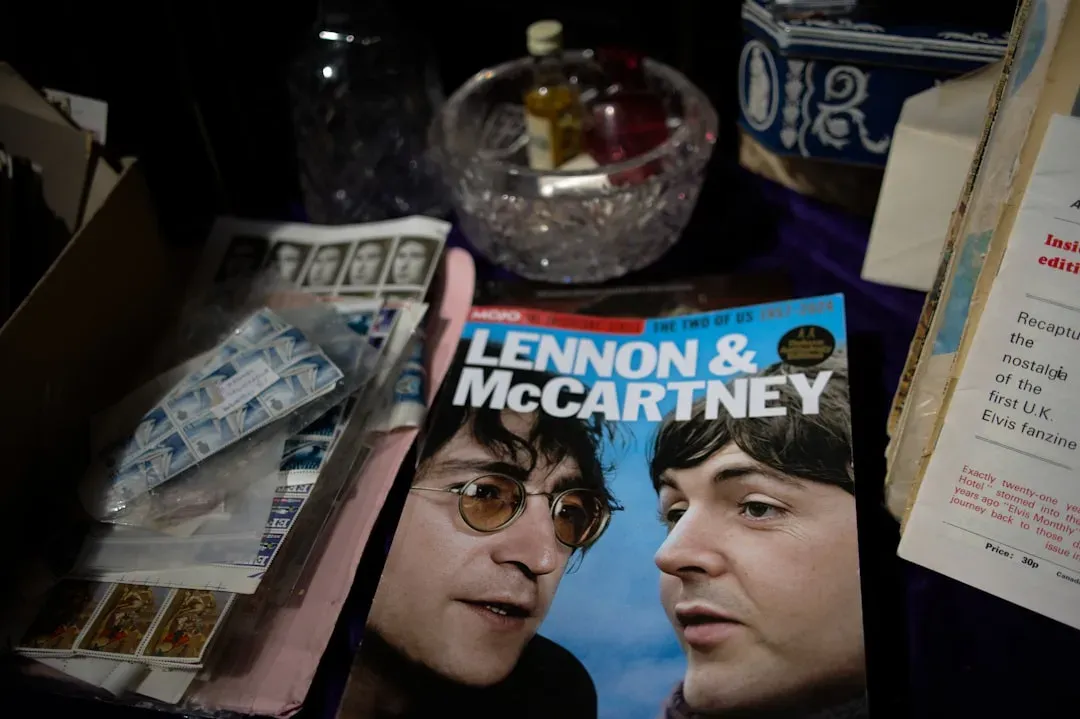
John Lennon recorded two very different versions of “Strawberry Fields Forever” months apart, one slower and gentler, the other faster and more heavily orchestrated. He liked elements of both and asked George Martin to combine them, seemingly unaware that they were in different keys and different tempos.
Martin and engineer Geoff Emerick solved the problem by speeding up one tape and slowing down the other until the pitches matched closely enough to splice the two recordings together partway through the song. The edit point, roughly a minute in, is still audible if you listen closely, yet it never derailed the song’s reputation as one of the era’s most inventive productions. What began as an engineering headache became a small piece of studio folklore.
Led Zeppelin and the drum sound born in a stairwell
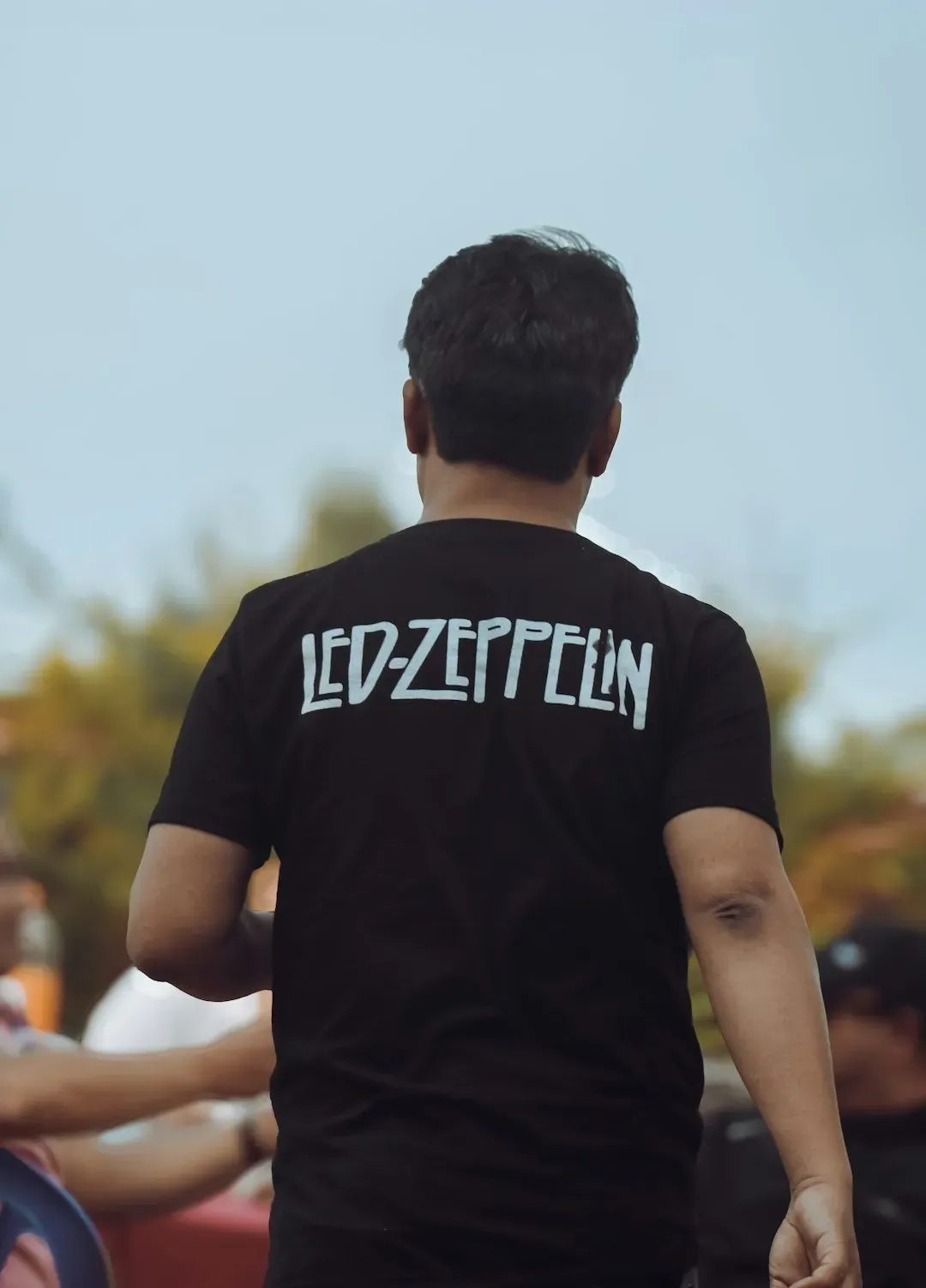
During sessions for the fourth album at Headley Grange in 1971, engineer Andy Johns wanted a bigger, more ambient drum sound than the house was giving him in a standard room setup. He and John Bonham eventually moved the kit to the base of the building’s stairwell and hung a pair of microphones several floors up, far from the drums themselves.
The distance and the stone stairwell added a natural, cavernous reverb that no studio effect at the time could replicate convincingly. That drum sound became the foundation of “When the Levee Breaks,” and it has since been sampled and studied by generations of producers trying to recreate its weight. It started as an improvised workaround for a room that simply was not cooperating.
Bohemian Rhapsody and the tape that wore paper thin
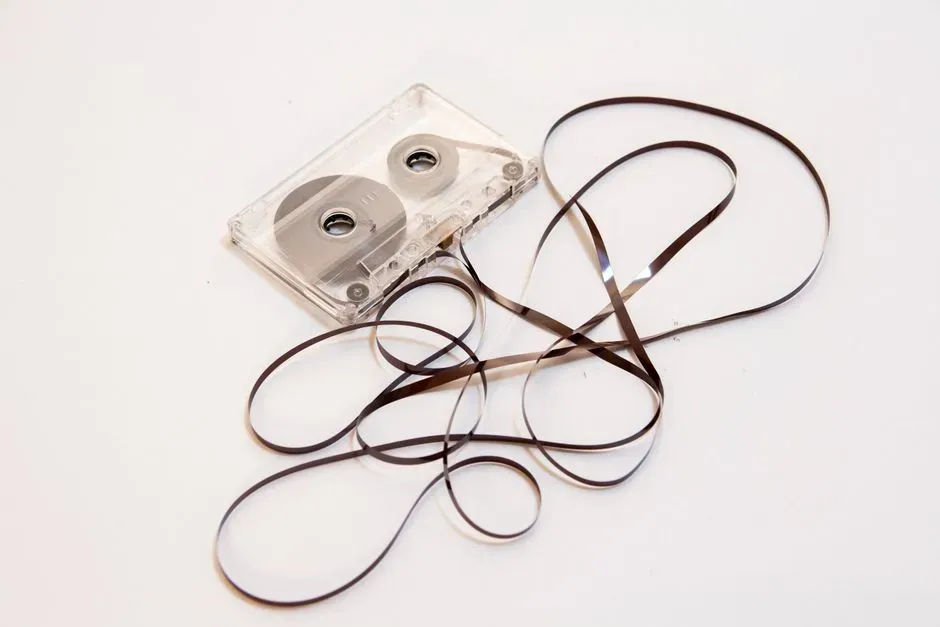
Queen’s ambition for the operatic middle section of “Bohemian Rhapsody” pushed their recording equipment past its practical limits. The harmonies on the opera section required 180 separate overdubs, and eventually the tape had been run over the recording heads so many times that it became almost transparent. Bandmembers reportedly noticed the problem only when they held the reel up to a light.
Brian May later described holding the tape up to the light one day, wondering where all the top end was going, and discovering virtually a transparent piece of tape with the oxide rubbed off, meaning it was time to hurriedly make a copy. On top of that, producer Roy Thomas Baker noted that repeated bouncing added a distortion to the drum tracks that became part of the song’s signature texture. What started as a technical crisis nearly cost the band a section of their most famous recording, yet it also left a subtle sonic fingerprint that fans still associate with the track.
David Bowie’s Heroes and a vocal booth that got too small

When David Bowie recorded the title track for “Heroes” in Berlin, producer Tony Visconti ran into a practical limitation rather than a broken piece of gear. He wanted a vocal that grew in intensity and ambience as the song built, but he only had one usable vocal track to work with. Visconti set up three microphones at varying distances from the singer in Hansa’s cavernous main room, one about nine inches from Bowie’s mouth, one roughly twenty feet away, and one some fifty feet distant, with each successive microphone fitted with an electronic gate that only opened past a certain volume threshold.
The setup meant Bowie had to physically raise his voice to trigger the farther microphones, so the encroaching room ambience tracked his own rising emotion in real time. Adjusting these gates, Visconti was able to capture Bowie’s vocals with a dynamic and ever-evolving reverb. It was a workaround for a limited setup, not a grand artistic statement going in, yet it produced one of the most studied vocal performances in rock history.
Talking Heads and the jam that became a song

“Once in a Lifetime” did not start as a written song at all. During sessions with producer Brian Eno for the “Remain in Light” album, the band recorded lengthy improvised jams, and Eno and David Byrne later combed through the tape looking for usable fragments rather than full takes.
They found a short rhythmic loop buried in one of the jams and built the entire arrangement around repeating it, layering David Byrne’s spoken, sermon-like vocal on top afterward. The technique, essentially treating a studio mistake in structure, an unfinished jam with no real song shape, as raw material for looping, was unusual for a rock band at the time. It gave the track its hypnotic, almost programmed feel years before sampling and looping became standard studio practice.
Radiohead’s Creep and the guitar part meant to ruin it
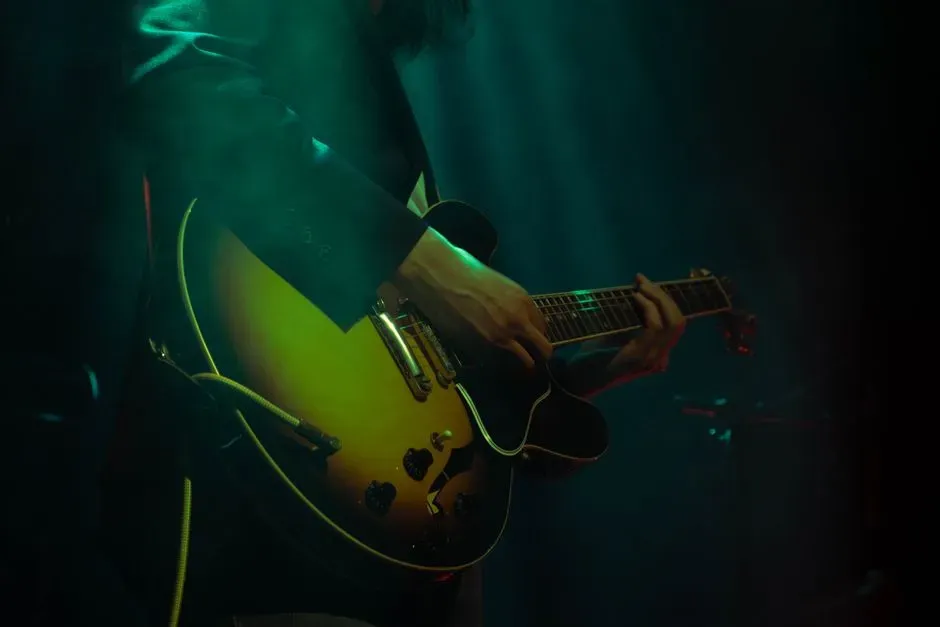
Jonny Greenwood did not care for “Creep” when Radiohead first ran through it in the studio. Jonny Greenwood’s aggressive guitar stabs in “Creep” were intended to ruin the song, and although they came about spontaneously, the band had no idea the tape was rolling when he was just messing around. By his own account, quoted decades later, the nauseating adolescent in him found the song a bit wimpy and wanted to make it the opposite, reasoning that a distortion pedal and a loud guitar were enormously exciting.
Rather than smoothing the moment out, the band kept the jarring, distorted bursts right where they landed, just before each chorus. Bandmate Ed O’Brien later described it plainly as the sound of Jonny trying to wreck the song because he did not like it the first time they played it. Instead of sabotage, the guitar stabs became the single most recognizable hook in the entire track, the jolt that turns a quiet confession into something much heavier.
Each of these stories shares a similar shape. A piece of equipment failed, a plan fell apart, or someone acted out of frustration rather than design, and the people in the room chose to keep the result instead of chasing the original intention. None of it was engineered on purpose, which may be exactly why so much of it still sounds alive decades later.