Old Hollywood runs on stories, and many of them have been retold so often that they feel like settled history. Studio publicists, gossip columnists and the stars themselves all helped shape the legends.
Film historians have spent decades checking those tales against contemporary records, patents, ratings surveys and the movies themselves. Here are nine popular beliefs that don’t hold up as neatly as the myth suggests.
A Munchkin Actor Hanged Himself on The Wizard of Oz Set
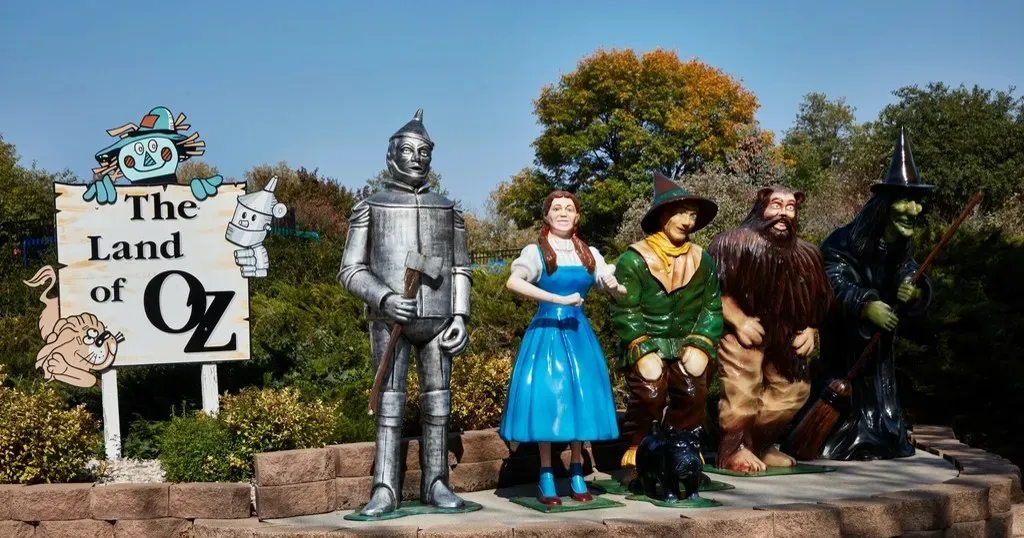
This rumor claims that a figure visible in the background of a forest scene in the 1939 film is a performer who died by suicide on camera. The shape appears behind Dorothy and her friends as they skip down the yellow brick road. Fact checkers and film historians have long rejected the story.
The movement in the trees is generally explained as a large bird, such as a crane or an emu, from the studio’s collection of exotic animals. No death certificate, studio record or crew account supports the claim. Later high definition restorations also make the shape easy to read as a bird with its wings shifting.
Lana Turner Was Discovered at Schwab’s Pharmacy
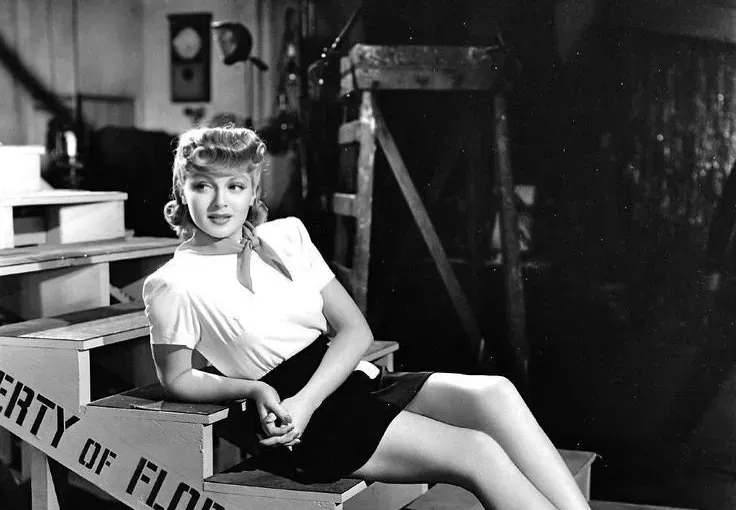
The image of a teenage Lana Turner perched at a soda fountain in Hollywood is one of the best known origin stories in show business. It became so famous that people still associate the drugstore with star making. Turner herself later described a different place.
By her account, and by most biographical accounts, she was spotted in 1936 at the Top Hat Cafe, across from her high school. The man who noticed her was William R. Wilkerson, publisher of The Hollywood Reporter. He pointed her toward an agent, and she soon landed a screen test and her first film role.
Marilyn Monroe Was a Size Sixteen
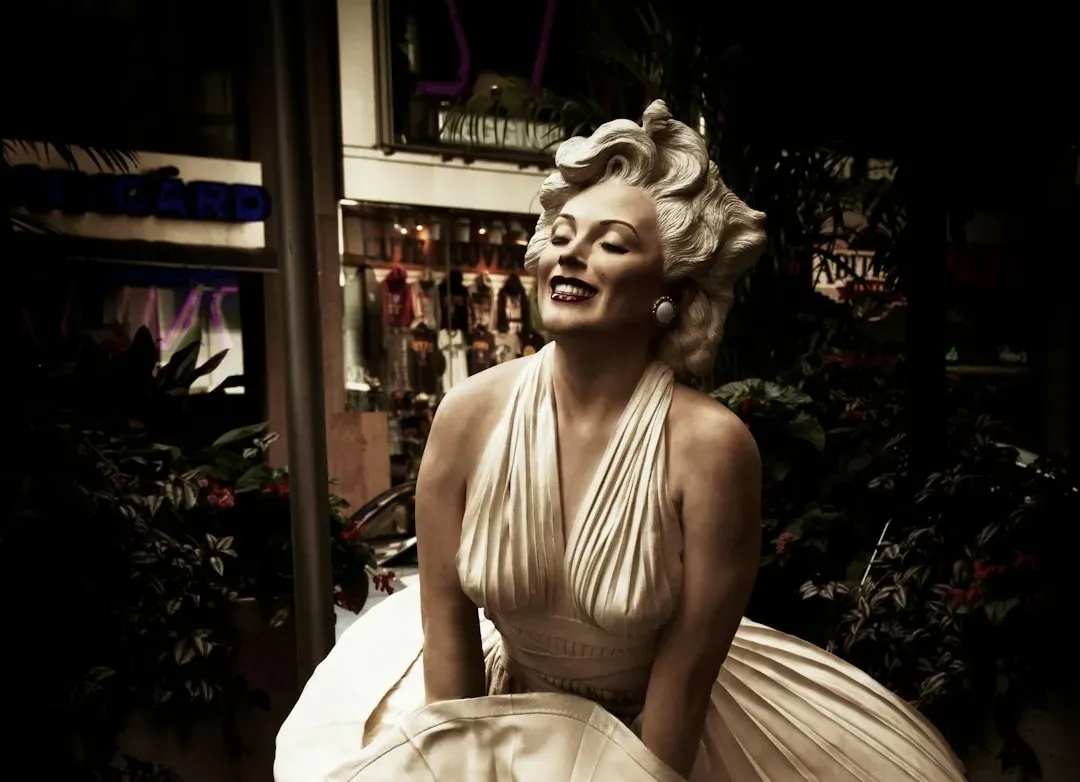
It’s often repeated that Monroe wore a size sixteen, which is then used to argue that Hollywood’s ideal body was once far larger than today’s. The problem is that clothing sizes aren’t a fixed unit. Sizing systems in the 1950s ran differently from modern ones, and labels from that era tend to run much larger than the same numbers now.
Costume records and surviving garments have been examined by museums and auction houses, and they describe a woman with a notably small waist. Her weight and shape did fluctuate during her career, and studio wardrobe staff altered her clothes constantly. Even so, the claim that she was plus size by modern standards is not backed by the garments themselves.
Humphrey Bogart Said Play It Again, Sam in Casablanca
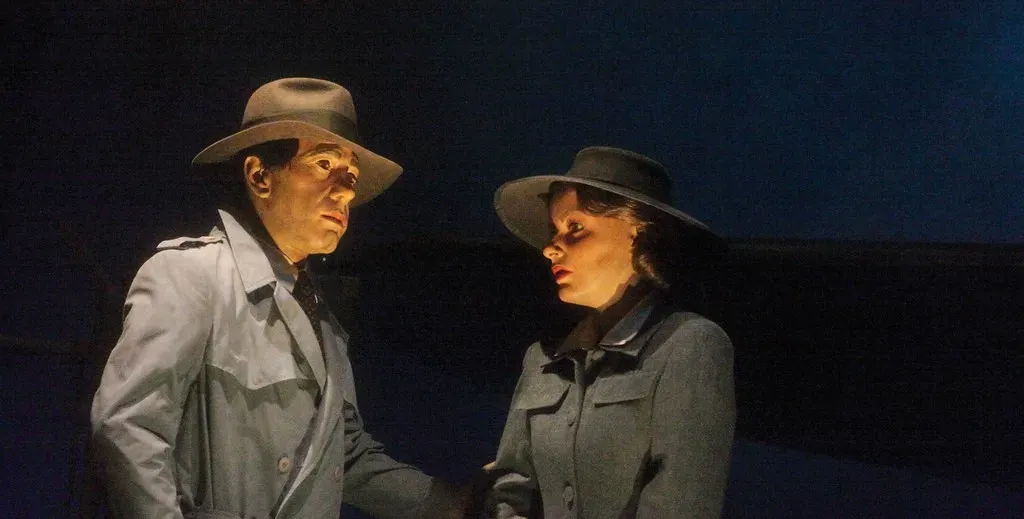
The line is probably the most misquoted piece of dialogue in American cinema. In the 1942 film, Ilsa asks the pianist Sam to play the song that reminds her of the past. Later, Rick tells Sam to play it, with no mention of repeating anything.
Nobody in the film delivers the exact famous phrase. Its popularity owes a great deal to later parodies, including the 1972 Woody Allen film that borrowed it as a title. The misquotation has since become so familiar that many viewers swear they remember hearing it on screen.
Walt Disney’s Body Was Frozen After His Death
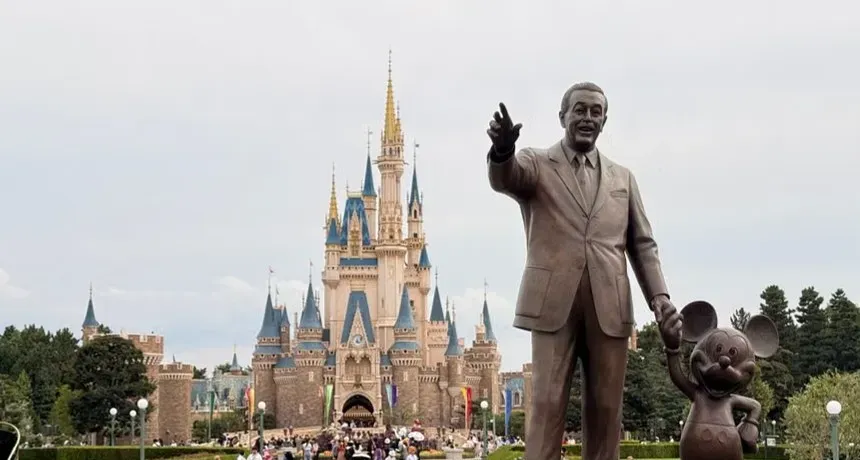
The rumor that Disney was cryogenically preserved, waiting for a future cure, has circulated since the 1960s. It’s an appealing tale for a man so associated with imagination and technology. The documented facts say otherwise.
Disney died on December 15, 1966, and was cremated. His ashes are interred at Forest Lawn Memorial Park in Glendale, California. The first human cryopreservation took place in January 1967, when James Bedford was frozen, which may help explain how the two stories became tangled in public memory.
Greta Garbo Famously Declared That She Wanted to Be Alone
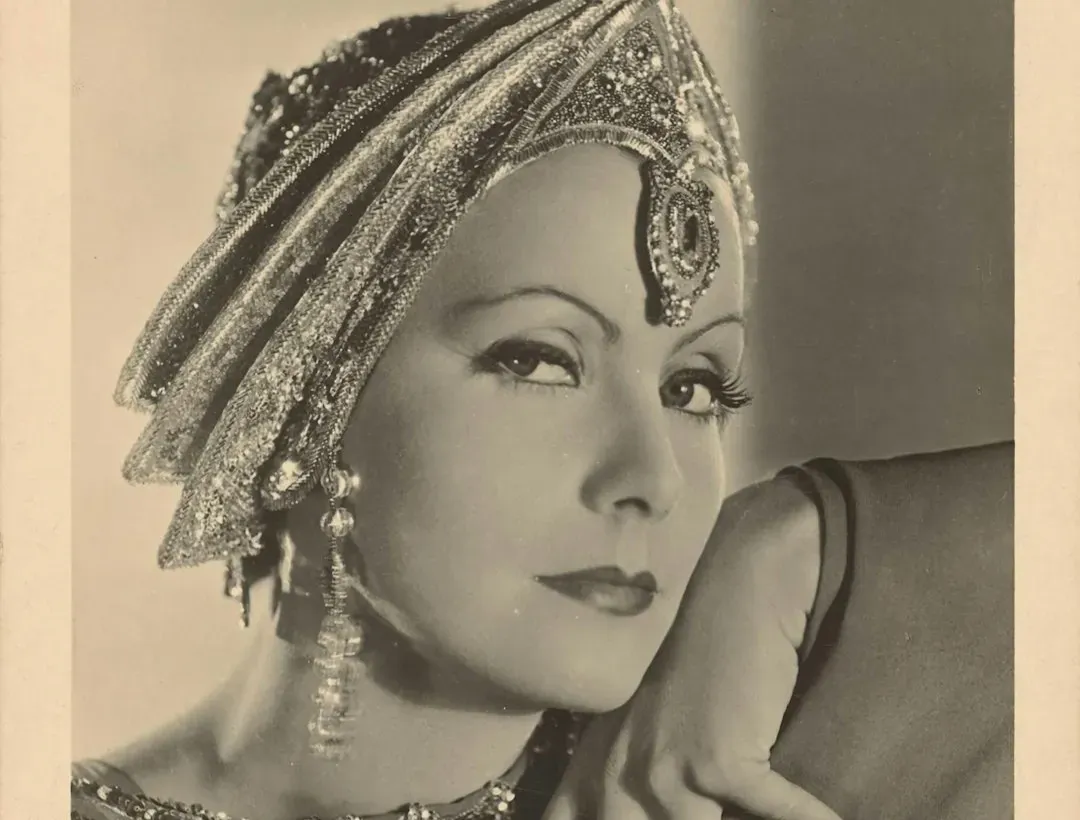
Garbo’s name is forever linked with a line about solitude, and it is often treated as a statement about her real life. The words were spoken by her character, a weary ballerina, in the 1932 film Grand Hotel. They were written for the script, not delivered as a personal announcement.
Garbo is reported to have said later that what she wanted was to be let alone, a subtle difference of meaning. She retired from films in 1941 and lived privately for decades. The movie line and her actual wish to avoid publicity merged in the popular mind, though they began as separate things.
Orson Welles Caused Nationwide Panic With War of the Worlds
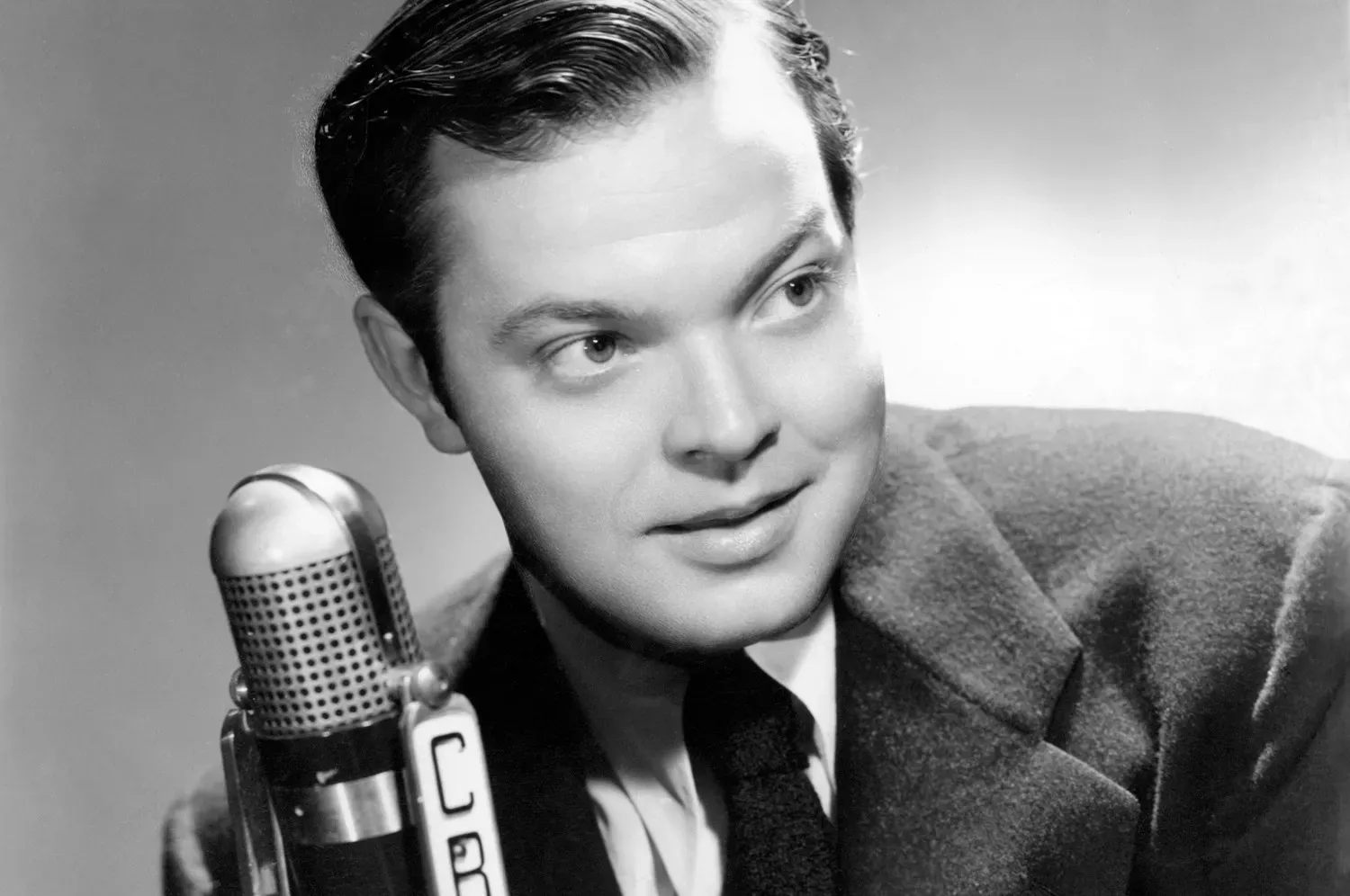
After the October 1938 radio broadcast, newspapers described terrified crowds fleeing their homes. That narrative has been repeated in textbooks and documentaries for generations. Media historians, including Jefferson Pooley and Michael Socolow, have argued it was greatly exaggerated.
A ratings survey conducted around the time of the broadcast suggested only a very small share of the radio audience was tuned in. Many listeners were reportedly following a popular rival program on another station. Newspapers, which saw radio as an economic competitor, had a clear motive to play up the supposed hysteria, and the strongest evidence for widespread panic is thin.
Charlie Chaplin Lost a Charlie Chaplin Lookalike Contest
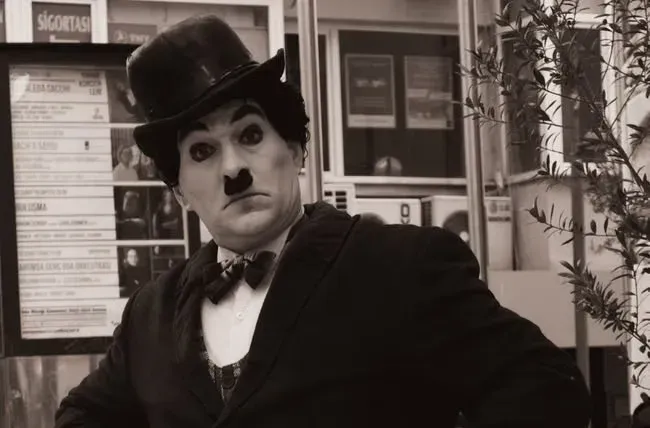
The anecdote says Chaplin once entered a contest for imitators of his own Tramp character and placed far from first. It has appeared in countless articles and trivia lists, usually presented as a charming fact. Historians who go looking for a source tend to come back empty handed.
No contemporary newspaper report or firsthand record has been widely cited to confirm the contest took place, and accounts differ on the city, the date and the placement. That doesn’t prove it never happened, only that it can’t be verified. Until a documented source turns up, it’s best treated as a legend that grew in the retelling.
Hedy Lamarr Invented WiFi
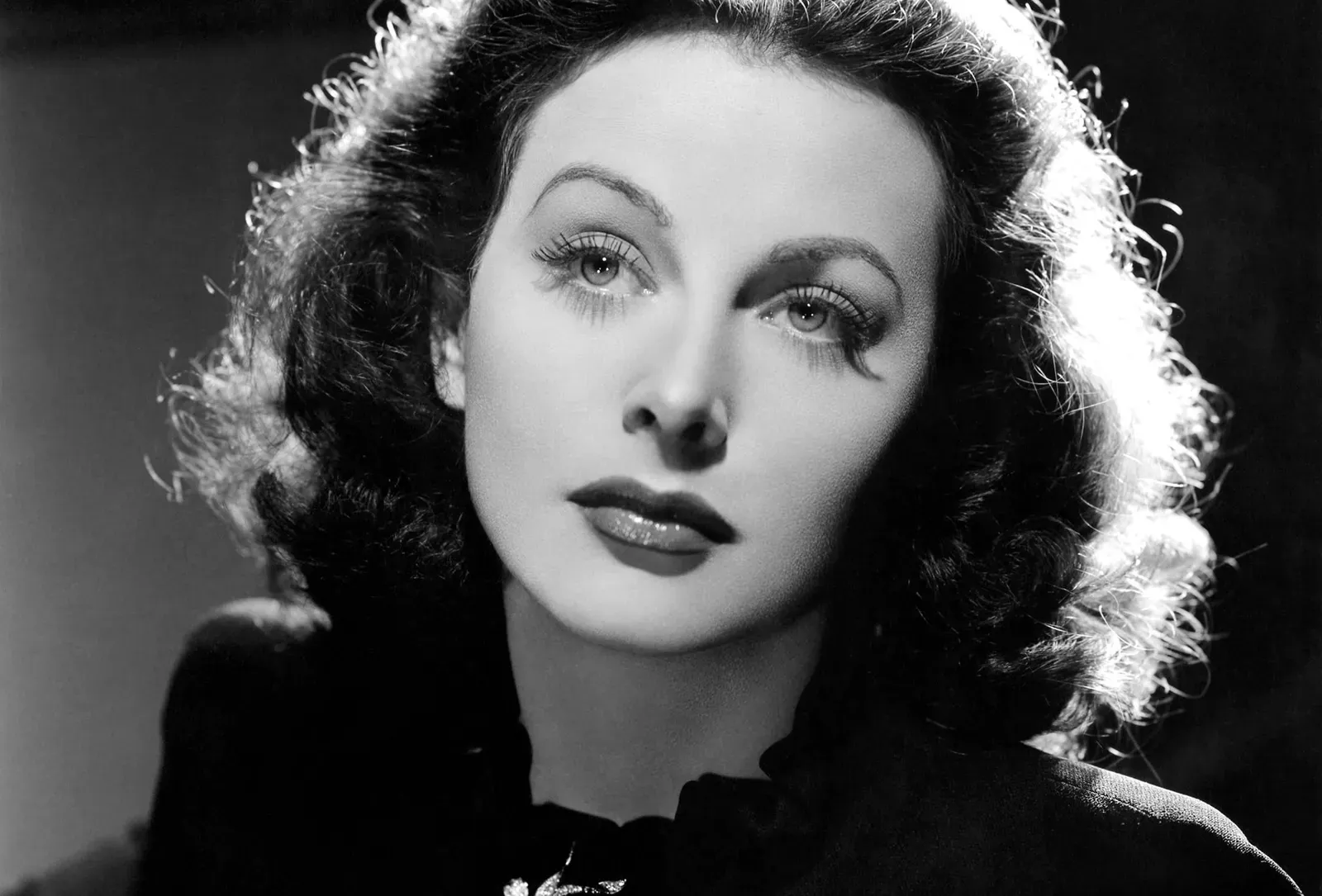
Lamarr was a genuine inventor, and the story is more interesting than the myth. In 1942 she and the composer George Antheil received a patent for a secret communication system that switched frequencies to prevent jamming of radio controlled torpedoes. The US Navy did not adopt it at the time.
Frequency hopping and related spread spectrum ideas did later influence wireless technology, and she received late recognition for her work. However, saying she invented WiFi overstates the case, since modern wireless networks depend on many other developments and engineers. A more accurate summary is that she contributed an early concept in a field with a long line of contributors.