Walk through any toy aisle today and you’ll spot a few familiar names from forty years ago. Plenty of others vanished, though, and some of them were enormous hits while they lasted.
The reasons vary. Some products ran into safety concerns, some were tied to a TV show that ended, and a few were simply overtaken by the market. Here are nine toys from the decade that were eventually pulled from shelves.
Teddy Ruxpin

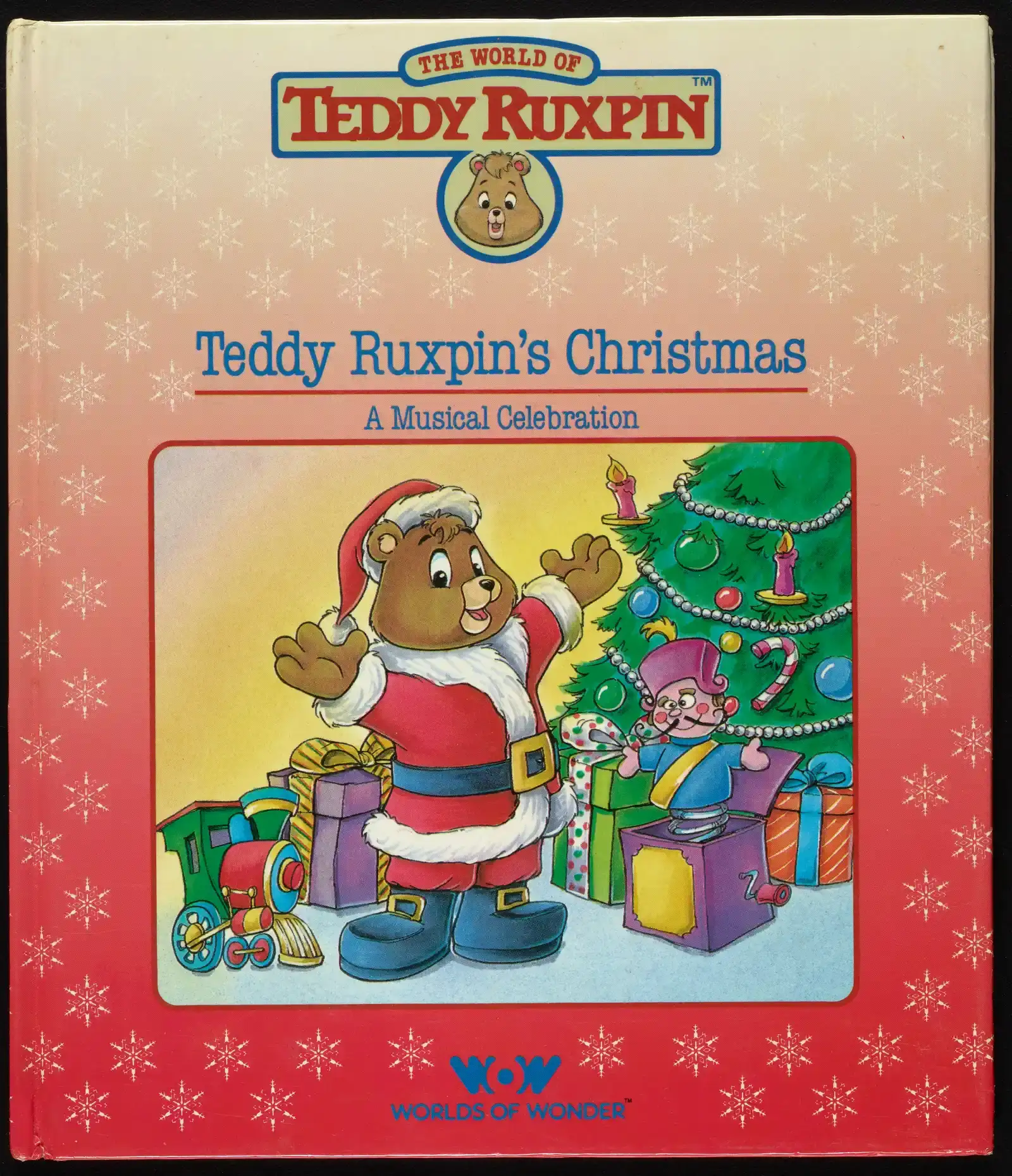
Teddy Ruxpin arrived in 1985 from Worlds of Wonder. The bear played stories from a cassette tape hidden in his back, and his eyes and mouth moved in sync with the audio. It felt like science fiction for a stuffed animal.
The original run didn’t last. Worlds of Wonder went bankrupt before the decade closed, and the first wave of bears disappeared from stores. Other companies have since brought the character back in updated forms, but the 1980s version is long gone.
Lazer Tag

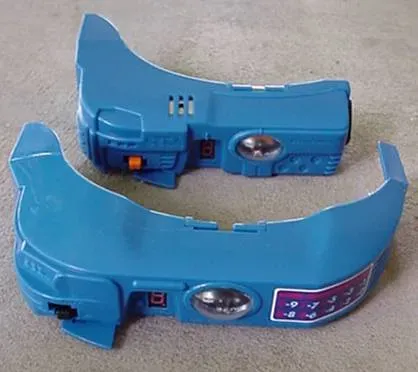
Worlds of Wonder also launched Lazer Tag in 1986. Players carried infrared guns and wore sensors, and they could tag each other without anything physical leaving the barrel. For kids used to cap guns and water pistols, it was a big leap.
The original line faded as the company collapsed. Hasbro later revived the brand with new versions, so the name survived even though the first generation of equipment didn’t.
Lawn Darts

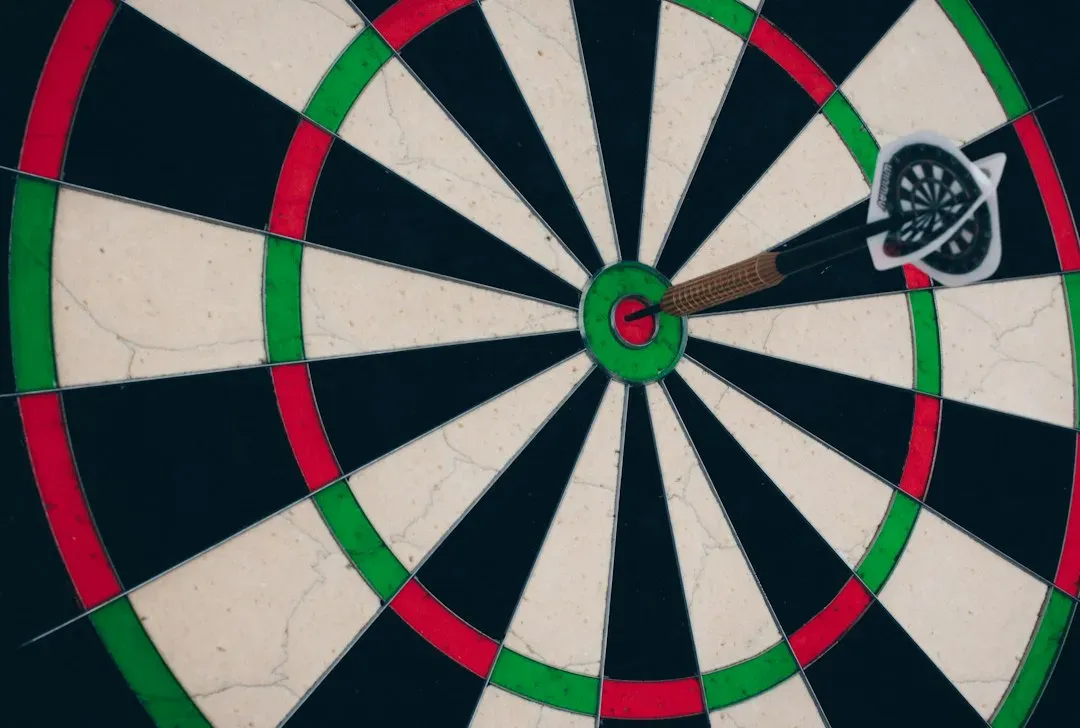
Lawn darts were a backyard staple, with weighted metal tips and plastic fins that you tossed at a ground target. They were also dangerous. The U.S. Consumer Product Safety Commission banned their sale in 1988 after injuries and deaths, mostly involving children.
Canada followed with its own ban in 1989. Softer versions with blunt tips are sold today, but the classic pointed set is illegal to sell new in the United States.
Captain Power and the Soldiers of the Future

Mattel released the Captain Power toy line in 1987 alongside a live action TV series. The toys could respond to signals sent from the show, so kids could shoot at the screen and the action would react. It was an early attempt at blending television and play.
The series ran only a single season, and the toy line ended with it. Fans still remember it fondly, but it never returned to store shelves as a mainstream product.
Partner offer

Masters of the Universe (Original Line)

Mattel introduced Masters of the Universe in 1982, and He-Man and Skeletor became fixtures of 1980s bedrooms. The line sold strongly for years and spawned a cartoon. A live action film followed in 1987.
The movie underperformed, and the original toy line wound down in the United States around 1988. Mattel has relaunched the franchise several times since, though the first run counts as discontinued.
ColecoVision

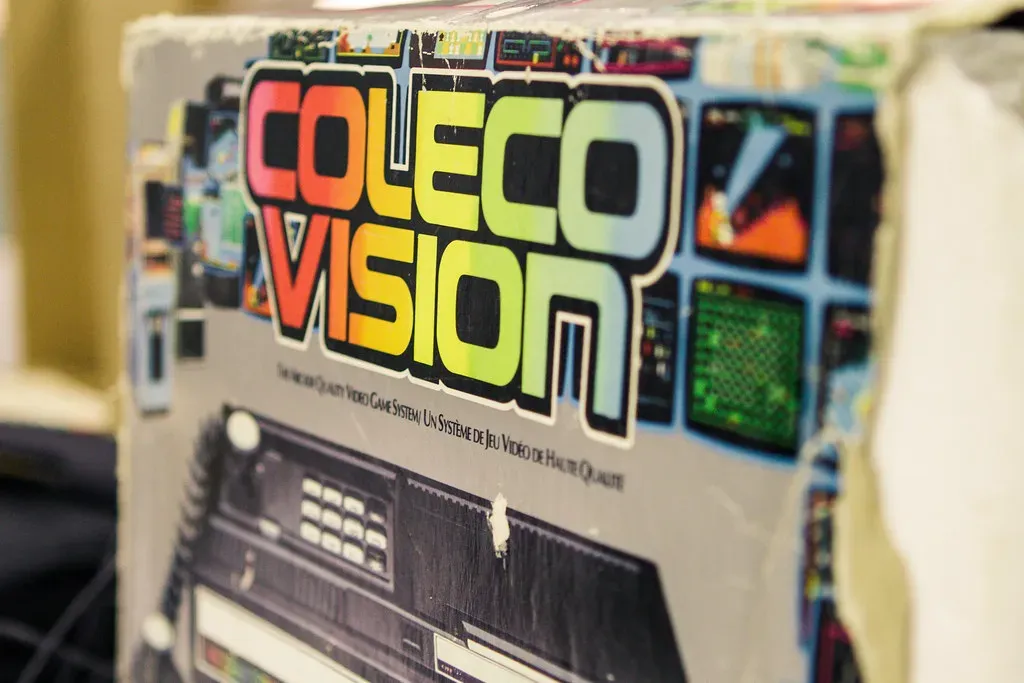
Coleco launched ColecoVision in 1982, and it came packed with Donkey Kong, which was a big selling point at the time. Its arcade style graphics impressed players who had grown up on simpler consoles. For a while it was a serious rival to Atari.
Coleco stopped selling the system in the mid 1980s, after the video game market crashed and the company’s Adam computer struggled. Coleco itself went bankrupt in 1988, which ended any chance of the console’s return.
R.O.B. the Robot

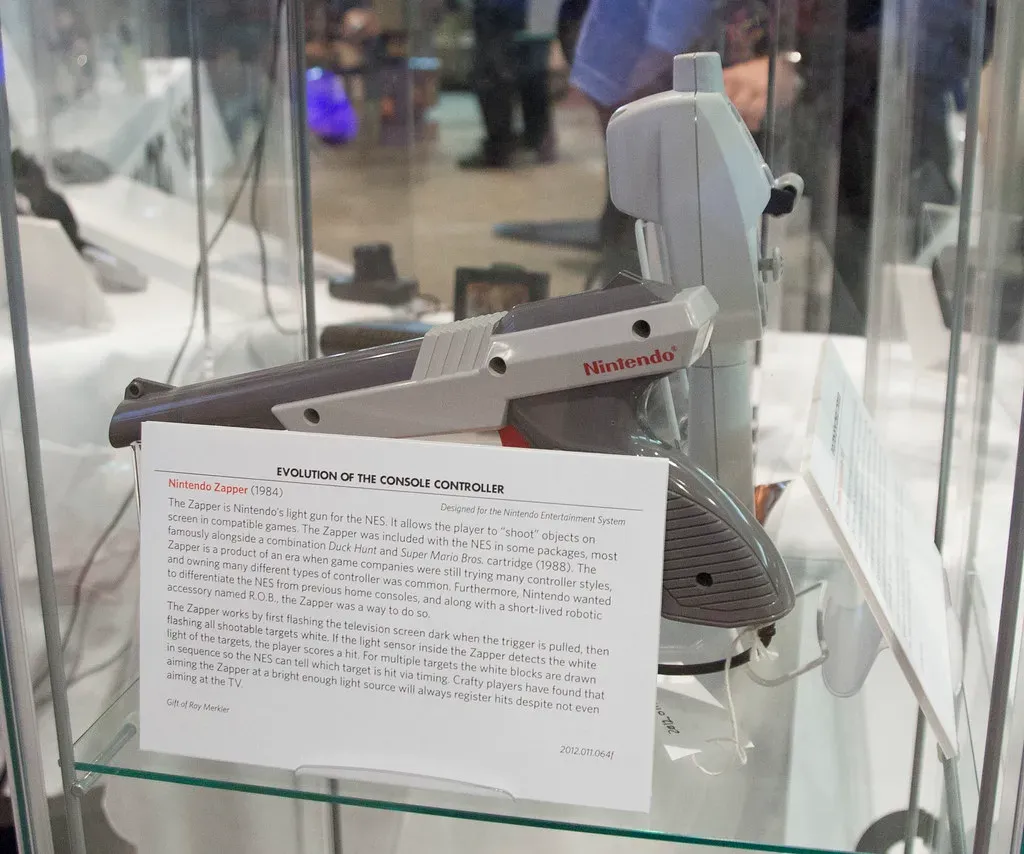
R.O.B. stands for Robotic Operating Buddy, and Nintendo released it alongside the Nintendo Entertainment System in 1985 and 1986. The little gray robot was meant to make the console look like a toy rather than a video game machine, which helped Nintendo win over wary retailers. R.O.B. responded to flashes from the TV screen and moved game pieces.
Only two games ever supported it, Gyromite and Stack Up. Nintendo dropped the accessory fairly quickly, though the robot has since turned up in later Nintendo games as a nostalgic cameo.
Jem and the Holograms Dolls

Hasbro released the Jem dolls in 1985, tied to an animated series about a glamorous rock band. The dolls were fashion forward and came with accessories that matched the show’s style. They stood apart from Barbie by leaning into music and a rock star storyline.
The toy line ended in 1987, and the cartoon wrapped up around the same time. Collectors have kept interest alive, and a smaller company later released new collector dolls, but Hasbro’s original line is no longer in production.
Atari 2600

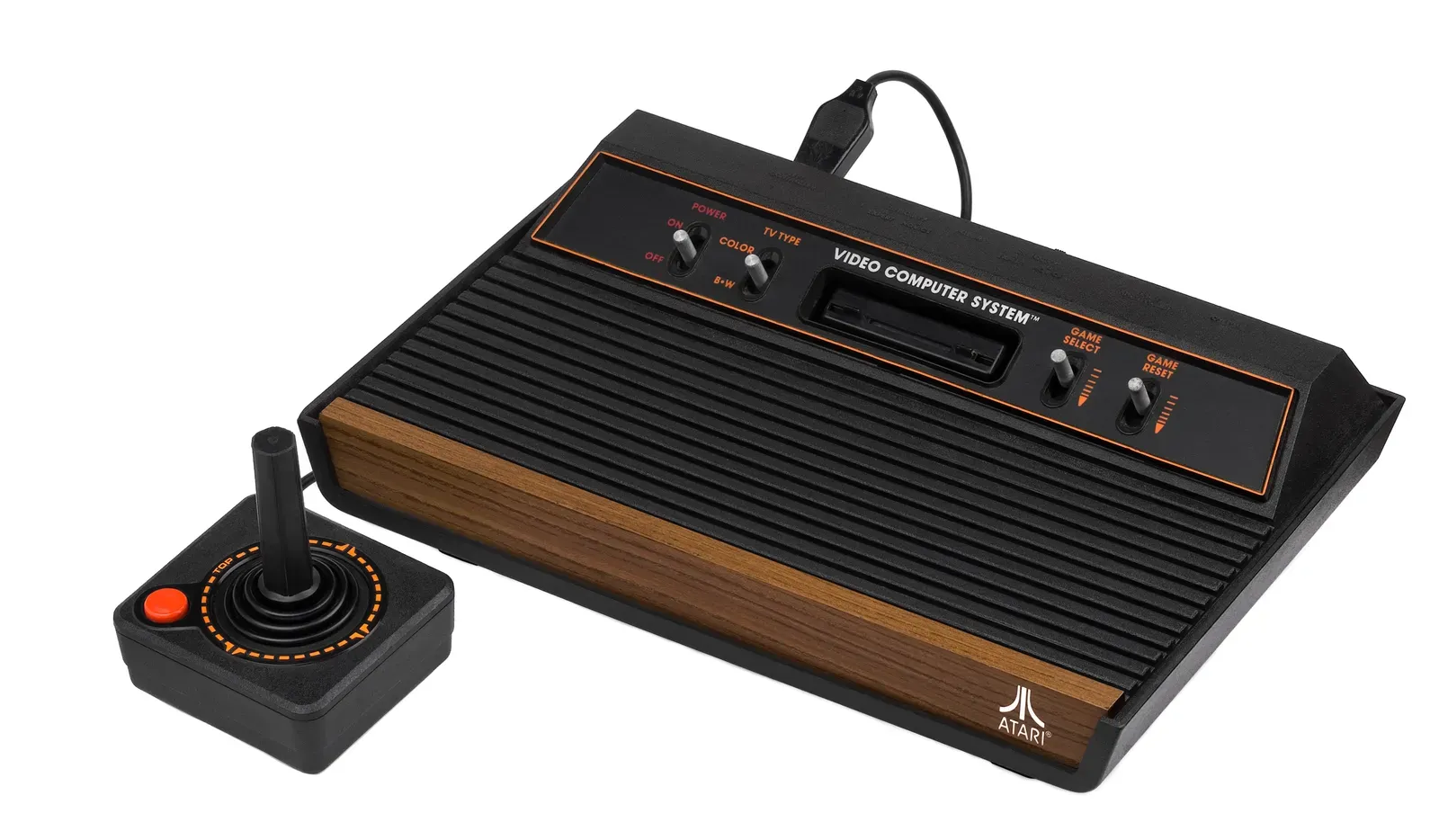
The Atari 2600 first appeared in 1977, but it dominated the early 1980s living room. Its cartridges brought arcade games home, and the wood grain console became an icon. Millions of families owned one.
Atari officially discontinued the system in 1992, after a run of roughly fifteen years. That made it one of the longest lived game consoles ever, though newer machines had long since taken over.
Partner offer
Planning a trip to Vegas?
Compare hotel rates and show tickets on VEGAS.com.