Pop music has always had cycles of boom and bust, but something feels different about the current moment. The energy that made 2024 feel like a genuine renaissance, complete with breakout stars and cultural dominance, gave way to a quieter, more unsettled atmosphere. Critics and fans alike are asking the same question: what exactly went wrong?
The answer, it turns out, isn’t one thing. It’s eight things. Music journalists and cultural commentators have been pointing to a cluster of trends that, taken together, are quietly draining the excitement out of mainstream pop. Some are industry-driven, others are cultural. All of them are real.
The AI Flood Nobody Asked For

Reports from streaming service Deezer showed that fully AI-generated songs delivered to its platform jumped from roughly ten thousand per day in January 2025 to fifty thousand per day by late 2025. That’s not a production surge – that’s a deluge. The sheer volume has made it nearly impossible for listeners to know what they’re actually hearing.
Music fans are becoming increasingly uncomfortable with AI songs, according to a recent report by the music and entertainment insights company Luminate, with the decline especially notable among young listeners who are part of Gen Z and Gen Alpha. The study tracked attitudes towards AI use in music from May to November of 2025 and found that overall listener comfort dropped from negative thirteen percent to negative twenty percent during that period. Discomfort isn’t just a niche complaint anymore – it’s becoming a majority position.
Superstar Fatigue and a Stagnant Chart Landscape

After a massive year for pop in 2024, the charts slowed to a crawl, with new releases struggling to compete with long-running hits and resurgent catalog tracks, leaving 2025 and early 2026 defined by stagnation. Only about two dozen tracks cracked the top charts in the first half of 2025, compared to nearly fifty during the same period the year before.
In total, 197 distinct tracks appeared in Spotify’s Global Top 50 during the first quarter of 2026, with 116 of those being holdovers and just 81 being new releases – a much more lopsided split than in either Q1 2024 or Q1 2025. Critics argue that when the same songs dominate for months on end, casual fans stop checking in. The discovery impulse dies, and so does engagement.
Toxic Fandom Pushing Outsiders Away
Pop fandom reached a tipping point of toxicity in 2024, fueled by social media virality and the monetization of parasocial obsession. What was once the quirky enthusiasm of devoted fan communities has, in many cases, curdled into something far less welcoming. Casual listeners find themselves caught in the crossfire of fanbases at war.
While social media has been linked to stronger parasocial relationships between fans and celebrities, as well as benefits like a stronger sense of belonging, digital fan engagement might also reinforce conflicts between different fandoms. Research findings suggest that the strength of fans’ parasocial relationships with their idols is positively related to in-group identification, out-group hostility, and behavioral aggression toward other fandoms. That dynamic doesn’t just harm rival fans – it actively discourages anyone from dipping a toe into a fandom at all.
Overproduced Sounds and Musical Homogeneity

Contemporary music has trended toward simplified harmonies and predictable melodies, and the lack of harmonic and melodic variety has resulted in a homogenized sound, making it difficult to distinguish one artist from another. Critics have pointed to this as a slow creep that accelerated once algorithmic optimization became central to how labels develop artists. Songs are increasingly built to pass A/B testing, not to move people.
Partly what’s driving the recent rock resurgence is cultural fatigue with overproduced pop perfection. Listeners who once tolerated gleaming, pitch-perfect productions are increasingly gravitating toward rawer sounds. The backlash isn’t just critical – it’s showing up in the data, with rock acts achieving Billboard 200 chart positions not seen in years while certain pop releases underperform expectations.
Celebrity Disillusionment in an Age of Economic Anxiety

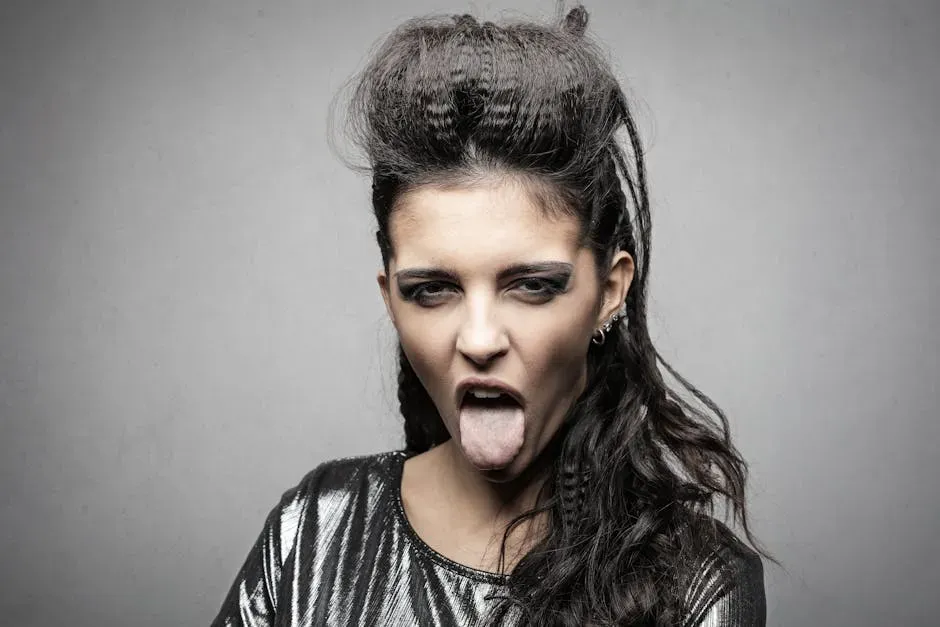
Scandals and allegations in recent years have led to a further shift away from glorifying celebrities, which is also linked to the rise of socioeconomic pressures, as people are becoming increasingly disillusioned with wealthy celebrities who embody capitalist values while they themselves are struggling to make ends meet. When a pop star posts vacation content from a private island during a cost-of-living crisis, the disconnect registers – loudly.
People are tired of the same old manufactured pop and want something real, something they can connect with, and artists who are open and honest in their music and share their personal stories are the ones gaining traction. The broader appetite for authenticity is real and measurable. Stars who come across as products of management rather than genuine voices are finding their audiences harder to hold onto.
The Oversaturation Problem Nobody Can Solve
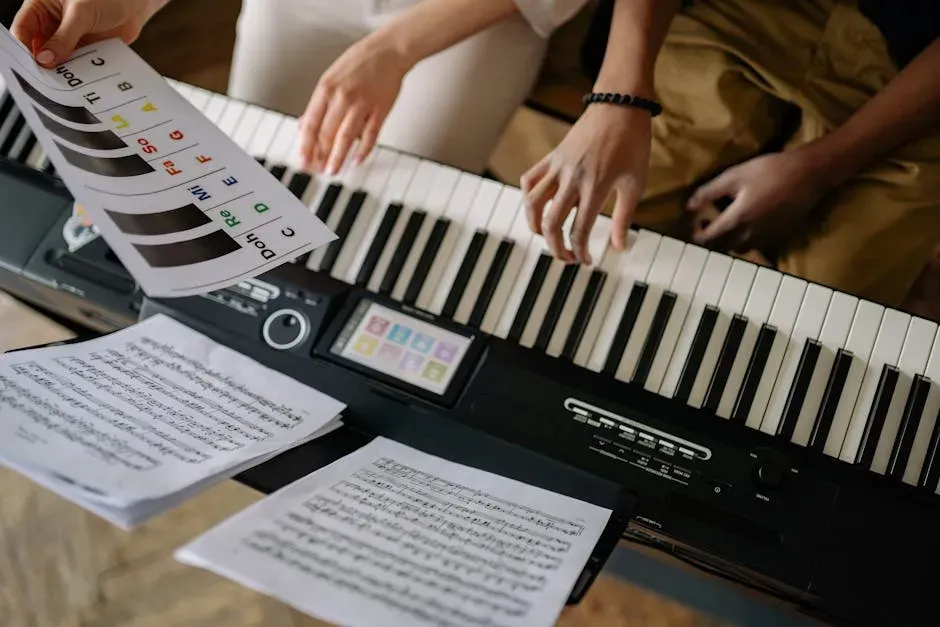
Chartmetric logged roughly thirty thousand releases every single day in 2025. That figure is almost too large to process meaningfully. It means that for every song someone discovers, thousands of others go completely unheard. The math creates a cultural landscape where nothing sticks long enough to become a shared reference point.
Critics are genuinely worried about what this means for the monoculture, noting that audiences are clearly fractured and, without a clear runaway hit, the culture has lost those water cooler moments where a piece of art works its way into the zeitgeist. That shared experience – the thing that made certain pop moments feel genuinely electric – is becoming rarer by the year. Fragmentation is the new normal, whether fans like it or not.
The Parasocial Trap That Artists Are Now Escaping

Social media has intensified parasocial relationships dramatically, with fans no longer limited to music and magazine profiles but now able to access artists daily on TikTok, Instagram, and X. This constant access initially felt like a gift for fan culture. Over time, it’s mutated into a kind of low-grade surveillance that many artists are pushing back against – and that’s creating distance between stars and their audiences.
The pressure can lead to artists deciding that the joy of sharing music simply isn’t worth the scrutiny it invites, and as fan culture finds new platforms on which to thrive, 2025 brought a new wave of artists pulling back from public presence or becoming more vocal about what they will and will not endure in the name of fame. When fans feel suddenly cut off from an artist they felt close to, the emotional whiplash can translate into detachment – and lost listeners.
Short-Form Culture Shortchanging the Music Itself
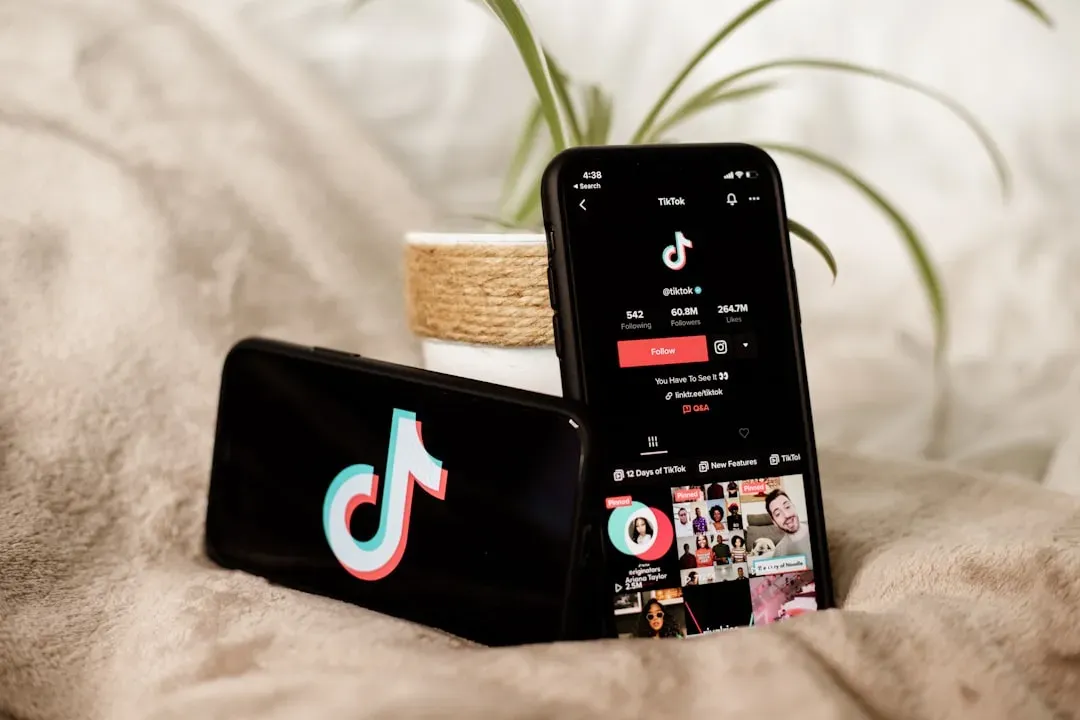
While algorithmic feeds on TikTok and Reels are acting as global rocket fuel for songs, artists are feeling the pressure to churn out content faster than ever just to stay in the conversation. The result is a particular kind of creative thinning-out: songs designed to hook in three seconds, built around a single viral moment rather than a full listening experience. Critics describe it as music engineered for the clip rather than the song.
The average time to reach one billion streams decreased dramatically, from over two thousand seven hundred days in 2015 to just about two hundred days in 2025, driven by streaming adoption and global fanbases. Songs peak faster and vanish faster. In 2025, the average time for a massive track to hit a billion streams dropped to just under two hundred days – an incredible pace, but a double-edged sword, as the pressure to produce content faster continues to intensify. For listeners who actually want depth from their pop music, that velocity feels less like excitement and more like exhaustion.