



Most TV shows freeze their characters in a kind of permanent present, cycling through years while everyone stays roughly the same age. Every so often, though, a series lets time do what time actually does. The actors grow up, their bodies change, their voices drop, and the writers either lean into it or scramble to hide it. Here are nine cases where the passage of real years became impossible to ignore on screen.
1. Eleven and the Hawkins kids in Stranger Things

![1. Eleven and the Hawkins kids in Stranger Things (SDCC2017 - Stranger Things Cast Photoshoot [1], CC BY-SA 2.0)](https://nvmwebsites-budwg5g9avh3epea.z03.azurefd.net/lasvegasnews/05ee36adc4c198449af41efbeda73d31.webp)
When Stranger Things premiered in 2016, its young cast was genuinely young, with the show’s creators later noting the youngest actor was only nine years old at the time. By the time the fifth and final season rolled out in late 2025, that same cast had spent nearly a decade growing into adulthood while their characters barely moved forward in the story’s timeline.
Since the show premiered in 2016, 9 real years have passed while only 4 years have elapsed in the show’s timeline. Millie Bobby Brown, who played Eleven starting at age twelve, was 21 in real life when the finale premiered, a gap that became one of the most discussed production challenges of the series’ back half.
2. Kevin Arnold in The Wonder Years

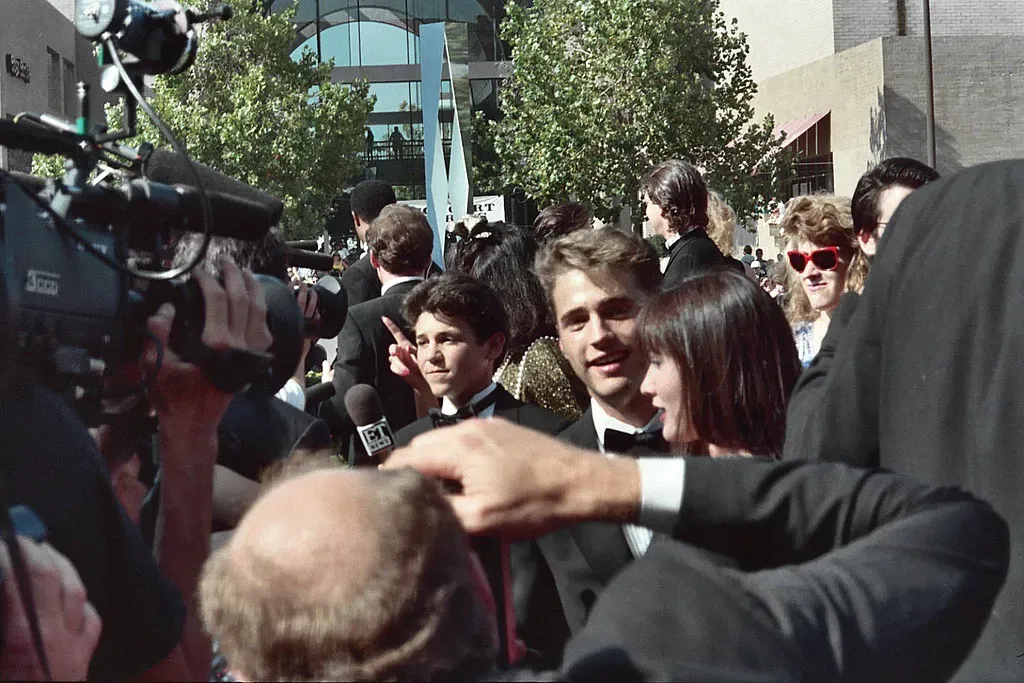
Fred Savage was cast as narrator Kevin Arnold when he was a preteen, and the show followed him through the tail end of childhood into the early stages of adolescence during its original run from 1988 to 1993. Because the series was framed as a nostalgic look back at a specific slice of the 1960s, the production had some flexibility in how it handled the timeline, but Savage’s physical growth still tracked closely with the character’s arc.
Viewers watching the show in its original broadcast order could see Savage’s voice and height shift season over season, which lent the coming-of-age story an unusual layer of authenticity. Few shows before it had let a lead actor visibly mature in near lockstep with the character he was playing.
3. Cory Matthews in Boy Meets World

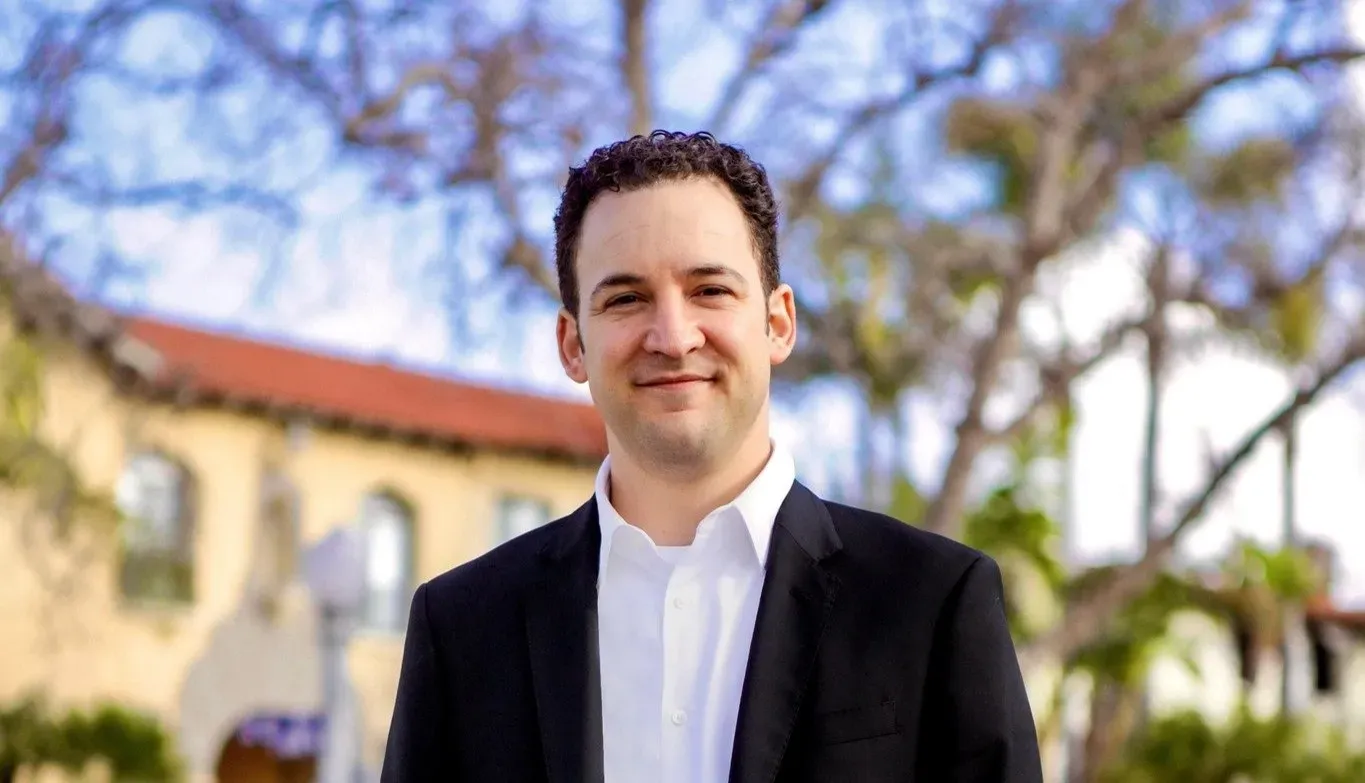
Ben Savage, Fred Savage’s younger brother, took on a similar journey a few years later as Cory Matthews on Boy Meets World. The series ran from 1993 to 2000, following Cory from middle school through college, and Savage aged from roughly eleven to twenty during that stretch.
The show is notable for how directly it acknowledged the passage of time, moving its characters through actual grade levels and life stages rather than keeping them static. That structural choice meant the actors’ real growth spurts, voice changes, and shifting appearances became part of the storytelling rather than something to work around.
4. Darlene and DJ Conner in Roseanne

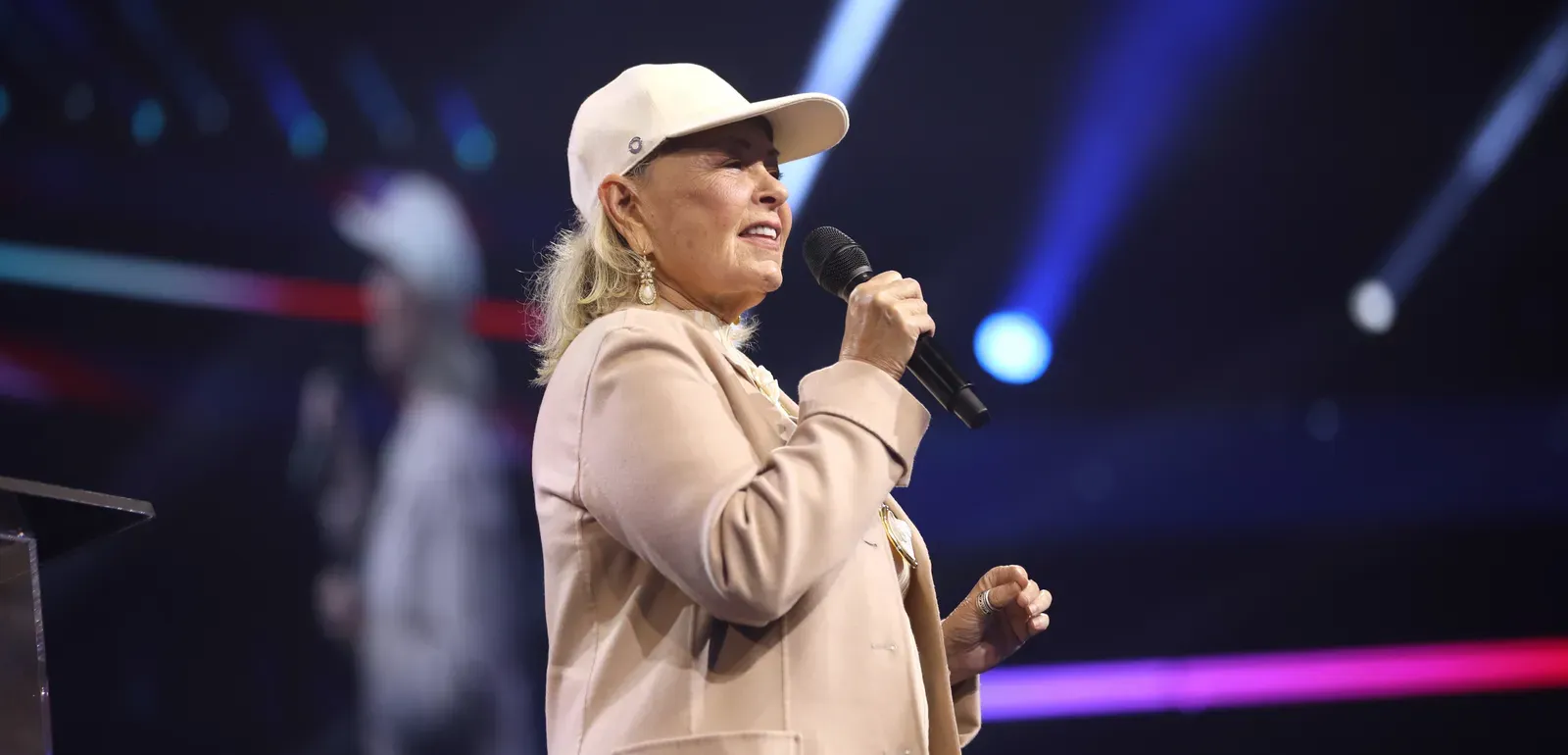
Roseanne ran for nine seasons between 1988 and 1997, and its younger cast members grew up almost entirely on camera. Sara Gilbert, who played Darlene Conner, went from a young teenager to a woman in her early twenties by the time the original series wrapped, while Michael Fishman, who played her younger brother DJ, aged from childhood into his teens.
The show’s working class Chicago setting and unusually grounded writing meant these physical changes rarely felt jarring. If anything, the visible aging reinforced the sense that the Conner family existed in something closer to real time than the sitcom norm of the era.
5. Malcolm and his brothers in Malcolm in the Middle


Frankie Muniz led Malcolm in the Middle from 2000 to 2006, playing the title character from around age fourteen to twenty. His on-screen brothers, played by Justin Berfield, Erik Per Sullivan, and eventually Christopher Masterson, aged alongside him across the same seven seasons.
Partner offer

Because the show relied heavily on physical comedy and an ensemble of siblings at different developmental stages, the real growth of its young cast was hard to disguise even if the writers had wanted to. The result is a series that looks noticeably different at its start compared to its finish, with the boys’ changing voices and builds tracking the actual years that passed during filming.
6. Michelle Tanner in Full House


Mary-Kate and Ashley Olsen shared the role of Michelle Tanner on Full House from the show’s start in 1987 until it ended in 1995, meaning the character grew from infancy to around nine years old over that run. Because the twins alternated in the role and grew up during production, the visual difference between early and late seasons is stark, showing a toddler transforming into a grade schooler in real time.
Full House rarely drew attention to this aging directly within its storylines, but the show’s long syndication life has made the contrast between seasons a frequently noted detail among longtime fans. Watching the series in order essentially means watching two young performers grow up on camera.
7. Jake Harper in Two and a Half Men


Angus T. Jones joined Two and a Half Men as Jake Harper in 2003 at age nine and stayed with the show through 2013, aging into his late teens by the time he departed. The sitcom occasionally referenced Jake getting older within the plot, though not always with the same pace as Jones’s actual physical development.
The visible shift in Jones from a small child to a young adult became one of the more talked about long-term transformations in modern sitcom history. His departure partway through the show’s twelfth season also meant the character’s aging arc was cut shorter on screen than the actor’s own growth had been off it.
8. Laura Ingalls in Little House on the Prairie

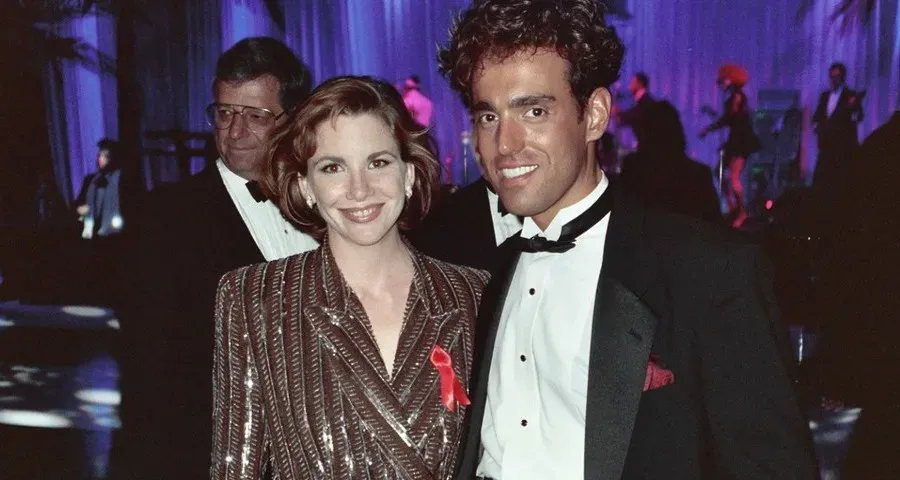
Melissa Gilbert played Laura Ingalls from the show’s 1974 debut through its conclusion in 1983, growing from a child of around ten into a young woman in her late teens over that near decade-long run. The series, based on the Little House book series, was already built around a coming-of-age narrative, which made the real aging of its lead actress fit naturally into the storytelling.
Laura’s marriage to Almanzo Wilder later in the series lined up reasonably well with Gilbert’s own transition into young adulthood, giving the show a rare sense of continuity between fiction and reality. Few family dramas of that era let a child star grow up so visibly across an entire series arc.
9. The Stark and Lannister children in Game of Thrones


Game of Thrones cast several of its central characters as children when the show began in 2011, including Maisie Williams as Arya Stark, Sophie Turner as Sansa Stark, and Isaac Hempstead Wright as Bran Stark. By the time the series concluded in 2019, all three actors had grown from adolescence into their early twenties, a transformation the show incorporated directly into its plotting.
The eight year production window meant the young cast physically matured alongside characters who were themselves supposed to be growing into adulthood amid war and political upheaval. That alignment between real world aging and in-story character development is part of why the early and later seasons of the show feel like they belong to genuinely different chapters of these characters’ lives.
Watching actors age alongside their characters adds something scripted television rarely achieves on purpose. It turns ordinary production delays, growth spurts, and voice changes into an unplanned kind of realism, one that no amount of makeup or clever lighting can fully replicate.Partner offer
Planning a trip to Vegas?
Compare hotel rates and show tickets on VEGAS.com.


