There’s a particular kind of disappointment that only television can deliver. You invest years into a show, its characters become familiar, its world feels real, and then the final episode arrives and undoes everything in a matter of hours. Not every bad finale ruins a show, but some are so spectacularly misjudged that they cast a long shadow backwards over everything you loved.
Shows like “Game of Thrones,” “How I Met Your Mother,” and “Lost” ruled the cultural conversation for years before their endings alienated many diehard fans. In some cases, these reputation-destroying moments all came down to a single episode that not only disappointed fans but ruined earlier seasons in retrospect. These are nine of the worst offenders.
Game of Thrones (2019): The Iron Throne of Disappointment

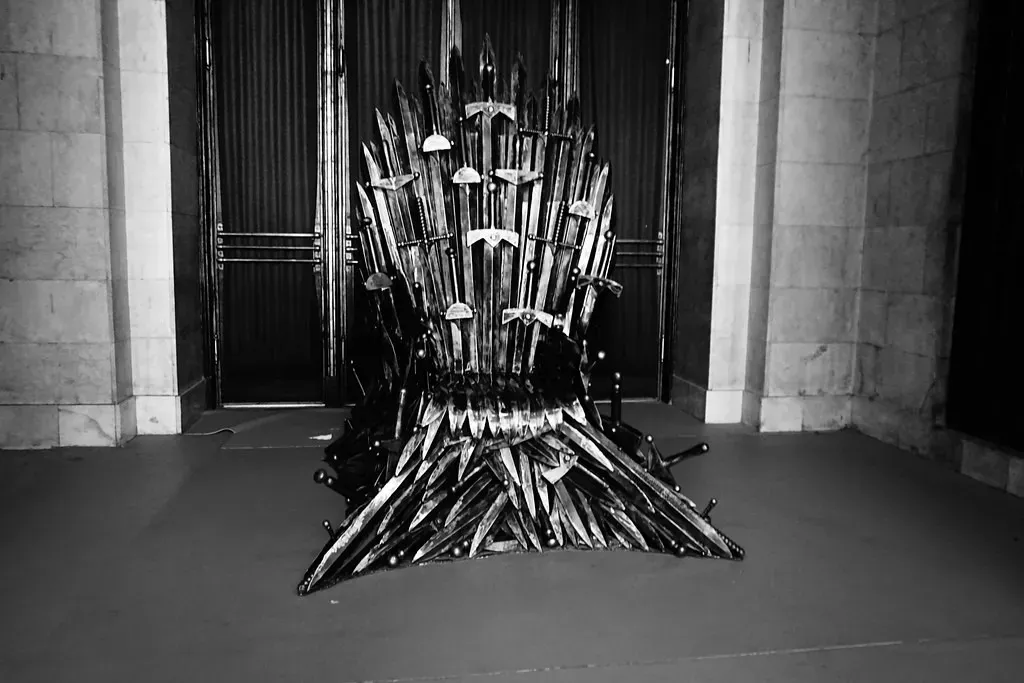
When Game of Thrones premiered in 2011, it quickly became a cultural phenomenon, captivating audiences with its intricate storytelling, morally complex characters, and shocking plot twists. By the time the final season aired in 2019, expectations were at an all-time high. Fans anticipated a satisfying conclusion to a series that had spent eight years building a complex world filled with intrigue, betrayal, and epic battles. The finale sparked massive backlash, leaving many viewers disappointed, frustrated, and even outraged.
With self-referential allusions to Martin’s source material, Bran becoming King, and the absurdly out-of-character actions of many of the most important players, the finale was a major disappointment. There were just too many deviations from previously established character arcs, and the rushed nature of it all ruined everything that came before. Many critics argue that the pacing of the final season was a major contributor to the backlash, with Season 8 running only six episodes compared to previous seasons that often had ten. Even before discussions on the final episode had died down, a petition to remake the series’ end gathered more than 1.5 million signatures.
How I Met Your Mother (2014): Nine Years of Setup for Nothing

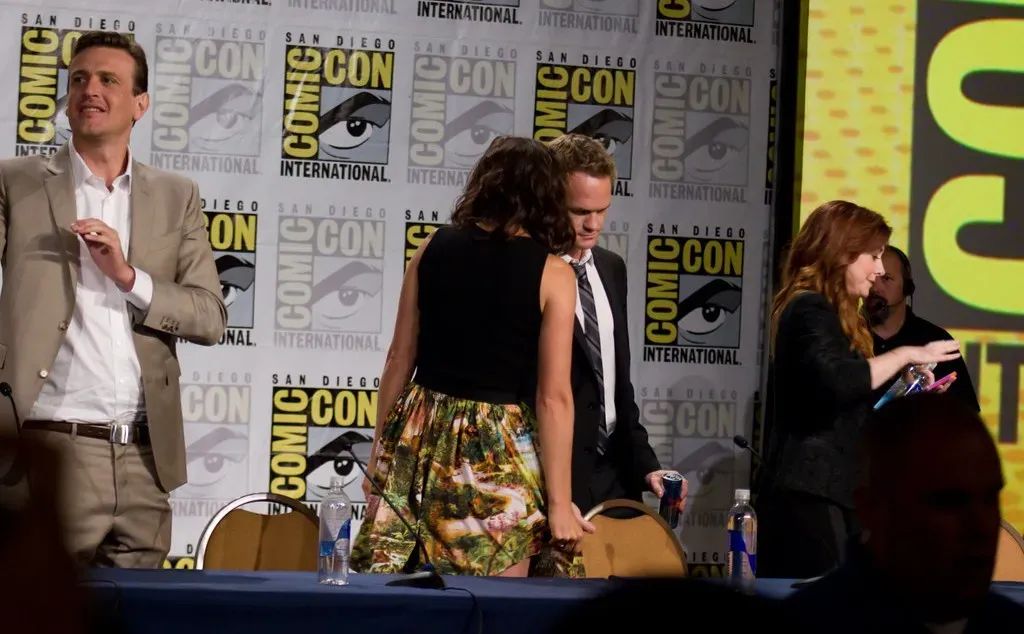
How I Met Your Mother delivered a controversial finale that revealed the mother had been dead for six years, only to have Ted end up with Robin, effectively undermining nine seasons of character development and romantic storylines. The finale of How I Met Your Mother is all the proof storytellers need that having an ending planned out from the very beginning doesn’t automatically result in a satisfying narrative arc. Having an ending pre-planned offers the opportunity to sew seeds early and often, but what happens when your show ends up becoming a smash hit and runs for several seasons longer than you were expecting? Or if you end up using those extra seasons to explore exactly why two specific characters are incompatible as long-term romantic partners?
Barney and Robin were divorced just one episode after their legendary wedding. The writers spent almost three seasons building up their relationship and gave fans some beautiful moments between them, only to end their relationship in the final episode. Whatever the creators were thinking, the end result was the same: years of goodwill for a show reduced to atoms in little over an hour, tearing down years of character development.
Dexter (2013): The Lumberjack That Broke a Show


Showtime’s Dexter told the story of a forensic technician who moonlights as a serial killer, evading capture and justice for his psychopathic tendencies. Many fans agree that the worst season of Dexter was its final one, in which Dexter kills his sister Debra and then drives a ship into a hurricane, presumably dying. Only, Dexter somehow didn’t die. The show’s final scene reveals a bearded Dexter hiding out in Oregon, working at a lumbering company. Many critics felt that, even considering the show’s decline in quality, the finale felt cheap and, at times, cartoonish.
It’s not that the show needed a happy ending. It needed an ending that matched eight years of tension, and instead, viewers got a messy last-minute pivot. Deb’s arc was handled in a way that felt careless, and the finale turned into a sprint where big choices happened because the clock said so, not because the story earned them. Although the earliest seasons of Dexter are still riveting television, it’s hard, in retrospect, to enjoy them knowing how it all ended.
Lost (2010): Questions Without Answers
Lost concluded with revelations about the flash-sideways timeline being a form of purgatory where the characters reunited after death, though the island events were supposedly real. While some viewers appreciated the emotional character resolutions, many felt cheated by the mystical ending that left numerous plot threads dangling and questions unanswered about the island’s true nature.
Season 6 leaned into the flash-sideways idea, and some of it was genuinely moving, but many viewers kept waiting for the show to cash in its mysteries in a clear way. The emotional intent was obvious, even when the logic felt slippery. The finale worked for people who wanted a spiritual goodbye, but frustrated people who wanted concrete answers. The season answered some things, dodged others, and the last stretch turned into a feelings-first ending after years of puzzle-box momentum.
Battlestar Galactica (2009): From Hard Sci-Fi to Divine Intervention


The brilliant, layered storytelling of Battlestar Galactica’s early seasons, using allegory to explore tough topics like terrorism and the second Iraq War, made it easily one of the boldest sci-fi shows of its era. Even TV critics were obsessed with the reboot, actively calling for it to receive greater awards attention from the Emmys and other voting bodies. The series finale, however, was so bad that it retroactively stripped away all that goodwill, leaving fans baffled with its inconclusive endings for so many characters, not to mention a last act that included a cut to the “present day” and a reveal that some characters were actually angels the whole time.
Partner offer

The finale is especially divisive for resorting to a deus ex machina ending involving a divine force that had only been hinted at throughout the show. For some fans who fell in love with BSG during its hard sci-fi beginnings, shifting toward the mystical was a betrayal. The show’s infamous epilogue, set 150,000 years later in New York City, in which two characters discuss the discovery of remains described as “mitochondrial Eve,” struck most viewers as completely inexplicable.
Gossip Girl (2012): The Twist That Made No Sense


The finale sees both series leads, Serena van der Woodsen and Blair Waldorf, marry their respective long-time love interests. However, it’s probably more memorable for its bombshell twist: the Gossip Girl blog was being run by none other than Dan, who used it to write himself into the drama of the Upper West Side and get closer to Serena. This reveal of “Lonely Boy” Dan Humphrey as the titular tattletale simply doesn’t add up. Over the course of six seasons, viewers witness Dan’s visible shock at numerous salacious posts, not to mention the many times Gossip Girl’s attacks negatively impacted Dan himself. When the creators admitted in 2017 that Dan wasn’t originally intended to be Gossip Girl, it didn’t come as much of a surprise, given the countless plot holes created by the reveal.
While that legendarily nonsensical reveal lives on as the most outrageous moment in the finale, it’s far from the only problem with the episode. Everything else about the end of Gossip Girl is uninspired and predictable, including two perfunctory main-cast weddings. Gossip Girl can be ridiculous, but it should never be boring. The show built its entire identity on glamorous chaos and knowing irony, and the finale delivered neither.
Seinfeld (1998): A Clip Show Dressed as a Finale

“No hugging, no learning” was Larry David’s unofficial motto for Seinfeld, a hit sitcom about four people too self-absorbed to ever truly grow or learn from their mistakes. So in many ways, it’s fitting where they ended up in the final scene: sharing a jail cell, charged with violating a Good Samaritan law. Viewers in 1998 rejected the ending, partly due to the unnecessary parade of old Seinfeld guest stars making cameo appearances during the trial. Even today, its defenders are in the minority.
The ending is bad not because of where it leaves the characters, but because it’s painfully boring. The plot follows the four friends as they’re arrested for criminal indifference after cruelly mocking a man being robbed, and are faced in court by an endless parade of people they’ve encountered over nine seasons who recount their various misdeeds. Essentially, it’s a glorified clip show, one that directly followed a two-part clip show with no plot whatsoever. One of the sharpest, least cute shows on television deserved better than a groaner of a finale overly enamored with its own history.
Roseanne (1997): When the Writer Turns on Her Own Story


The finale revealed that the final season was a story written by Roseanne Conner herself, which erased major plot points and revealed that Dan had actually died from his heart attack earlier in the show. It was a massive shock for fans who had invested years in the characters. This twist caught many fans off guard. Known for its relatable portrayal of a working-class family, the show’s sudden shift to meta-fiction felt disconnected from everything that made it resonate.
The series had spent nine seasons being celebrated precisely for its groundedness and its honest portrayal of financial struggle in middle America. Undermining that entire premise in the final hour suggested that none of it had been real, which retroactively hollowed out the show’s most meaningful moments. It was a creative choice that prioritized shock over the audience’s emotional investment, and viewers never quite forgave it.
Supernatural (2020): A Fifteen-Season Journey Ends With a Whimper

Supernatural was a long-running show that seemed like it would never end, finally airing its finale in 2020. The series’ original showrunners left after the fifth season, and many feel that the show started declining after that. Many fans were upset with the final episode in season 15 that attempted to end the Winchester brothers’ story. Fans felt that Dean Winchester didn’t have a satisfying ending, and neither did Sam and Cas, who had been in the show for several seasons. For that alone, it was considered one of the worst TV show endings.
After fifteen years and over three hundred episodes, Supernatural had built one of the most devoted fanbases in television history. The ending leaned heavily on sentiment while bypassing the earned emotional payoff that fans had waited so long to see. Characters who had carried the show through its most beloved seasons were sidelined or dismissed, and the closing image felt more like an afterthought than a conclusion. The legacy of a television series often rests on how well it delivers in the end with its grand finale, and sadly, a bad finale can end up ruining the entire show. After years of buildup that audiences followed season after season, witnessing a disappointing finale was truly a devastating turn of events.
What connects all nine of these shows is not simply that their finales were bad. It’s that the endings were bad enough to change how we remember everything that came before. A truly catastrophic finale doesn’t just disappoint in the moment. It follows you back through every rewatch, every recommendation you hesitate to make, every time someone asks if a show is worth starting. The best endings are gifts to loyal viewers. These were something else entirely.
Partner offer
Planning a trip to Vegas?
Compare hotel rates and show tickets on VEGAS.com.