When you think of music legends, certain names probably pop into your head immediately. The Beatles, Madonna, maybe Bob Dylan. These are the icons everyone knows, the ones that show up in textbooks and streaming playlists everywhere. Still, behind the curtain of mainstream fame lies a world of artists who shaped entire eras without ever getting the recognition they deserved.
Let’s be real, music history has a funny way of forgetting some of its most brilliant creators. These hidden legends weren’t just making music, they were inventing sounds, inspiring future superstars, and breaking down barriers that nobody even knew existed yet. Their stories might surprise you.
Sister Rosetta Tharpe: The Godmother Who Rocked Before Rock Existed
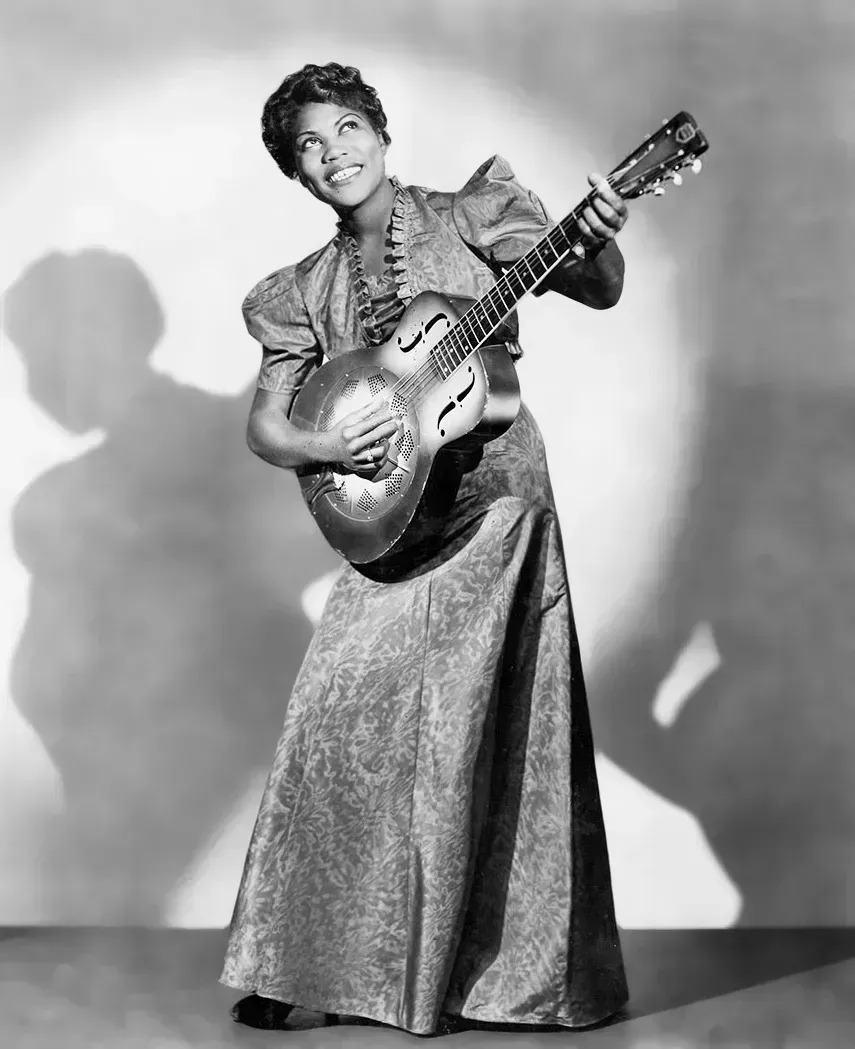
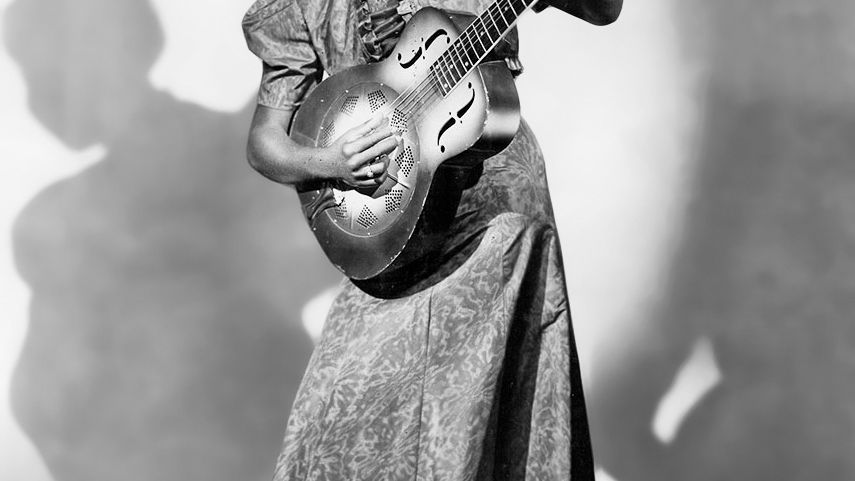
Sister Rosetta Tharpe became the first great recording star of gospel music and was among the first gospel musicians to appeal to rhythm and blues and rock and roll audiences, later being referred to as “the original soul sister” and “the Godmother of rock and roll.” Think about that for a second. She was plugging in electric guitars and shredding solos in the late 1930s, decades before Elvis even thought about swiveling his hips.
Tharpe was a pioneer in her guitar technique as she was among the first popular recording artists to use heavy distortion on her electric guitar, opening the way to the rise of electric blues. The woman could play better than most men of her era, and she knew it. When Chuck Berry was inducted into the Rock and Roll Hall of Fame in 1986, he was quoted saying “My whole career has been one long Sister Rosetta Tharpe impersonation.”
In May 2018, Tharpe was posthumously inducted into the Rock and Roll Hall of Fame as an Early Influence. It’s hard to say for sure, but it feels like justice came about seventy years too late. Her influence touched everyone from Little Richard to Johnny Cash, yet she remained largely forgotten until recently.
Big Star: The Band That Nobody Heard But Everyone Copied

Big Star has been described as “one of the most mythic and influential cult acts in all of rock & roll” that created a “seminal body of work that never stopped inspiring succeeding generations” according to Rolling Stone. Here’s the thing that gets me about Big Star. They basically invented power pop and alternative rock in the early 1970s, yet hardly anyone bought their records at the time.
Their debut album dropped in 1972 to rave reviews, honestly. Big Star’s debut album, 1972’s Number One Record, was met with enthusiastic reviews, but ineffective marketing by Stax Records and limited distribution stunted its commercial success. Imagine creating something groundbreaking and watching it disappear because your label couldn’t get it into stores properly.
During the group’s hiatus in the 1980s, the Big Star discography drew renewed attention when R.E.M. and the Replacements, as well as other popular bands, cited the group as an influence. In 2024, Jody Stephens announced a tour of the US and Europe to celebrate the 50th anniversary of Radio City with an all-star band including R.E.M.’s Mike Mills, Wilco’s Pat Sansone, The Posies’ Jon Auer, and Chris Stamey of The dBs, with the Quintet scheduled to play in Ireland in 2026.
Judee Sill: The Sacred Rebel Who Vanished Too Soon
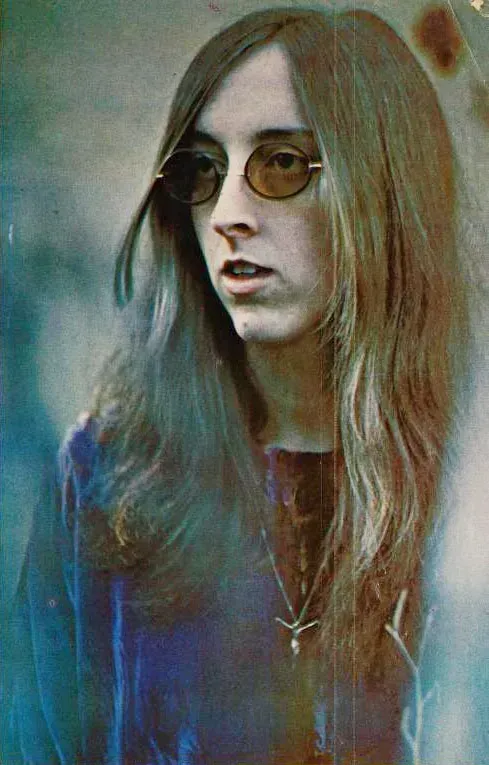
Sill was the first artist signed to David Geffen’s label Asylum. That’s a pretty big deal when you consider Asylum would go on to represent Bob Dylan and Joni Mitchell. Yet Judee Sill’s name barely registers today, despite creating some of the most complex and beautiful folk music of the early seventies.
She released her first album, Judee Sill, in 1971, followed by Heart Food in 1973, with both albums acclaimed but commercially unsuccessful. Her music blended Bach-influenced arrangements with spiritual lyrics about rapture and redemption. It wasn’t the kind of thing that fit neatly into radio formats.
Sill struggled with addiction through much of her life and died of a drug overdose in 1979, and at the time of her death, no obituary was published; however, several artists have since cited her as an influence. Fleet Foxes have covered “Crayon Angels” live several times, while the song “Sunblind” recites Sill’s name alongside Elliott Smith and John Prine, and indie singer-songwriter Bartees Strange recently covered “The Pearl” for a Sill tribute compilation.
The Pattern of Forgotten Brilliance
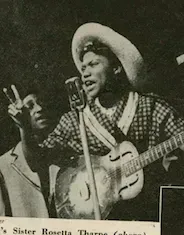
Notice something about these artists? They all pushed boundaries in ways that made people uncomfortable or confused. Sister Rosetta mixed gospel with electric guitar when that combination seemed blasphemous. Big Star made perfect pop songs that were too sophisticated for commercial radio.
Partner offer
Arthur Russell refused to stay in one genre long enough for anyone to market him properly. Judee Sill wrote spiritually complex songs in an era dominated by straightforward folk rock. They were all ahead of their time, which is basically a polite way of saying the world wasn’t ready for them yet.
The music industry has always had trouble with artists who don’t fit neatly into boxes. Marketing departments need simple stories to sell. These legends were anything but simple.
Why Hidden Legends Matter More Than Ever
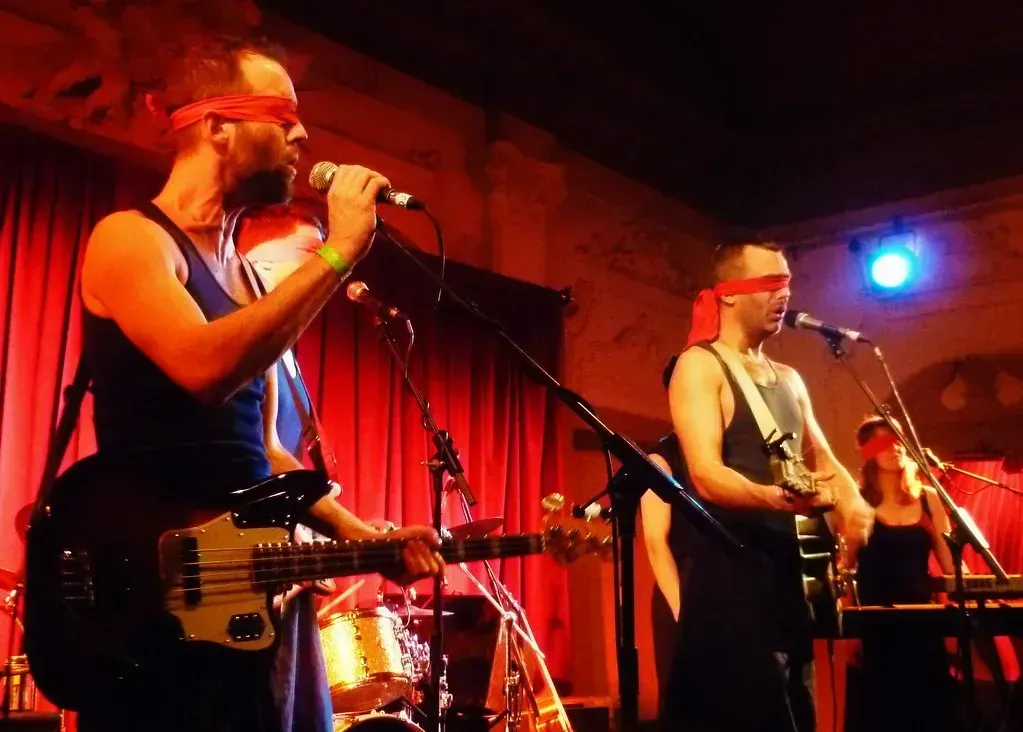
Here’s what I think matters most about these forgotten innovators. They created without the promise of fame or fortune. Sister Rosetta kept playing even when the gospel community criticized her for playing secular venues. Big Star kept recording even after their first album flopped commercially.
Arthur Russell left behind over a thousand tapes of unreleased music, constantly creating despite minimal recognition. Judee Sill poured her heart into complex arrangements that barely anyone heard. That’s pure artistic drive.
In our current era of viral fame and streaming metrics, these stories feel more relevant than ever. They remind us that influence doesn’t always come with instant recognition. Sometimes the most important music takes decades to find its audience.
The Influence That Shaped Your Favorites
Think about your favorite modern artists for a moment. There’s a good chance they were influenced by someone on this list, even if indirectly. The jangly guitars of indie rock? That’s Big Star’s legacy filtering through R.E.M. and countless bands that followed.
The experimental electronic music that blends dance beats with avant-garde sensibilities? Arthur Russell was doing that in the 1980s when nobody else saw how those worlds could merge. The spiritually searching singer-songwriter tradition? Judee Sill pioneered that territory with a sophistication most artists still can’t match.
Sister Rosetta Tharpe influenced early rock-and-roll musicians, including Tina Turner, Little Richard, Chuck Berry, Johnny Cash, Carl Perkins, Elvis Presley, and Jerry Lee Lewis. Basically, rock and roll as we know it might not exist without her. That’s not an exaggeration, it’s just history that doesn’t get taught enough.
What We Lost and What We’re Gaining
Let’s be honest about something painful. We’ll never know what these artists could have created if they’d received proper support and recognition during their lifetimes. Sister Rosetta died in 1973 after years of relative obscurity. Big Star’s Chris Bell died in a car accident at twenty seven, never seeing his band’s eventual influence.
Arthur Russell passed away from AIDS-related illness in 1992, leaving hundreds of unfinished projects. Judee Sill died at thirty five without knowing her music would eventually inspire generations of musicians. Those are losses we can’t recover from.
Yet their rediscovery offers hope. It proves that great art doesn’t have an expiration date. Quality eventually finds its audience, even if it takes fifty years.
How You Can Help Uncover the Next Hidden Legend

Here’s something most music fans don’t realize: you’ve got more power to shape music history than critics ever did. Streaming algorithms track every single play, and they’re democratizing recognition in ways that weren’t possible even ten years ago. When you add an obscure artist to your playlist, share their song on social media, or mention them in online forums, you’re creating digital breadcrumbs that lead others to discover them too. Record labels are actually monitoring these grassroots movements now, looking for artists with small but passionate followings to reissue or promote. Think about how Rodriguez went from complete obscurity to sold-out tours after the documentary Searching for Sugar Man sparked curiosity. That happened because people like you decided his story mattered. Every forgotten artist sitting in some dusty archive could be one viral TikTok or one passionate Reddit thread away from rediscovery. The question isn’t whether more hidden legends exist – they absolutely do, probably hundreds of them – but whether you’ll be the one who helps pull them back into the light.
Partner offer
Planning a trip to Vegas?
Compare hotel rates and show tickets on VEGAS.com.