
Full retirement used to feel like a finish line. You worked, you saved, you crossed it, and that was that. For a growing number of Americans today, the picture is considerably messier. Rising costs, shrinking pensions, and a Social Security system under structural pressure have opened up a gap between what people expect retirement to look like and what their savings can actually fund.
The response, increasingly, is not to delay retirement indefinitely but to build a smarter bridge. Part-time work rooted in something you actually care about – a passion project, a freelance trade, a skill you’ve spent a career developing – is becoming a legitimate and practical middle path. Here’s what the data says, and what that path might look like for you.
The Income Gap Is Real, and the Numbers Are Stark

According to Bureau of Labor Statistics consumer expenditure data, average annual expenditures for households aged 65 and older reached $61,432 in 2024 – roughly $5,119 per month. Meanwhile, U.S. Census Bureau income data shows that households with a householder aged 65 or older had a median household income of $56,680 in 2024, working out to about $4,723 per month before taxes and local costs.
That gap is one reason retirement can feel tight even when a household is technically above the median income level. Social Security was designed to replace roughly 40 percent of pre-retirement income for the average earner, which leaves a substantial portion of monthly living expenses unaccounted for. For anyone who hasn’t built a large investment portfolio, that shortfall has to come from somewhere.
Phased Retirement Is No Longer a Fringe Idea

Many older workers are gradually cutting back on hours and job responsibilities while ramping up leisure and vacation time – a transition period known by many names including phased retirement. A 2024 survey from consulting firm WTW found that 15 percent of U.S. workers over the age of 50 are phasing into retirement, while 19 percent would like to do so in the future.
Among employed people aged 65 and older, 38.3 percent worked part time in 2024, compared to just 14.2 percent of workers aged 55 to 64 and 11.1 percent of workers aged 25 to 54. The shift toward part-time work at older ages is deliberate for many. Some workers see phased retirement as a less stressful transition than full retirement, both financially and emotionally, with a continued paycheck allowing more flexibility to pursue hobbies and leisure activities at one’s own pace while keeping options to bolster retirement savings or other tax-advantaged benefits.
Most Americans Want More Than a Rocking Chair

The “2025 Everyday Money” survey, conducted by Greenwald Research in October among 2,000 Americans, found that while 39 percent of participants indicated they would be happy with the typical retirement of past generations, the majority want something more adventurous, active, and filled with passion projects. That majority is not a slim one, and the data suggests the desire to stay engaged is genuine rather than financially forced.
More than half of workers – about 59 percent – plan to work in some capacity during retirement. A report from Goldman Sachs shows that roughly a third of retirees prefer working part-time specifically as a means of generating needed income. Wanting to work and needing to work are increasingly the same motivation, dressed up in different language.
The Savings Shortfall Is Driving the Trend

According to a survey that AARP conducted in January 2025, about one in five Americans over age 50 who are not yet retired say they have no retirement savings at all. A separate study by D.A. Davidson and Co. found that 41 percent of older adults feel they cannot currently support their ideal retirement. Meanwhile, 92 percent of retired Americans say they do not have a side gig to supplement their income, even though 60 percent wish they were engaged in part-time work.
These figures explain why “unretirement” is accelerating. Some seniors are returning to the workforce after attempting retirement and discovering that Social Security alone does not cover their expenses. The gap between aspiration and reality is wide enough that a modest income stream from a passion project can genuinely change the shape of someone’s retirement years.
Social Security Uncertainty Makes the Case Stronger
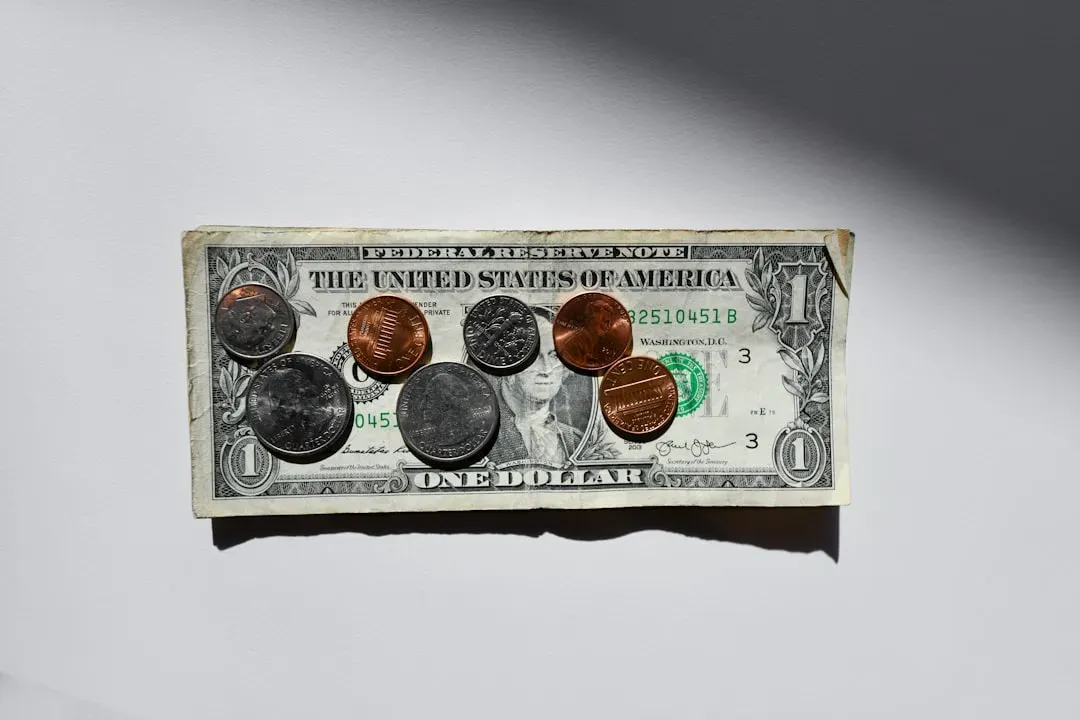
The Social Security Trustees have revealed that Social Security faces the largest financial shortfall in nearly half a century, with warnings that in just eight years, all retired beneficiaries regardless of age or need will face an across-the-board 23 percent benefit cut unless necessary reforms are enacted. Contributing to this pressure is “Peak 65,” the period from 2024 to 2027 in which more than 4.1 million Americans are turning 65 each year, the largest surge of retirements in the nation’s history.
The average benefit paid to a retired worker in 2025 is about $1,900 per month – not an amount that covers most household budgets on its own. For pre-retirees planning ahead, relying entirely on Social Security is a meaningful financial risk. Supplemental income from part-time work, even just a few hundred dollars per month, creates real resilience in the plan.
Partner offer
What a Passion Project Actually Looks Like

Freelance jobs for retirees encompass various roles, from consulting in a previous profession to creative ventures like writing, graphic design, or photography – all providing autonomy and allowing people to tailor their workload to fit their lifestyle. The word “passion project” can sound vague, but in practice it’s fairly concrete. It means monetizing what you were already good at or genuinely curious about.
The types of work attracting older Americans vary widely. Some are driving for rideshare platforms or delivering groceries. Others are leveraging professional experience to consult, tutor, or provide virtual assistance. Pet sitting, household organizing, and freelance bookkeeping are also popular choices. For those with a moderate amount of money and limited time, teaching a ceramics course is a great way to earn from a passion and requires little to no startup cost.
Consulting and Freelancing: The High-Value Option

Freelancing is often overlooked as a viable bridge between career and full retirement, to the detriment of individuals, organizations, and the economy as a whole – yet freelancing through a talent network offers mature workers flexibility, community, and income to pursue goals and hobbies, with demand for high-skill freelancers, particularly those with experience in tech or creative fields, remaining elevated.
Age discrimination, while illegal, does happen in hiring for full-time roles. When outsourcing projects or hiring consultants, however, managers often seek seasoned professionals who can consistently deliver high-quality work. That dynamic actually works in favor of experienced older workers. Consulting, freelance writing, bookkeeping, and virtual assistance typically pay significantly more than delivery or rideshare work. Matching your gig to your expertise isn’t just about satisfaction – it’s the financially smarter move.
Tax and Social Security Implications Worth Knowing

If you start Social Security before reaching your full retirement age, any earnings over a certain annual limit could lead to a temporary reduction in benefits – in 2024, this limit was $21,240, though it’s typically adjusted each year. Once you reach your full retirement age, you can earn as much as you’d like without reducing your benefits, making it easier to balance part-time work and Social Security.
Tax obligations are among the most common surprises for older gig workers. Self-employed workers pay 15.3 percent in self-employment tax on net earnings above $400, and no employer is withholding anything on their behalf. Quarterly estimated tax payments are required, and failing to make them can result in penalties. Once a side project shows regular income, it may qualify as a business, opening doors to tax deductions and retirement account options like a Solo 401(k) or SEP IRA – and contributing side earnings to these accounts serves dual purposes. It’s worth sitting down with a tax advisor before you start, not after.
The Mental and Social Payoff Is Not a Side Note

Part-time work isn’t just about income. Many retirees find that work offers valuable social, mental, and emotional benefits – and for some, retirement can feel isolating, especially if close friends and family are not nearby, with a part-time job providing regular interaction vital for staying connected.
About half of retirees have considered “unretiring” because they miss the intellectual stimulation from working, according to a survey from F and G Annuities and Life. When a passion is tied to income generation, pursuing what you love requires investments not just in money but energy as well – and brings with it a certain sense of purpose that simply practicing a hobby for fun does not. That sense of engagement matters for wellbeing in ways that no savings balance can fully replicate.
Building Your Bridge: Practical Starting Points
Enabling workers to phase into retirement by allowing for a transition from full-time to part-time, working in different capacities, is increasingly recognized as important policy and personal planning advice alike. On the individual level, the shift works best when it’s planned ahead rather than improvised after leaving a job. Designing a six-month “bridge project” that uses existing skills in a new way – such as teaching a short course, coaching, or working seasonally in an area you love – is a concrete way to test the idea before committing fully.
There are several financial considerations when it comes to turning a passion project into a post-retirement revenue stream, but three stand out: funding, taxes, and liability. Starting small keeps the risk low and the enjoyment high. Unburdened by the false choice of full-time work or full retirement, professionals should weigh all of their options during their later years. The bridge doesn’t have to be elaborate to do the job – it just has to be real, planned, and honest about what it can and can’t cover.
The retirement of the previous generation – a clean break at 65, a pension, a quiet fade – was never quite as universal as it seemed. Today, the numbers make that clearer than ever. Bridging the gap with work you actually want to do isn’t a compromise. For many people, it’s turning out to be the better deal.
Partner offer
Planning a trip to Vegas?
Compare hotel rates and show tickets on VEGAS.com.