
You’ve been scrolling through your calendar again, haven’t you? Looking for those open weekends when you could actually unwind. The thing is, most people assume rest requires a boarding pass and hotel reservations halfway across the country. Let’s be real. Sometimes the most rejuvenating escape is the one that starts right outside your front door.
Domestic travel has surged by over twenty percent in just the past five years, and roughly half of Americans are actively planning staycations. That’s not random. People are finally realizing they don’t have to board a plane to hit reset on their stress levels. Here’s the thing, though. Planning a staycation is more than just staying home. It’s about creating an intentional break from the grind.
Why Your Brain Actually Needs This Break
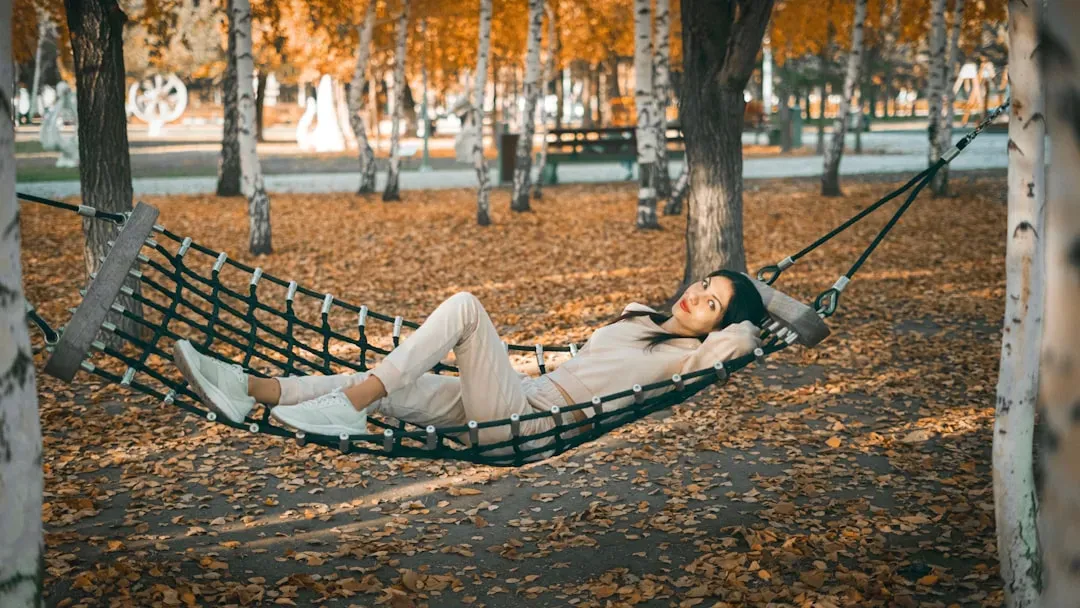
Studies confirm that taking time away from everyday stress delivers measurable physical and mental health benefits. This isn’t about being lazy or uncommitted.
Chronic stress interferes with your ability to complete tasks and messes with your memory, so taking time off functions like a mental tune-up. Think about that for a second. Your brain needs maintenance just like your car does. Research shows that simply spending time in a different area or trying a new experience can boost happiness and well-being, even if that area is twenty minutes from your house. You don’t need a passport to feel renewed. Honestly, sometimes the pressure to maximize an expensive vacation can backfire entirely. A staycation removes that burden.
Set Boundaries Like You Mean It

The number one staycation killer? Pretending you’re on vacation while secretly checking emails between mimosas. You need to treat your staycation exactly like a traditional vacation by setting clear boundaries with work and other responsibilities, and making sure to disconnect from work activities.
Tell your coworkers. Put it on your out-of-office message. Hide your laptop if you have to. Even a staycation can improve health, relationships, job performance, and perspective, helping you feel refreshed and more prepared when you return. The key word here is actually disconnecting. Half-hearted time off leaves you feeling more drained than before. You owe it to yourself to fully commit.
Become a Tourist in Your Own City
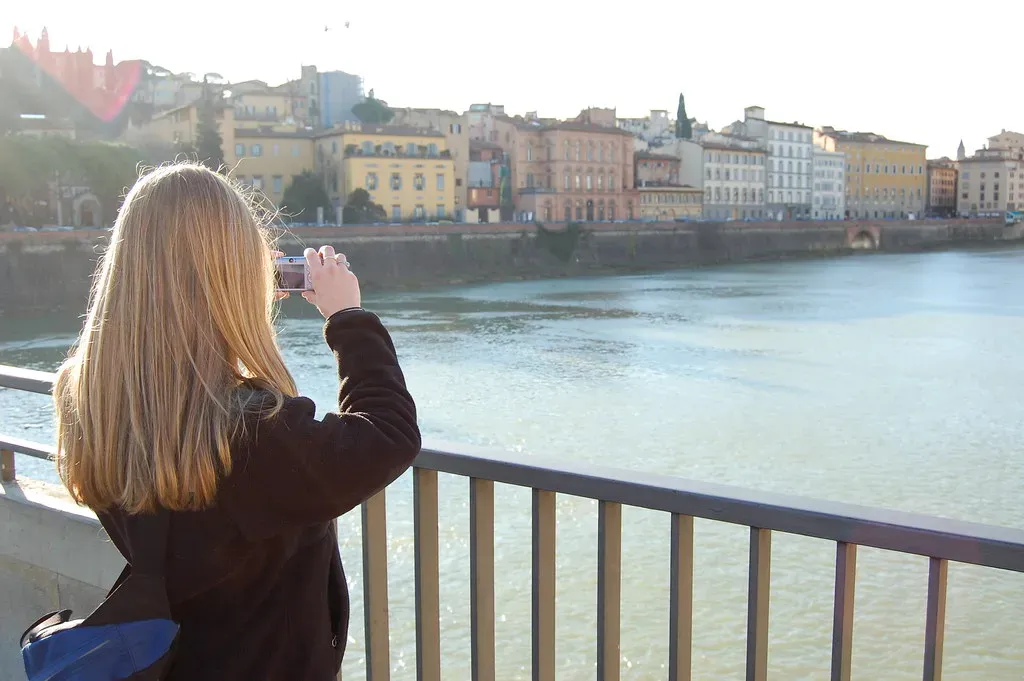
When was the last time you visited that museum downtown? Or walked through the historic district everyone raves about online? Most of us skip the local attractions because we assume they’ll always be there. Spoiler alert: you never go.
Nearly all surveyed Americans reported visiting at least one major tourist attraction in their own state. There’s a reason tourists flock to your city, and it’s not just hype. Nearly half of staycationers head to the beach for domestic trips, followed by national parks and city breaks. You’ve probably driven past incredible places a hundred times without stopping. Now’s your chance to see your town through fresh eyes. Book that food tour, take that architecture walk, or finally check out that quirky local spot you’ve been saving for “someday.”
Create an Actual Itinerary

Here’s where people mess up. They assume a staycation means winging it, which usually means scrolling on the couch for three days straight. Most people plan vacations with at least one thing they want to experience, so treat your staycation the same way and give yourself something to look forward to.
Write down three to five things you genuinely want to do. Maybe it’s trying that new brunch spot, hitting a hiking trail you’ve never explored, or booking a massage at the spa everyone keeps talking about. Having a loose plan keeps you engaged without overscheduling. Leave room for spontaneity, sure. Still, structure prevents you from slipping back into routine mode. The balance matters.
Partner offer
Splurge on One Luxe Experience

Staycations are significantly more affordable than traditional vacations that involve costly airfare, accommodations, and travel expenses. Use that extra cash to elevate your experience.
Ordering room service at a local hotel can make a staycation feel genuinely decadent, and with all the money saved on airfare and other travel costs, you deserve something special. Book a night at that boutique hotel you always admired. Get the fancy dinner reservation. Spring for the couples massage. You’re still spending way less than a flight to Europe, and luxury feels different when you’re not stressed about logistics. One indulgent choice transforms a basic weekend into something memorable. I’m not saying go broke, but don’t cheap out entirely either.
Explore Nature Without the Road Trip
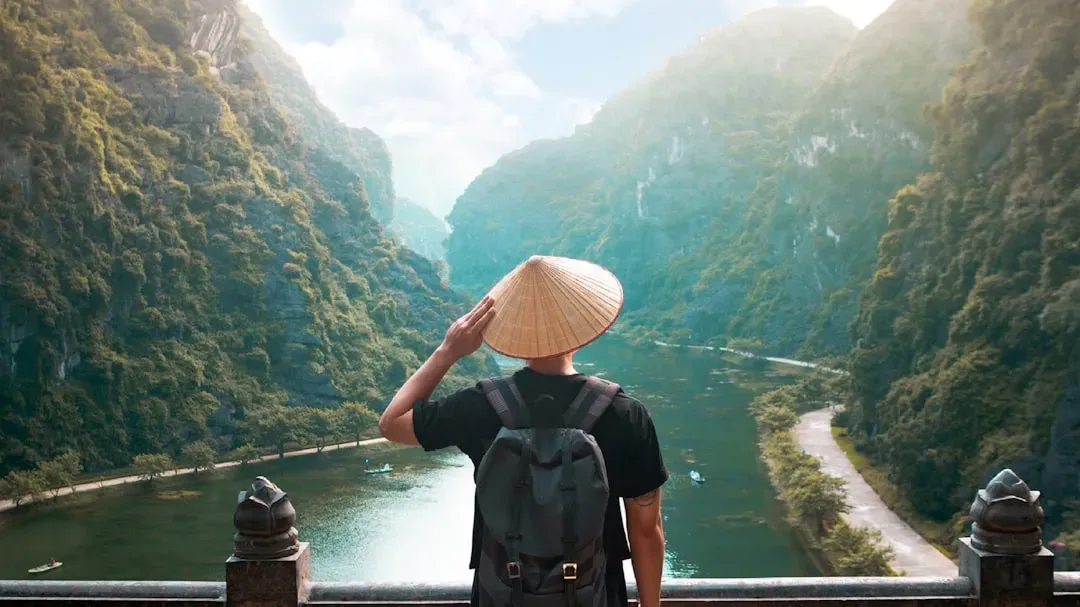
Staycations offer a greener alternative to long-distance travel by reducing the carbon footprint associated with air or road travel. Plus, nature resets your nervous system faster than almost anything else.
Find a state park within an hour’s drive. Pack a picnic. Bring a hammock. Leave your phone in the car for a few hours. Relaxation ranks as one of the most important factors of a staycation for nearly half of people, followed by family time and fun. Nature delivers all three without much effort. Even a simple afternoon hike can shift your entire mood. You’ll come back feeling like you actually went somewhere, even if you were only thirty miles from home.
Unplug From Digital Chaos
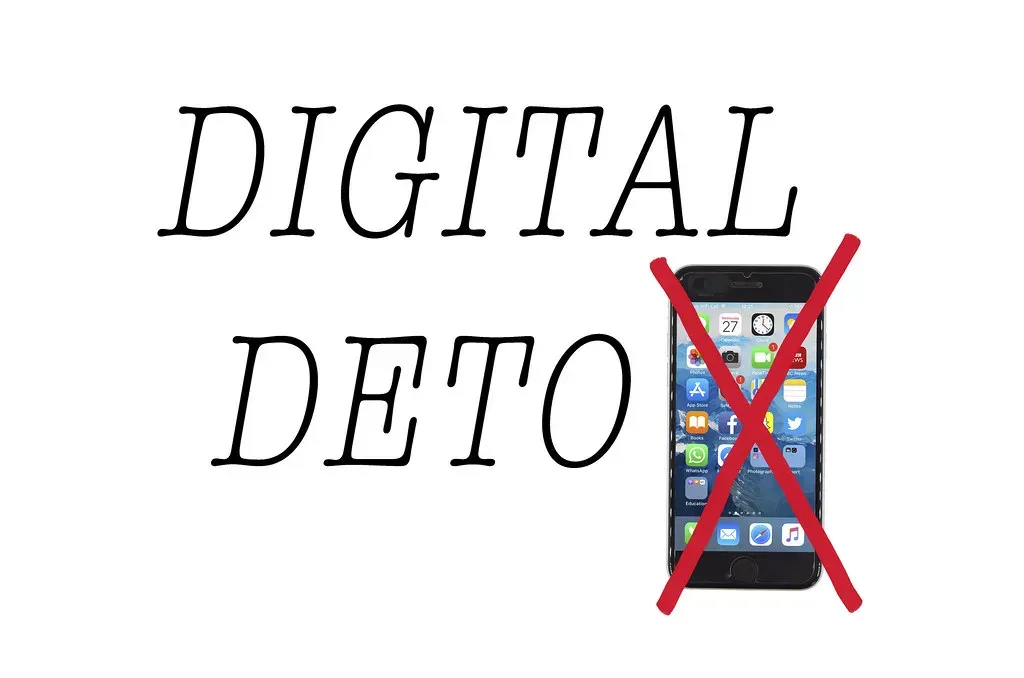
Stepping back from work emails and social media helps reset your brain, and even reducing screen time by half can make an impact, with two weeks of decreased screen time creating noticeable mental health improvements. Social media makes you feel like everyone else is having better vacations anyway.
Delete the apps temporarily if you need to. Put your phone on airplane mode. Watch actual movies instead of doomscrolling. The digital detox might feel uncomfortable at first, but that discomfort is exactly why you need it. We’ve trained ourselves to fill every quiet moment with content. Silence and boredom aren’t problems to fix. They’re opportunities to reconnect with yourself.
Make It a True Mental Escape

While staycation is no longer the only option for traveling, it’s likely to endure for the benefits it offers as a form of leisure. That longevity comes from people finally understanding what rest actually requires.
Rest is essential to mental wellness, not a luxury but a strategy, and whether you’re working with a therapist or simply creating more balance, taking mental breaks is nonnegotiable. Let go of the guilt. You’re not being unproductive by resting. You’re investing in your ability to function when it matters. Rest is not lazy; when you give yourself permission to rest, you send your nervous system a message that it’s safe to relax, which helps shift you out of fight-or-flight mode into a restorative state where healing and emotional balance can occur.
The perfect staycation doesn’t require perfection at all. It requires presence. It asks you to slow down, pay attention to what actually recharges you, and give yourself permission to enjoy the life you’ve built right where you are. So what are you waiting for? Your next escape is closer than you think.
Partner offer
Planning a trip to Vegas?
Compare hotel rates and show tickets on VEGAS.com.