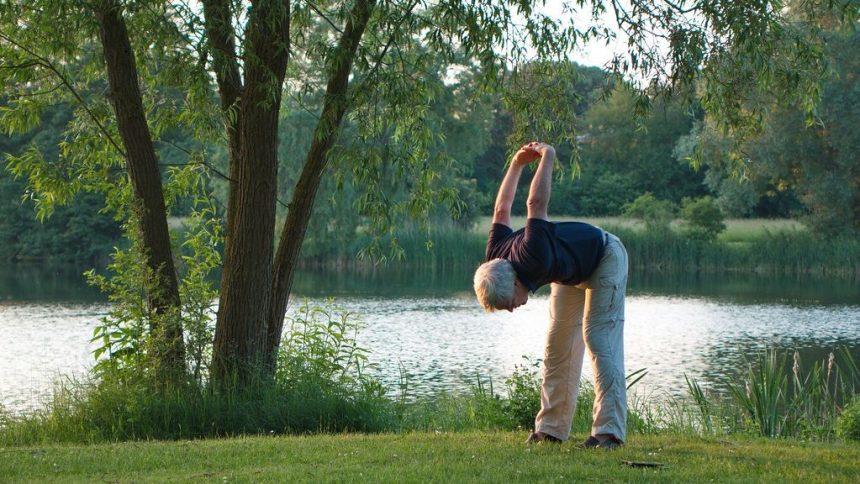
You’ve hit a milestone age, and honestly, the rules have changed a bit. Your body talks back more than it used to. Recovery takes longer. What worked in your thirties might leave you sore for days now. Here’s the thing, though: staying active past fifty isn’t just about looking good or chasing some fitness ideal. It’s about maintaining independence, protecting your bones, keeping your brain sharp, and quite frankly, feeling alive.
Let’s be real. Walking into a gym at this stage can feel intimidating, especially if you’ve been inactive for a while. The good news is that research in 2024 and 2025 has made it crystal clear which types of movement truly benefit those of us in the second half of life. These aren’t trendy workouts or Instagram worthy routines. They’re evidence backed, joint friendly activities that actually work. So let’s dive in.
Resistance Training with Heavier Loads
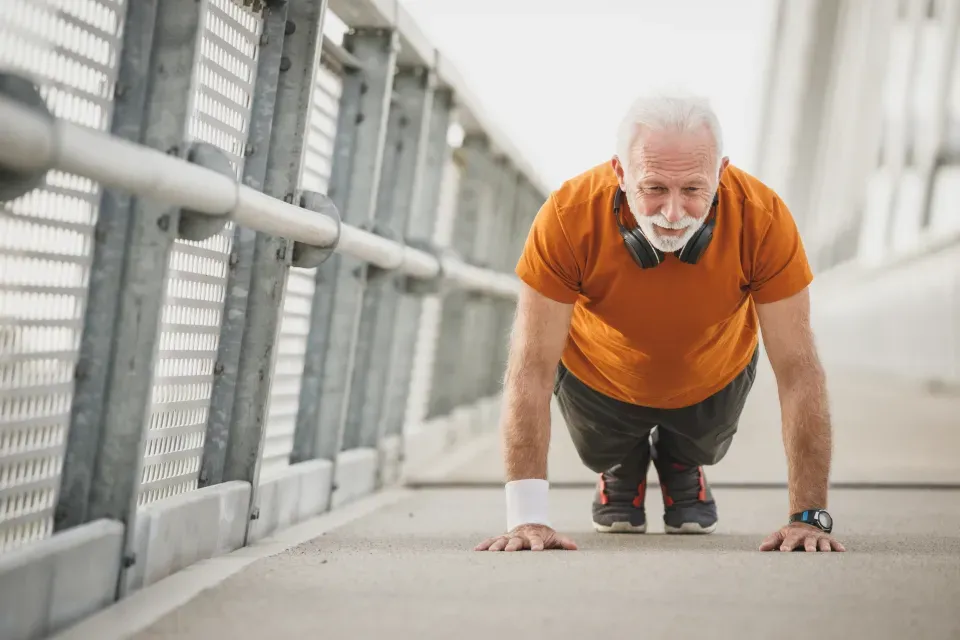
Most people assume that lifting weights gets riskier as we age. Turns out, that’s backwards. Recent studies show older adults can experience impressive gains of roughly two to eight percent in maximal force per strength training session through heavy to very heavy resistance training. We’re talking about challenging your muscles with real weight, not just pink dumbbells.
A 2025 study published in Archives of Gerontology and Geriatrics found that resistance training lowered blood pressure for people sixty and over, while a 2024 study in the International Journal of Epidemiology showed that any amount of weight training reduced all cause, cardiovascular, and cancer mortality for people with an average age of seventy. Those are results you can’t ignore. Researchers found that resistance training could slow and, in many cases, reverse the changes in muscle fibers associated with aging, even in people who didn’t start until after age seventy. The key is progressive overload, gradually increasing what you lift over time, which tells your body to maintain and build muscle instead of letting it waste away.
Brisk Walking
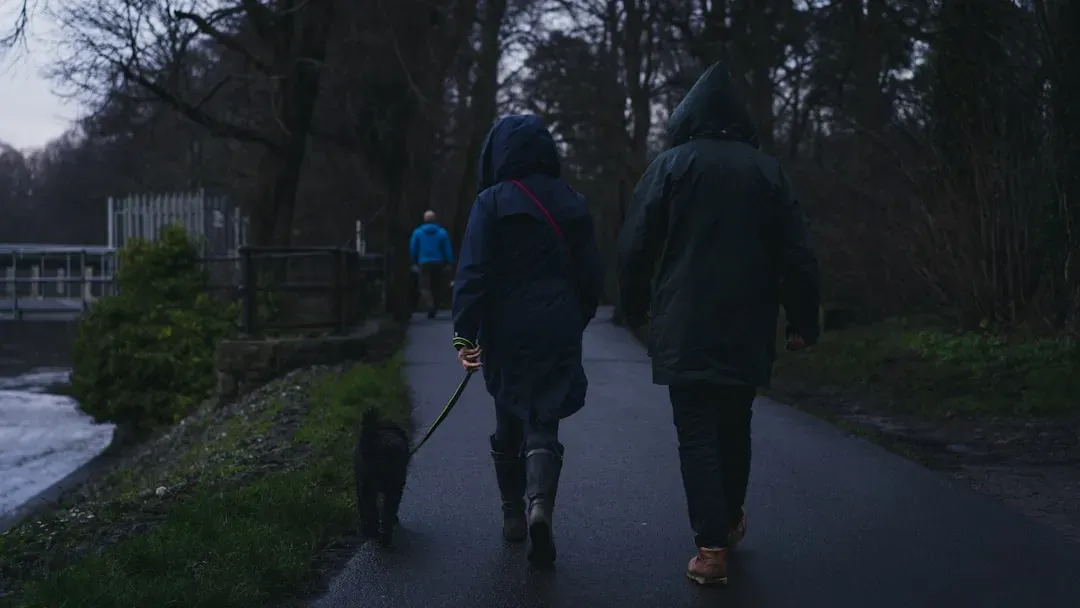
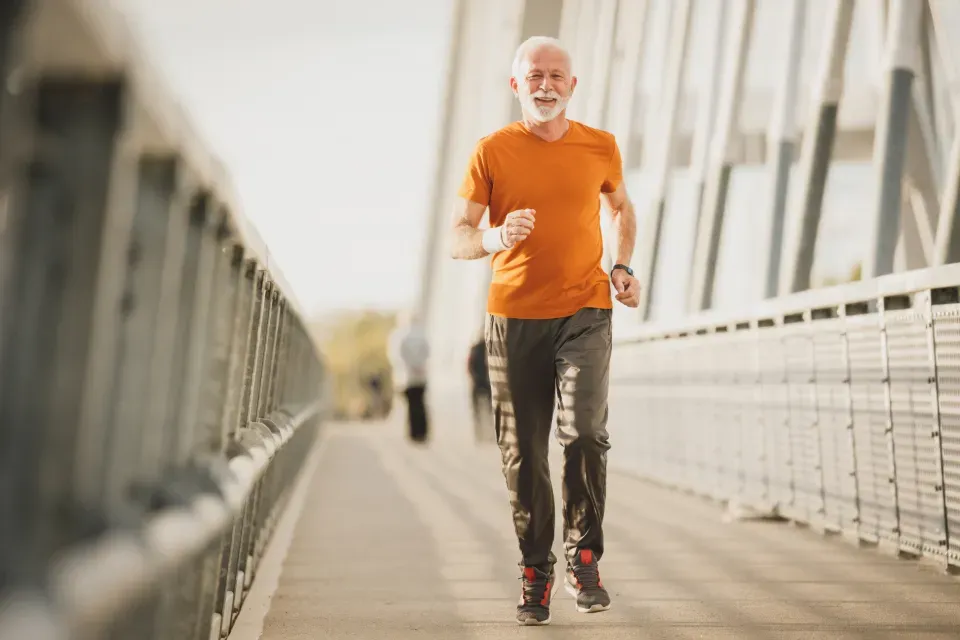
If there’s one exercise that deserves more credit, it’s walking. Not strolling. Not window shopping pace. We’re talking about moving with purpose. Meeting current physical activity guidelines by walking briskly for thirty minutes per day for five days can reduce the risk of several age associated diseases, and low intensity physical exercise like walking exerts anti aging effects and helps prevent age related diseases.
Walking decreases the risk or severity of various health outcomes such as cardiovascular and cerebrovascular diseases, type two diabetes mellitus, cognitive impairment and dementia, while also improving mental well being, sleep, and longevity. Research published in JAMA Network Open in 2025 found that people who engaged in higher levels of physical activity in midlife and late life had a more than forty percent lower risk of dementia than those with the lowest activity levels. Think about that for a second. Nearly half the dementia risk cut, just by moving more.
The Centers for Disease Control and Prevention recommends that adults get one hundred fifty minutes of moderate intensity physical activity per week and at least two days of strength training each week. Walking checks one of those boxes beautifully. You can do it anywhere, it costs nothing, and your joints will thank you.
Swimming and Aquatic Exercise
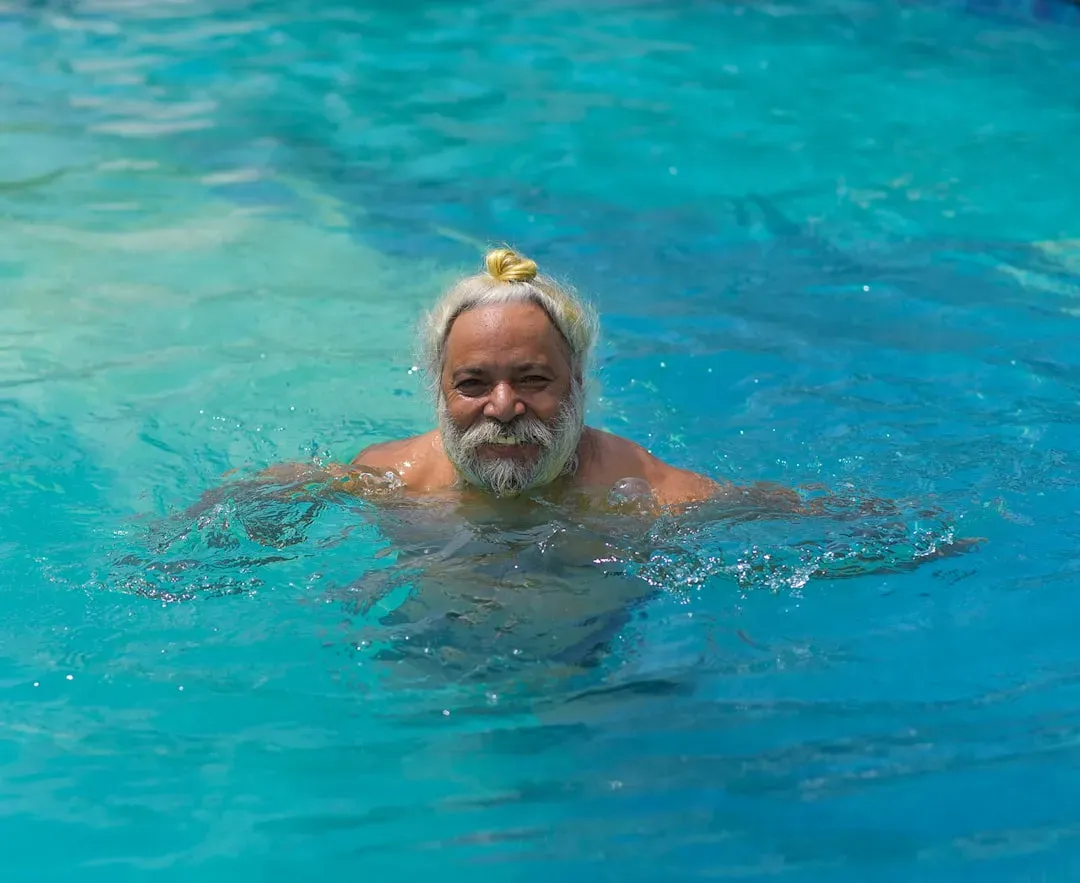
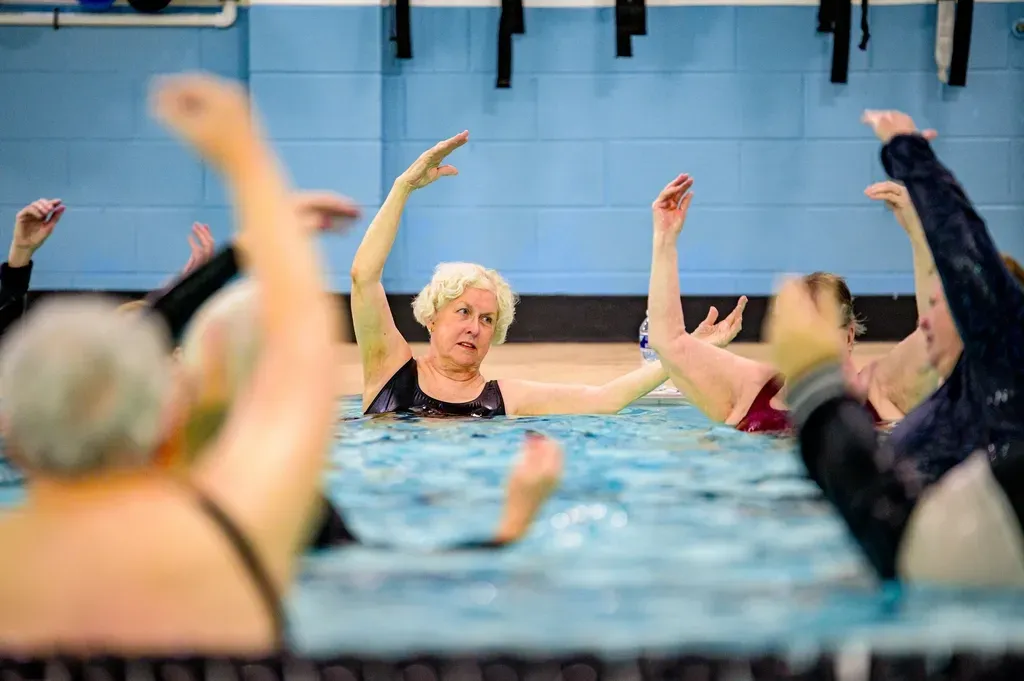
Water is magical for aging bodies. The resistance of water reduces stress on joints and bones, making it appropriate for those with arthritis or other musculoskeletal issues, while this low impact exercise modality minimizes injury risk and still provides resistance that strengthens muscles and enhances cardiovascular endurance. Swimming gives you a full body workout without the pounding.
One study conducted in Australia evaluated seventeen hundred men age seventy and older and found that those who swam were thirty three percent less likely to fall compared to men who did not swim, and men who participated in other forms of exercise in addition to swimming were no less likely to fall than those who only swam. That’s significant when you consider falls are a leading cause of injury and loss of independence in older adults.
A recent study showed that swimming two to three times a week reduces the risk of heart disease in older adults. Whether you’re doing laps, water aerobics, or aquatic resistance training, you’re getting cardiovascular benefits, building strength, and protecting your joints all at once. It’s hard to beat that combination.
Yoga for Balance and Flexibility
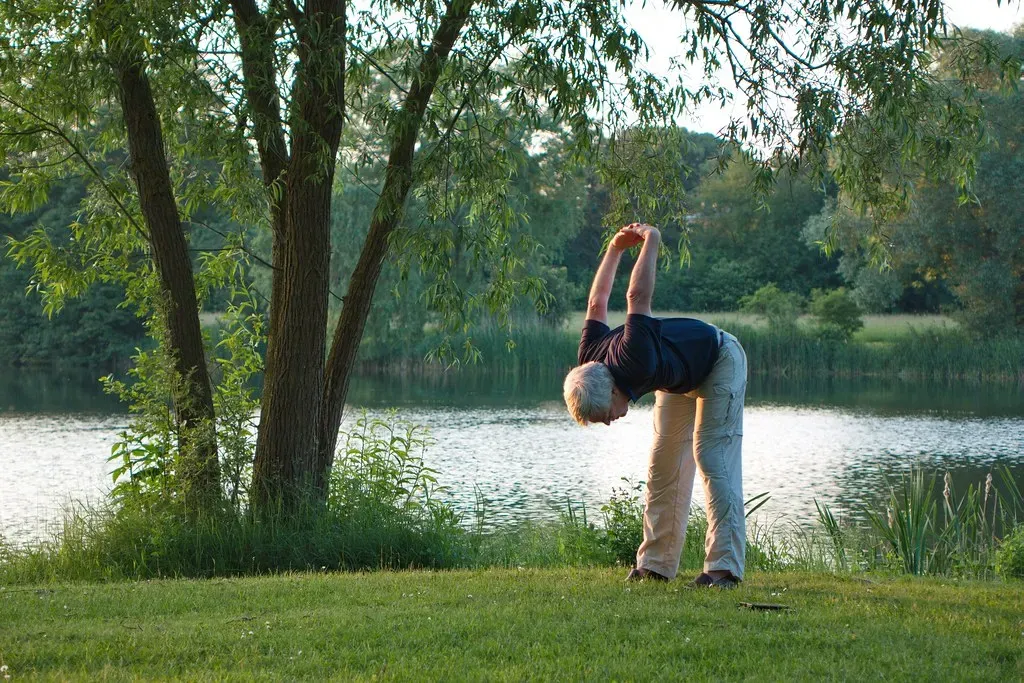
Yoga isn’t just for flexible twenty somethings in expensive leggings. Yoga interventions resulted in small improvements in balance and medium improvements in physical mobility in people aged sixty plus years. Balance matters more than you might think. Studies show that age related loss of muscle mass accelerates when you reach your seventh decade, and the risk of falling increases, with around one in three adults over sixty five falling at least once a year according to the NHS.
Yoga, a holistic mind body practice integrating physical postures, breath regulation, and mindfulness, may improve flexibility, balance, mobility, and cardiovascular function, reduce pain, and support the management of chronic conditions commonly associated with aging. Research has shown that seniors who practice yoga regularly experience better balance, which reduces their risk of falls over time. You don’t have to twist yourself into a pretzel. Chair yoga, gentle flow classes, and modified poses work just fine.
Power Training
Here’s something most people don’t know: muscle power declines faster than muscle strength as we age. Power is your ability to generate force quickly, like catching yourself when you trip or standing up from a low chair without using your hands. A meta analysis of six randomized controlled trials showed a significant benefit of power training compared to strength training for upper extremity muscle power, and ten trials showed similar benefits for lower extremity muscle power.
Power training means moving weights with intention and speed, not just lifting slowly. Research suggests that muscle power is a more critical determinant of physical functioning in older adults than muscle strength. Think about explosive movements like standing up quickly from a chair, stepping up onto a curb with confidence, or pushing yourself up from the ground. These are the movements that keep you independent and safe in daily life.
Cycling
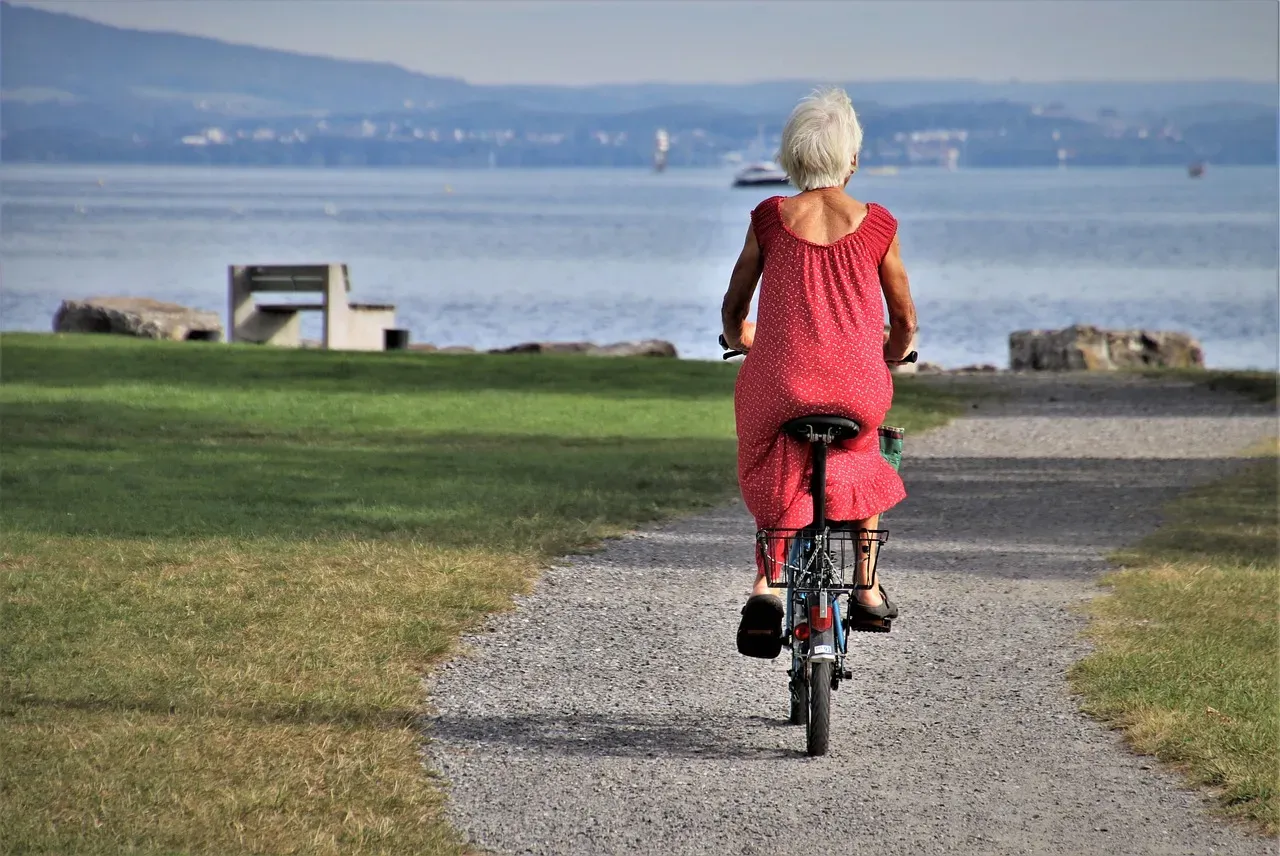
A 2023 review of older adults notes that cycling can help reduce the risk of falls, and research from 2017 found that cycling may help reduce the risk of falls in older adults, as it is a low impact activity that does not put excess strain on the joints. Whether you’re on a stationary bike at the gym or riding through your neighborhood, cycling builds cardiovascular endurance while being gentle on your knees and hips.
You can adjust intensity easily, making it suitable whether you’re just starting out or have been active your whole life. Start slow and gradually increase duration and intensity. The beauty of cycling is that it works large muscle groups, gets your heart rate up, and gives you that sense of freedom and movement without the joint stress of running or jogging. Plus, if you’re outdoors, you get the added mental health benefits of fresh air and changing scenery.
High Intensity Interval Training (Modified)
Don’t let the name scare you off. Numerous studies have demonstrated that high intensity interval training may be a more time efficient approach than continuous moderate exercise for achieving specific health benefits in the older adult population. We’re not talking about bootcamp style torture sessions. Modified HIIT for older adults means alternating short bursts of higher effort with recovery periods.
In a 2025 systematic review published in the International Journal of General Medicine, people over sixty who participated in aerobic exercise experienced lower blood pressure and heart rates. You might do thirty seconds of brisk walking followed by a minute of slower walking, or cycle harder for brief intervals. The intervals can be adjusted to your fitness level. NIA supported research has found that the best recipe for improving physical function and avoiding disability is a combination of walking and resistance training, and even a low intensity strength and walking program has substantial benefits.
Conclusion
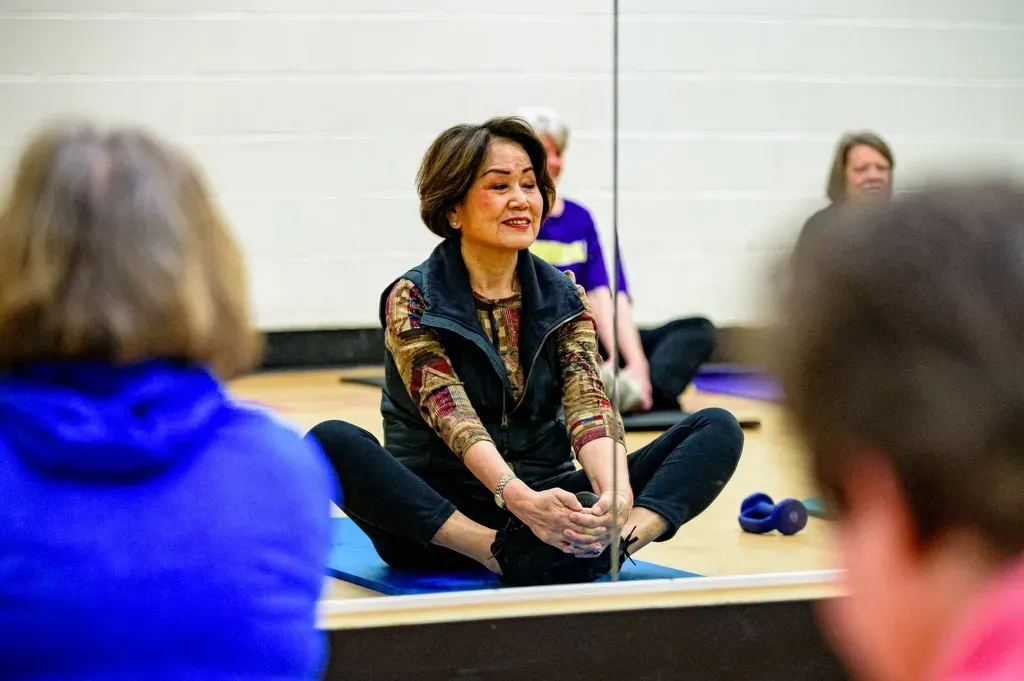
Look, I know starting something new at this age takes courage. You might feel self conscious or worry about injury. Those feelings are valid. What matters more, though, is what you’ll lose if you don’t move. Independence. Bone density. Mental sharpness. The ability to play with grandkids or travel without assistance.
The exercises we’ve covered aren’t about vanity or competition. They’re about functionality, longevity, and quality of life. Pick one or two that appeal to you and start there. Consistency beats intensity every single time. Your future self, the one who can still climb stairs, carry groceries, and live independently at eighty, will be grateful you started today. What’s stopping you from taking that first step?