I Love Lucy: The Queen of Prime Time Comedy

Here’s the thing about television in the 1950s: most families didn’t even own a set at the start of the decade. In the beginning of that decade, less than 10% of American households owned a television set, yet by the end, that figure skyrocketed to over 85%. Leading this cultural revolution was one show that absolutely dominated ratings in a way we’d never see again. Within six months of its debut, I Love Lucy was America’s No. 1 show, with about 11 million families tuning in every week – and that was when there were only 15 million TV sets in the country. The impact of Lucy Ricardo’s antics went far beyond entertainment. The nation’s reservoirs dipped whenever I Love Lucy broke for a commercial, as viewers were using the ad breaks to go to the bathroom.
The Twilight Zone: Where Reality Gets Twisted
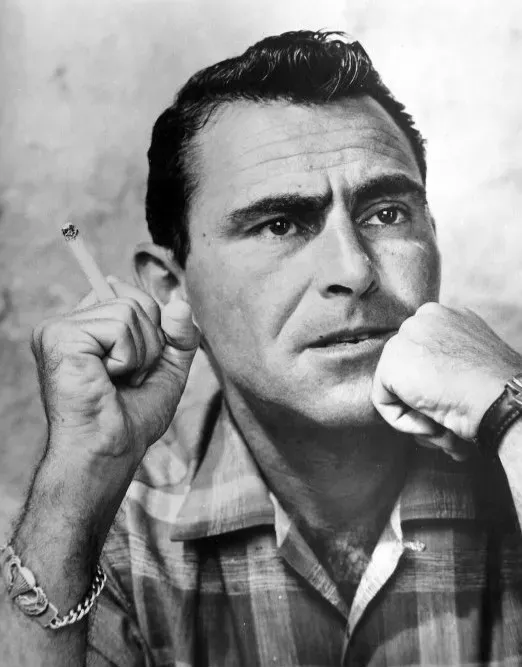
The first series, shot entirely in black-and-white, ran on CBS for five seasons from 1959 to 1964, yet its influence stretches across multiple generations. What made Rod Serling’s creation so enduringly powerful wasn’t just the eerie stories or unexpected twists. The message that he’s sending is so apparent today, as everything that he predictively wrote about is coming back to us, notes Jodi Serling, the creator’s daughter. TV Guide ranked the original TV series #5 in their 2013 list of the 60 greatest shows of all time. The show’s genius lay in using science fiction as camouflage for social commentary. The Twilight Zone has never been off the air, as it’s always been there and has never died.
Gunsmoke: When Westerns Ruled Television
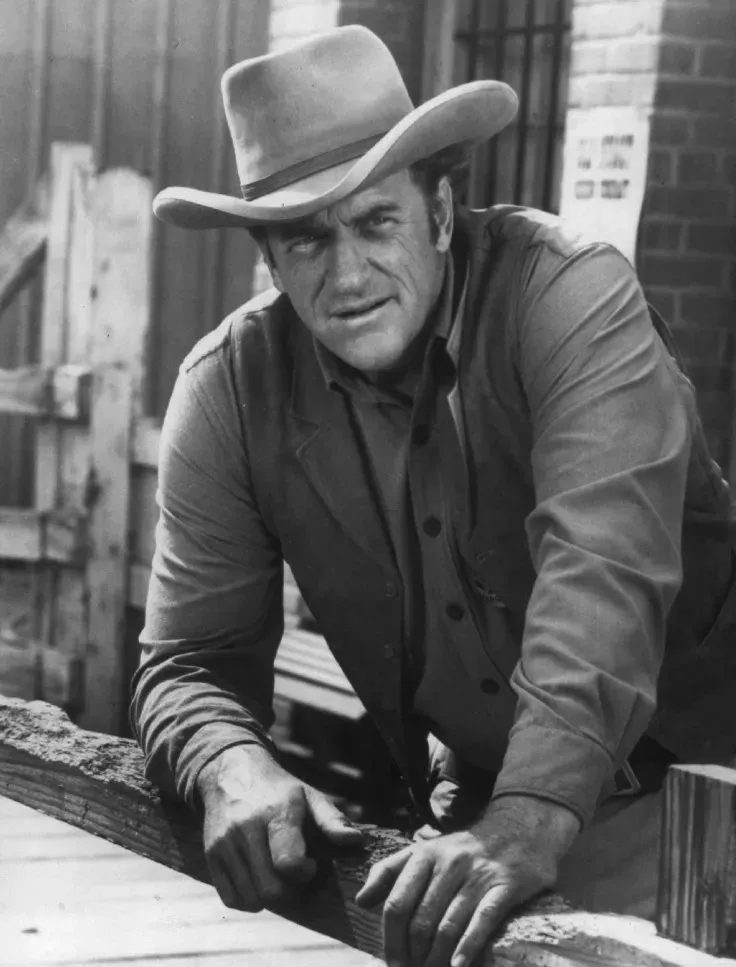
In the late 50s, westerns completely took over, as in 1958, eight of the top ten TV shows were westerns. The trend wasn’t subtle or gradual. Families across America suddenly couldn’t get enough of dusty frontier towns and gunfights at high noon. Premiering on CBS in 1955, Gunsmoke was already a proven hit by the start of the 1960s, and it continued to dominate early in the decade, including multiple seasons at #1 in the Nielsen ratings, remaining a Top 25 fixture for nine of the 10 years. It’s hard to imagine now, when TV genres shift so rapidly, just how thoroughly westerns saturated the airwaves during this golden era.
The Beverly Hillbillies: Fish Out of Water Comedy Perfection
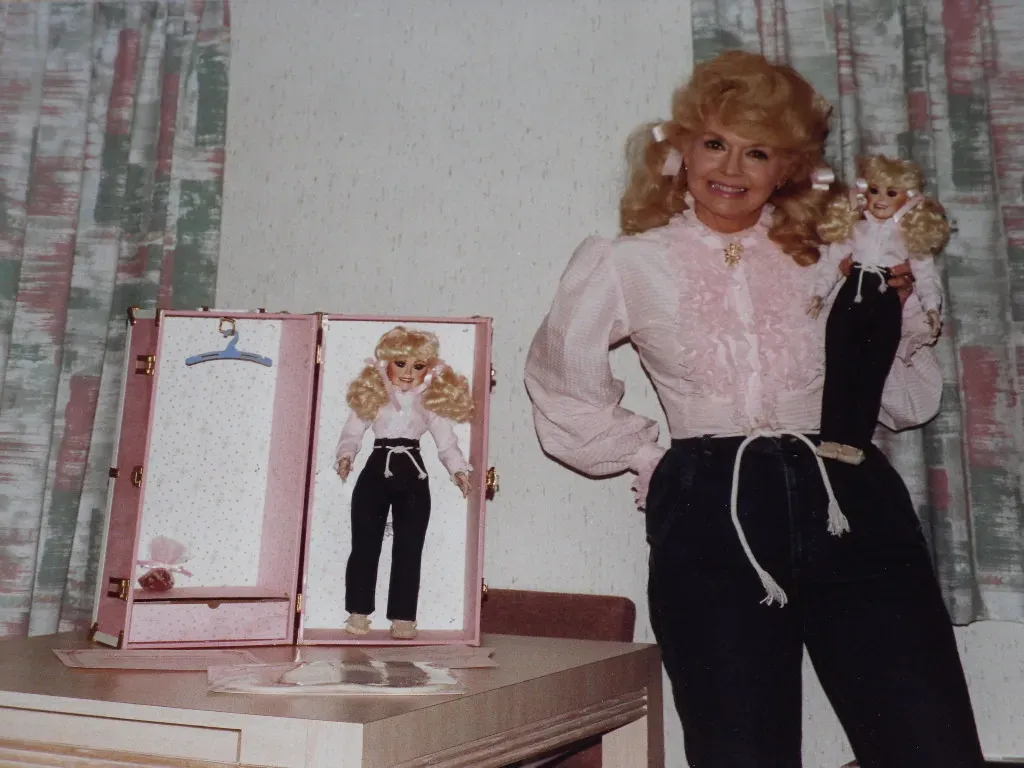
Sometimes the simplest concepts create the biggest laughs. Take a family of rural folks, suddenly strike them rich with oil money, then drop them into the wealthiest neighborhood in California. The culture clash practically wrote itself. Lighthearted sitcoms and comedies ruled the day as some of the most-watched shows were series like The Dick Van Dyke Show, The Beverly Hillbillies and The Andy Griffith Show. The show’s appeal crossed demographic lines effortlessly. Viewers in small towns saw themselves in the Clampetts, while city dwellers laughed at the absurdity of their misunderstandings about sophisticated urban life.
Bonanza: Television’s First Color Western Phenomenon
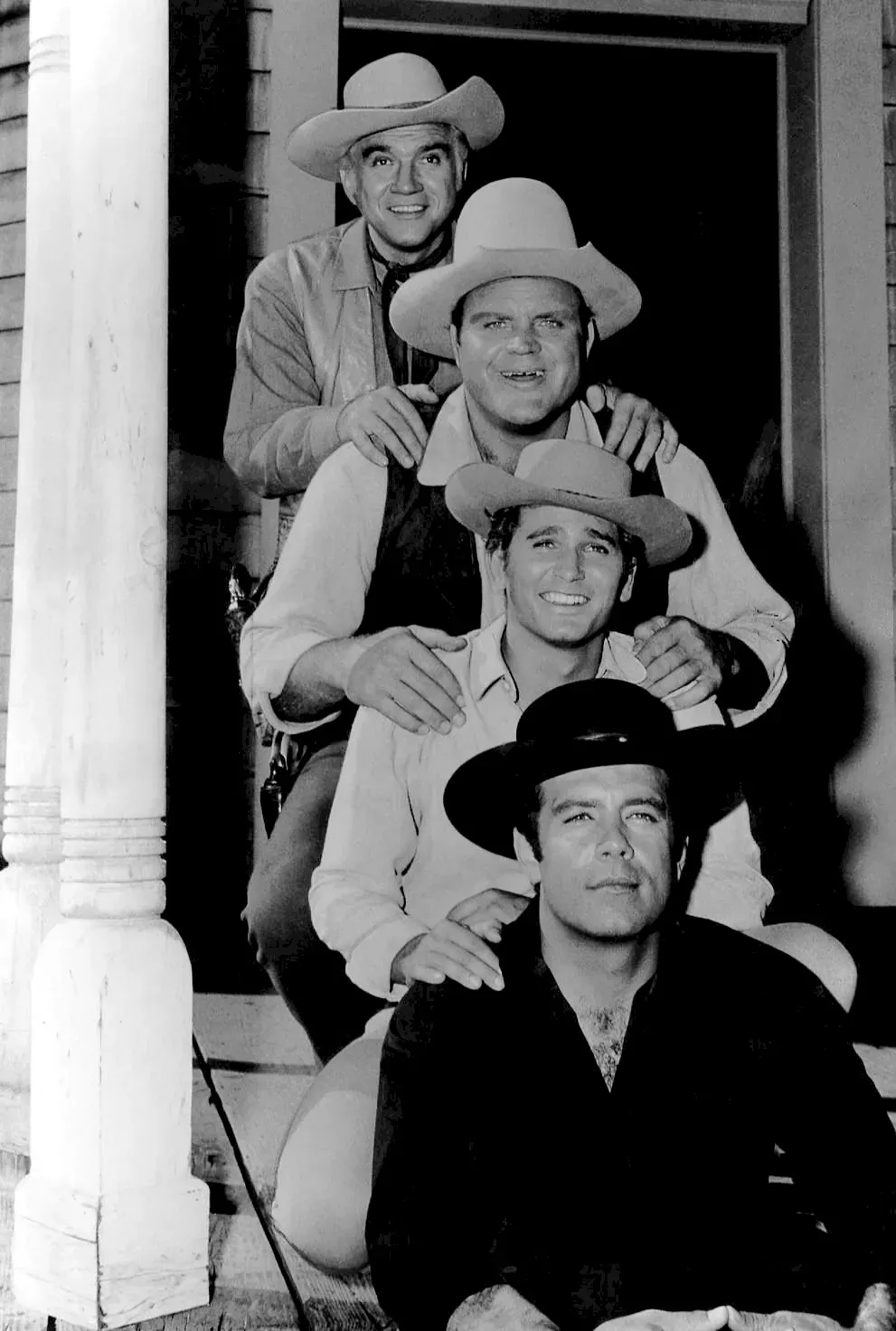
TV Shows in the early 1960s were mostly in black and white, but color started to catch on in the mid-60s and by 1967 every show was broadcast in color. Leading that transition was one particular western family saga. Bonanza was not only the first color Western to grace people’s TV screens but also the first color television show ever aired. The Cartwright family’s sprawling ranch adventures captivated audiences throughout the sixties. Honestly, the show’s timing couldn’t have been better. Families who’d just invested in expensive new color sets wanted programming that justified the purchase, making Bonanza’s vibrant landscapes an instant selling point.
Star Trek: Boldly Going Into Social Commentary
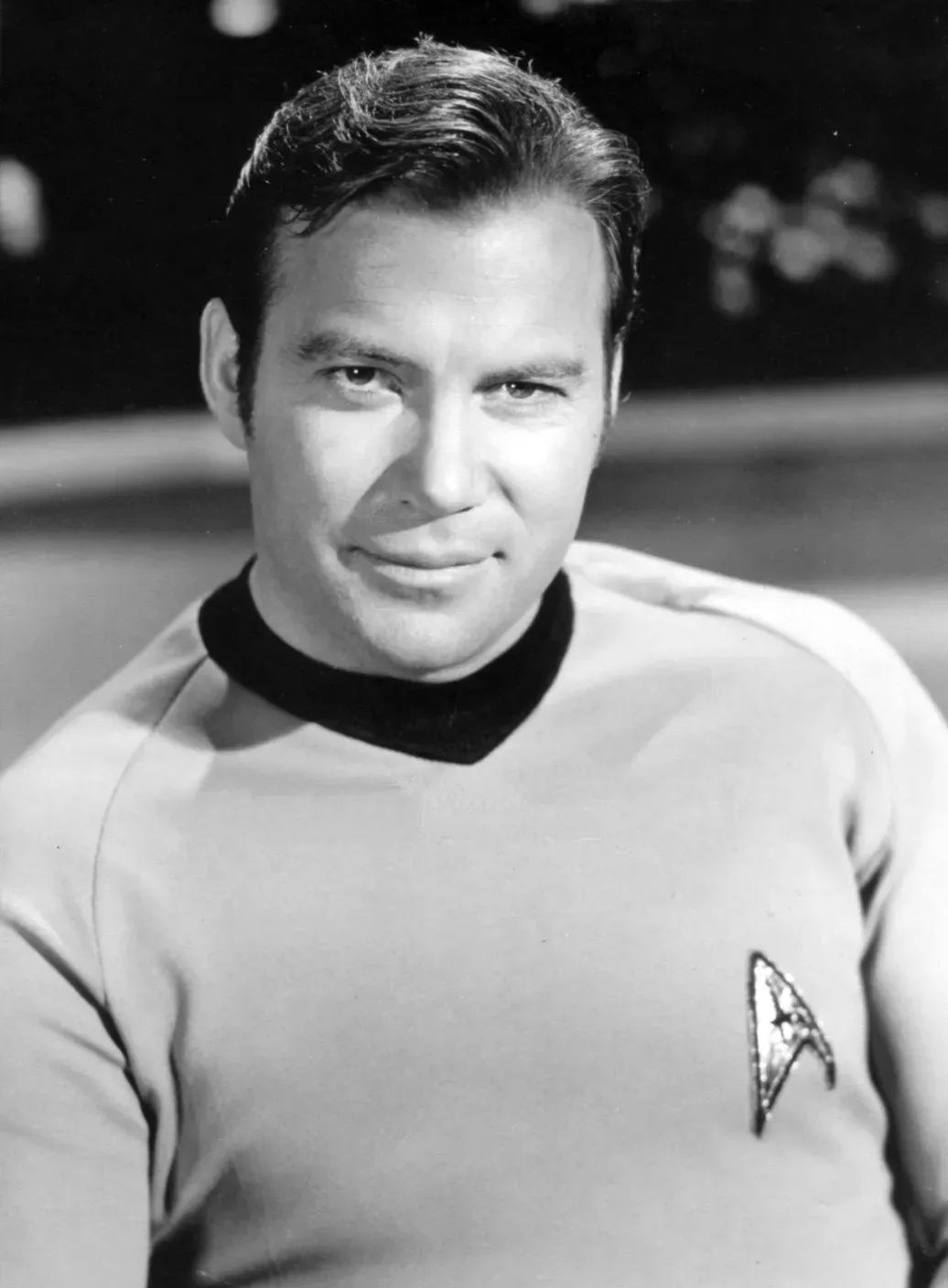
Breaking new ground in both science fiction storytelling and progressive social commentary, Gene Roddenberry’s visionary series chronicled the adventures of Captain James T. Kirk, First Officer Spock, and their dedicated crew aboard the USS Enterprise, as they explored strange new worlds and encountered fascinating aliens, while the series challenged societal norms and tackled thought-provoking issues. The original series didn’t just entertain; it sparked conversations about race relations, war, and humanity’s future. Star Trek has spawned 14 movies and 11 shows, including Star Trek: Strange New Worlds, which wraps up its third season on Sept. 11, 2025. That kind of longevity speaks volumes about the show’s enduring relevance.