Walk through any gallery in Las Vegas and you’ll notice something curious. The piece that stops you in your tracks isn’t always the most polished one. Sometimes it’s a sculpture with visible chisel marks, or a painting where you can see the artist changed their mind halfway through. There’s something about these imperfections that pulls us in, makes us lean closer, gets us thinking.
Perfect art can feel cold, like looking at a computer rendering. When everything’s flawless, there’s nowhere for your eye to rest, nothing to wonder about. But give me a crack in the glaze or a brushstroke that went a little wild, and suddenly I’m seeing the human behind the work. That’s where the magic happens.
The Japanese Philosophy That Changed Everything
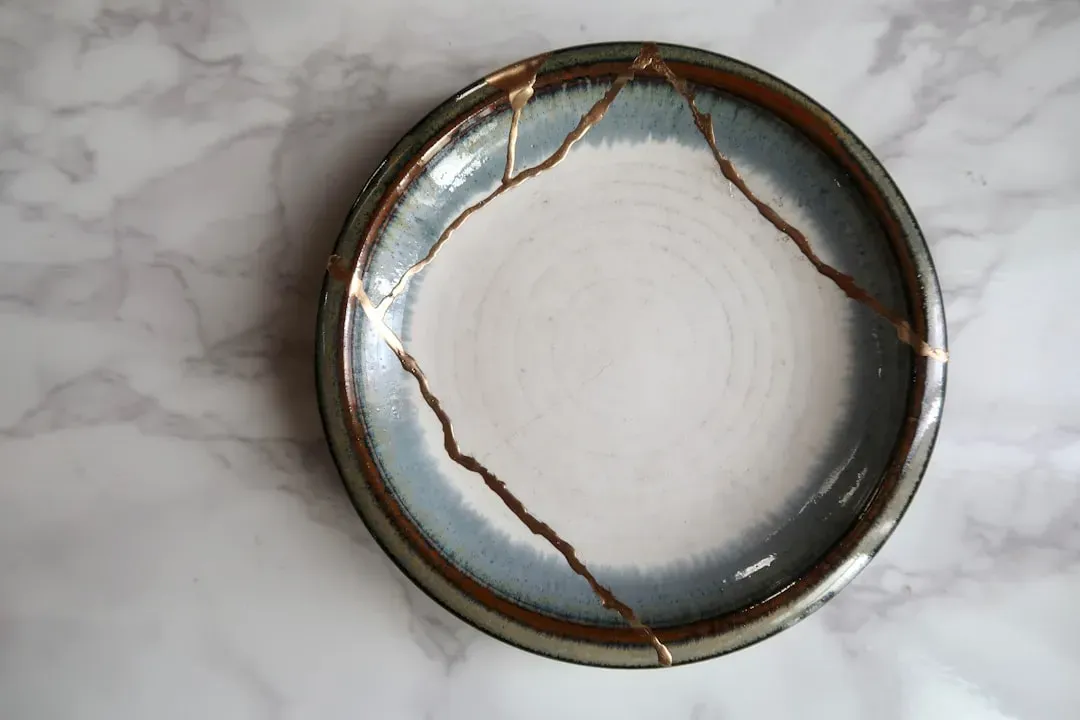
The Japanese have a word for this: wabi-sabi. It’s the idea that beauty lives in the impermanent, the incomplete, the imperfect. Think of a tea bowl with an irregular shape, or a ceramic piece repaired with gold seams that highlight the breaks rather than hide them. This philosophy has been around for centuries, but it’s hitting differently now in our filtered, photoshopped world.
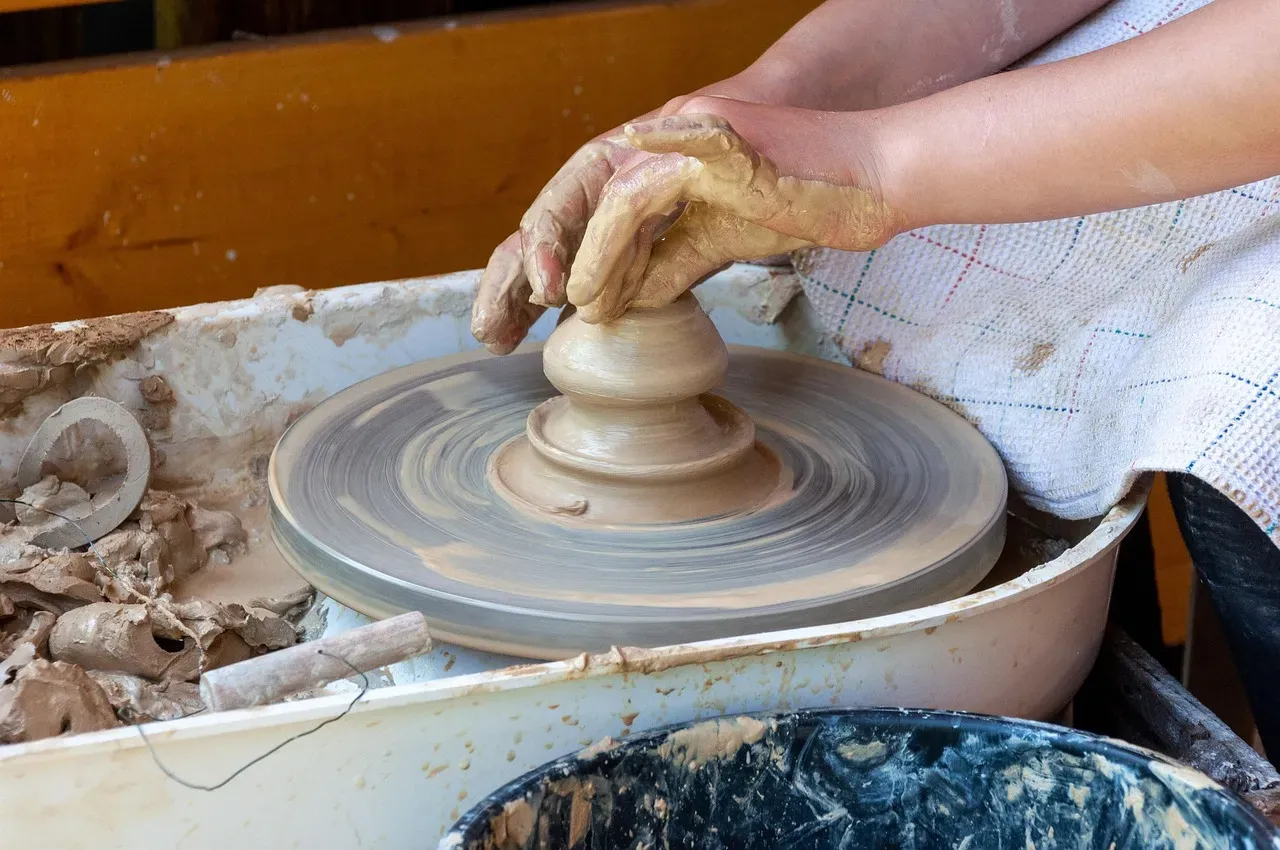
Vegas artists are catching onto this too. Local ceramicists deliberately leave fingerprints in their clay. Painters embrace drips and smudges. It’s not laziness or lack of skill. It’s a conscious choice to let the process show through, to celebrate the messy reality of creation rather than pretending art emerges fully formed and pristine.
When you see those imperfections, your brain actually works harder to make sense of what you’re looking at. That extra effort creates a deeper connection. You’re not just passively consuming something perfect. You’re actively engaging with something real.
Our Brains Are Wired for Realness
Here’s the thing about human psychology. We’re incredibly good at spotting things that look too perfect, and when we do, alarm bells go off. It’s called the uncanny valley effect. When something gets close to perfect but not quite there, it creeps us out. But interestingly, when something is clearly imperfect, we relax into it.
Research shows that people spend more time looking at artworks with visible imperfections. The eye literally has more to explore. A perfectly smooth surface? Your brain processes it in seconds and moves on. But give it texture, irregularity, unexpected elements, and suddenly you’re studying it for minutes.
Think about the murals popping up around downtown Las Vegas. The ones that get photographed most aren’t the slickest ones. They’re the pieces where you can see the spray paint drips, where colors bleed into each other unpredictably, where the artist’s hand is visible in every mark.
Our ancestors survived by noticing things that stood out from perfect patterns. A bent branch might mean an animal passed through. An irregular shape could signal danger or opportunity. We’re still carrying that wiring, and it makes us naturally drawn to variation and uniqueness.
Perfection Kills the Story
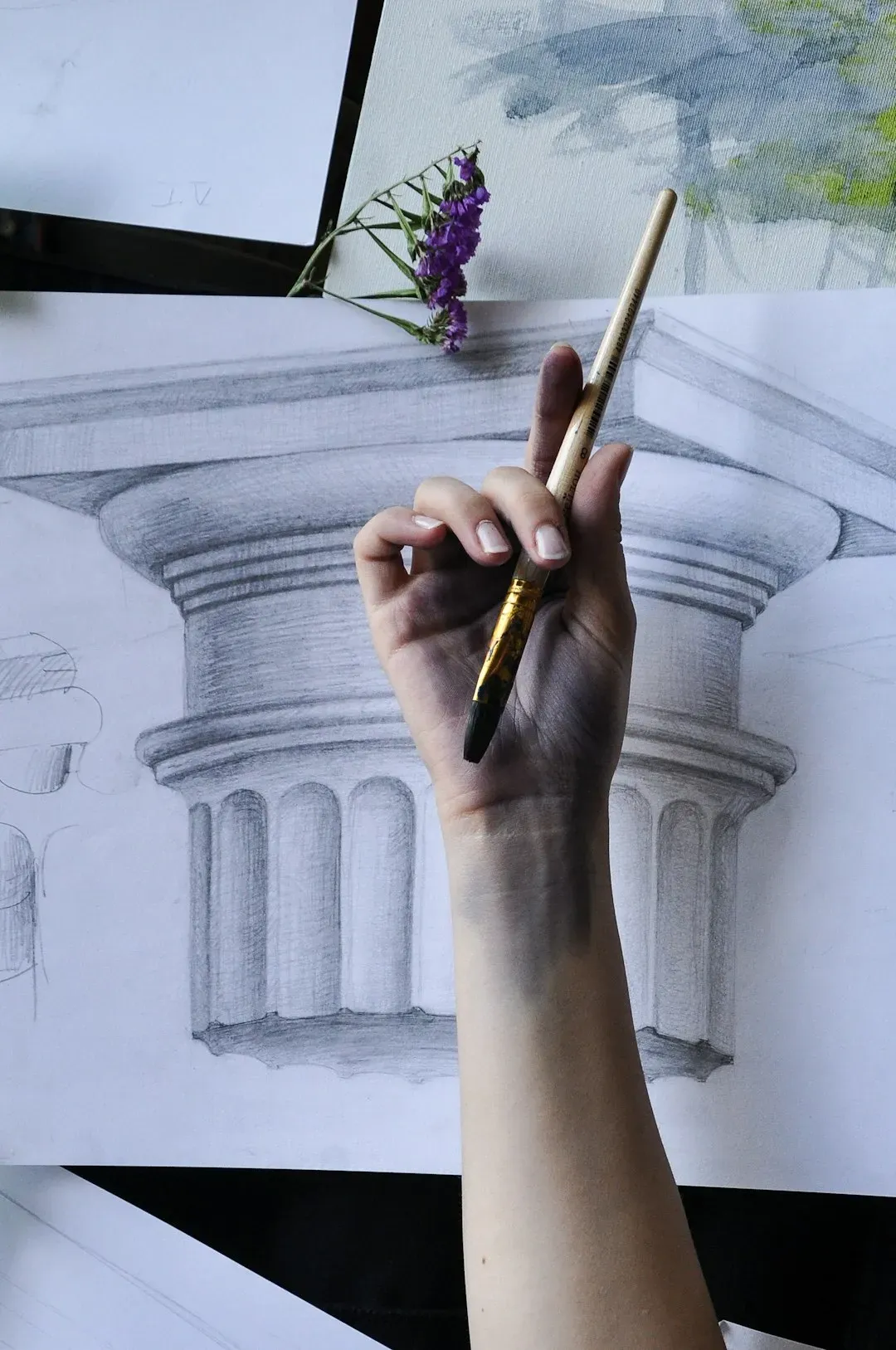
Every scratch, smudge, or wobbly line tells a story about the moment it was made. Maybe the artist’s hand shook because they were nervous. Maybe they ran out of their favorite paint and had to improvise. These accidents and adjustments are the fingerprints of the creative process.
I’ve watched street artists work on Fremont East, and the moments that make their pieces special are often the mistakes they lean into. A line goes wrong, so they build the whole composition around it. That kind of creative problem-solving is visible in the final work, and it makes the piece feel alive.
Flawless work doesn’t give you that narrative. It just is, fully formed, like it was always meant to exist exactly that way. But art with visible history invites questions. Why did they choose to leave that? What happened here? What were they thinking?
The Authenticity Economy
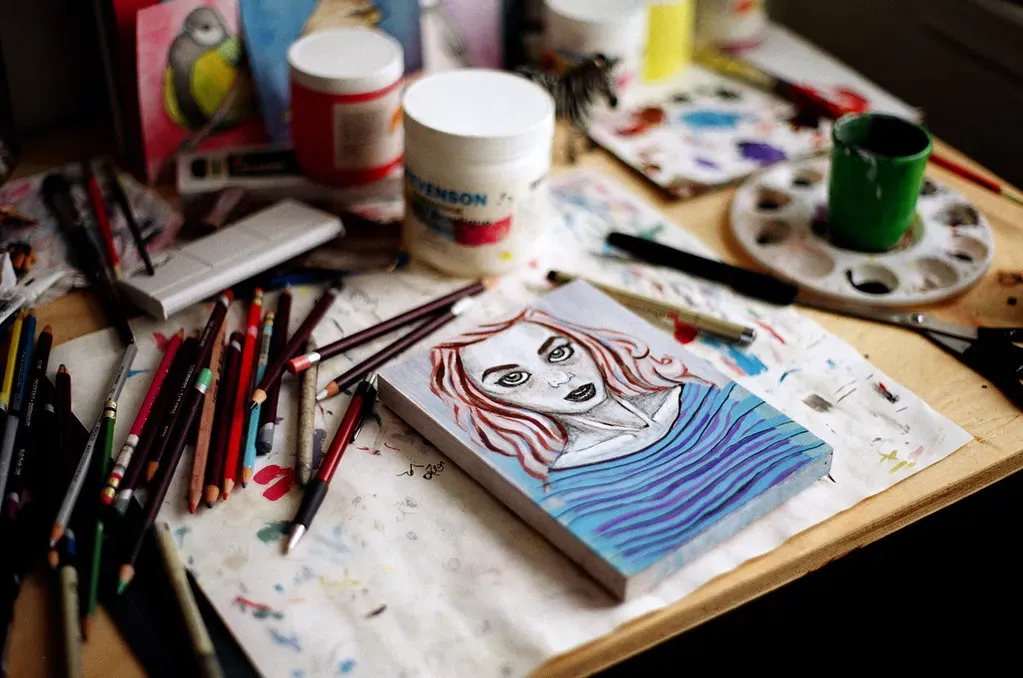
We’re living through a massive backlash against fake perfection. Social media made everyone realize that those flawless photos were lies. Now there’s a hunger for authenticity in everything, including art. People want to see the real process, the struggles, the human element.
Vegas galleries are noticing this shift. Pieces that show their construction process are selling better than ever. Artists who document their mistakes and pivots on social media are building bigger followings. Collectors want art that feels genuine, not art that looks like it came off an assembly line.
The irony is that creating convincingly imperfect work actually requires massive skill. It’s easy to make something accidentally messy. It’s much harder to know exactly which imperfections to embrace and which to fix. That’s mastery.
Local art schools are even teaching this now. How to recognize happy accidents. When to stop fixing something. How to balance intentionality with spontaneity. The goal isn’t sloppiness but rather a kind of controlled wildness that feels both deliberate and free.
Emotional Connection Through Vulnerability
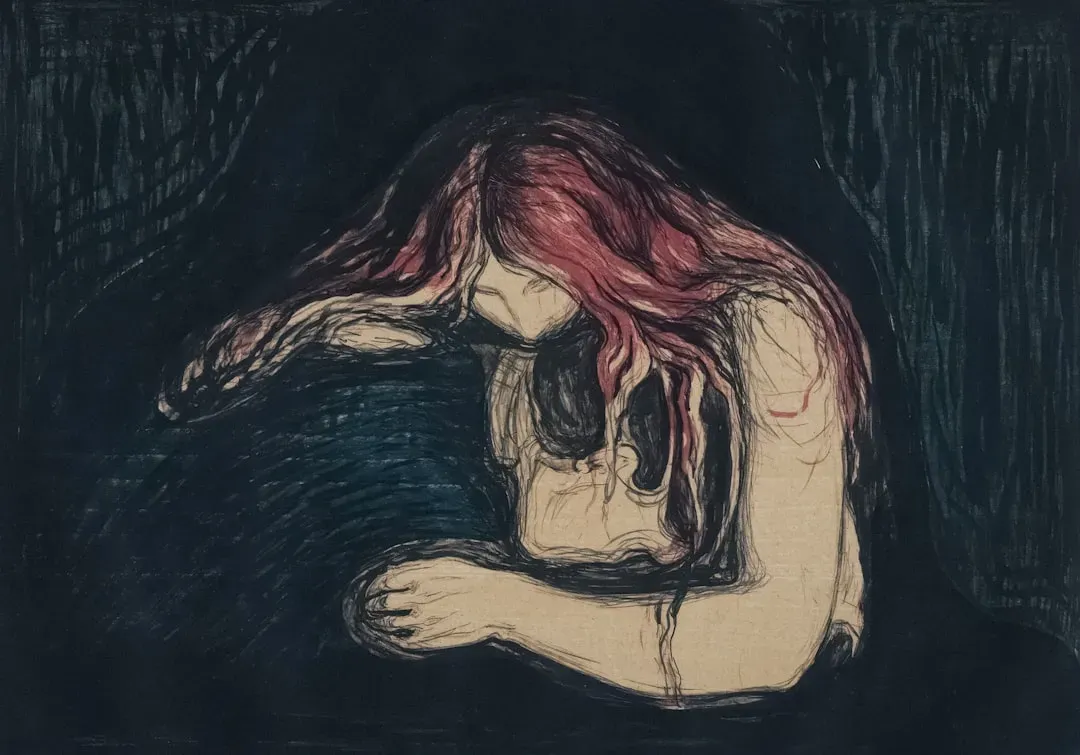
When artists hide their process and present only perfection, they’re putting up walls. But when they let you see the struggle, the hesitation, the humanity in their work, they’re being vulnerable. And vulnerability creates connection faster than anything else.
There’s a reason why the most beloved artworks often have visible pentimento, those ghostly traces of earlier versions showing through. Leonardo da Vinci changed his mind constantly, and we can see those changes in his paintings. Those revisions make the work feel more precious, not less, because they show us his thinking process.
In Vegas, where so much is about spectacle and illusion, there’s something refreshing about art that doesn’t pretend. Art that admits it was made by a person who had doubts, made choices, took risks. That honesty resonates, especially in a city built on fantasy.
The Mathematics of Beauty
Scientists have actually studied this. When people look at perfectly symmetrical faces, they rate them as attractive but forgettable. Slight asymmetries, little imperfections, those are what make faces memorable and truly beautiful. The same principle applies to art.
Perfect symmetry is easy for our brains to process, which means we get bored quickly. Asymmetry and imperfection require more mental effort, which paradoxically makes us enjoy things more. We value what we work for, even if that work is just the extra few seconds our brain spends trying to make sense of something unexpected.
Look at traditional Native American art, which often deliberately includes small imperfections or asymmetries. This wasn’t accidental. It was understood that absolute perfection might offend the spirits or suggest arrogance. But it also made the pieces more visually interesting, more human, more real.
Why Machine-Made Art Falls Flat
With AI-generated art flooding the internet, we’re seeing this preference for imperfection play out in real time. AI can create technically flawless images. Perfect composition, perfect color balance, perfect execution. And yet something feels missing.
The human mistakes, the evidence of struggle and choice, the quirks that come from a person’s unique way of seeing the world, that’s what AI can’t replicate. Not really. It can imitate imperfection, but that’s different from genuine organic variation that emerges from a human making real-time decisions.
This is why handmade art is becoming more valuable, not less, in the digital age. The imperfections are proof of origin, markers of authenticity in a world where perfect copies are everywhere. Those little flaws are what make something irreplaceable.
The Freedom of Letting Go
For artists, embracing imperfection is liberating. The pursuit of perfection is exhausting and often paralyzing. How many people never finish projects because they’re never good enough? How much art never gets made because the artist is terrified of making mistakes?
When you give yourself permission to be imperfect, suddenly creating becomes play again instead of torture. You can experiment without fear. You can take risks. Some of the most innovative art in Las Vegas right now is coming from artists who stopped trying to be perfect and started trying to be interesting.
There’s also something democratic about it. Perfection requires endless resources, time, expensive materials. But meaningful imperfection? That’s accessible to everyone. It’s the great equalizer, proof that you don’t need perfect tools or perfect technique to make something that moves people.
In a strange way, imperfection is more honest about what art actually is. It’s not about achieving some impossible ideal. It’s about communication, expression, connection. And all of those things happen more easily when there’s room for humanity in the work.