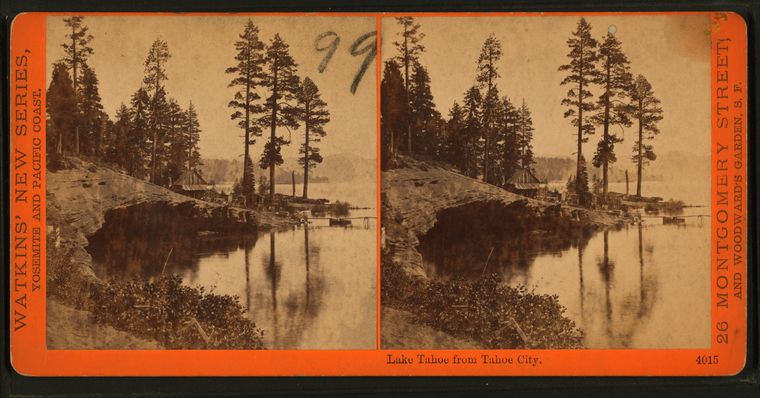
Record-Breaking Return Triples Tribal Holdings (Image Credits: Upload.wikimedia.org)
The Washoe Tribe of California and Nevada completed a transformative land acquisition north of Lake Tahoe, marking a pivotal moment in regional history.[1][2]
Record-Breaking Return Triples Tribal Holdings
Conservation advocates hailed the purchase as the largest tract ever returned to a tribe in the Sierra Nevada, encompassing Reno and surrounding areas. The deal nearly triples the Washoe Tribe’s land base, providing a substantial foundation for cultural and ecological revival.[1]
Tribal Chairman Serrell Smokey described the achievement during a recent announcement. “We weren’t given a reservation land base originally. Everything was hard-fought and worked-for,” he stated. The 10,274 acres, formerly Loyalton Ranch, now bear the name WélmeltiɁ Preserve, honoring a historic Washoe band. This ranks as the third-largest such return in California history.[2]
The Waší·šiw Land Trust, established by the tribe in 2025, holds the property. Funds totaling $6.9 million covered the $6 million purchase from the city of Santa Clara, plus initial stewardship costs. A $5.5 million grant from the California Wildlife Conservation Board anchored the effort, supplemented by private contributions.[1][3]
Reversing Centuries of Displacement
The California Gold Rush of 1848 upended Washoe life, as settlers logged forests, depleted fisheries, and introduced livestock that supplanted native species. Mass displacement followed, severing ties to ancestral territories in the Great Basin and Sierra Nevada. Federal recognition came only in 1936, after decades of struggle.
Archaeological evidence abounds in the Sierra Valley, with sites attesting to Washoe presence for at least 6,000 years. Chairman Smokey noted, “There’s really not an area you can go into where you won’t see the presence of Washoe history dating back thousands of years.”[1] Today, tribal members reside in communities like Dresslerville Colony near Gardnerville and Woodfords near Markleeville.
Rich Habitat Demands Careful Stewardship
The preserve supports vital wildlife corridors for pronghorn, mule deer, mountain lions, and gray wolves migrating seasonally. Pinyon pine groves, scarred by recent wildfires, anchor the ecosystem alongside springs and meadows. Tribal leaders plan to integrate traditional knowledge with modern practices for restoration.
Cleanup efforts target areas used as illegal dumps. Over the coming years, the council will survey for overlooked cultural sites. Jennifer Norris, executive director of the California Wildlife Conservation Board, emphasized the broader impact: “(It) really represents our commitment to addressing past wrongs, as well as making sure that we’re doing right by the future of California.”[1]
- Habitat restoration for migratory species
- Revival of traditional cultural practices
- Youth programs to reconnect with the land
- Potential housing for tribal members
- Endowment for perpetual management
A Model for Land Back Momentum
This acquisition aligns with California’s growing Land Back initiatives, where tribes reclaim stewardship roles. Partners like the Northern Sierra Partnership and Feather River Land Trust collaborated seamlessly. Smokey reflected, “The Washoe people were removed from our lands, fought hard to get every little bit back and now we actually have something to call ours.”[1]
Key Takeaways
- Largest Sierra Nevada tribal land return, tripling Washoe holdings.
- Funded by state grant and donations; focuses on conservation and culture.
- Promises healing from gold rush-era losses through active stewardship.
This preserve stands as a beacon of resilience, blending preservation with profound cultural renewal. What steps can communities take to support similar returns? Share your thoughts in the comments.