Throughout history, some of the most powerful moments in public speaking happened when leaders abandoned their carefully prepared scripts and spoke from the heart. These spontaneous moments often resonated more deeply than any planned rhetoric could. While speechwriters may craft eloquent prose, the human touch of improvisation can transform words into history. What follows are remarkable instances where prominent figures departed from their prepared remarks and created unforgettable speeches that changed the world.
Martin Luther King Jr.’s “I Have a Dream” Speech (1963)
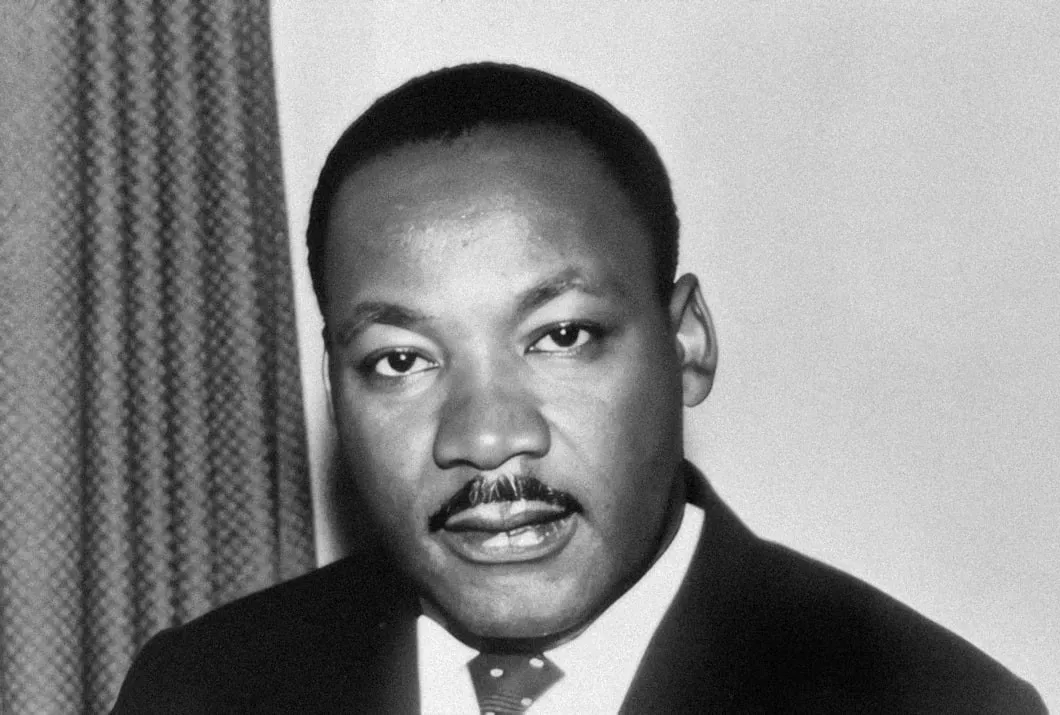
The iconic “I Have a Dream” phrase was actually left out of the original draft of Dr. Martin Luther King Jr.’s famous speech, and while King had used the line in several speeches in the months prior to the March on Washington on August 28, 1963, a few of his advisors questioned its use and kept it out of the original drafts. While delivering his address to the nation, King was encouraged by his friend and legendary gospel singer, Mahalia Jackson to “tell them about the dream, Martin,” and King departed from prepared remarks to deliver one of the most famous and influential speeches of the 20th century. The final third of Dr. King’s keynote address during the 1963 March on Washington, the actual “I have a dream” portion from which the speech now derives its name, was famously improvised on the spot.
The speech was delivered to over 250,000 civil rights supporters from the steps of the Lincoln Memorial in Washington, D.C., and became one of the most famous moments of the civil rights movement and among the most iconic speeches in American history. Singer Mahalia Jackson urged King to tell the audience “about the dream,” and King went into an improvised section of the speech. The prepared text that morning was titled “Normalcy, Never Again,” yet history remembers the words he never planned to say.
President John F. Kennedy’s Berlin Wall Speech (1963)
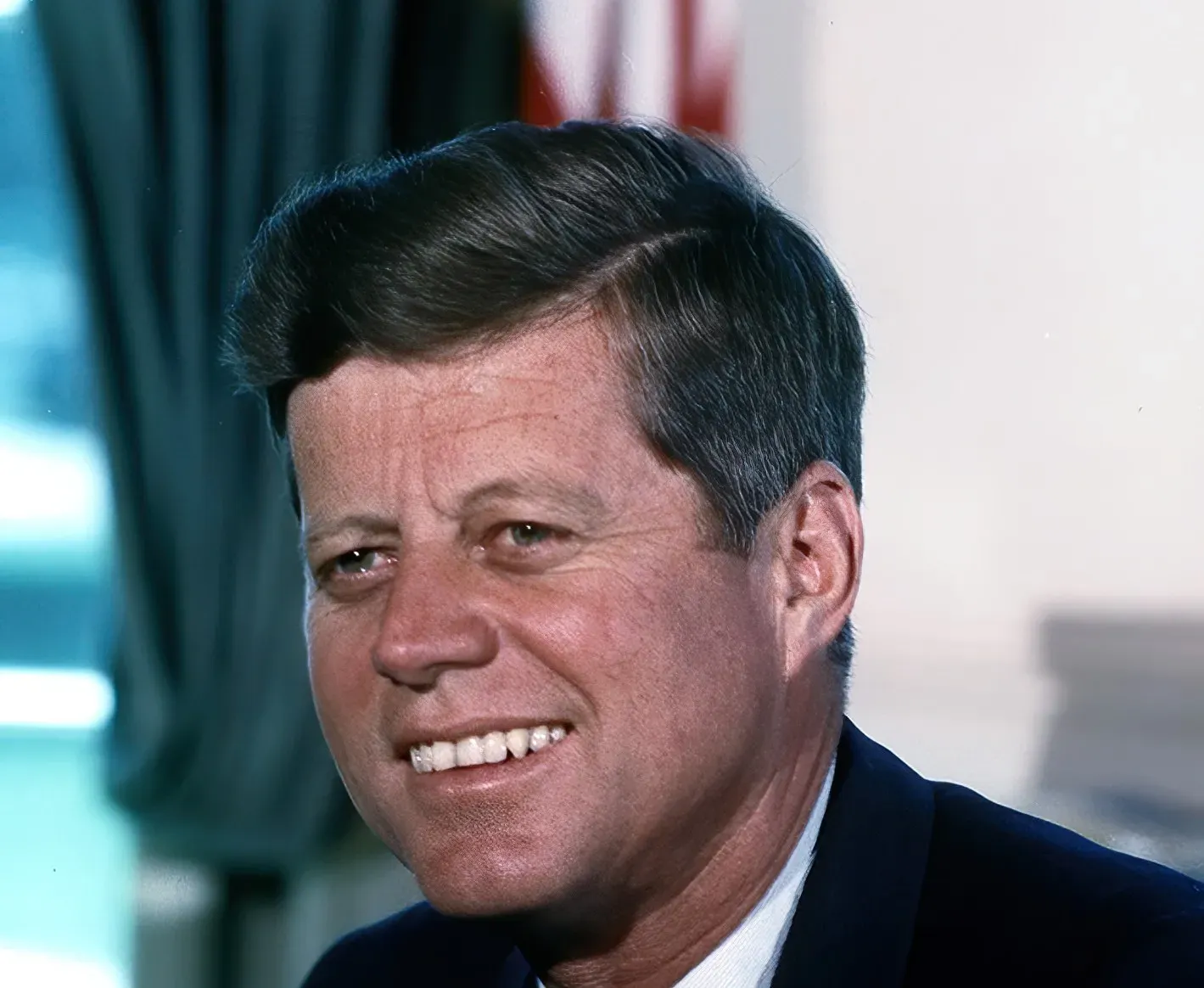
Kennedy had a cue card on which he himself had written the phonetic spelling, and he surprised everyone by completely disregarding the speech, which had taken weeks to prepare. Instead, he improvised, saying more than he should, something different from what his advisers had recommended, and being more provocative than he had intended to be. As noted in a Kennedy Library forum, Kennedy was so affected by the moment and so affected by the crowds that this was one case where he almost rejected the entire reading copy that he was given and formulated this speech in his own mind and gave it extemporaneously.
On June 26, 1963, President John F. Kennedy stood before a crowd of 120,000 West Berliners on Rudolph Wilde Platz and, in the German language, declared himself citizen of that partitioned city. For the whole first third of the speech was extemporaneous eloquence. While the phrase “Ich bin ein Berliner” itself had been practiced with his translator Robert Lochner beforehand, Kennedy’s departure from the prepared script created a powerful emotional connection that resonated far beyond what diplomats had recommended.
Winston Churchill Addresses Parliament After Dunkirk (1940)
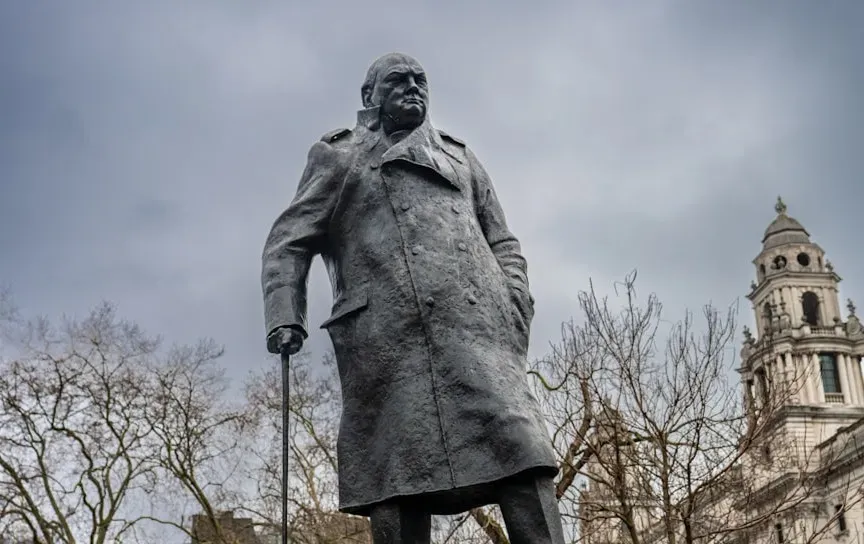
Churchill’s “We shall fight on the beaches” speech was delivered by the British Prime Minister to the House of Commons of the Parliament of the United Kingdom on June 4, 1940, and was the second of three major speeches given by Churchill around the period of the Battle of France. Events developed dramatically over the five-week period, and although broadly similar in themes, each speech addressed a different military and diplomatic context. In this speech, Churchill had to describe a great military disaster and warn of a possible invasion attempt by Nazi Germany without casting doubt on eventual victory.
Churchill impressed his listeners and the speech was immediately recognised to be historic. Jock Colville, one of Churchill’s secretaries, noted in his diary “A magnificent oration, which obviously moved the House,” while Chips Channon, a Conservative MP, wrote in his diary “he was eloquent and oratorical and used magnificent English; several Labour members cried.” It is said that immediately after giving the speech, Churchill muttered to a colleague, “And we’ll fight them with the butt ends of broken beer bottles because that’s bloody well all we’ve got!” The raw emotion in his delivery transformed a military report into an immortal rallying cry.
Ronald Reagan’s Emotional Response at Brandenburg Gate (1987)
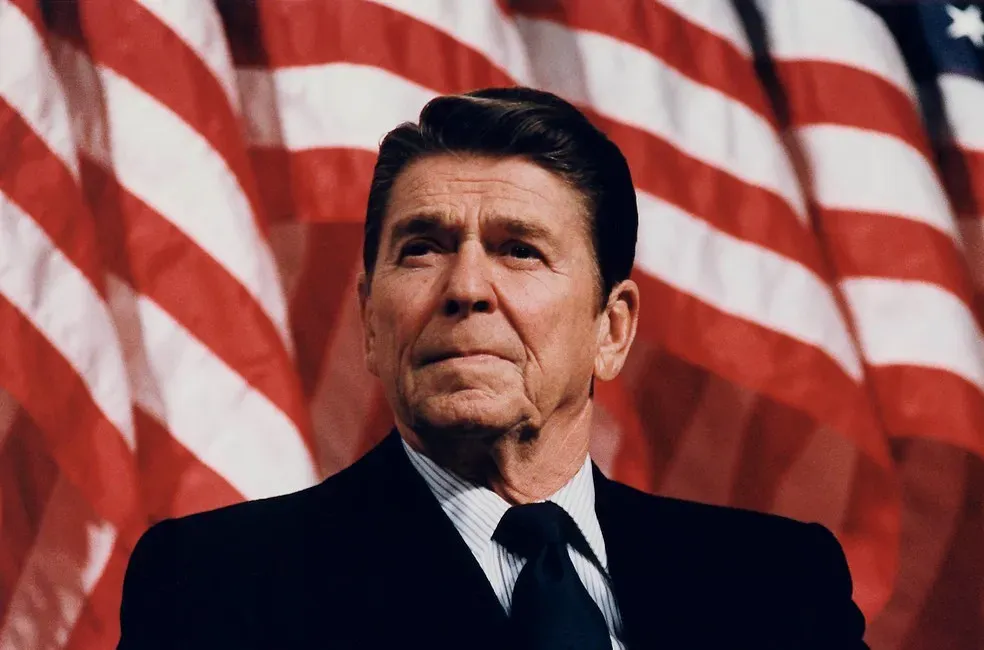
When President Reagan reviewed the speech draft that included “tear down this wall,” he simply said he liked it. Later, when deputy chief of staff Kenneth Duberstein briefed him on objections to the speech and handed him a copy asking him to reread the central passage, Reagan asked Duberstein’s advice. Duberstein replied that he thought the line about tearing down the wall sounded good, and Reagan got that wonderful, knowing smile on his face and said, “Let’s leave it in.” While the speech was written by Peter Robinson, Reagan’s decision to keep and deliver the controversial line against advisers’ wishes showed his personal conviction.
Reagan’s speech was written by Peter Robinson, and the phrase “tear down this wall” was inspired by a conversation with Ingeborg Elz of West Berlin; in a conversation with Robinson, Elz remarked, “If this man Gorbachev is serious with his talk of Glasnost and perestroika he can prove it by getting rid of this wall.” After the speech, JFK said “Oh, Christ,” realizing he’d gotten carried away with his rhetoric, and the rest of the President’s Germany tour involved what we now call “damage control.” Though scripted, Reagan’s emotional delivery and personal commitment to the words made them resonate authentically.
Barbara Jordan’s 1976 Democratic National Convention Keynote
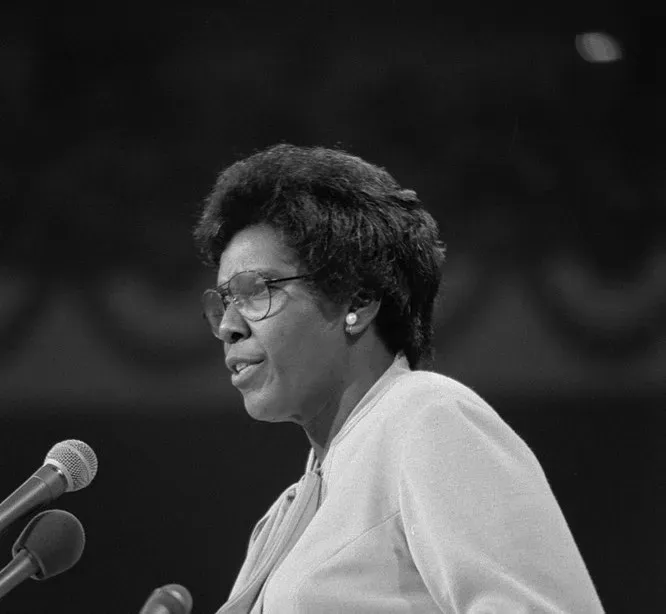
Congresswoman Barbara Jordan became the first African American woman to deliver a keynote address at a Democratic National Convention. While she had a prepared text, Jordan significantly departed from her script during the July 1976 speech in New York City. Her powerful opening, where she emphasized that her presence itself was evidence of the American Dream, came from deep personal conviction rather than carefully crafted prose. She spoke about the Constitution with such passion that she moved the audience to tears and prolonged applause.
Jordan’s extemporaneous additions to her prepared remarks demonstrated her exceptional oratory skills and legal expertise. She wove references to the Constitution and American ideals throughout her address, often pausing to add personal reflections that weren’t in the original text. The speech established her as one of the most compelling voices in American politics and showed how improvisation, when grounded in knowledge and passion, can elevate a good speech into a historic one. Her delivery style influenced countless political speakers who followed.