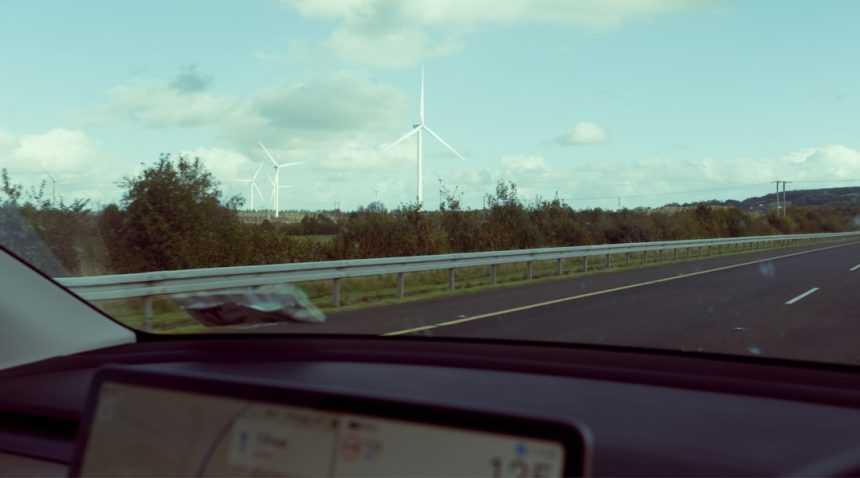

Roots of a Prolonged Regulatory Clash (Image Credits: Unsplash)
California — The Department of Motor Vehicles decided against imposing a 30-day suspension on Tesla’s sales and manufacturing licenses after the company ceased using the term “Autopilot” in its state marketing materials.[1][2]
Roots of a Prolonged Regulatory Clash
The dispute traced back to May 2021, when Tesla began promoting its advanced driver assistance systems with terms regulators later deemed misleading. Advertisements highlighted “Autopilot” and “Full Self-Driving Capability,” including claims that the systems could handle trips without driver input. In reality, the features required constant human supervision and fell short of true autonomy.[2]
California regulators launched formal accusations in November 2023, alleging violations of state law through deceptive practices. The case spotlighted Tesla’s largest U.S. market, where uninterrupted operations proved critical. Hearings unfolded over months, culminating in a proposed decision from an administrative law judge in November 2025.[1]
Judicial Findings and Stayed Penalties
On December 16, 2025, the administrative law judge ruled that Tesla’s use of “Autopilot” misled consumers about vehicle capabilities. The decision called for 30-day suspensions of both the company’s manufacturing and dealer licenses. The DMV adopted these findings but softened the penalties, permanently staying the manufacturing license suspension and granting 60 days for compliance on the Autopilot issue.[2]
This approach allowed Tesla time to adjust without immediate disruption. Officials emphasized consumer protection and road safety as core priorities. “California has zero tolerance for misleading advertising that puts safety at risk,” the DMV noted in its statements.[2]
Tesla’s Compliance Steps and Strategic Shift
Tesla first addressed concerns around “Full Self-Driving” by rebranding it as “Full Self-Driving (Supervised)” to underscore the need for driver oversight. The company then eliminated “Autopilot” from California marketing, satisfying the DMV’s requirements. Beyond the state, Tesla discontinued the basic Autopilot package across the U.S. and Canada in January 2026.[1]
This nationwide change aimed to steer customers toward the premium Full Self-Driving subscription, now priced at $99 monthly after shifting from an $8,000 one-time fee. The move aligned regulatory needs with business goals, boosting uptake of advanced features. Tesla confirmed these actions resolved the cases numbered 21-02188 and 21-02189.[2]
- November 2023: DMV files accusations.
- July 2025: Administrative hearings held.
- November 2025: Judge issues proposed decision.
- December 2025: DMV adopts ruling with stayed penalties.
- January 2026: Autopilot discontinued nationally.
- February 17, 2026: DMV confirms no suspension.
Regulatory Praise and Future Outlook
DMV Director Steve Gordon welcomed the resolution. “The department is pleased that Tesla took the required action to remain in compliance with the State of California’s consumer protections,” he said.[2] The decision ended nearly three years of scrutiny without halting Tesla’s operations in its top market.
Experts view this as a win for precise terminology in autonomous tech marketing. Tesla now focuses on enhancing Full Self-Driving capabilities, with CEO Elon Musk signaling future price hikes tied to improvements.
Key Takeaways
- Tesla avoided license suspensions by dropping “Autopilot” in California ads.
- The case highlighted risks of overstating driver assistance features.
- Shift to subscriptions supports Tesla’s push for advanced autonomy tech.
This settlement reinforces regulators’ stance on truthful advertising amid rapid EV and autonomy advances. What impact will clearer naming have on consumer trust in self-driving tech? Share your thoughts in the comments.