Most people don’t think twice about stepping outside at night. You grab your keys, maybe your phone, and head out. Simple. But in certain American cities, that decision can carry real consequences depending on where you are, what time it is, and whether anyone else is around. This isn’t about fear-mongering. It’s about knowing the facts.
Forty percent of Americans say they would be afraid to walk alone at night within a mile of their home. That’s not a fringe number. That’s nearly half the population carrying a genuine sense of unease after dark. Fear of walking alone at night near their own area has reached a three-decade high, and the numbers behind that feeling are worth paying attention to. So let’s get into it.
1. Memphis, Tennessee: The City That Still Tops the Charts
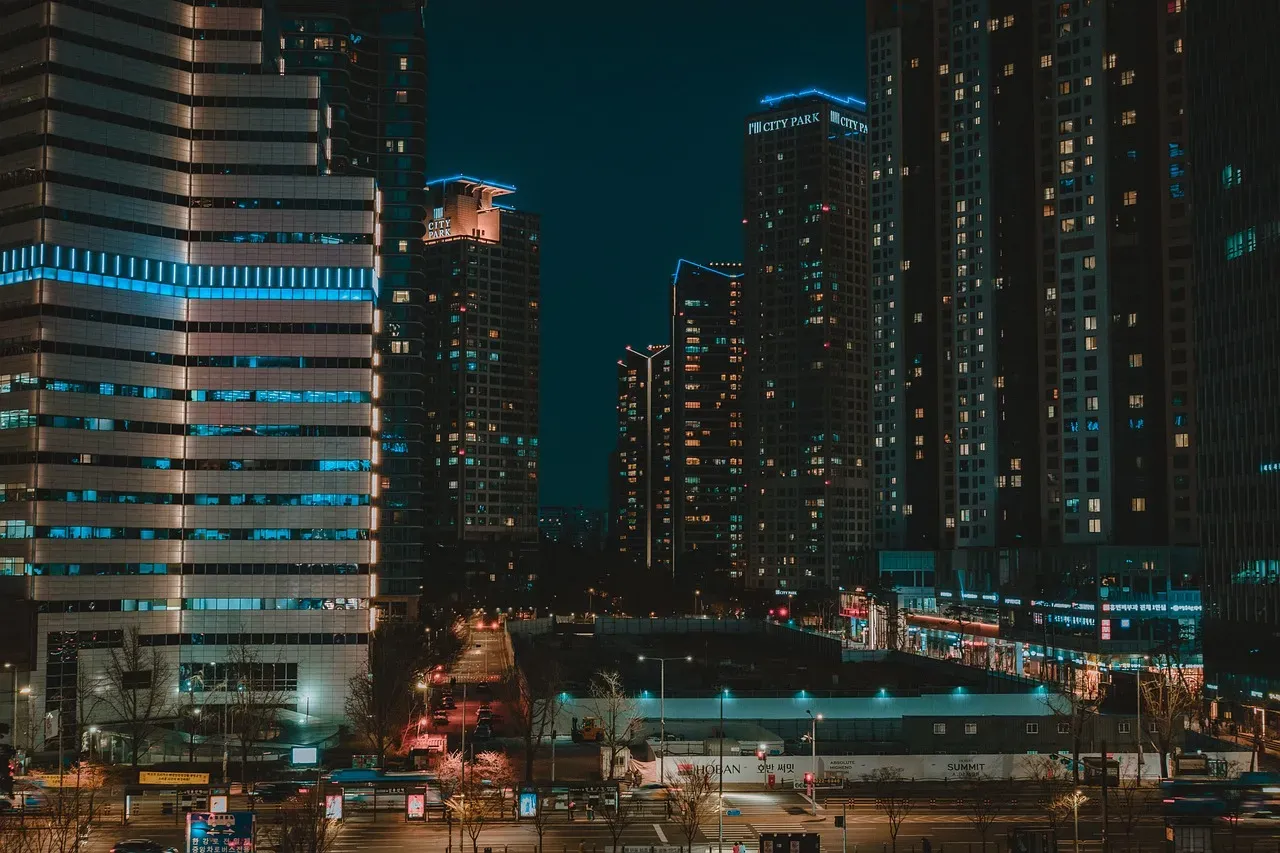
Here’s a city that has made genuine progress and still ranks as one of the most dangerous in the country. That tension tells you everything. In 2024, Memphis recorded the highest murder rate among America’s largest cities, overtaking Baltimore, which had topped the list in 2023. This shift reflects Memphis’s ongoing struggle with systemic violence.
Memphis still posts a crime index of 74.8 and a safety index of just 25.2, making it a statistical outlier among major U.S. metros. Hotspot neighborhoods, including Downtown, Frayser, and Whitehaven, drive most of the city’s crime incidents. Honestly, that geographic concentration is the key thing to understand. Walking through the wrong neighborhood at 11 pm is a very different experience from being in the suburbs.
Memphis saw a 30 percent decrease in homicides by the end of 2024, with overall crime dropping to a 25-year low across major categories. Progress is real. Safety perceptions vary, with individuals expressing greater unease when alone at night compared to during daylight. That gap between stats and street-level feeling matters just as much.
2. Baltimore, Maryland: A City of Two Very Different Realities

Baltimore is a paradox: still infamous for violent crime, yet showing some of the sharpest year-over-year improvements of any big U.S. city. The crime index sits high at 74.67, but those raw numbers don’t capture the double-digit drops in homicides and shootings since 2023.
In 2025, Baltimore had 84 homicides in the first seven months, the fewest in over 50 years, compared to 111 during the same period in 2024. That is remarkable improvement. Still, the ongoing improvements in crime statistics don’t eliminate the need for caution when walking alone at night, particularly in certain neighborhoods where violent crime remains a concern.
The city’s poverty rate, at 22.4 percent, sits triple the national average, and that correlates directly with geographic concentration of crime. Think of it like this: Baltimore’s challenge isn’t the whole city, it’s specific corridors. Knowing which ones makes all the difference after dark.
3. Detroit, Michigan: Making History for the Right Reasons, Sort Of
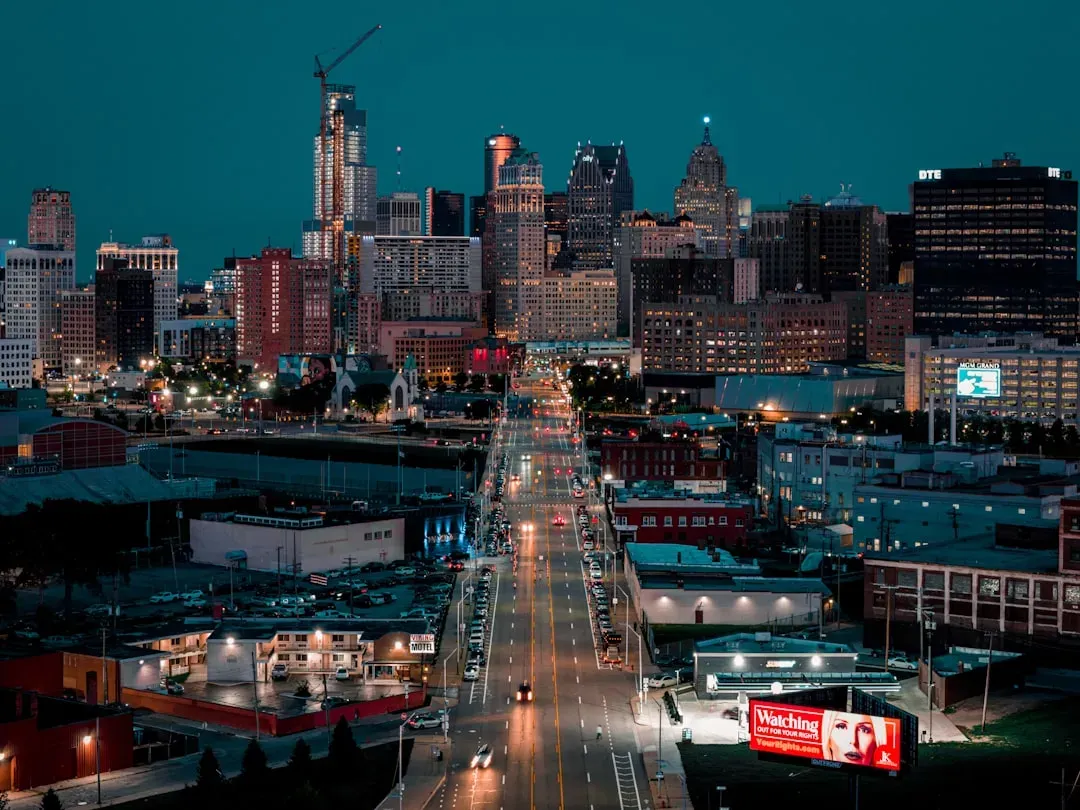
In 2024, Detroit finished the year with 203 homicides, the fewest on record since 1965. That is genuinely extraordinary progress. Detroit has become a national model for measurable crime reduction and is among the nation’s fastest emergency response cities. It’s not the Detroit of 20 years ago.
Yet the overall picture remains complicated. The Detroit crime rate is still 180% higher than the national average. The city’s downtown and midtown areas have become increasingly safe for residents and visitors alike, creating a tale of two cities where location makes all the difference in how safe someone feels walking at night.
Detroit is experiencing a decline in non-fatal shootings, which were cut in half from 2022 to 2024, and carjackings have dropped 71% since 2015. Technology has played a massive role here. Adequate lighting is essential for CCTV effectiveness, with streetlights being a primary factor influencing urban nighttime surveillance, and Detroit has leaned heavily into this approach.
4. St. Louis, Missouri: One in Fifty Is Not a Comfortable Statistic

Let’s be real about this number. According to NeighborhoodScout data, you have a one in 50 chance of falling victim to a violent crime in St. Louis, compared to a one in 218 chance throughout the rest of the state. Put another way, the gap between St. Louis and the rest of Missouri is staggering.
St. Louis has long been shorthand for “America’s murder capital,” but the reality is more layered. For years, the city has posted one of the highest homicide rates per capita in the nation, often more than 60 per 100,000 residents, dwarfing national averages. That per-capita framing is important. The city isn’t enormous, which makes the concentration of violence even more pronounced.
The St. Louis Metropolitan Police Department’s use of technology like ShotSpotter and community programs through the Office of Violence Prevention have led to a 15% overall crime reduction in 2024 and a 52% decrease in murders in targeted neighborhoods. Homicide rates in St. Louis fell approximately 22 percent in the first half of 2025, the lowest mid-year murder numbers in more than a decade. It’s moving in the right direction. Slowly, but surely.
5. Oakland, California: Where Reputation and Reality Still Collide

Oakland topped the list in multiple property and violent crime categories, leading all medium-sized cities in aggravated assault, robbery, larceny-theft, and motor vehicle theft. Those are four different crime categories. That’s not an outlier, that’s a pattern across the board.
Oakland saw big drops in violent crime in 2024, with homicides and shootings falling by double-digit percentages. Despite recent improvements, Oakland continues to struggle with residents’ perceptions of nighttime safety. There’s a psychological lag that happens in cities like this. The numbers improve before the feeling of safety does.
Many neighborhoods that appeared safe during daylight hours transform into areas where residents exercise extreme caution once the sun sets. That day-to-night shift is a real phenomenon backed by criminology research. Crimes that benefit from lower visibility, such as burglary and vehicle theft, tend to be more prevalent at night. Oakland’s after-dark reputation is not just perception. It has statistical backing.
Partner offer
6. Albuquerque, New Mexico: The City With the Most Alarming Perception Gap
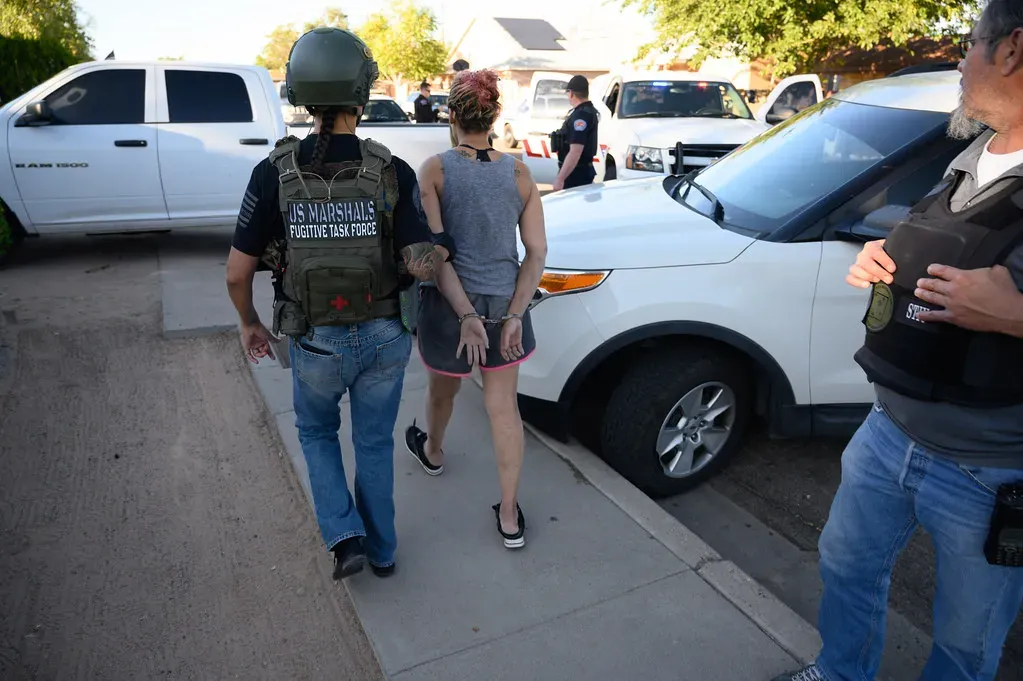
No other city on this list produces numbers quite as jarring as Albuquerque when you ask residents how they actually feel. Based on survey results from 517 responses, 85% of people felt that Albuquerque was not a safe place to live and did not feel safe walking alone at night. This overwhelming majority of residents feeling unsafe represents one of the most dramatic examples of nighttime safety concerns in American cities.
With a crime rate of 58 per one thousand residents, Albuquerque has one of the highest crime rates in America compared to all communities of all sizes. One’s chance of becoming a victim of either violent or property crime here is one in 17. I know that sounds shocking, but it’s drawn directly from FBI data. It’s a number that puts everything in context.
A decade ago, the city recorded 30 homicides in a year. That number has since risen to 94. The trajectory is troubling. However, there is some light: in mid-2025, auto theft dropped 40%, residential burglary dropped 14%, commercial burglary fell 24%, and the three main categories of violent crime were down 12%. The city is fighting back, but the ground-level fear is still very real.
7. Birmingham, Alabama: Economic Hardship as a Crime Driver

Birmingham, Alabama has the highest estimated cost of crime per resident at about $10,152, making it the most dangerous city in one major 2026 ranking of 315 U.S. cities. That cost-per-resident framework is an interesting lens because it captures the economic weight that persistent crime places on a community, not just the headline murder rate.
Birmingham stands out for its high rates of violent crime, at 1,694 per 100,000 people, particularly assault. The city faces significant economic disparities contributing to elevated crime figures. Birmingham faces high aggravated assault rates, worsened by a 33% high school dropout rate and economic disparities. Those aren’t excuses. They are the underlying gears driving the problem.
Homicide has declined since 2024, but assault rose nearly 10% in the first half of 2025. Mayor Randall Woodfin’s 2025 blueprint for deterrence and intervention aims to address high murder rates, particularly those involving firearms. It’s hard to say for sure whether the policy will hold, but the intent is clearly there.
The Gender Gap in Nighttime Safety Is Bigger Than Most People Realize
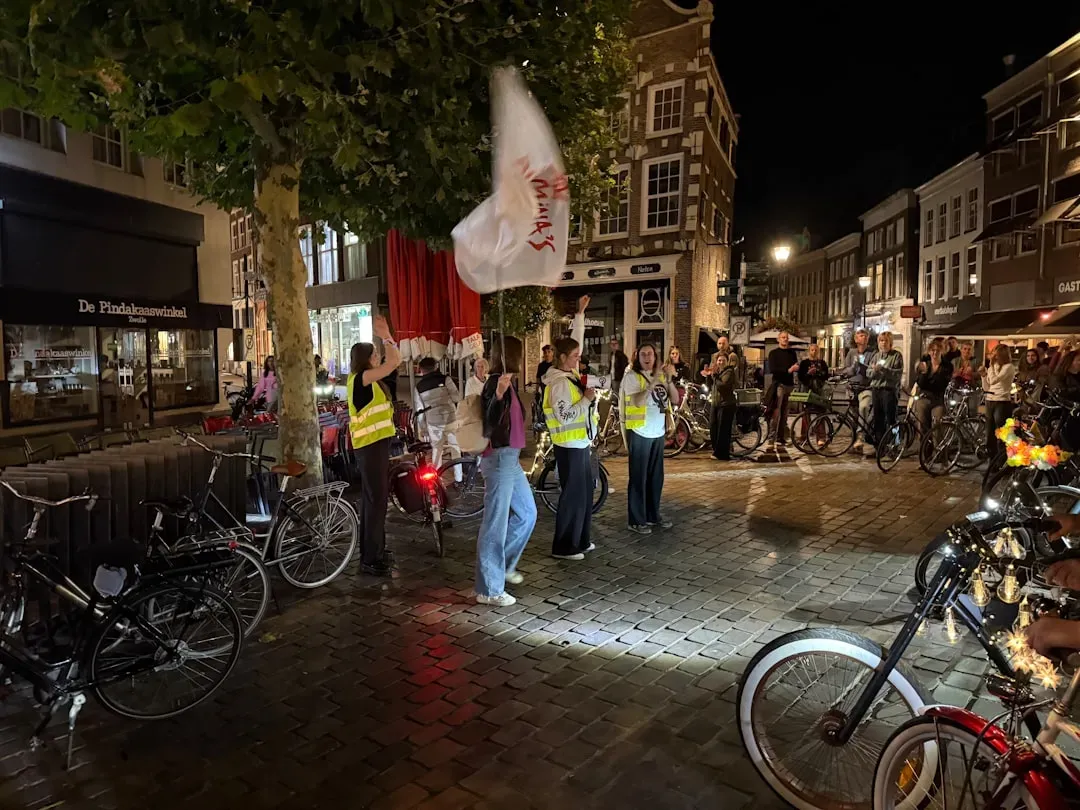
This point deserves its own space because it affects roughly half the population and rarely gets enough attention. In 104 out of 144 countries and territories, the difference between men and women who feel safe walking alone at night was at least 10 points, highlighting how deeply entrenched this divide remains. Ten points in a hundred countries. That’s not a fluke. That’s structural.
Far more Americans say they feel safer going to places like stores and parks during the daylight hours, at 80%, than feel just as safe after dark, at 19%. Women are a bit more likely than men to prefer venturing out during daylight, but large majorities of both groups feel this way.
Street Lighting Is One of the Most Underrated Safety Tools
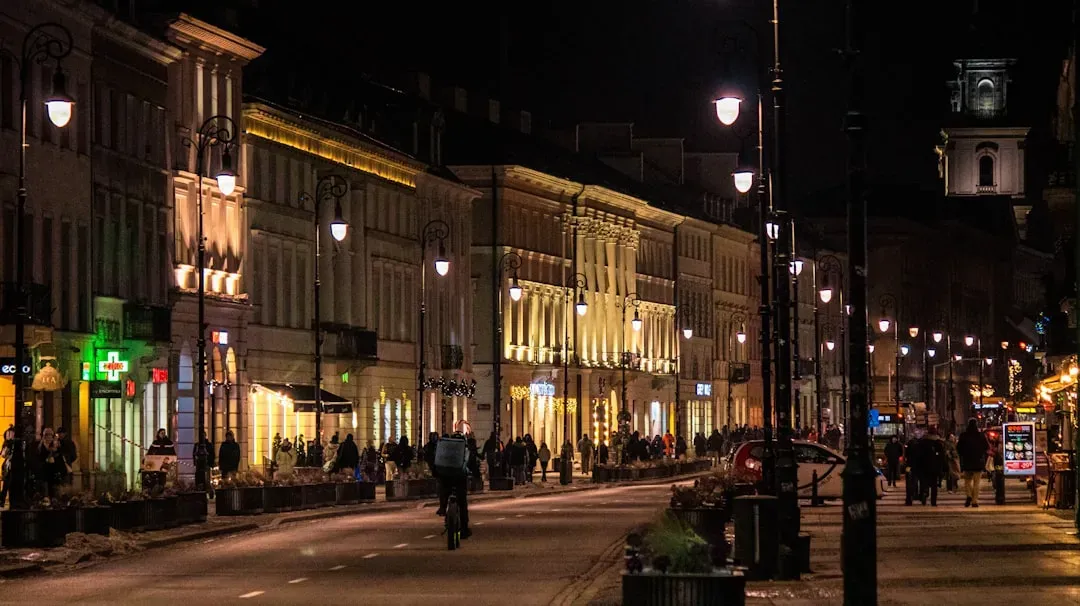
It sounds almost too simple. Turn on more lights, reduce crime. But the research is surprisingly compelling. In a two-year study that began in August 2023, upgrading tens of thousands of streetlights to LED fixtures that increased both the volume and clarity of lighting led to outdoor street crime at night declining by 15%.
This includes a 21% drop in outdoor nighttime gun violence in the affected neighborhoods during the 10-month period in which the upgrades occurred. That is a substantial public safety return for what is essentially an infrastructure investment. A 2022 study summarized by NBER showed that smart lighting upgrades in New York City public housing led to a 60% decline in serious nighttime crimes. Sixty percent. Think about that for a moment.
National Crime Is Declining, But the Pockets of Danger Remain Deep

The latest 2024 data reveals that, contrary to common perception, both violent and property crime declined nationwide. That is genuinely good news. In the first half of 2025, the rate of homicides in 30 study cities was 17% lower than the same period in 2024, representing 327 fewer homicides.
Still, the national trend hides enormous variation at the local level. Not all cities enjoyed declines in any type of crime, and despite nationwide decreases in crime, some places still face soaring crime rates. The difference between a national average and what you personally encounter walking down a poorly lit street at midnight is not a statistical abstraction. It’s physical reality.
The mismatch between what crime statistics say and how Americans perceive crime in their cities has been well-documented. The gap between statistics and perception grew larger when crime spiked alongside mistrust in official information during the early part of the pandemic. Perception matters. It shapes behavior, economic vitality, and quality of life even when the numbers are trending in the right direction.
What You Can Actually Do About It

Knowledge is the most practical safety tool available. Developing a comprehensive safety plan can help residents navigate daily life more safely in cities with high crime. This plan should include knowing safe routes to and from common destinations, having emergency contacts readily available, and staying aware of local crime trends.
Fear of crime most commonly constrains people’s mobility by preventing them from driving into certain areas of the town or city where they live. Relatedly, 31% say they avoid visiting central areas of nearby cities. Fear changing behavior is itself a cost. Walking in groups, sticking to well-lit streets, and staying off your phone are simple habits that reduce risk without requiring you to lock yourself indoors.
The cities on this list are not lost causes. Every single one of them is showing signs of improvement, some dramatic, some incremental. Progress is real. While some cities do face very high crime rates, national trends show an overall improvement. These cities are not monolithic danger zones. The key is knowing what you’re walking into, literally and figuratively.
The truth is, most people who live in these cities navigate them safely every day. They know the neighborhoods, the times, the routes. That local knowledge is a kind of invisible armor. For visitors and newcomers, building that same awareness is not optional, it’s essential. Which of these cities surprised you most? Drop a comment and let us know.
Partner offer
Planning a trip to Vegas?
Compare hotel rates and show tickets on VEGAS.com.