Record Attendance Gap in Congress (Image Credits: Flickr)
Henderson, Nevada – A local resident’s pointed critique of President Donald Trump’s recent State of the Union address captured a growing sentiment about the event’s shift toward partisan confrontation.[1]
Record Attendance Gap in Congress
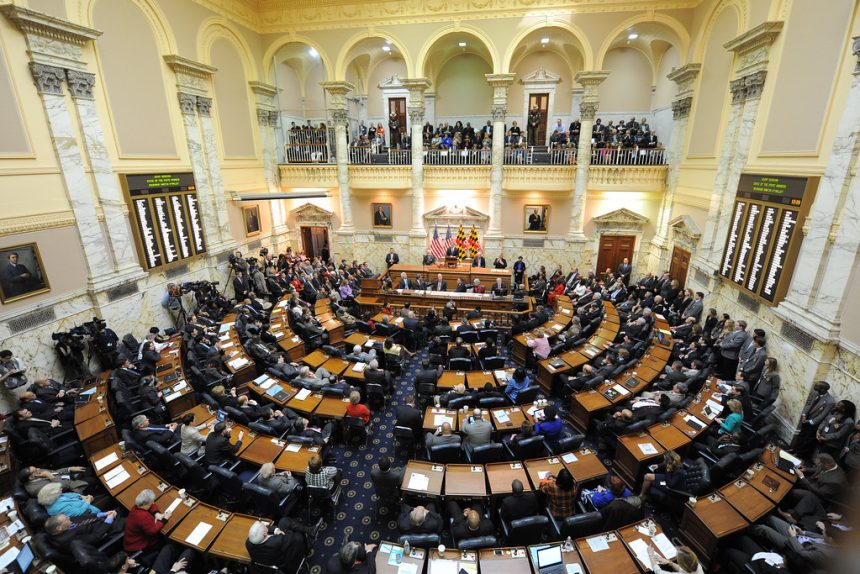
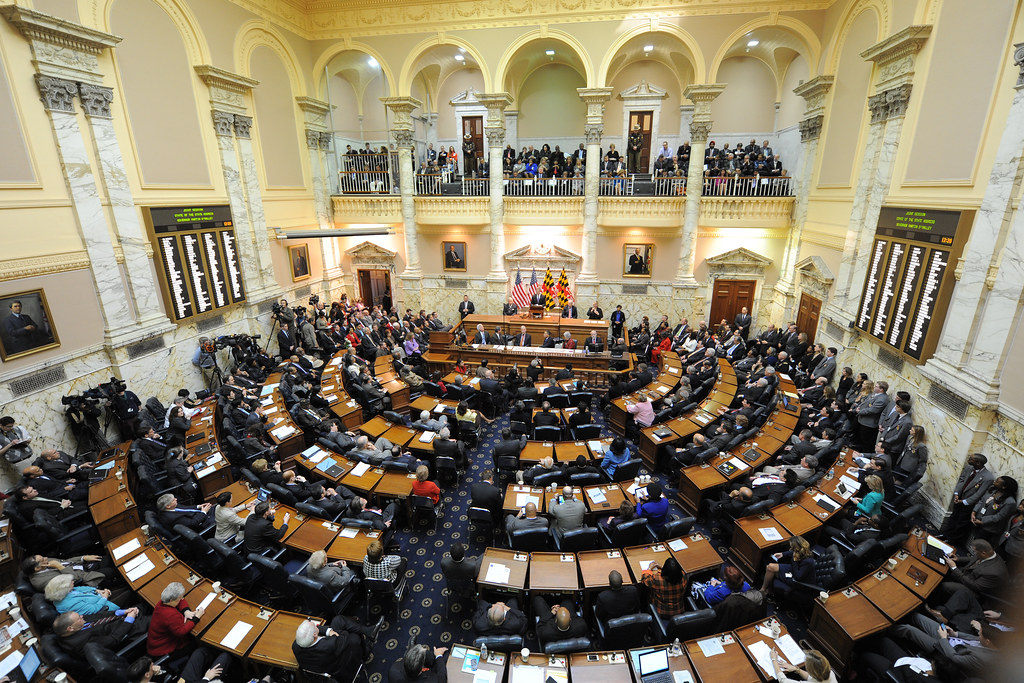
Roughly half of House and Senate Democrats chose not to attend the February 24, 2026, address delivered by President Trump in the House chamber.[2] This significant absence marked one of the largest boycotts in recent memory for the annual tradition.
Dozens of lawmakers opted for alternative events, including a gathering on the National Mall dubbed the “People’s State of the Union,” where around 30 Democratic members of Congress joined hundreds of attendees.[3] House Minority Whip Katherine Clark, the No. 2 Democrat in the House, publicly announced her decision to skip the speech.[4]
Not all Democrats followed suit. Arizona Senator Mark Kelly, for instance, affirmed his attendance, emphasizing the importance of the occasion.[5] Still, the widespread non-participation underscored deep divisions within the opposition party.
A Local Voice Echoes National Frustration
RJ Liepins, a Henderson resident, penned a letter to the Las Vegas Review-Journal published on March 1, lamenting the address’s transformation from reasoned discourse to what he termed a “sideshow.”[1] He recalled an era when the speech prompted civil discussion, contrasting it with current displays of refusal to applaud or engage.
Partner offer
Liepins drew parallels between congressional behavior and personal observations of liberal acquaintances who, in his view, avoid debate by withdrawing from conversations. This perspective highlighted a perceived inability to bridge ideological gaps.
His words reflected broader critiques of obstructionism, particularly in relation to opposition toward President Trump, which he argued harms the nation.
Combative Tone Fuels the Divide
President Trump’s speech itself contributed to the charged atmosphere. Delivered on February 24 at 9:12 p.m. EST, it lasted a record-breaking duration and focused on economic achievements while taking direct shots at Democrats.[6][7] An estimated 32.6 million viewers tuned in, according to Nielsen ratings.[8]
Democrats mounted multifaceted responses, including vocal rebuttals and counterprogramming. Virginia Governor Abigail Spanberger provided the official Democratic reply, addressing key policy differences.[9] Fact-checkers across outlets scrutinized claims on immigration, the economy, and crime made during the address.[10]
Patterns of Protest Emerge
- Nearly 80 Democrats announced plans to boycott ahead of the event.
- Several state delegations, such as Maryland’s, coordinated absences as a form of protest.[11]
- Counter-events allowed skipped lawmakers to engage supporters directly on issues like the economy and immigration.
- Some protests occurred within the chamber, though party leaders urged restraint to avoid past disruptions.[12]
- Individual decisions varied, with figures like Rep. Summer Lee opting to speak to constituents instead.[13]
These actions signaled a strategic shift, prioritizing external messaging over traditional attendance.
Key Takeaways
- Democratic absences reached historic levels, with about half of opposition lawmakers skipping the event.
- The address drew strong reactions, blending celebration of policy wins with pointed partisan rhetoric.
- Public discourse, as voiced by residents like Liepins, questions whether the ritual still fosters unity.
The State of the Union once symbolized national reflection; today, it often amplifies existing rifts. As political theater evolves, restoring decorum may require deliberate efforts from all sides. What do you think about the tradition’s direction? Tell us in the comments.
Partner offer
Planning a trip to Vegas?
Compare hotel rates and show tickets on VEGAS.com.