Somewhere in a recording studio right now, a producer is digging through a crate of vinyl records, hunting for that one perfect break. The one that makes the track breathe. That gives it life. Music sampling has been one of the most transformative forces in modern sonic history, quietly weaving the past into the present in ways most listeners never even notice.
From a six-second drum solo recorded in 1969 to a disco bassline that accidentally invented hip-hop as we know it, certain recordings have outgrown their original purpose entirely. They became raw materials, building blocks, languages. Here are the thirteen most sampled songs in history, and the wild, surprising stories of how they changed everything. Let’s dive in.
1. “Amen, Brother” by The Winstons (1969) – The Undisputed King
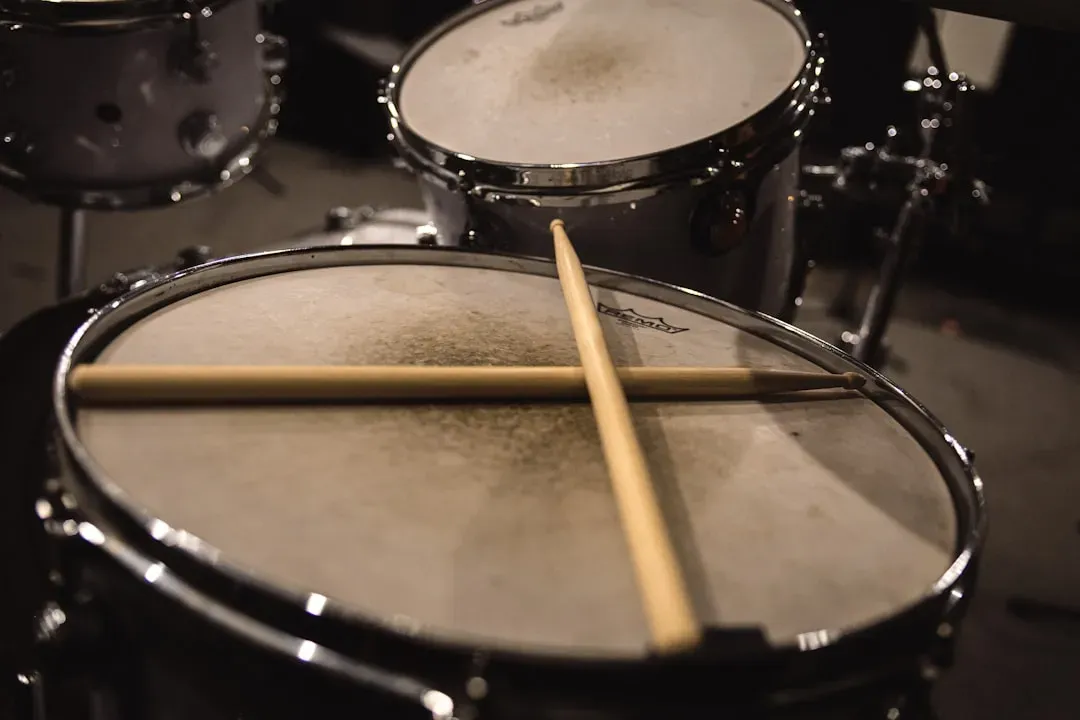
This is the one. The undisputed heavyweight champion of sampling. The website WhoSampled.com, whose audience obsessively tracks what’s sampled, says that a 1960s track called “Amen, Brother” by The Winstons is the most-sampled track in history, and it’s not particularly close. According to WhoSampled, the most sampled track in the history of music remains “Amen, Brother” by The Winstons, estimated to have been sampled around 6,005 times, in part owing to its classic drum break at 1:27 minutes in.
The Amen Break is a six-second drum solo from the song “Amen, Brother” by The Winstons, a B-side track released in 1969. Played by drummer Gregory Coleman, this short break has become one of the most sampled pieces of recorded music in history. Honestly, it’s hard to overstate just how bizarre that is. A B-side no one cared about at the time became the rhythmic spine of entire genres.
The Amen Break formed the rhythmic basis for entire genres, like drum and bass and jungle, appeared in TV commercials, and is even used in the theme from Futurama. The beat was sampled perhaps most famously throughout N.W.A’s 1988 “Straight Outta Compton,” as well as by a diverse range of other well-known artists such as Jay-Z, Oasis, The Prodigy, Primal Scream, Slipknot, and even the theme tune of Futurama.
By the early 1990s, the Amen Break wasn’t just being used by acts such as Rob Base and Heavy D, it had become one of the foundational beats of an entirely new electronic dance music genre: jungle. Jungle artists often sped up the break, sliced it up into individual drum hits, rearranged it, and played it for minutes at a time while layering techno, reggae, and a melting pot of other sounds on top of it. Remarkably, drummer Gregory Coleman never received a single penny in royalties. Coleman died homeless and broke in 2006 without ever having been paid a cent for his efforts.
2. “Think (About It)” by Lyn Collins (1972) – The “Yeah! Woo!” That Conquered Rap
If you have ever heard the phrase “It takes two to make a thing go right,” you have Lyn Collins to thank for the raw material behind it. With an estimated 3,316 uses, Lyn Collins’ “Think (About It)” has become a favourite amongst producers, used by the likes of Madlib, Kanye West, Snoop Dogg, and even Beyoncé on her latest album. Those numbers make it comfortably the second-most sampled song of all time according to WhoSampled’s database.
What’s sampled most is the “Yeah! Woo!” vocal and a break often called the “Think” break. Short, punchy vocal shouts and tight drum hits are ideal accents in hip-hop and pop production. The record’s production by James Brown gives it the heavy funk pocket producers crave. Let’s be real: that “Woo! Yeah!” has probably appeared in more school gym jams and sports arenas than anyone has ever bothered to count.
Following its appearance on an edition of the Ultimate Breaks & Beats series in the late 80s, the Beatmasters sampled the riff for the 1987 hit by the Cookie Crew, but it was Rob Base & DJ E-Z Rock’s “It Takes Two,” a major hit in 1988, that set the sample into the stratosphere, going on to be utilised by Heavy D & The Boyz, Boyz II Men, EPMD, and NWA, among countless others.
3. “Funky Drummer” by James Brown (1970) – The Break That Built Hip-Hop
“Funky Drummer” is a song by the American musician James Brown, recorded in 1969 and released as a single in 1970. Its drum break, improvised by Clyde Stubblefield, is one of the most frequently sampled recordings and has been used in over two thousand records. Think about that. Over two thousand records, all orbiting one man’s improvised solo in a Cincinnati studio. It’s almost mythological.
Stubblefield’s rhythm pattern on James Brown’s “Funky Drummer” is among the world’s most sampled musical segments. It has been used for decades by hip-hop groups and rappers such as Public Enemy, Run-DMC, N.W.A, Raekwon, LL Cool J, Beastie Boys, and Prince, and has also been used in other genres. The Funky Drummer breakbeat spread far beyond hip-hop, appearing on well over 1,000 recordings by pop artists ranging from George Michael and Sinead O’Connor in the 1990s right up to Emeli Sandé and Ed Sheeran in the past decade.
At five minutes and 34 seconds into the song, Stubblefield embarks on a solo drum feature that launches both him and his drumming into the future, becoming a primary source in hip-hop’s development. This 20 seconds of music is propelled by a very straight and repetitive sixteenth-note hi-hat pattern with the bass drum emphasising the first two eighth notes of the bar. As Stubblefield did not receive a songwriter credit for “Funky Drummer,” he received no royalties for the sampling. It’s one of the most bittersweet stories in music history.
4. “Good Times” by Chic (1979) – The Bassline That Launched a Genre
Here is a fact that absolutely floors me: a bassline written for a disco song in 1979 essentially triggered the birth of hip-hop as a recorded genre. “Good Times” is a disco soul song by Chic, released in June 1979 by Atlantic Records as the first single from their album Risqué. It was written and produced by Bernard Edwards and Nile Rodgers, and peaked at number one on the US Billboard Hot 100 on August 18, 1979.
The bass line of “Good Times” was recreated in the Sugarhill Gang’s 1979 single “Rapper’s Delight,” a key track in the development of hip-hop. Nile Rodgers and Bernard Edwards threatened legal action over copyright, which resulted in a settlement and them being credited as co-writers. The Sugarhill Gang’s interpolation of Chic’s work resulted in legal action that shaped the future of musical sampling standards.
“Good Times” ranks 68th on Rolling Stone’s list of the “500 Greatest Songs of All Time” and has become one of the most sampled songs in music history, most notably in hip-hop music. Chic’s “Good Times” is a quintessential disco anthem that has left an indelible mark on music history. Its bassline has become one of the most sampled in history, appearing in tracks like Sugarhill Gang’s “Rapper’s Delight” and Daft Punk’s “Around the World.”
5. “La Di Da Di” by Doug E. Fresh and Slick Rick (1985) – Hip-Hop’s Most Quoted Record
This B-side to Doug E. Fresh’s 1985 hit “The Show” features a young Slick Rick delivering trademark story raps over Doug’s beatbox. Of the many iconic phrases appearing in the track it’s “and it goes a little something like this, hit it!” that has become by far the most sampled. It’s the kind of line so embedded in hip-hop DNA that most younger listeners have no idea where it even comes from.
La Di Da Di is a bit of an outlier, as it has largely been interpolated rather than directly sampled, meaning that the vocals have been reproduced by other artists. Despite lacking the punch of a real drum kit to sample, the song has been reused extensively, taking Slick Rick’s vocals and reworking them, interpolating the lyrics, or genuinely using the beatboxed beat. Among those to have borrowed from the track recently are Beyoncé and Kanye.
Standing as one of hip-hop’s most influential tracks, its smooth beat and conversational flow have inspired countless reinterpretations across genres. Artists like Snoop Dogg and Miley Cyrus have paid homage to this classic, highlighting its versatility and cultural significance. The song’s narrative style and engaging rhythm have cemented its place in music history.
6. “Change the Beat” by Fab 5 Freddy and Beside (1982) – The Scratch Sample That Took Over
This one is genuinely unusual. Once again, we have a B-side that ends up totally overshadowing the original. The original version is by Fab 5 Freddy, but the B-side features vocals from French artist Beside. The closing of the track features a voice spoken through a vocoder saying “Ahhhh, this stuff is really fresh.” This line has become one of the most widely used samples, largely for how it sounds when it is scratched, producing that iconic record scratching sound.
What producers sample is a vocodered “ahh” or spoken phrase used as a scratchable sound. Turntablists and producers use this tiny vocalised phrase as a percussive or scratching device – it’s become a DJ tool translated into sample form, appearing in thousands of tracks. WhoSampled ranks it in the highest sampled entries. I know it sounds crazy, but a three-second vocoder mumble became a cornerstone of DJ culture worldwide.
Until a few years back, the Amen Break was running neck and neck for the most-sampled spot with the vocal sample from “Change the Beat,” which features a distorted version of someone saying the phrase “Ahhh, this stuff is really fresh.” But as the WhoSampled database expanded out of its hip-hop roots to cover other genres, the Amen Break took the clear lead due to its versatility.
7. “Impeach the President” by The Honey Drippers (1973) – The Political Break That Dominated Rap
The song “Impeach the President” by The Honey Drippers is a funk classic that has been sampled extensively in hip-hop music, particularly its iconic drum beat and bassline. The song was originally released in 1973 and was written by Roy C. Hammond. What’s wild is that the title has aged in ways nobody could have anticipated, but it’s never been the politics that producers were after – it was that drum break.
The number one breakbeat slot on WhoSampled’s historic list goes to “Impeach the President” by The Honey Drippers. This hard-hitting funky soul break is the backbone for countless golden-era hip-hop classics. Among the early artists to incorporate it into their own tracks were MC Shan and Eric B & Rakim, both released in 1986, but by the time the 90s rolled around, it was evident on tracks by Public Enemy, LL Cool J, Ice Cube, EPMD, and Bobby Brown, enjoying chart success as the backing beat for both Kris Kross’ “Jump” in 1993 and TLC’s “Waterfalls” in 1995.
As noted on WhoSampled’s artist page, the Honey Drippers’ break has been sampled in every year since 1987. That is an unbroken streak of relevance spanning nearly four decades. Think of it like compound interest, except instead of money, it’s cultural influence.
8. “Apache” by The Incredible Bongo Band (1973) – From Breakdancing to Boom Bap
Apache by The Incredible Bongo Band has been a go-to sample for hip-hop producers since its release in 1973. The song’s distinctive drum break, played by session drummer Jim Gordon, has become a defining element of the genre. If you have ever watched a breakdancing cypher in an old music video, there is a very good chance the soundtrack was built on this record.
While The Shadows originally released Apache back in 1960, it was The Incredible Bongo Band’s version, with additional percussion and a bongo introduction, that went on to define the sample. Its tribal percussion and cinematic energy became a hip-hop favourite, not least because of famous early DJ loops, and its melodic and funky hooks make it versatile across genres.
When Bob James recorded his cover of Paul Simon’s “Take Me To The Mardi Gras” in 1975, little did he know he was making hip-hop history. Grandmaster Flash took it out of the DJ booth and onto vinyl for his cut-up classic “The Adventures of Grandmaster Flash on the Wheels of Steel” in 1981, while label mates Sugarhill Gang interpolated the whole track for their hip-hop tribute “Apache.” The Apache break and its Mardi Gras companion both illustrate just how much early hip-hop geography was drawn by DJs hunting for percussion gold.
9. “The Big Beat” by Billy Squier (1980) – The Rock Break That Crossed Every Genre
Perhaps the greatest rock break of all time, Billy Squier’s “The Big Beat” delivers exactly what the title promises: a huge kick and snare groove, which sealed hits for Jay-Z on “99 Problems” and Dizzee Rascal on “Fix Up, Look Sharp.” Rock drum breaks in hip-hop are far rarer than funk ones, which is exactly what makes this entry so remarkable.
It’s not just the drum sample but vocal calls, such as the “louder,” that can be heard across tracks from A$AP Rocky to Lana Del Rey. Notable uses include Jay-Z’s “99 Problems,” Snoop Dogg’s “Gin and Juice,” and Drake’s “Lord Knows.” That’s a range spanning more than two decades of chart dominance, all anchored by a rock record from 1980.
The first known commercial use of the iconic drum beat came in 1985, with the release of “Here We Go (Live at the Funhouse)” by Run-DMC, but since then it has been used by everyone from A Tribe Called Quest to Grandmaster Flash, to Ice Cube, to Jay-Z, who used the track as the backing for monster hit “99 Problems.” There’s something poetic about a hard rock drummer accidentally handing hip-hop one of its most useful tools.
10. “Skull Snaps” – “It’s a New Day” (1973) – The Underground Staple

Making its first appearance in Stezo’s underground dancefloor hit “It’s My Turn” in 1989, the unmistakeable drums from the opening bars of Skull Snaps’ “It’s A New Day” quickly became a hip-hop staple, appearing on well-received cuts by Nice & Smooth, Eric B & Rakim, Gang Starr, EPMD, and Das EFX in the years that followed. Throughout the early 90s “It’s A New Day” ruled supreme, with around half of its 300 or so usages appearing between 1991 and 1994.
Producers prize breaks that are musically useful and sonically clean, and “It’s a New Day” checks both boxes, showing up in many classic hip-hop tracks. It’s the kind of break that works as a foundation without demanding too much attention, the audio equivalent of a perfectly neutral canvas. Producers could throw virtually anything over the top, and it just worked.
It is hard to say for sure just how many times the break has been used across unofficial releases and bootlegs, but commercially its usage numbers alone place it firmly in the hall of fame of sampling history. The song is proof that obscurity is no barrier to immortality when the groove is right.
11. “Funky Drummer” Companion: “Give It Up or Turnit a Loose” by James Brown (1970)
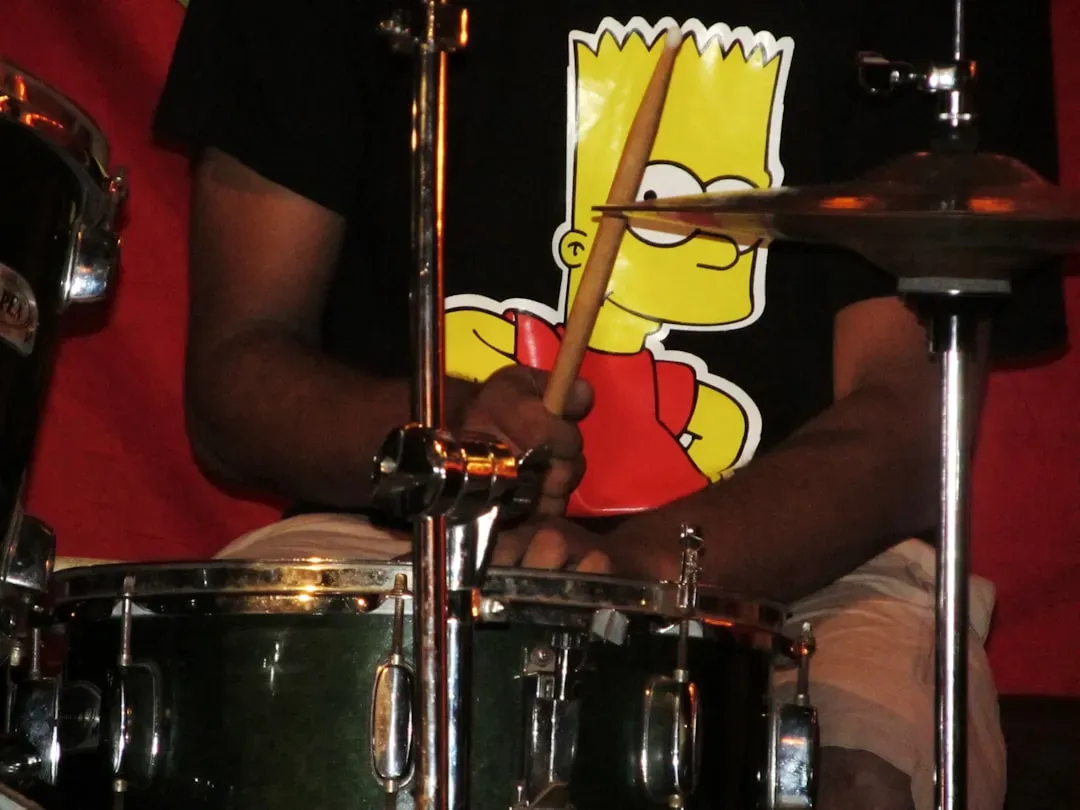
James Brown’s presence on this list is so overwhelming it deserves its own orbit. The most sampled artist of all time undoubtedly goes to the Godfather of Soul, James Brown. The funk legend has been sampled a staggering 8,554 times. From Kendrick Lamar to Kanye West, Boogie Down Productions to Childish Gambino, Madonna to The Stone Roses, everyone has found sampling gold in James Brown’s vast discography.
“Give It Up or Turnit a Loose” drum break became a staple of the first era of hip-hop sampling. The undisputed king of the hip-hop drum break appears twice in the all-time top ten most sampled hip-hop records. The most common usages are of the short drum fill which introduces the track, the following breakbeat, or the short grunts and shouts which appear within it.
Repeated patterns, crisp transients, and a funk feel make it easy to loop and recontextualise – a common recipe among the most sampled tracks. Brown’s session recordings functioned less like individual songs and more like a collective resource, a publicly accessible library of rhythm that hip-hop producers spent decades mining for material.
12. “I Want You Back” by The Jackson 5 (1969) – Motown’s Most Borrowed Moment
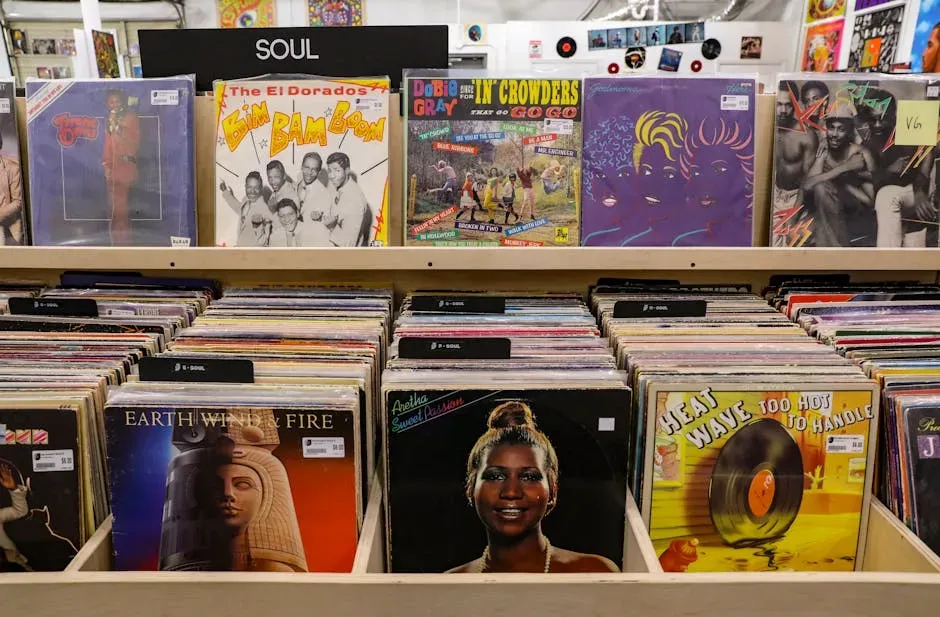
The Jackson 5’s “I Want You Back” is a Motown classic known for its upbeat and catchy melody. This track’s joyous energy has been sampled across various genres, including hip-hop, R&B, and pop. Nas’ “I Can” and The Sugarhill Gang’s “Rappers Delight” are just a few examples of how this melody has been reimagined. The song’s infectious spirit and universal appeal make it a perennial favorite among musicians and listeners alike.
Here’s the thing: it’s not just the drums people have sampled from this track. The piano intro, the bass, Michael Jackson’s vocals as a child – all of it has been lifted, chopped, and rebuilt across decades of recordings. It’s practically an entire sample pack disguised as a pop single. The melody sits in that rare sweet spot where it feels simultaneously familiar and eternally fresh.
What makes this track stand out among Motown samples is its sheer versatility. Producers working in boom bap, pop, drill, and even lo-fi have all found something useful within its tight arrangement. It’s a testament to how brilliantly the original session was recorded, with every element of the track sitting cleanly in the mix and practically begging to be looped.
13. “When the Levee Breaks” by Led Zeppelin (1971) – Rock’s Most Sampled Masterpiece
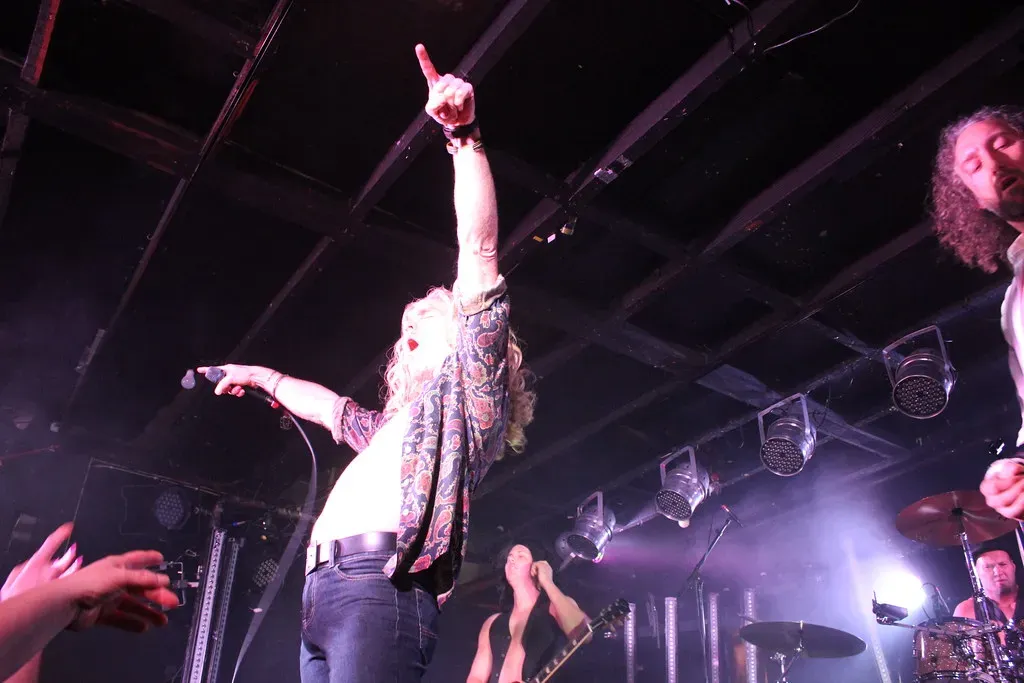
One unexpected source for many producers has been Led Zeppelin’s famous 1971 release, “When the Levee Breaks.” Sampled by everyone from Eminem to Dr. Dre to Beastie Boys, it’s certainly one of the more surprising entries on the list. A lot of people who think of sampling as purely a hip-hop or dance phenomenon get genuinely surprised when Led Zeppelin enters the conversation.
The drum sound on “When the Levee Breaks” is among the most distinctive in rock history, recorded with John Bonham playing at the bottom of a stairwell at Headley Grange to capture that enormous, cavernous reverb. That sound – massive, booming, and impossible to replicate without the right room – is exactly what made it so compelling to sample. It is perhaps the greatest rock break of all time, with an honorable mention going to Billy Squier’s “The Big Beat” as well.
Other well-known examples in modern music include Britney Spears’ “Toxic,” Daft Punk’s “One More Time,” numerous interpolations by David Bowie, and The Chemical Brothers’ “Block Rockin’ Beats.” The reach of rock-based samples into pop and electronic music is a reminder that great sound design transcends genre. Bonham’s drums were always bigger than rock and roll, and producers across every genre eventually figured that out.
A Final Thought on Six Seconds That Changed Everything
What ties all thirteen of these songs together is something almost philosophical. None of them were created to be samples. They were created to be listened to once, enjoyed, and moved on from. Instead, they became foundations. Music sampling is the act of taking a piece of one sound recording and reusing it as an instrument, element, or section in a new song. Simple enough as a definition, but the cultural weight of that act has reshaped every corner of modern music.
There are a handful of recordings, often little more than a few seconds of drums, a snatch of vocal, or a percussion figure, that have been repurposed in thousands of later songs. These most-sampled tunes are not just curiosities: they’re fundamental building blocks of entire genres. The Amen Break alone helped birth drum and bass and jungle as fully formed musical worlds. That’s not a footnote in music history. That’s the headline.
The bittersweet undercurrent running through so many of these stories is that the original creators – Gregory Coleman, Clyde Stubblefield, Lyn Collins – rarely saw financial reward for their contributions. Their sounds became the foundation of a billion-dollar industry while they remained in the shadows. Today, as sampling culture continues to evolve and clearance laws become stricter, those six seconds deserve far more than a footnote. What do you think – should the original creators of the most-sampled songs in history finally receive their due recognition? Tell us in the comments.