Music is strange like that. You press play on a song you’ve heard a hundred times, and something inside you shifts. A lyric lands differently. A chord hits somewhere deep. For millions of people around the world, this isn’t just a romantic idea – it’s literally what kept them alive.
These aren’t myths or marketing slogans. These are documented, researched, verified stories of songs that intersected with real human lives at the worst possible moments. Some changed public policy. Some pulled strangers back from the edge. Some transformed history. Let’s dive in.
1. “1-800-273-8255” by Logic – The Hip-Hop Song That Prevented Hundreds of Suicides
This might be the most statistically measurable case of a song saving lives ever documented. A study published in the British Medical Journal found an association between Logic’s hip-hop song and music video “1-800-273-8255” and an increase in daily call volume to the U.S. National Suicide Prevention Lifeline, as well as a decrease in the number of suicides in the United States. Honestly, when you think about it, a three-minute pop song shifting national suicide rates is almost unbelievable.
Researchers found that combining the 34-day period after the song’s release in April 2017, with the 34-day period after Logic’s performance at the MTV Video Music Awards in 2017, and the 34-day period after his Grammy performance in 2018, the U.S. National Suicide Prevention Lifeline received 9,915 calls above the expected number and recorded 245 suicides below the expected number. That is not an abstraction – those are real people.
The video has been viewed more than 400 million times on YouTube and as of the end of 2020, the song had more than one billion streams on Spotify. Reports indicated the Lifeline went up between 30% to 50% after its video went viral. The power of a phone number in a song title, it turns out, can echo through an entire nation.
2. “Truce” by Twenty One Pilots – A Piano Song Playing in the Dark

One fan shared: “I remember about a year ago I was alone in my room about to take my own life. Their song Truce came on and it literally saved my life.” Stories like this one are not rare in the Twenty One Pilots fan community. They are everywhere. Dozens of them. Raw and real.
Many users noted a Papageno effect-consistent comment for the song Truce by Twenty One Pilots: “I saw a girl at a live concert scream ‘I did’ when he said ‘stay alive, stay alive for me.’ I have never been in tears from something like that” or “Not to sound dramatic, but this song saved my life.” That is the Papageno effect in action – a musical message that offers an alternative to despair.
One person with clinical depression wrote that she would not have made it to that day if not for a line of lyrics that gave her hope and strength – a lyric from Twenty One Pilots, from the song called “Truce.” Truce is about Twenty One Pilots trying to convince their entire audience, both young and old alike, that life is beautiful and worth living.
3. “Jeremy” by Pearl Jam – The Song That Sparked a National Conversation
On January 8, 1991, 15-year-old Jeremy Delle fatally shot himself at Richardson High School in Texas, in front of his teacher and classmates. It was a tragedy that a journalist reduced to a single paragraph. That paragraph, however, landed in the hands of Eddie Vedder.
The song was inspired by a newspaper article Vedder read about Jeremy Wade Delle, a high school student who shot himself in front of his English class on January 8, 1991. With “Jeremy,” Pearl Jam had tapped into something in the public subconscious and brought to the surface issues that no one wanted to talk about: bullying, depression, and suicide. Nobody was discussing these things openly. Then suddenly, everyone was.
Accepting an MTV award, Vedder told the audience: “If it weren’t for music, I think I would have shot myself in the front of the classroom. It really is what kept me alive, so this is kind of full circle. So to the power of music, thanks.” The song became one of the most talked-about songs of the 90s, raising awareness about teen suicide, school violence, and mental health.
4. “Hurricane” by Bob Dylan – A Song That Freed an Innocent Man
This is not just a song that moved people emotionally. This is a song that helped change the course of a man’s actual life. The song is about the imprisonment of boxer Rubin “Hurricane” Carter. It describes acts of racism and profiling against Carter, which led to a flawed trial and a murder conviction that was eventually overturned.
The song is credited with harnessing popular support to Carter’s defense. During the fall tour preceding the album’s release, Dylan and the Rolling Thunder Revue played a benefit concert for Carter in New York City’s Madison Square Garden, raising $100,000. There is something almost cinematic about that. A folk musician using his guitar as a legal weapon.
Carter was wrongfully convicted of murder and spent 20 years in prison before finally being exonerated. Dylan and others who publicized Carter’s case are credited in part with his exoneration. Without the song, it’s hard to say whether the world would have paid enough attention to demand justice. I think it would not have.
5. “Zombie” by The Cranberries – Grief Turned Into a War Cry
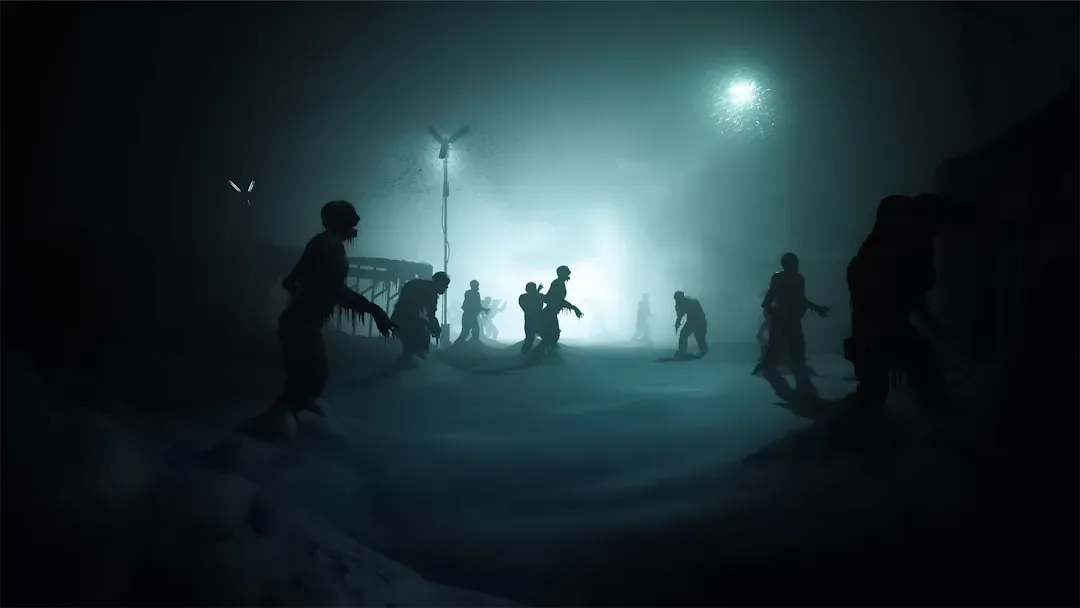
Dolores O’Riordan’s guttural scream in the 1994 hit channels the rage of an entire nation. The song responds to the IRA’s Warrington bombing that killed two children – Tim Parry, aged 12, and Johnathan Ball, aged 3 – in 1993. This was not art made from a distance. O’Riordan was devastated. The whole of Ireland was.
The families of those two boys found some measure of solidarity in knowing that their loss had not been swallowed up in silence. Instead, it had become one of the most played protest songs in rock history. The Parry family in particular became vocal peace advocates, partly drawing strength from the public attention the song helped generate.
Colm Wilkinson, a founding member of the Peace Factor, noted in multiple interviews that music like “Zombie” gave the Irish peace movement an emotional language that political speeches simply could not. Music is a ubiquitous form of entertainment, engaging millions and providing emotional release for both musicians and listeners. Songs referencing difficult subjects, including violence and death, appear in every genre of music from country to hip-hop, punk rock to blues.
6. “Tears in Heaven” by Eric Clapton – The Grief That Raised Millions

Every note of this 1992 ballad aches with real pain. It is Eric Clapton’s tribute to his 4-year-old son Conor, who fell from a 53rd-floor window in New York in 1991. There is no way to hear this song and not feel the weight of it. Even if you don’t know the story behind it, the pain is unmistakable.
Its inclusion on the “Rush” soundtrack helped raise millions for Clapton’s son’s memorial charity. The Crossroads Centre in Antigua, founded by Clapton to help others struggling with addiction and grief, became one of the enduring legacies of that loss. A father turned mourning into meaning in the most direct way imaginable.
For countless grieving parents and people who have lost children, this song has served as a vessel for emotions that have no other outlet. What makes it especially poignant is hearing Clapton’s voice break during live performances, proving some wounds never fully heal. That vulnerability, it turns out, is precisely what makes it healing for others.
7. “I Don’t Like Mondays” by The Boomtown Rats – When Music Confronted Mass Violence

This deceptively upbeat 1979 song hides a horrifying origin: 16-year-old Brenda Ann Spencer’s random schoolyard shooting that left two dead and nine injured. When asked why she did it, Spencer chillingly replied “I don’t like Mondays.” Lead singer Bob Geldof read the quote in a newspaper and turned it into a commentary on senseless violence. It’s one of those moments where a journalist’s instinct and an artist’s conscience collide beautifully.
Partner offer
The song’s bouncy piano contrasts with lyrics about mental health and gun control. Decades later, it remains one of pop music’s most unsettling case studies in how society processes tragedy. It never asked for easy answers. It just asked people to pay attention.
For survivors of gun violence, teachers, and school counselors over the decades, the song has served as a cultural checkpoint – a reminder that these stories deserve more than a paragraph buried in a newspaper. That’s harder to quantify than a Lifeline call count, but no less real. Here’s the thing: sometimes a song saves lives by refusing to let people forget.
8. “The Sound of Silence” by Simon and Garfunkel – The Anthem of the Invisible
Originally released in 1964 and then re-released in a more electrified version in 1965, this song became an accidental anthem for a generation of young people who felt utterly alone. It speaks to isolation with such precision that listeners have consistently described it as the first time they felt genuinely understood.
Every music lover has a song that’s helped them through a tough time. For an enormous swath of the population – particularly those dealing with depression and social withdrawal – this Simon and Garfunkel song has historically been that track. Crisis counselors and mental health researchers have referenced it repeatedly as an example of music that validates rather than dismisses pain.
Research indicates that music therapy seems to enhance protective factors that work against suicidal ideation. The song does this organically, without clinical intervention. It tells the listener: your loneliness is real, others feel it too. That simple act of acknowledgment has pulled people back from very dark edges.
9. “Fast Car” by Tracy Chapman – The Escape Route Made of Sound

Tracy Chapman’s 1988 breakout hit isn’t fiction. It’s drawn from her own childhood in Cleveland, watching families trapped in poverty cycles. For millions of listeners in similar circumstances, the song did something extraordinary: it told them that the dream of escape was valid, not foolish.
For people living in situations of domestic violence, poverty, or trapped relationships, “Fast Car” has repeatedly been cited in personal testimonials as the song that planted the seed of belief that something better was possible. That might sound abstract, but belief – the simple idea that change is imaginable – can genuinely be the difference between staying in a dangerous situation and finding the courage to leave.
Songs can carry positive effects for listeners through behavioral modeling by illustrating alternatives to difficult situations. Chapman’s song does exactly this. It doesn’t offer a manual. It offers a mirror, and in that mirror, some people finally saw themselves clearly enough to act.
10. “Born in the U.S.A.” by Bruce Springsteen – The Misread Song That Made Veterans Visible
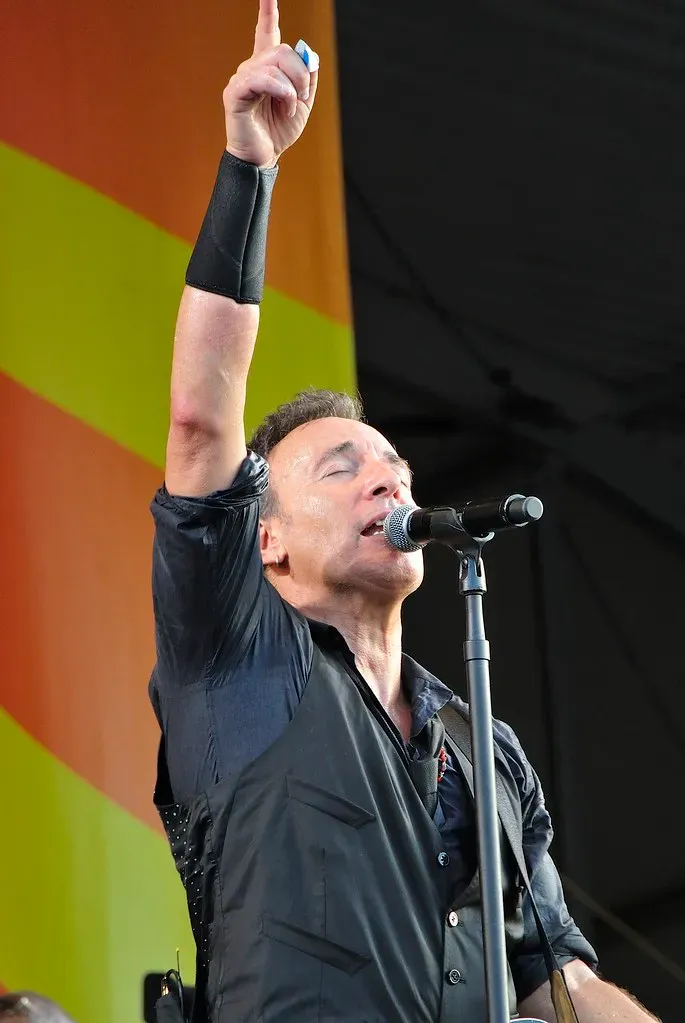
Ronald Reagan famously misunderstood this 1984 anthem as patriotic. It’s actually a scathing indictment of how America treats its veterans. Inspired by Vietnam vet Ron Kovic’s memoir, it tells of a working-class man sent to war and then abandoned. The irony of its misappropriation is almost darkly funny – except the underlying story is not funny at all.
For thousands of Vietnam veterans who felt invisible, discarded, and forgotten, the song gave voice to a profound anger that had nowhere to go. Veteran support groups in the 1980s regularly cited Springsteen’s music as part of what helped them feel seen during a period when their country largely preferred not to look.
The lyrics reference veterans’ struggles with unemployment and PTSD. Springsteen still introduces the song live as “a protest song,” proving great art often wears disguises. The disguise, it turns out, made it reach even further. Veterans who might never have engaged with explicit protest music heard themselves in a stadium anthem. That reach mattered.
11. “Smoke on the Water” by Deep Purple – The Song Born From Real Flames
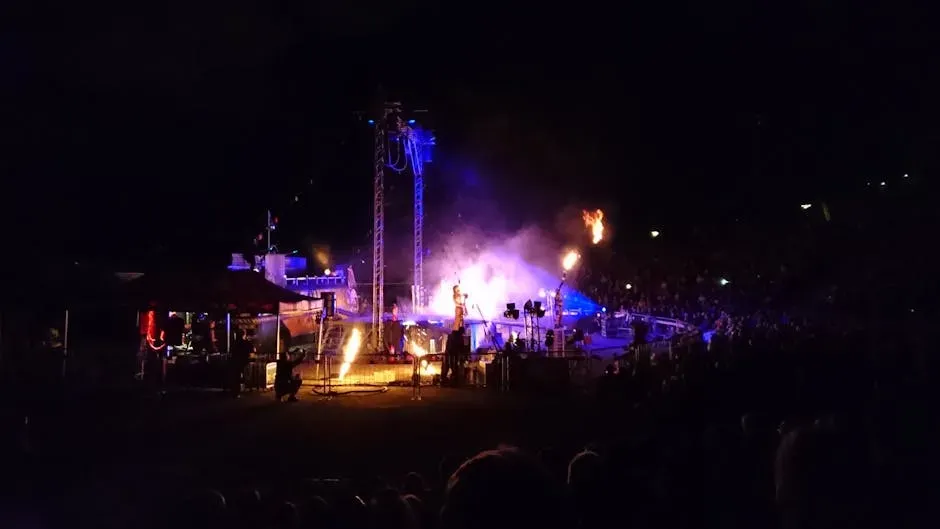
Every detail in the lyrics is true. “The funky Claude running around” was Claude Nobs, the festival organizer, saving people from the flames. Even the title comes from the eerie sight of smoke drifting across Lake Geneva – a moment forever preserved in music history. On December 4, 1971, the Montreux Casino caught fire during a Frank Zappa concert. People ran for their lives.
Claude Nobs – known to fans as “Funky Claude” – personally helped escort concertgoers to safety that night. Deep Purple, who were in town to record, watched from across the lake as the building burned. They then transformed that rescue story into one of the most recognizable riffs in rock history.
The song turned Nobs into an unlikely folk hero, and his legacy of hospitality and care at the Montreux Jazz Festival has outlasted the fire by more than five decades. Music can play an important role in the lives of both artists and fans while supporting mental health and community. In this case, it also immortalized an act of genuine human heroism that might otherwise have been forgotten.
12. “Super Heroes” by Dr. Rony – The ICU Song That Funded a Psychologist

During the pandemic, NHS doctor Rony witnessed many of his ICU colleagues burning out and breaking down in tears at the end of their shifts, clearly at risk of developing PTSD. Knowing it could be prevented if treated early, he decided to write a song called “Super Heroes” and fundraised £8,400 towards the employment of a full-time psychologist in the ICU.
Let’s be real – this story doesn’t have the global reach of a Logic track or a Pearl Jam video. It’s smaller. Quieter. A single doctor, a guitar, a ward full of traumatized colleagues. But the psychologist that song funded walked into that ICU every single day and supported people who were actively in crisis.
An obvious strategy for preventing mental health crises is ensuring that individuals have access to affordable and accessible mental healthcare services. In the case of this ICU team, a song made that happen when the system could not. The NIH has awarded $20 million to support the Sound Health initiative, which explores how music affects chronic pain, addiction, and mental health issues. The science is catching up to what musicians have always known: sound heals.
Conclusion: The Playlist That Proves Music Is Never Just Music

Across decades, genres, and continents, these twelve stories share one thread: a song arrived at exactly the right moment and changed what happened next. Sometimes statistically. Sometimes in a single bedroom. Sometimes in a courtroom, or on a burning lakeshore, or in an exhausted ICU.
With roughly 720,000 people dying by suicide globally every year according to the World Health Organization, the stakes around mental health and connection are extraordinarily high. The idea that music can be one genuine tool in addressing that crisis is not a stretch. The research, and the raw personal testimonies, both confirm it.
Music cannot replace therapy, crisis intervention, or human connection. Nobody is arguing that. Still, it reaches people in places where nothing else can. In a dark room at 3 a.m. In a car on a highway with nowhere to go. In an ICU break room after a brutal shift. It arrives without judgment, without an appointment, and without a waiting list. What song has quietly held you together when nothing else could?
Partner offer
Planning a trip to Vegas?
Compare hotel rates and show tickets on VEGAS.com.