Most readers assume the ending they know is the only ending that ever existed. The truth, though, is that some of the most celebrated novels in literary history nearly closed on completely different notes. Authors wrestled, revised, and sometimes caved to outside pressure before settling on the words that would define their legacies. These three classic books didn’t just come close to different endings – in some cases, the alternate versions were already written, printed, or nearly published before a last-minute change of heart.
1. Great Expectations by Charles Dickens – The Bleak Original Nobody Read for 14 Years
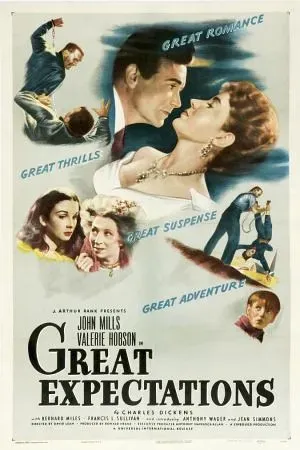
Readers did not know there was an alternate ending to Great Expectations until 1874, nearly 14 years after the novel’s initial publication. Dickens actually revised the ending to this classic novel twice. The original ending had Pip meet Estella – but she had remarried after Drummle’s death, meaning there was no chance of a happy ending. Dickens liked this ending because it was unexpected and went against convention. It was a cold, realistic conclusion that mirrored the novel’s overarching tone of lost illusions and social disappointment.
Dickens had lingering doubts about the final chapter, and before going to press he sought the advice of friend and fellow writer Edward Bulwer-Lytton. The downer of an ending didn’t go over well with Bulwer, who held fast that “the soul of a very long fiction should be pleasing.” Dickens was persuaded that its melancholy tone was uncommercial, so he altered it to something very close to the modern ending, wherein Estella is widowed but not remarried, and indicates she now sees Pip as a potential future. In his 1937 edition of the novel, George Bernard Shaw placed the revised ending as a postscript and used the original ending, stating that only “sentimental readers” would enjoy the revised ending.
2. Great Expectations – The Three Versions and Why Critics Still Argue Today
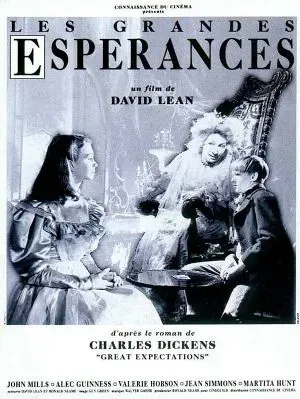
Dickens actually wrote three endings to Great Expectations – the second and third endings identical except for the wording of the final sentence. Just to complicate matters further, the final line also exists in two other versions. “I saw no shadow of another parting from her” has been the standard reading in editions since 1862, presumably authorised by Dickens, but the first editions read “I saw the shadow of no parting from her.” That single variation in phrasing shifts the emotional weight of the conclusion considerably, leaving readers either hopeful or uncertain depending on which version they hold.
Many critics prefer the original ending to the revised version because it is the ending that Dickens himself decided to write without consulting anyone. Many people prefer the revised ending since it allows Pip and Estella to find happiness together, and the plot feels more complete. However, many critics also feel this happier ending does not match the tone of the overall novel. The majority of books being published currently contain the first ending, or both, with Dickens’ original with its own explanation.
3. A Farewell to Arms by Ernest Hemingway – The Man Who Wrote 47 Endings
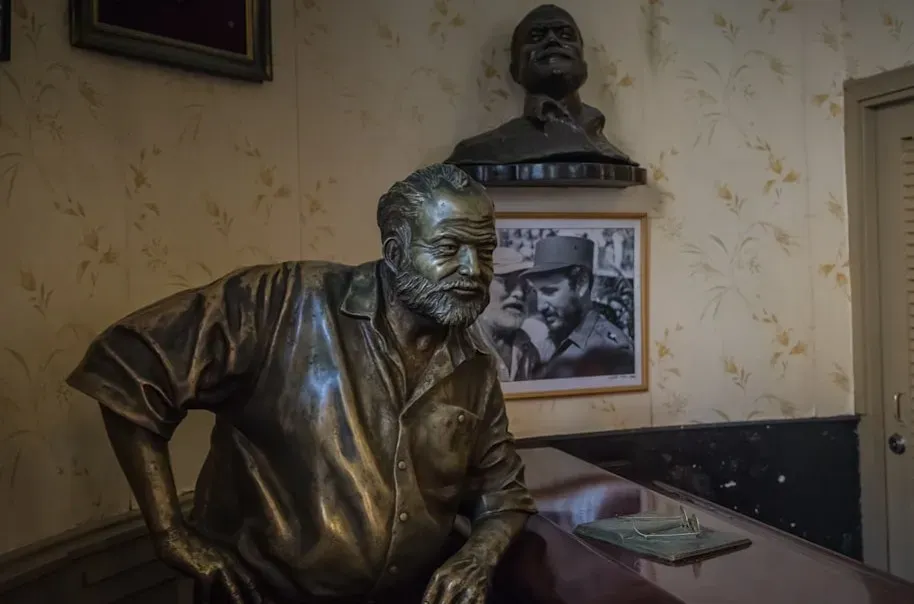
In 1958, Hemingway told George Plimpton of The Paris Review that he “rewrote the ending to A Farewell to Arms, the last page of it, thirty-nine times before I was satisfied.” He claimed he had trouble “getting the words right.” Historians have since determined that Hemingway actually wrote 47 endings to the novel. In July 2012, Scribner’s published an edition of the novel containing all 47 alternative endings, in addition to pieces from early drafts. The scale of that creative struggle is extraordinary – nearly five dozen attempts at a single conclusion for a single book.
Hemingway apparently considered more upbeat and optimistic endings, including one in which both Catherine and the baby survive. That one ended: “There is no end except death and birth is the only beginning.” Hemingway sought advice on the ending from F. Scott Fitzgerald, his friend and fellow author. Fitzgerald suggested Hemingway end the novel with the observation that the world “breaks everyone,” and those “it does not break it kills.” In the end, Hemingway rejected even that suggestion and chose the stark, rain-soaked farewell that readers know today.
4. A Farewell to Arms – What the Hidden Drafts Actually Revealed
The multiple endings – 47 to be exact – were found in Hemingway’s papers at the John F. Kennedy Presidential Library and Museum in Boston. The endings range in length from a few sentences to several paragraphs. Some endings are bleaker than others. In one particularly grim ending, titled “The Nada Ending,” Hemingway wrote “That is all there is to the story. Catherine died and you will die and I will die and that is all I can promise you.” In another ending, Henry and Catherine’s baby survives. Each version reveals a writer in raw conflict with his own story – unsure whether to offer comfort or punishment to the reader.
The alternative endings help readers see Ernest Hemingway’s thought processes – but they were never going to be real. Hemingway himself wrote, in a 1948 introduction to the book, that he always knew it would be tragic. Since 2025, A Farewell to Arms has been in the public domain, bringing renewed attention to these drafts and making them more accessible to scholars and general readers alike. The 47 endings are not just curiosities – they are a window into how a literary masterpiece is actually built, word by agonizing word.
5. Of Mice and Men by John Steinbeck – The Ending That Almost Wasn’t
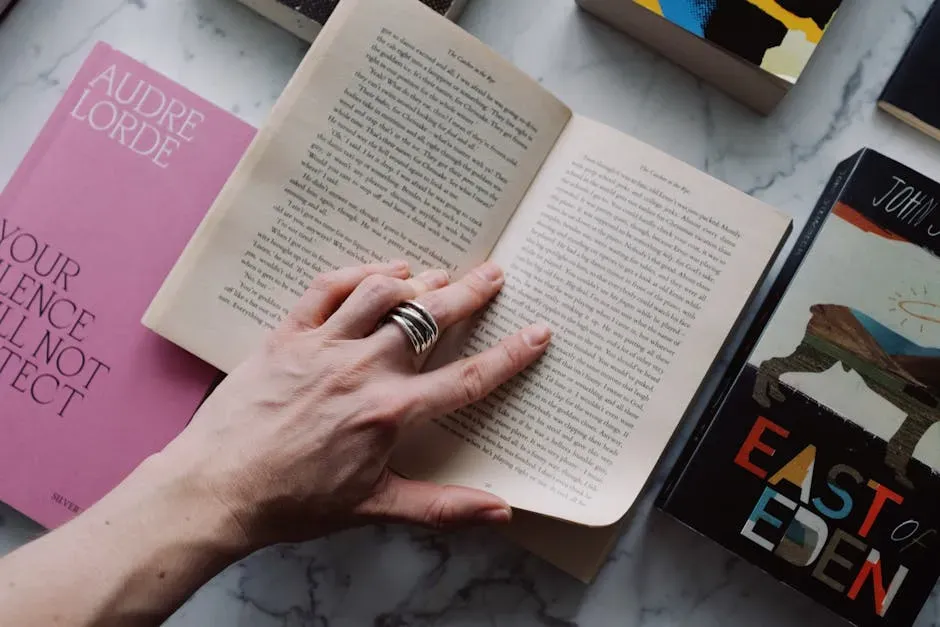
John Steinbeck’s “Of Mice and Men” is known for its heart-wrenching conclusion, but Steinbeck initially considered an ending where George does not shoot Lennie. Instead, George would allow Lennie to be captured and institutionalized. This alternative ending would have shifted the narrative’s focus from the themes of friendship and sacrifice to a more ambiguous resolution. Ultimately, Steinbeck chose the tragic yet poetic ending that resonates deeply with readers, emphasizing the harsh realities of life and the bonds of friendship. That decision transformed a story about survival into something much harder to shake loose.
An early draft of “Of Mice and Men” was eaten by Steinbeck’s dog. As he explained in a 1936 letter: “My setter pup, left alone one night, made confetti of about half of my manuscript book. Two months work to do over again. It sets me back. There was no other draft. I was pretty mad, but the poor little fellow may have been acting critically.” The manuscript that Steinbeck rewrote from memory may itself differ from what he originally envisioned – meaning the book we know today is already a rewritten version of a lost original.
6. Of Mice and Men – The Final Coda That Nearly Didn’t Exist
Steinbeck based the novella on his own experiences as a teenager working alongside migrant farm workers in the 1910s, before the arrival of the Okies whom he would describe in his novel The Grapes of Wrath. The book might have ended as Slim and George walked toward the highway. Instead, Steinbeck added a coda with Carlson saying, “What the hell ya suppose is eating’ them two guys.” That final line, delivered by a man who simply doesn’t understand what has just happened, is one of the most chilling closes in American fiction – and it was almost cut entirely.
This coda was added to illustrate the separation between George and Slim from the other men. George and Slim understood the emotions at play when having to kill Lennie. The other men did not talk about emotions or acknowledge that two men travelling together meant something. In the UK, the novella was listed at number 52 of the “nation’s best loved novels” on the BBC’s 2003 survey The Big Read. The book’s enduring power owes much to those final, cold words – a closing that Steinbeck almost left on the cutting room floor, and that continues to divide and haunt readers nearly ninety years after it was first published.