They meet behind closed doors, swear oaths of silence, and number some of the world’s most powerful people among their ranks. Secret societies have fascinated outsiders for centuries, and despite our age of radical transparency and social media oversharing, many of these groups are very much alive in 2026. The question isn’t really whether they exist. The real question is what they’re doing, and just how much influence they actually hold over the world the rest of us live in.
What Exactly Defines a Secret Society?
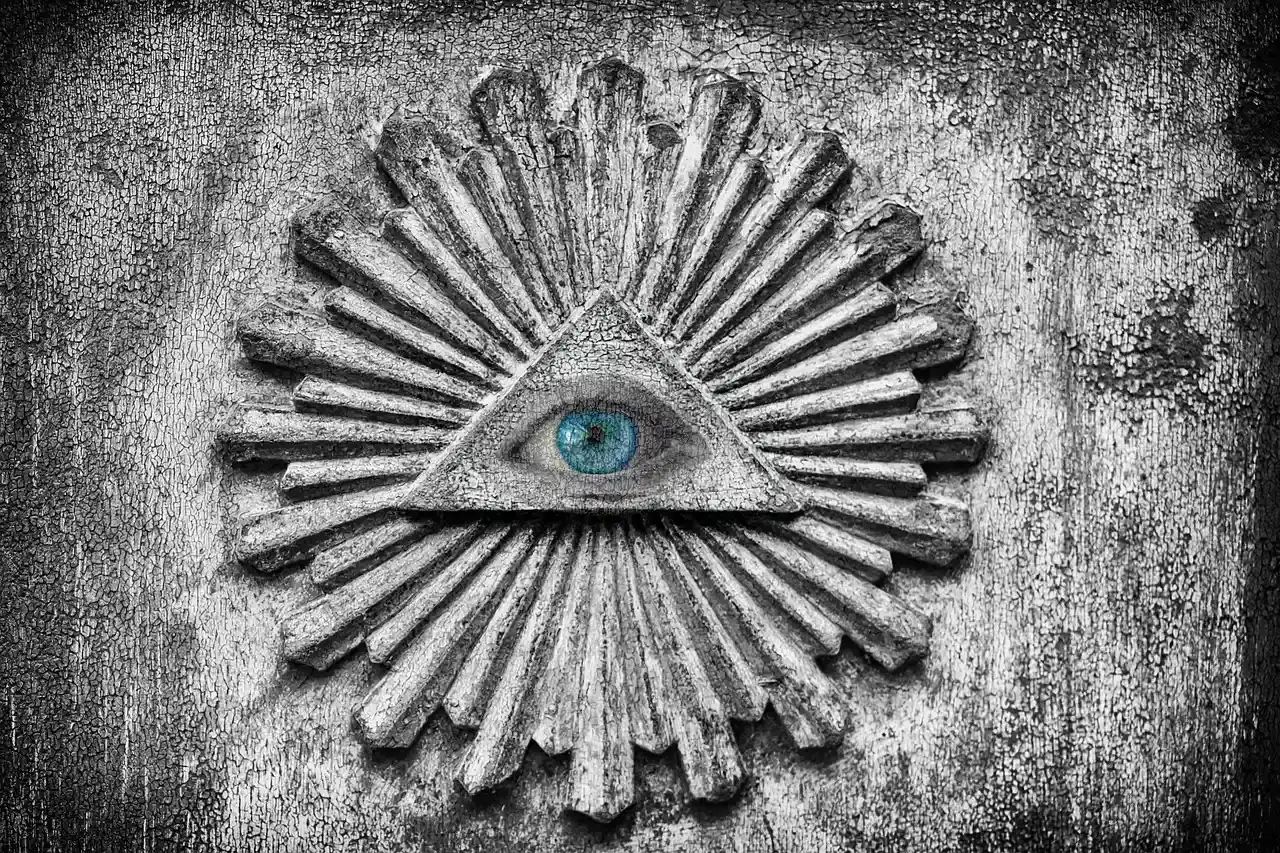
Historian Richard B. Spence of the University of Idaho offered a defining framework: a secret society’s existence is usually not kept secret, but some beliefs or practices are concealed from the public and require an oath of secrecy and loyalty to learn. The group promises superior status or knowledge to members, and its membership is in some way restrictive, such as by race, sex, religious affiliation, or by invitation only. That description fits a surprisingly wide range of organizations operating right now, from elite university clubs to international policy gatherings attended by heads of state.
In general, secret societies share several common features. They are typically exclusive, requiring a rigorous initiation process for new members. They are also hierarchical, with members progressing through various levels or degrees of initiation. Furthermore, their activities, doctrines, and rituals are concealed from non-members, and often even from lower-ranking members. These organizations, which have developed their own rituals and require membership oaths, exist for numerous reasons and have appeared over the centuries. Not just anyone can be a member. Many restrict admittance based on gender, religion, or occupation.
The Freemasons: The World’s Most Documented Brotherhood
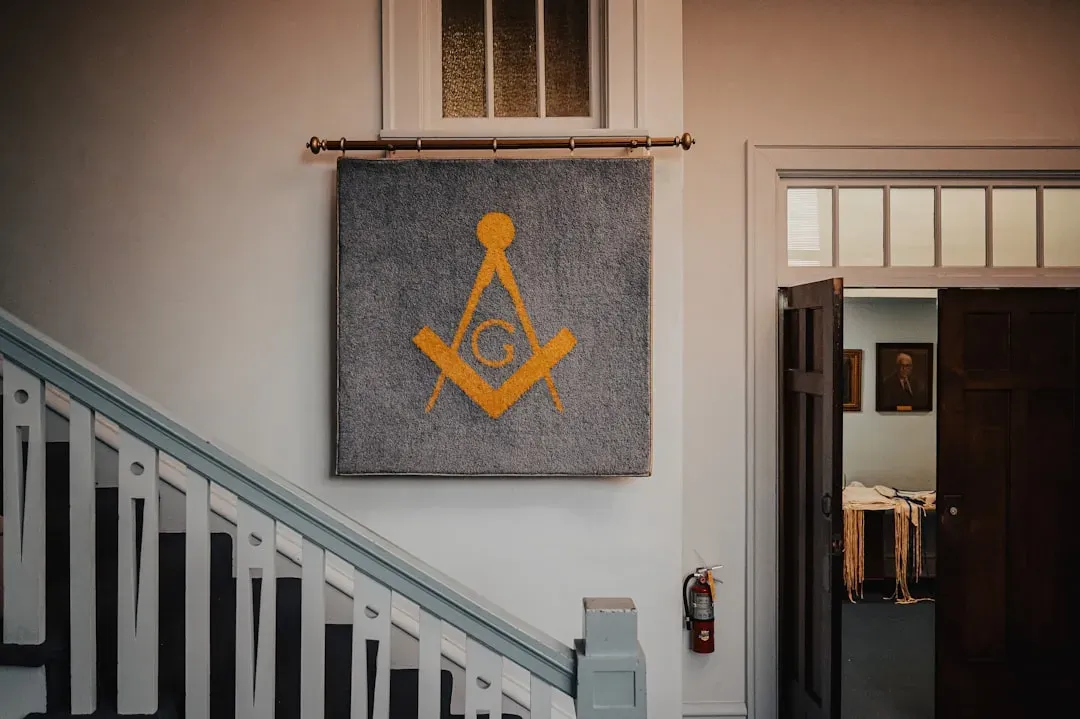
Arguably the most well-known secret society, the Freemasons originated in the late 16th or early 17th century. As a fraternity that traces its roots to local fraternities of stonemasons, Freemasonry now exists in various forms all over the world, with a membership estimated at around six million. Known for their elaborate rituals, the Freemasons are also recognized for their commitment to moral and spiritual values, charitable work, and the fostering of fellowship. Their lodges operate across virtually every country on Earth, from small rural towns to major capital cities.
In the United States alone, there are 51 Grand Lodges, one in each state and the District of Columbia, which together have a total membership of around 875,000 according to the Masonic Service Association of North America. The largest single jurisdiction, in terms of membership, is the United Grand Lodge of England, with a combined membership estimated at 175,000. Still, the organization has seen significant contraction in recent decades. Freemasonry had over 4 million members in the 1950s, and membership has since dropped to about 1 million in North America, a precipitous decline, though not unlike the decline seen in similar fraternal organizations.
Skull and Bones: Power Bred at Yale
Possibly the worst-kept secret as far as secret societies go, Skull and Bones is an undergraduate senior society located at Yale University in New Haven. The society was founded by William Huntington Russell and Alphonso Taft in 1832 after a dispute broke out among Yale debating societies. The society’s alumni organization, the Russell Trust Association, owns the group’s real estate and oversees the organization. Skull and Bones’ headquarters, a windowless brownstone hall on 64 High Street, is named “the tomb.” Since its inclusion of women in 1991, the society selects 15 junior men and women to join every spring as part of Yale’s “tap day.”
As of 2024, the organization had an endowment of $17 million. Skull and Bones’ membership has developed a reputation in association with the “power elite.” Both ex-presidents George H.W. and his son George W. Bush, and presidential candidate John Kerry, were members of this society. The society’s ability to quietly place its alumni at the highest levels of American government, intelligence, and finance is what keeps people talking about it decades after its founding.
The Bilderberg Group: Where Global Policy Gets Made Off the Record

The Bilderberg Group, founded in 1954, promotes dialogue between Europe and North America to strengthen transatlantic ties. It hosts annual meetings for 120 to 150 influential figures from politics, business, finance, academia, and media. Since its beginning in the early 1950s, Bilderberg has pursued two main objectives: promoting European integration and trans-Atlantic cooperation. The most visible part of its activity is its highly exclusive and confidential annual conference, which usually lasts three days.
Research concluded in 2023 found that Bilderberg members António Guterres, Kristalina Georgieva, Jens Stoltenberg, and Ursula von der Leyen simultaneously headed the United Nations, the International Monetary Fund, NATO, and the European Union. In 2024, the NATO Secretary General position passed to Mark Rutte, who had previously appeared at many Bilderberg conferences. Stoltenberg first attended Bilderberg, was later elevated to NATO leadership, and then took over Bilderberg’s co-chairmanship. Peter Carrington previously followed the same career path. There appears to be a clear revolving door between Bilderberg and NATO. Bilderberg’s biggest accomplishment is arguably its contribution to introducing the European common currency. Former Bilderberg chairman Etienne Davignon hinted that the Bilderberg meetings facilitated the creation of the euro.
Bohemian Grove: The Leaked List That Shocked 2026
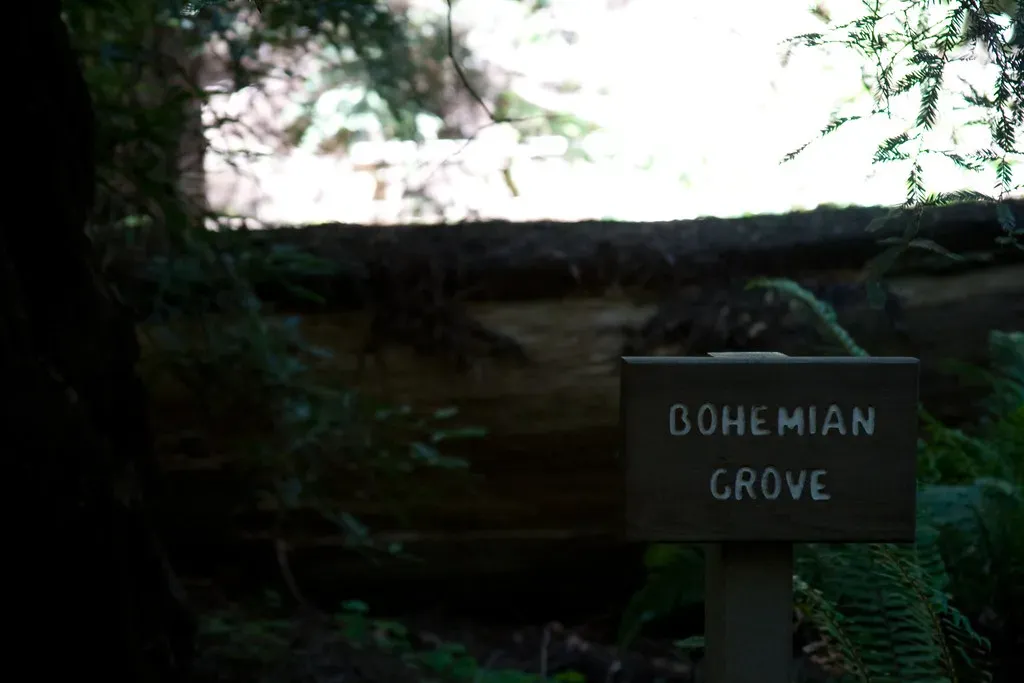
Skull and Bones at Yale, Bohemian Grove in California, and the Bilderberg Group represent different models of elite organization, from college fraternity to summer camp to policy conference. Bohemian Grove, the sprawling Northern California redwood encampment run by the Bohemian Club, has long attracted the most powerful men in American life. The club describes its annual gathering as symbolically casting off the burdens of public life. Critics argue the secrecy surrounding the event fuels legitimate concerns about elite coordination and influence far from public scrutiny.
In early 2026, the veil around Bohemian Grove slipped in a significant way. A researcher obtained a membership list in 2024 by persistently approaching a San Francisco club member, stating: “I went to this person’s office for a week straight.” The leaked 2023 roster confirmed prominent names including Mickey Hart among dozens of attendees from Napa and Sonoma counties alone. The exposure of roughly 2,200 names offered the most detailed public glimpse inside the Grove’s membership in the organization’s history, confirming long-held suspicions about the breadth of its influence across business, politics, and culture.
Cicada 3301 and the New Digital Secret Society
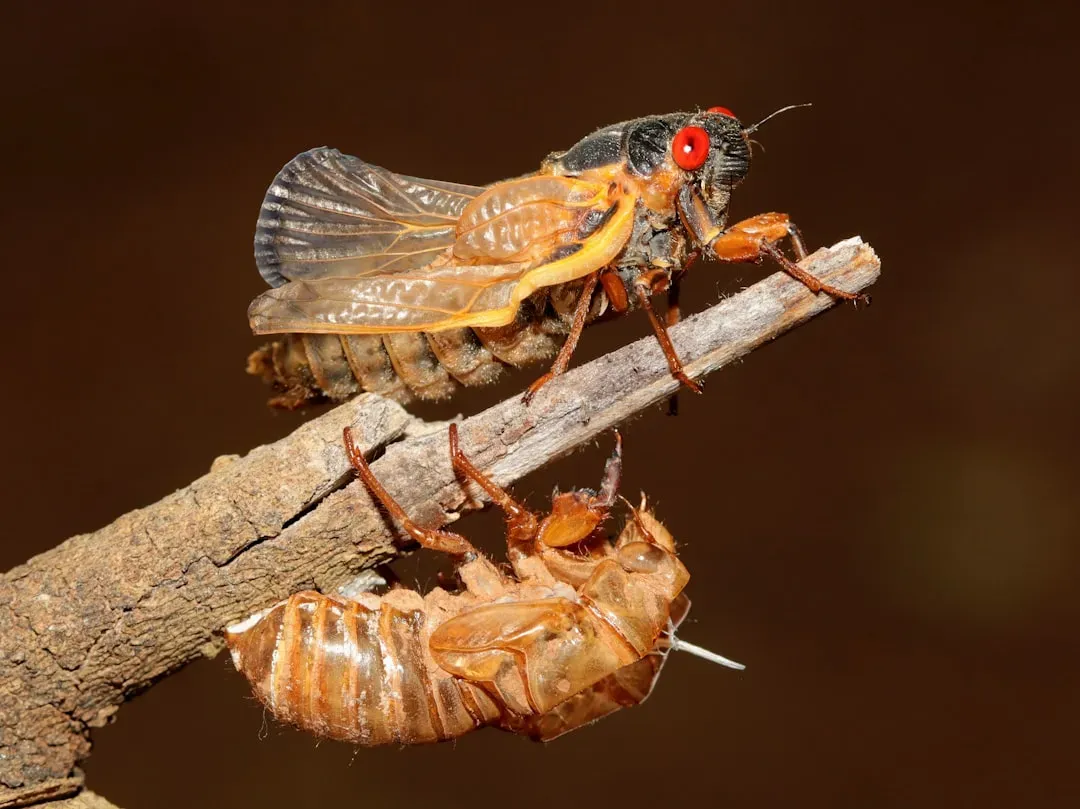
Cicada 3301 is the name given to eight sets of puzzles posted under the name “3301” online between 2012 and 2014. The first puzzle started on January 4, 2012 on 4chan and ran for nearly a month. A second round began one year later, and then a third round following confirmation of a fresh clue posted on Twitter on January 4, 2014. The third puzzle remains unsolved. The puzzles focused heavily on data security, cryptography, steganography, and Internet anonymity.
The group’s identity remains a mystery, with some theorizing that Cicada 3301 is a secret society or a secret recruitment tool for intelligence agencies. Many have speculated that based on the nature of the puzzles, the group could be looking for codebreakers, cryptographers, linguists, and individuals highly concerned with data privacy. Many also think this could be a recruitment method used by government intelligence agencies like the NSA, CIA, FBI, or agencies of other countries like MI6. In 2024, a separate cybercriminal group began using the Cicada 3301 name, stealing and publishing data from roughly 30 companies on a dedicated leak site, with 24 of those victims based in the US and UK. Whether connected to the original group or not, the name continues to carry a weight that few internet mysteries can match.
In the 21st century, secret societies still exist. While their influence may not be as overt as in the past, they continue to serve as networks for the powerful and elite, acting as conduits for ideas and agendas outside the mainstream. There is still much we don’t know about these societies, given their secretive nature. In fact, there is always a chance other influential groups were omitted from public knowledge entirely because their secretive nature has kept them out of the public eye. The watching, it turns out, very likely goes both ways.