There’s a version of every famous place that lives in your imagination. Glittering, vibrant, worth every penny of the flight. Then there’s the real version – overcrowded, overpriced, and underwhelming in ways nobody warned you about. The gap between those two versions is exactly where the world’s most visited tourist traps thrive.
Locals know this better than anyone. They stopped going years ago. They will give you a look of quiet pity if you mention you’re heading there. So before you mark another iconic landmark on your travel itinerary, consider what the residents who actually live there have to say. Let’s dive in.
1. Times Square, New York City – The Organized Chaos Nobody Needs Twice
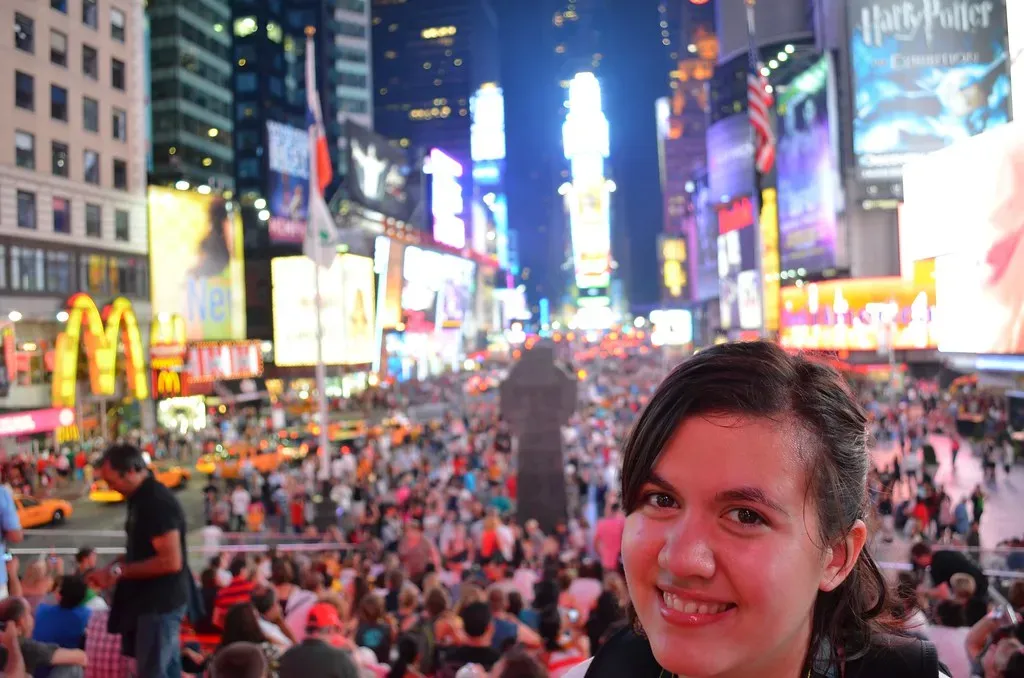
Here’s the thing about Times Square: it is not actually a bad place. It’s just that it was never designed for people who want to feel something real. Times Square delivers spectacle, not authenticity. It’s a manufactured experience designed to overwhelm and extract money from visitors. Think of it as the Las Vegas of sidewalks – dazzling for exactly twenty minutes before the novelty collapses into sensory fatigue.
Times Square operates at a scale smaller than most shopping malls but handles up to 400,000 visitors on peak days. Let that sink in. An area smaller than a shopping mall, packed with almost half a million people. The 220,000 pedestrians entering Times Square daily in 2024 represent a human density most cities never experience.
Electronics stores in the area are tourist traps. The camera and phone shops targeting visitors often sell inferior products at inflated prices. New Yorkers themselves are rarely spotted in the area during regular hours. Early morning belongs to the locals. Arrive before 10 AM to see Times Square without the crushing crowds. If locals only tolerate it before breakfast, that tells you everything you need to know.
New York City anticipates 68.1 million visitors in 2025, finally exceeding pre-pandemic levels. Every single one of them will pass through Times Square at some point. Honestly, I think the real New York lives about twelve blocks in any direction from this place – and that’s where you should be spending your time.
2. Hollywood Walk of Fame, Los Angeles – Stars on the Pavement, Disappointment in the Air
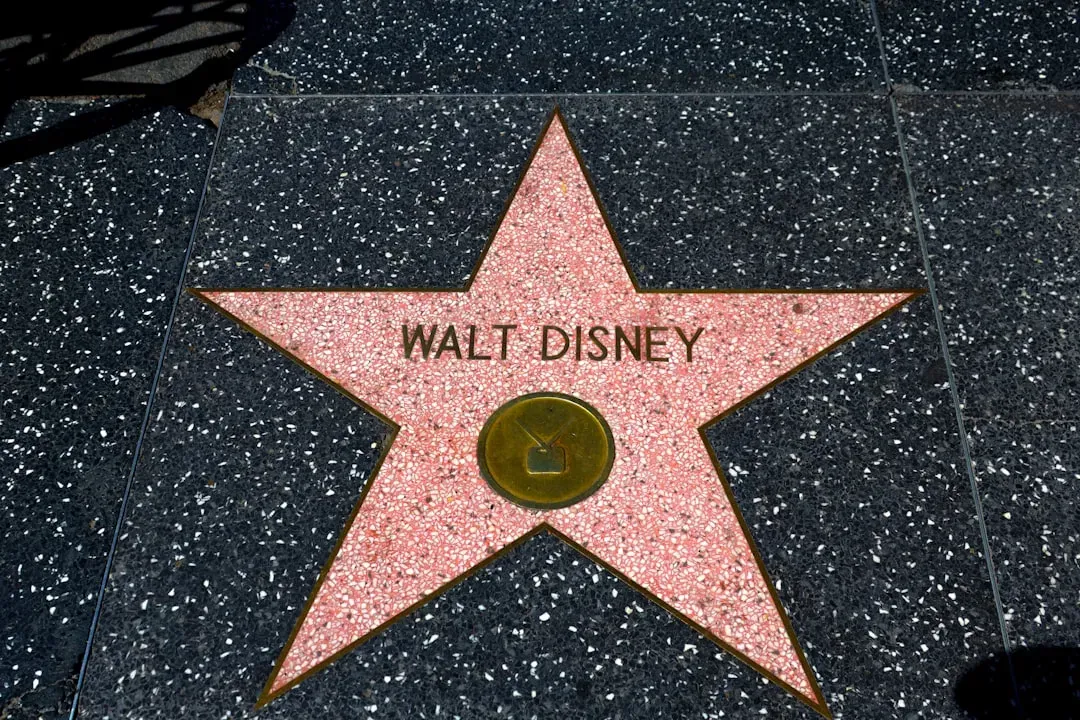
Few tourist destinations in the world have a gap this wide between expectation and reality. According to a ranking released by luggage storage company Stasher, the Hollywood Walk of Fame was named the worst tourist attraction in the world. The study evaluated more than 100 famous attractions using a mix of Google review scores, TikTok engagement, safety data, airport accessibility, and accommodation quality. Not the second worst. Not the fifth. Dead last.
According to Stasher, the Walk of Fame’s 2.67 out of 10 rating reflects its underwhelming visitor experience, with many reviews describing the area as rundown and unsafe. Visitors cited overcrowding, cleanliness concerns, aggressive street performers, and disappointment over how little there actually is to do once you arrive. It’s a bit like paying for a five-course meal and receiving a bread roll and a handshake.
Since 1960, when the first permanent stars were installed on the sidewalk, tourists have flocked to see celebrity names along the Hollywood Walk of Fame. Over 2,700 of these terrazzo-and-brass stars now line the pavement of Hollywood Boulevard and Vine Street in Los Angeles. Locals recommend exploring diverse neighborhoods, food scenes, and outdoor spaces for authentic Los Angeles experiences. In other words, the people who actually live in this city have quietly moved on.
In late 2025, the Walk of Fame received the traveler’s version of a Razzie Award when Stasher named it the world’s worst major tourist attraction. If this sounds familiar, it may be because it’s become something of a tradition for the Walk of Fame to top Stasher’s worst-of list. At some point, that pattern stops being a coincidence.
3. Las Ramblas, Barcelona – A Street That Lost Its Soul
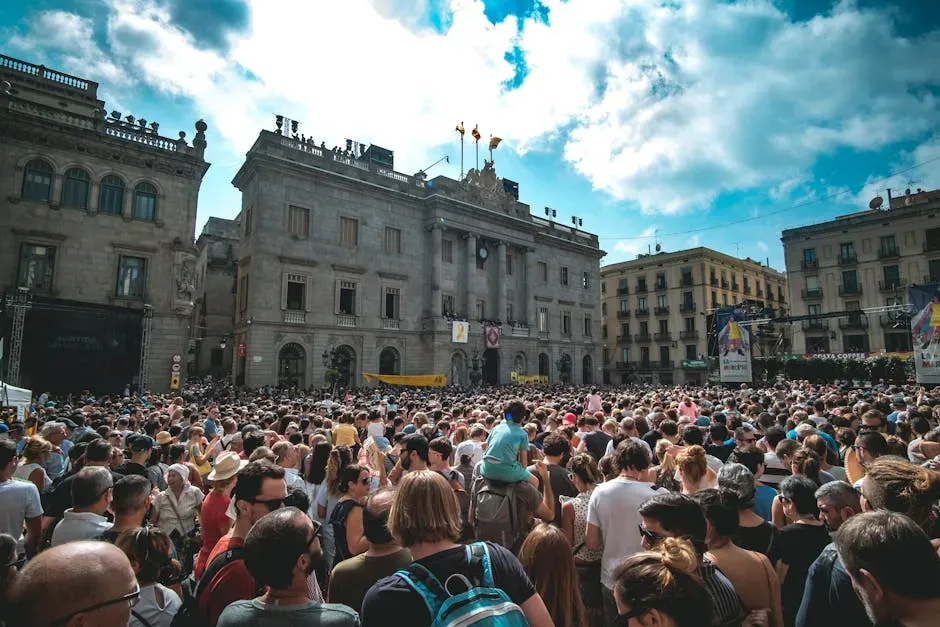
Las Ramblas was once a living, breathing artery of Barcelona life. Locals walked it, met each other on it, argued over coffee along it. That version of the street is basically gone. Las Ramblas epitomizes why many consider parts of Barcelona overrated. Once the cultural heart of the city, today it’s a 1.2km tourist conveyor belt lined with overpriced cafes, tacky souvenir shops, and street performers charging for photos.
Many Barcelona residents avoid Las Ramblas entirely, considering it a poor representation of their city. Barcelona’s reputation for pickpocketing is unfortunately well-earned. The city consistently ranks among Europe’s worst for petty theft, with over 300 daily incidents reported during peak tourist season. That’s not a minor inconvenience. That’s a reason to keep your hand on your wallet every single second.
Barcelona, Spain suffers from severe overtourism, which resulted in 3,000 residents protesting on July 6, 2024. Residents demanded reduced tourist numbers and for the government to prioritise fairer economies. According to a study by VisitMob, 60% of Barcelona’s residents feel the city cannot handle any more tourists. When well over half of a city’s own population says it’s full, it might be time to listen.
By 2024, visitor numbers had skyrocketed to 15.6 million – all in a city with a population of just 1.7 million. These days Las Ramblas is avoided like the plague by locals and is mostly used by tourists as a promenade of overpriced Sangria and Paella. A street so synonymous with Barcelona that even Barcelonans refuse to step on it – that’s a remarkable achievement in the wrong direction.
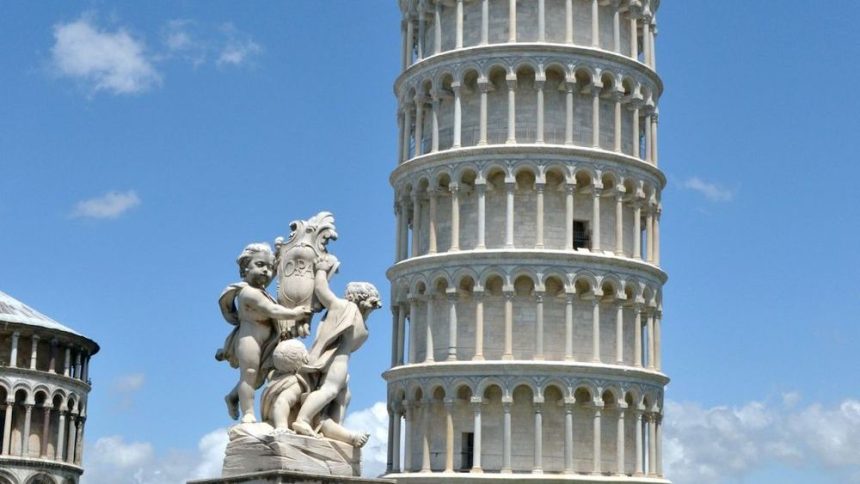
4. Leaning Tower of Pisa, Italy – The World’s Most Expensive Photo Opportunity
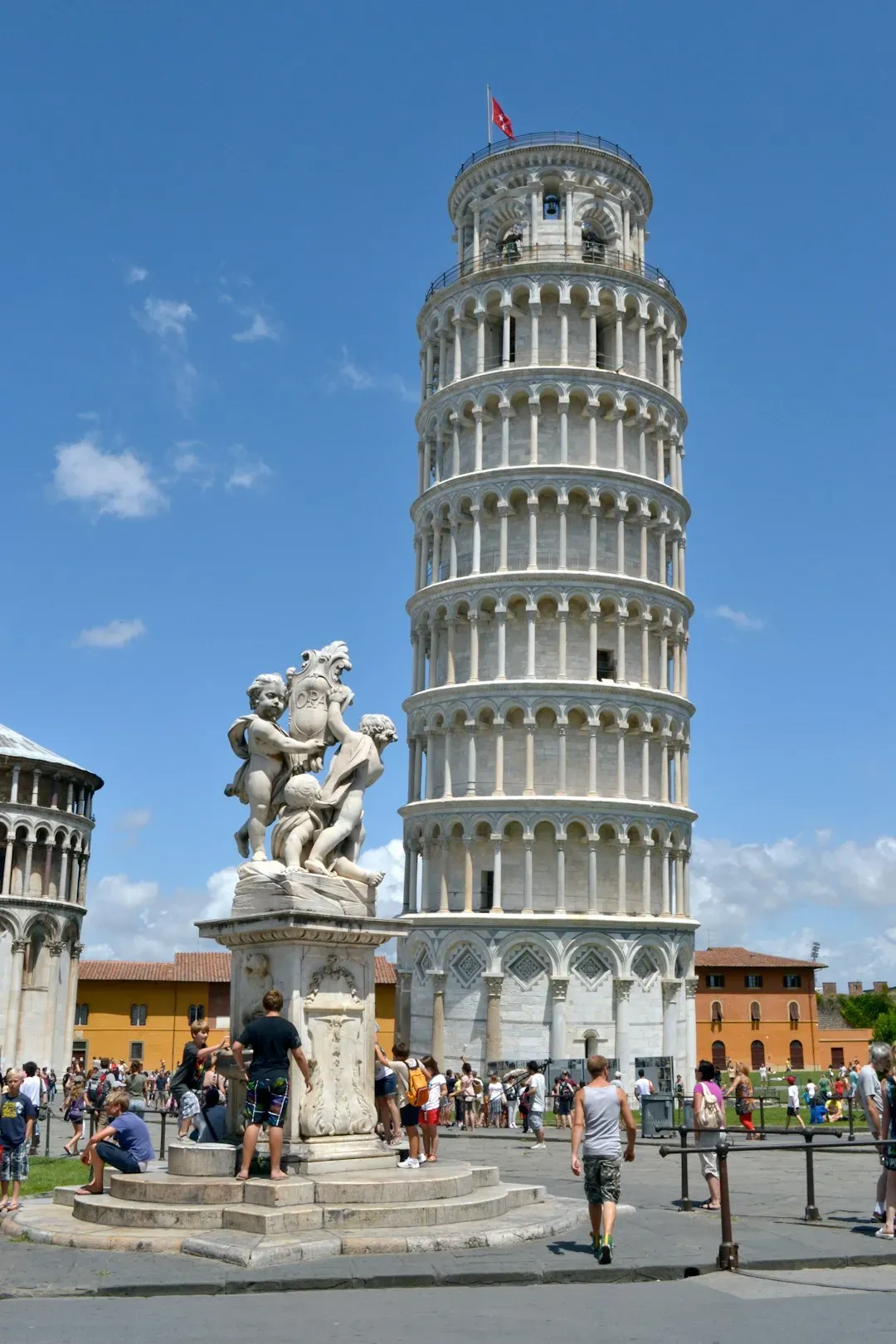
I’ll be straight with you: the Leaning Tower of Pisa is genuinely extraordinary from an architectural and historical standpoint. The Leaning Tower of Pisa is the campanile, or freestanding bell tower, of Pisa Cathedral, known for its nearly four-degree lean – the result of an unstable foundation. The problem isn’t the tower itself. The problem is everything that happens around it.
The flawed tower has become one of the most visited tourist attractions in the world, receiving over 5 million visitors each year. Most of them, it’s worth noting, come for a single photo and leave within the hour. On the day when you finally get to visit the UNESCO World Heritage location, you’ll find to your dismay that the scene never looks as beautiful as expected. What you find instead is an overcrowded free-for-all, where coachloads of tourists jostle to one up each other for the best vantage points.
Tourists pose for photos at the Leaning Tower of Pisa, as Italy is expecting almost 19 million international airport arrivals this summer. The surge isn’t slowing down. As of 2025, a standard ticket to climb the tower costs around €20–€25, and tickets should be purchased in advance online to guarantee entry. You pay a premium to stand in a crowd of strangers, contort your arms awkwardly for a photo, and then wonder if it was worth the detour from Florence.
Italian residents in Pisa are largely disconnected from the tourist frenzy at the Piazza del Duomo. The city has its own university, its own rhythm, its own excellent restaurants that visitors racing to the tower never find. It’s a situation worth reflecting on: a whole living city, ignored in favour of one tilting building and a slightly embarrassing pose.
5. Fisherman’s Wharf, San Francisco – The Disneyland of Piers
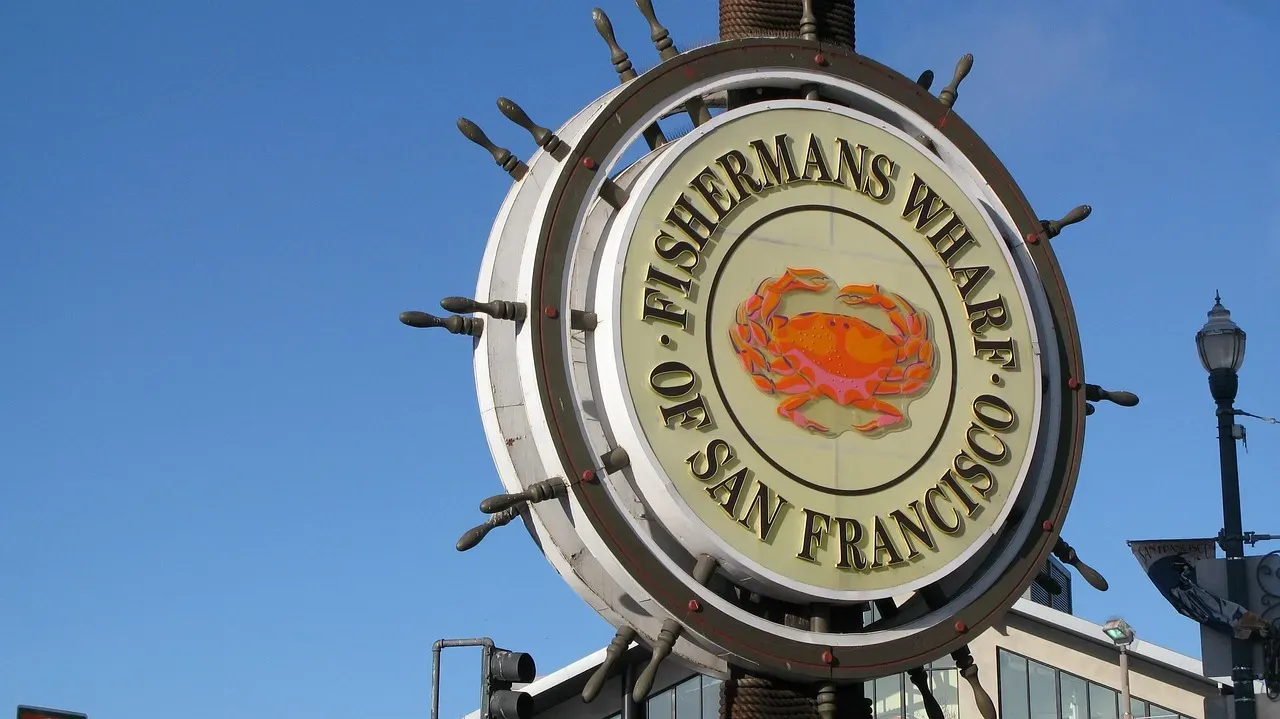
Ask any San Francisco local where they’d take a visitor, and Fisherman’s Wharf will not make the top five. It might not make the top ten. Consistently named one of the city’s worst tourist traps, Fisherman’s Wharf is a place most locals will tell you to avoid. Situated along Pier 39, the bayside destination comprises a long row of tacky souvenir shops and overpriced seafood eateries.
San Francisco’s modern Fisherman’s Wharf can be a ‘like it, or not so much’ experience. Unless they have out-of-town guests, locals mostly avoid the area. Yet, it’s on the ‘must-see’ lists of around 15–20 million tourists a year. That’s the paradox in a nutshell. The people who know the city best have written the place off, while millions of first-time visitors queue up to experience it.
Over the years, there have been complaints that Fisherman’s Wharf has become too commercialized. The original feel of the wharf has disappeared and been replaced with trinket shops at every turn. Worse still, the attractions that were supposed to draw visitors to Fisherman’s Wharf are viewed as more of a tourist trap than an experience to remember.
According to 2024 foot traffic data from the Fisherman’s Wharf Community Business District, just 75 percent of 2019’s visitors have returned. The Wharf area is so dominated by tourists and so little-used by local residents that it is not a good place to spend time to experience the history or culture of the city. San Francisco is a city of extraordinary neighborhoods, incredible food, and genuine character. Fisherman’s Wharf, at this point, offers little of that.
The Bigger Picture: A Global Overtourism Crisis
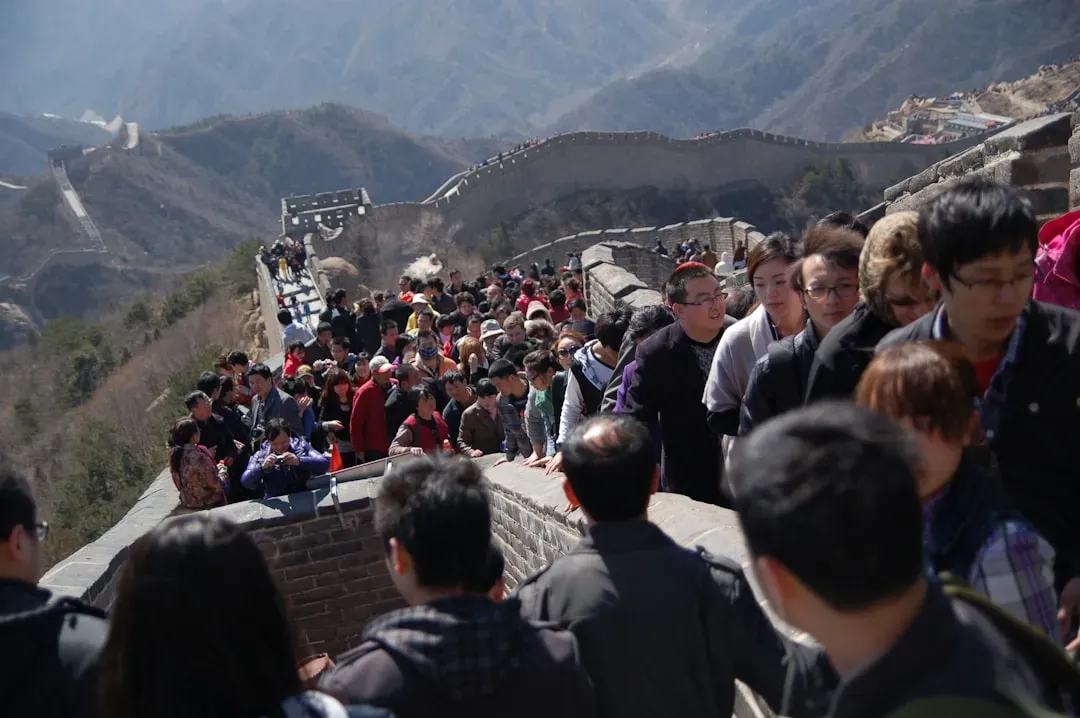
These five destinations aren’t isolated case studies. They’re symptoms of a much larger pattern. Overtourism is congestion or overcrowding from an excess of tourists, resulting in conflicts with locals. The World Tourism Organization defines overtourism as “the impact of tourism on a destination, or parts thereof, that excessively influences perceived quality of life of citizens.” That definition captures something real – the moment a place stops being a city and starts being a performance of a city.
Throughout 2025, a second wave of protests is growing in Southern Europe, including Portugal. In December 2025, the Spanish government fined Airbnb $75 million for advertising unlicensed rentals to tourists. Cities are genuinely fighting back. The ‘Floating City’ Venice doubled its tourist tax to €10 for last-minute day-trippers and expanded fee days from 29 in 2024 to 54 in 2025. These are not symbolic gestures. These are the actions of communities under real pressure.
The irony, honestly, is hard to ignore. The more famous a place becomes, the less it resembles the thing that made it famous. Locals retreat. Authentic businesses close. Souvenir shops multiply. The World Tourism Organization found that a perception of overcrowding can prompt local residents to protest against tourism. The excessive growth of visitors can lead to negative effects for local residents, especially during temporary or seasonal tourism peaks.
There’s a version of travel that seeks what’s real and what’s local. That version rarely leads you to the same seven blocks that every guidebook has recommended since 1998. The best experiences tend to live just around the corner from the tourist trap – quieter, cheaper, and somehow far more memorable. What’s your most overrated travel experience? Tell us in the comments.