
Most of us have said it at some point. “I’m just tired.” It is the single most common response to what might actually be something far more serious, something quietly dismantling your health, your relationships, and your ability to function. Here’s the thing: true fatigue goes away after a good night’s sleep. Burnout does not.
The numbers are, frankly, alarming. The workplace burnout crisis has reached unprecedented levels in 2025, with new research revealing that roughly four in five employees are at risk of burnout, marking a significant escalation from previous years. Yet millions of Americans continue to wave it off, convincing themselves they just need one more weekend, one more vacation, one more quiet Sunday to reset. They won’t. Not without understanding what they’re actually dealing with.
Let’s dive in.
1. Exhaustion That Sleep Simply Cannot Fix
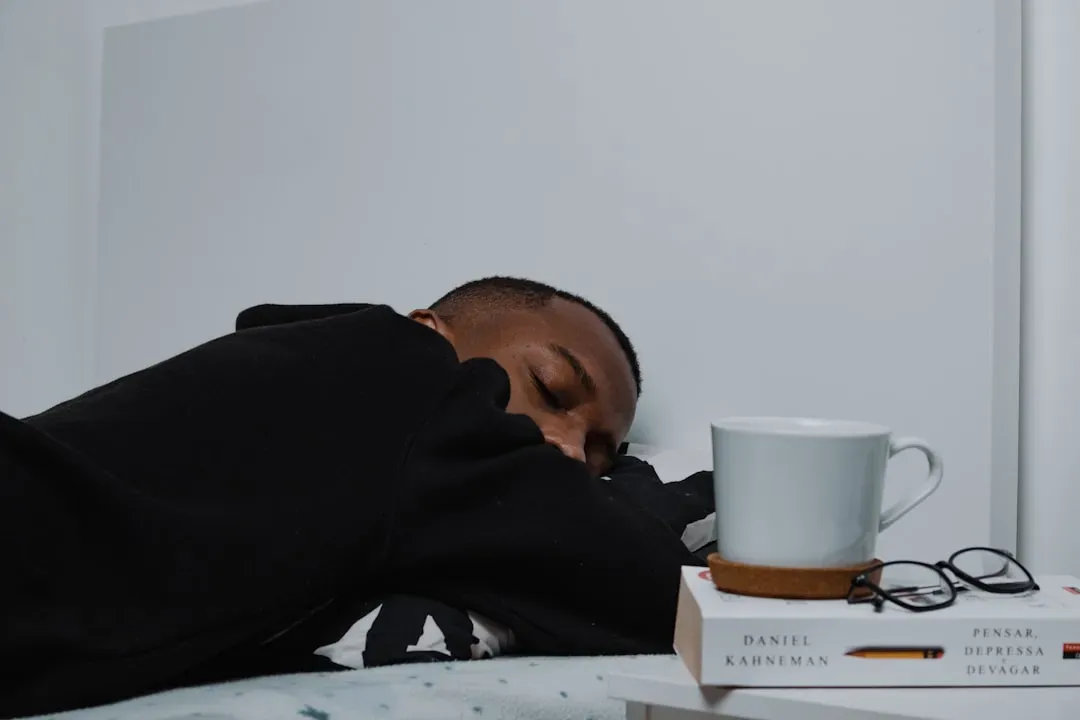
This is the big one, and it is also the most misunderstood. There is a profound difference between being tired after a hard day and feeling completely hollow every single morning, regardless of how many hours you spent in bed. Persistent burnout is associated with increased risk of sleep impairment and several medical disorders, including mild cognitive impairment, diabetes, and cardiovascular disease. That is not just being tired. That is your body sending a distress signal.
Exhaustion in burnout is typically correlated with symptoms such as headaches, chronic fatigue, gastrointestinal disorders, muscle tension, hypertension, cold and flu episodes, and sleep disturbances. Think of it like a phone battery that no longer charges to one hundred percent. You plug it in overnight, and by noon it is dead again. The charging mechanism itself is broken.
Physical burnout symptoms include feeling greatly fatigued and without energy, getting sick often, body aches, recurring headaches, loss of appetite, and insomnia. If any of that sounds suspiciously familiar, it might be time to stop calling it tiredness and start calling it what it is.
2. Creeping Cynicism Toward Work and the People Around You

I think this one is sneaky. It creeps in slowly, almost politely, before it completely takes over. One day you care deeply about your job, your colleagues, your goals. Then one morning you sit down at your desk and feel nothing. Worse than nothing, actually. You feel contempt. The World Health Organization officially recognized burnout as an occupational phenomenon characterized by three dimensions: exhaustion, cynicism, and inefficacy. Cynicism is not just a personality shift. It is a clinical marker.
Cynicism, manifesting as doubt in the purpose of the occupation or in the ethical values of an employer, and disengagement from some aspects of the work with reduced occupational efficacy, are likely secondary psychological mechanisms that help to preserve remaining energy resources and to cope with persistent unresolved work-related chronic stress. Put simply, your brain is trying to protect itself by caring less. It is a coping strategy that has gone badly wrong.
People who have burnout find their jobs increasingly stressful and frustrating. They may start being cynical about their working conditions or colleagues, and may increasingly distance themselves emotionally, showing less interest in their work. If you have started counting down the minutes until quitting time on a job you once loved, that is not laziness. That is a symptom.
3. A Sharp, Unexplained Drop in Your Productivity

Burnout does not make you dramatic. It makes you quietly, invisibly less effective. That is what makes it so dangerous. You still show up. You still sit at the desk, attend the meetings, send the emails. But something fundamental has changed. A total of roughly one third of workers express a decline in concentration due to burnout, with about another third indicating a loss of interest in their tasks, and about one in five report increased procrastination.
Research suggests that burnout can compromise cognitive function, resulting in decreased attention, impaired memory, and poor decision-making. Imagine trying to think clearly through thick fog. Every task takes longer, every decision feels monumental, and even simple things feel like climbing a mountain. That is not a “Monday feeling.” That is your cognitive system operating under extreme duress.
Reduced performance in burnout mainly affects everyday tasks at work, at home, or when caring for family members. People with burnout are very negative about their tasks, find it hard to concentrate, are listless, and lack creativity. The tragedy is that many people respond to this drop in output by pushing themselves harder, which only accelerates the spiral downward.
Partner offer
4. Sleep Disturbances That Look Like Insomnia

Here is something that surprises most people: burnout does not just make you feel tired. It also destroys your ability to sleep properly in the first place. That’s genuinely cruel when you think about it. You are exhausted all day, then you lie down at night and your mind races like a freight train. Persistent clinical burnout is associated with exaggerated somatic arousal including tension, irritability, sleep impairment, and above-normal blood levels of cortisol, along with impaired executive functioning with poor memory, concentration, and attention.
Research has linked burnout to many health problems, including hypertension, sleep disturbances, depression, and substance abuse, with chronic stress connected to multiple health issues like cardiovascular disease, depression, and anxiety. The relationship between burnout and poor sleep is not coincidental. Chronic stress keeps cortisol elevated at night, preventing the nervous system from truly switching off.
Burnout builds chronically and can lead to a wide range of mental and physical problems, including loss of concentration, poor memory, irritability, headaches, muscle discomfort or pain, fatigue, poor sleep, digestive issues, and weight gain. Many Americans treating themselves for “insomnia” with melatonin or sleep aids may actually be walking around with undiagnosed burnout at the root of it all. It’s hard to say for sure in every individual case, but the overlap is well documented and genuinely worth taking seriously.
5. Emotional Detachment That Feels Like Depression
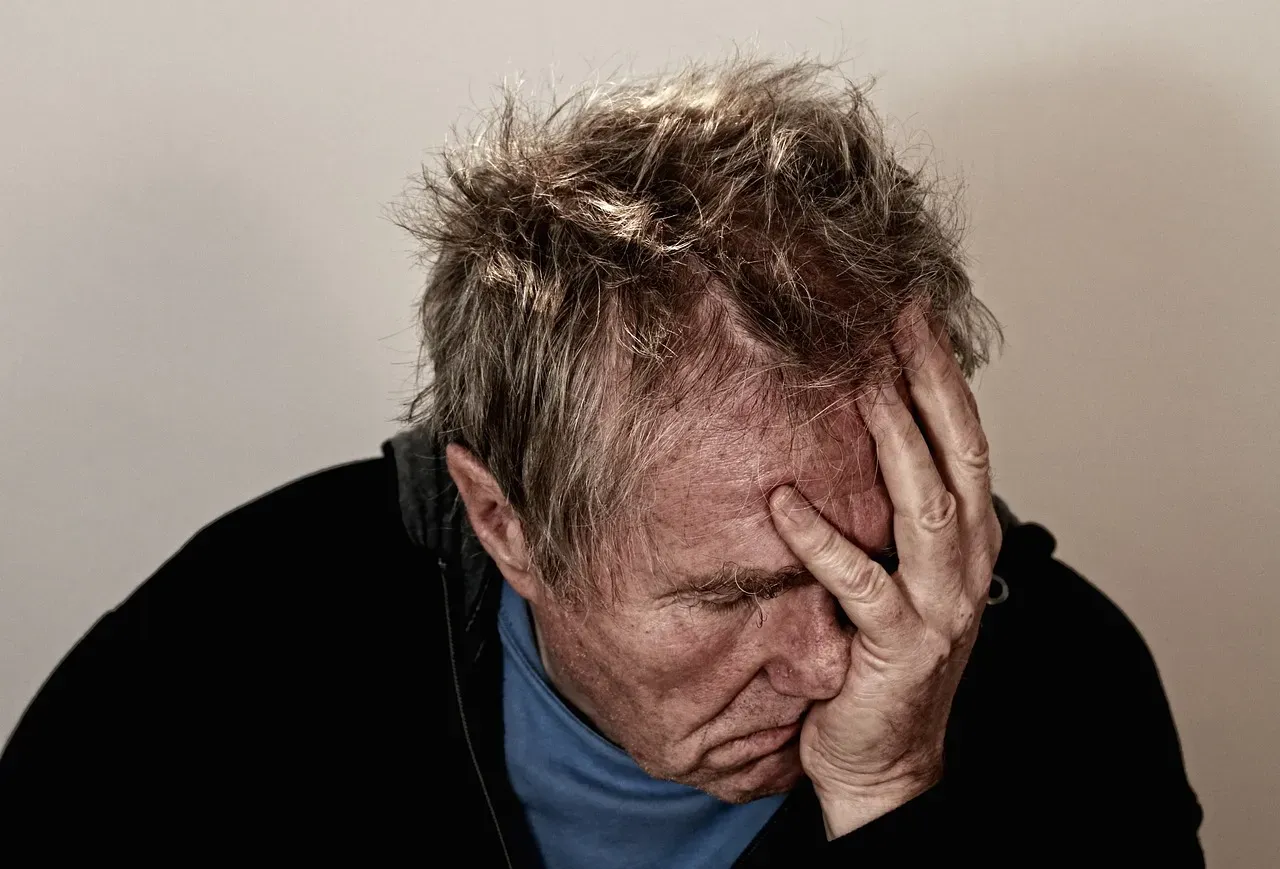
This is the symptom that most often sends people to a doctor, and also the one most likely to be misdiagnosed. Emotional detachment in burnout feels like depression because, in many ways, it shares the same neighborhood. You stop enjoying things you used to love. You feel numb. You withdraw from friends and family without fully understanding why. Prolonged burnout is linked to an array of health issues, including insomnia, cardiovascular disease, and weakened immune function, as well as mental health conditions such as anxiety, depression, and in some cases, trauma-related symptoms.
Burnout can look like depression, making it critical to get a professional diagnosis. A key difference is that burnout can often be eased with rest or time off, while depression, as a medical illness, needs to be treated with therapy or medication. Treating burnout as depression, or vice versa, can lead to years of misdirected treatment. That is a real and costly outcome for millions of people.
The effects of burnout extend to personal relationships, where it may lead to increased irritability, reduced empathy, and social withdrawal. These effects can be especially pronounced for individuals in caregiving roles or high-stress professions, who may face compassion fatigue or empathy burnout, leaving them unable to effectively support others. Notably, roughly four in five professionals acknowledge that burnout from their work can have a negative impact on their personal relationships. That is not tiredness. That is a crisis.
The Bigger Picture: Why This Matters Right Now

Let’s be real. America has a burnout problem that goes far beyond individual exhaustion. About three in four employees in the U.S. experience workplace burnout at least sometimes, and about one in four experience burnout either “very often” or “always,” according to Gallup. Those are not fringe statistics. That is the majority of the American workforce quietly suffering while calling it something else.
The generational divide in burnout experiences has widened dramatically, with Gen Z and millennial workers reporting peak burnout at just 25 years old, a full 17 years earlier than the average American who experiences peak burnout at 42. Younger workers are burning out before they have even hit their stride. That is a structural problem, not a personal failing.
The annual average cost of workplace stress to the U.S. economy is $300 billion. Behind that staggering number are real people, real families, and real health consequences that begin with five symptoms most people are dismissing as ordinary tiredness. The cost of staying silent is enormous, both personally and collectively.
Conclusion

Burnout is not weakness. It is not drama. It is a documented, measurable response to chronic unmanaged stress, and it wears the disguise of something completely ordinary. The five symptoms outlined here, crushing exhaustion, cynicism, plummeting productivity, disrupted sleep, and emotional detachment, are not character flaws or bad weeks. They are warning signs, and they deserve to be taken seriously.
The gap between recognizing burnout and dismissing it as “just being tired” is where the real damage is done. The longer that gap stays open, the deeper the consequences reach into your health, your work, and the people you love.
So here is the question worth sitting with: if you have been saying “I’m just tired” for months, is it possible you have been looking at something much bigger all along?
Partner offer
Planning a trip to Vegas?
Compare hotel rates and show tickets on VEGAS.com.