Somewhere beneath the cracked desert floor, carved out of rock and earth by skilled hands working in deliberate secrecy, lies a world most people never imagine exists. Hidden tunnel systems have quietly evolved from rough, improvised passages into full-blown underground logistics networks. They store contraband. They move stolen goods. They keep entire criminal supply chains running, completely out of sight.
What you are about to read is the story of how these underground vaults operate, why they are so hard to find, and what the latest law enforcement discoveries tell us about the modern criminal underground. Buckle up for this one.
What Is a ‘Desert Vault’ and Why Does It Matter?
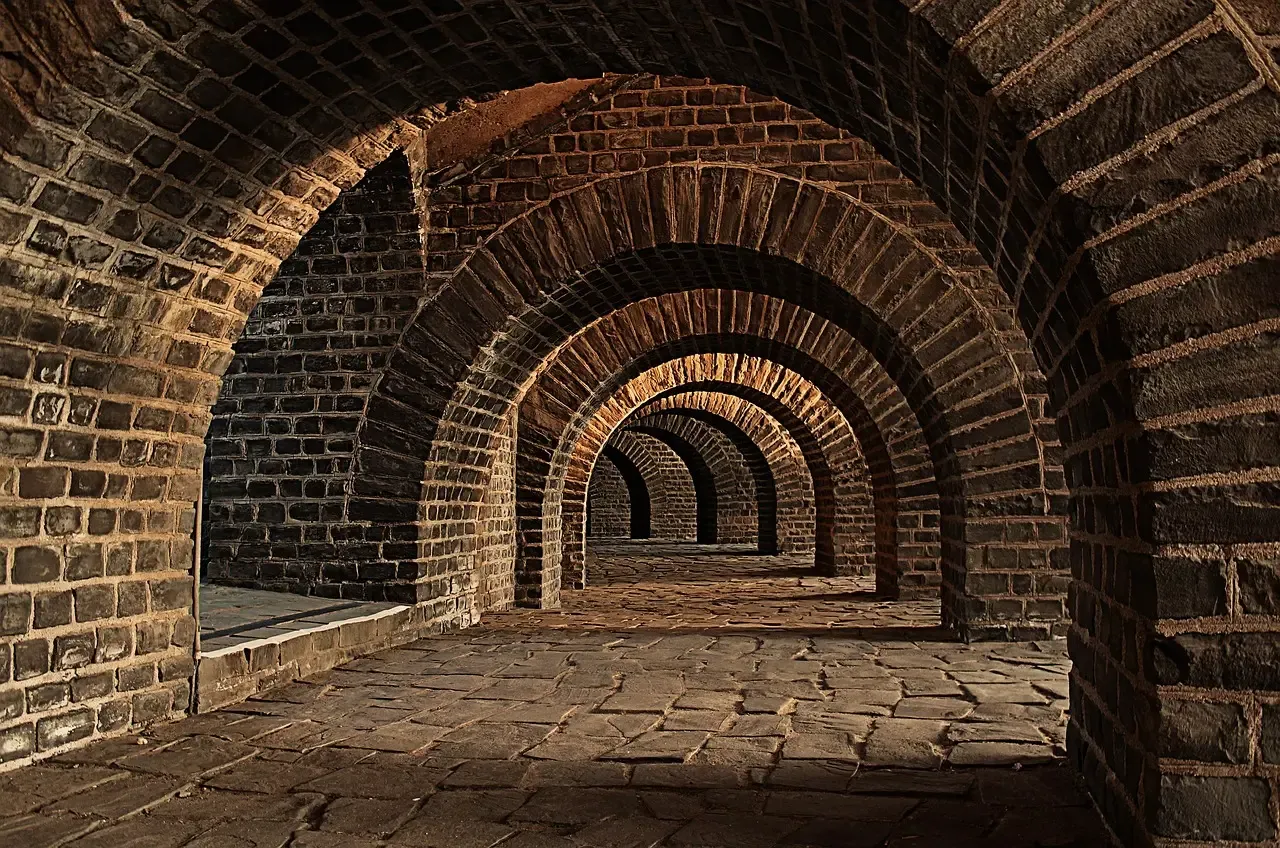
The term ‘Desert Vault’ captures something real and genuinely unsettling. It refers to hidden underground storage depots, often built in arid, remote terrain far from prying eyes, where organized criminal networks warehouse stolen and smuggled goods before distribution. Think of it less like a movie villain’s lair and more like a fully functional Amazon warehouse, except buried underground and stocked with stolen merchandise, narcotics, and contraband.
The strategic logic is straightforward. Remote desert landscapes offer two critical advantages: minimal foot traffic and terrain that makes aerial detection genuinely difficult. Security experts consistently note that underground smuggling systems are particularly hard to detect because they are frequently built in remote desert or rural areas, using the natural terrain to avoid both aerial and satellite surveillance.
These aren’t hastily dug holes. They are engineered spaces, deliberately constructed, with the sole purpose of keeping law enforcement out and stolen goods moving smoothly through criminal supply chains. The scale and sophistication of recent discoveries have caught even veteran investigators off guard.
The Engineering Behind the Underground
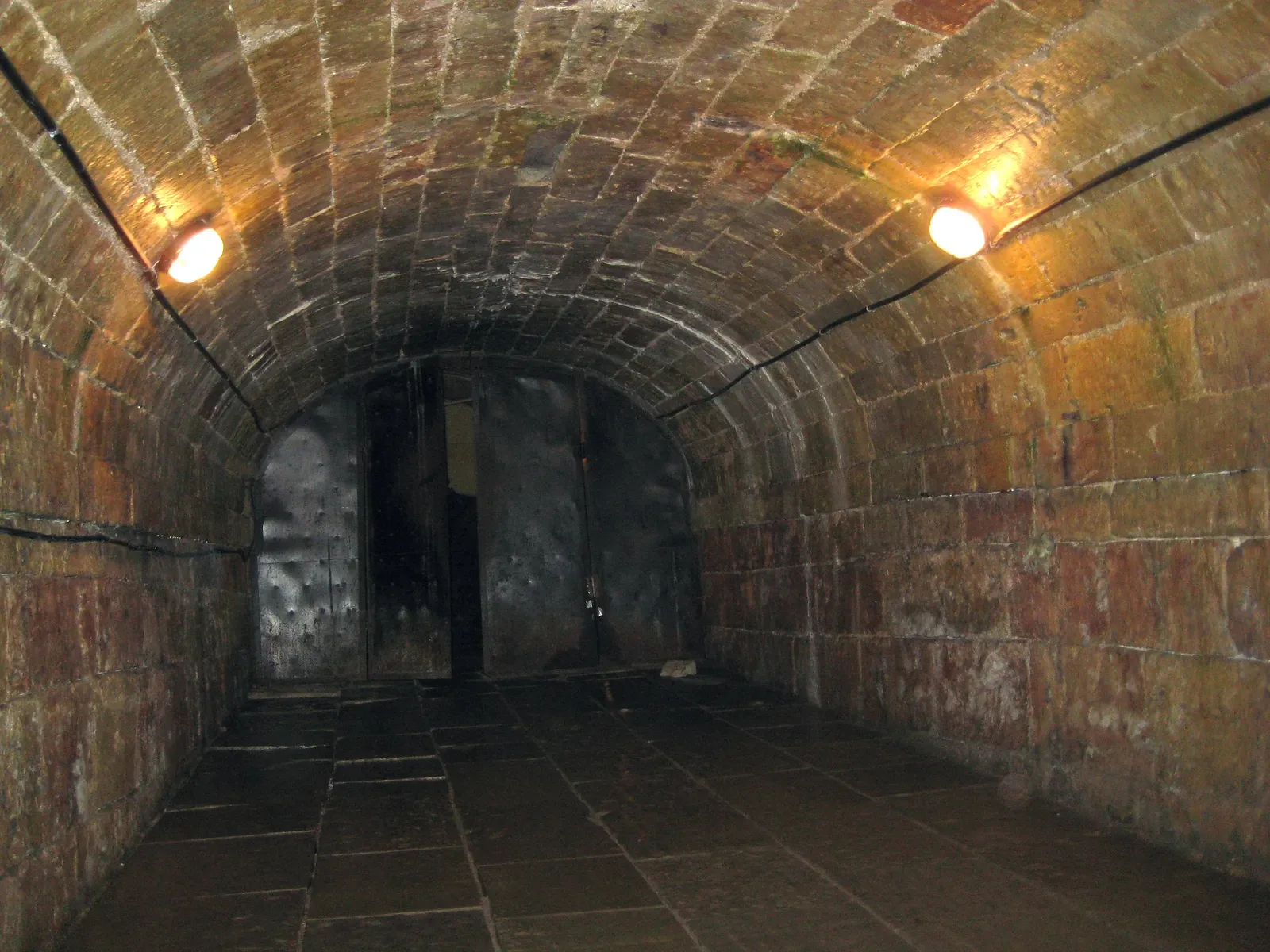
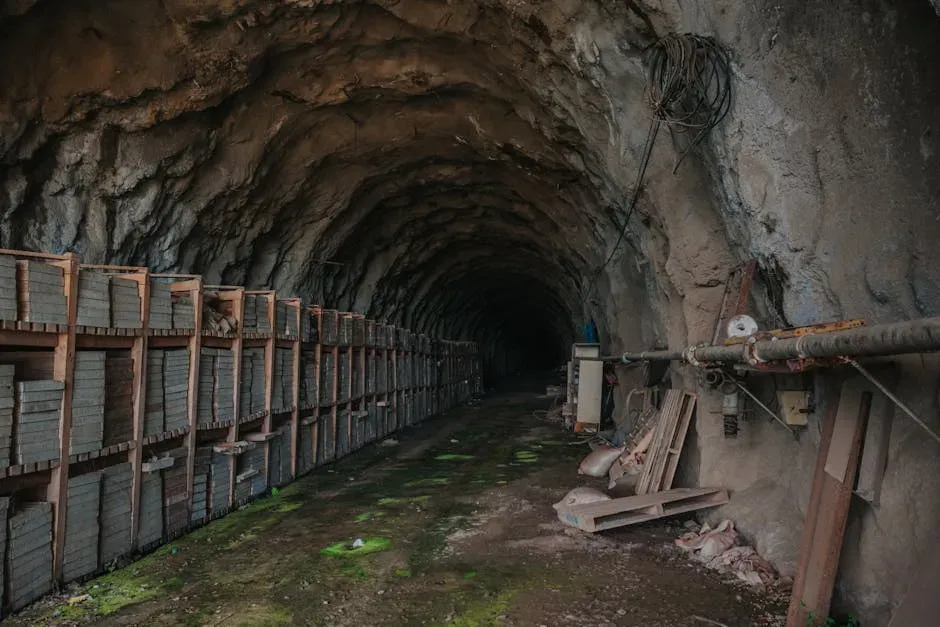
Here’s the thing that makes these discoveries so jaw-dropping. The tunnels discovered in recent years are not primitive. Investigation has revealed tunnels equipped with electrical wiring, lighting, ventilation systems, and track systems designed for transporting large quantities of contraband. These are purpose-built logistics corridors, not improvised tunnels dug with a shovel.
Preliminary examinations of sophisticated tunnels have revealed man-passable passageways measuring three feet wide and four feet high, equipped with fully developed ventilation systems, water lines, electrical wiring, rail systems, and extensive reinforcement and shoring. That level of engineering requires planning, funding, and real construction expertise. It is, honestly, impressive in a deeply troubling way.
Officials have noted that tunnel construction of this kind “must have taken a long time… it could have been one or two years.” That kind of sustained, covert construction under the noses of law enforcement is a reminder of just how organized these criminal networks have become.
Recent Discoveries That Changed Everything
U.S. Border Patrol agents uncovered and disabled a large-scale narcotics smuggling tunnel linking Tijuana to the San Diego area. The uncompleted tunnel extended more than 1,000 feet inside the U.S. and was highly sophisticated, discovered in early April while it was actively under construction. The fact that agents caught it mid-construction speaks to how relentlessly authorities have stepped up monitoring efforts.
Agents carefully mapped the tunnel, which measured 2,918 feet in total length. Inside, the tunnel dimensions measured 42 inches in height, 28 inches in width, and ran approximately 50 feet underground at its deepest point. Fifty feet underground. That is roughly the depth of a five-story building, just inverted beneath the desert floor.
More than 95 tunnels have been decommissioned in the San Diego area alone since 1993, which tells you everything about how persistent this underground infrastructure problem really is. Each decommissioned tunnel represents not just a physical passage, but a dismantled logistics hub for criminal enterprise.
How Tunnel Networks Function as Storage Depots
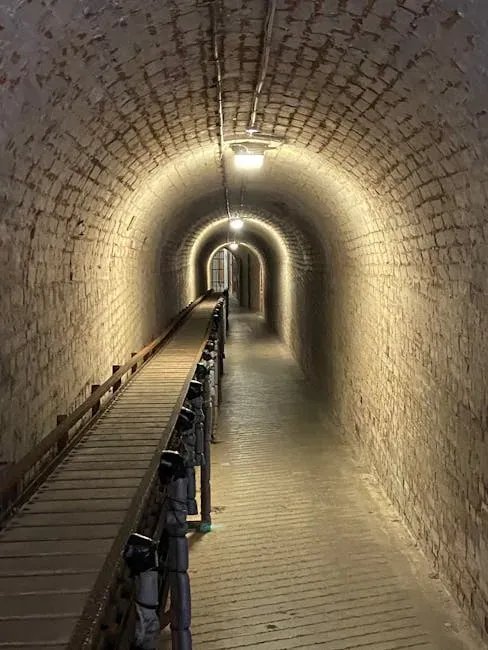
Most people imagine smuggling tunnels as simple point-A-to-point-B passages. The reality is far more complex. Criminal networks have adapted tunnels into multi-purpose facilities, combining transportation corridors with underground staging areas where goods are sorted, stored, and prepared for surface distribution. It is essentially a supply chain operating in the dark.
Investigators have confirmed that tunnels extend under the U.S.-Mexico border into existing storm drain infrastructure, and are equipped with electricity and ventilation systems, appearing to have been constructed within the past year. Using existing public infrastructure like storm drains as entry points is a chillingly clever way to reduce the detection footprint above ground.
Underground passageways have been found running under port-of-entry facilities, with projected exit points near or inside commercial warehouse spaces. Upon entering one such ‘highly sophisticated’ tunnel, authorities were met with barricades seemingly placed to prevent law enforcement from finding its entrance. The layered concealment measures reveal how seriously these organizations protect their underground real estate.
The Scale of Global Criminal Networks Driving These Operations

Let’s be real about the financial engine powering all of this. With a turnover estimated at around $870 billion a year, organized criminal networks profit from the sale of illegal goods wherever there is demand. These immense illicit funds are worth more than six times the amount of official development assistance, and are comparable to roughly one and a half percent of global GDP. That is not a niche criminal problem. That is a parallel global economy.
Transnational organized crime encompasses virtually all serious profit-motivated criminal actions of an international nature where more than one country is involved, including drug trafficking, smuggling of migrants, human trafficking, money-laundering, trafficking in firearms, counterfeit goods, and wildlife. Underground storage depots sit right in the middle of this web, serving as physical nodes in networks that span entire continents.
Interpol has documented how different forms of crime, particularly the illicit arms trade, drug trafficking, and serious organized crime, have created symbiotic, interdependent criminal networks. This trend has continued, but with increased levels of innovation, sophistication, and complexity. The Desert Vault is not an isolated phenomenon. It is a symptom of a deeply integrated global system.
Detection and the Cat-and-Mouse Game With Law Enforcement
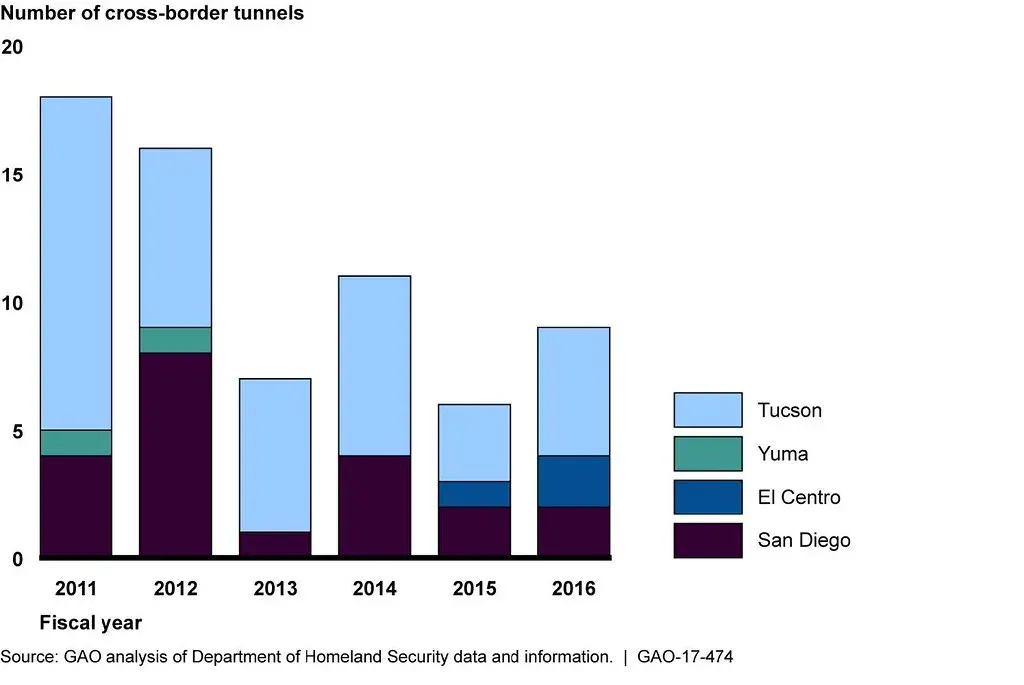
As one ICE official put it, criminal groups are showing “growing desperation in the face of heightened border security,” frustrating themselves by literally going underground, but authorities are “thwarting them there as well.” That framing captures the dynamic perfectly. Every improvement in above-ground detection pushes criminal networks deeper beneath the surface.
Border authorities continue their efforts to detect and neutralize these underground passages, with drone technology proving instrumental in identifying suspicious activities and potential tunnel construction sites. Thermal imaging, ground-penetrating radar, and seismic sensors are all now part of the toolkit. The technology arms race between law enforcement and tunnel builders is accelerating fast.
Border patrol agents have been able to trace tunnel origin points to specific residences, in some cases using collaboration with Mexican law enforcement to map the full extent of underground passages. Binational intelligence sharing is increasingly what makes these operations work. No single agency can do it alone.
The Human and Criminal Cost of Hidden Infrastructure
Sophisticated cross-border tunnels have been confirmed as used for both human trafficking and drug smuggling in and out of the U.S., meaning these underground networks are not limited to stolen goods. They are multipurpose criminal platforms where human lives are treated as just another form of cargo to be moved efficiently and without detection.
The impact of these smuggling operations is reflected in alarming statistics, with drug-related deaths claiming over 107,000 American lives in 2022. Fentanyl alone was responsible for approximately 70 percent of these fatalities. Every tunnel that feeds narcotics into distribution networks carries a direct, measurable body count attached to it. That is the true cost of the Desert Vault.
Transnational organized crime threatens peace and human security, leads to human rights violations, and undermines the economic, social, cultural, political, and civil development of societies around the world. It is hard to overstate just how much damage flows from a single tunnel system operating undetected for even one year.
What the Future of Underground Crime Looks Like
Interpol confirms that criminal networks have continued evolving with increased levels of innovation, sophistication, and complexity. What began as rough-hewn passages has grown into engineered underground facilities that mirror the logistical sophistication of legitimate commercial warehousing. That trajectory is not slowing down.
Transnational organized crime groups are constantly evolving, exploiting new technologies and opportunities. The implication for law enforcement is sobering. Staying ahead of criminal tunnel infrastructure requires continuous investment in detection technology, international cooperation, and intelligence sharing at a scale that governments have historically struggled to maintain.
Numerous law enforcement agencies and officials from the U.S. and Mexican governments are collaborating to determine tunnel origins and the people responsible for constructing them. FBI officials have emphasized that such discoveries underscore the vital importance of coordination and collaboration among law enforcement agencies. The message is clear: no wall above ground, no matter how tall, fully addresses what is happening far below it.
Conclusion: The Ground Beneath Our Feet

The Desert Vault is a striking metaphor for something genuinely alarming. Criminal organizations are not just operating in plain sight or in the shadows of society. They are operating literally beneath it, in engineered underground spaces that rival the complexity of legitimate infrastructure. The recent wave of discoveries across the U.S.-Mexico border and beyond is both encouraging, as it reflects improved detection capabilities, and sobering, as it reveals just how much investment criminal networks are willing to make.
Every tunnel uncovered is a victory. Every one that remains hidden is a reminder of the scale of the challenge. The next Desert Vault could be anywhere, and the people building it are watching every move law enforcement makes to stay one step ahead.
The real question worth sitting with is this: if criminal networks can build engineering marvels beneath our feet and run them for a year or two before detection, what does that say about how we think about border security, international crime, and the limits of the surveillance state? What do you think about it? Share your thoughts in the comments below.