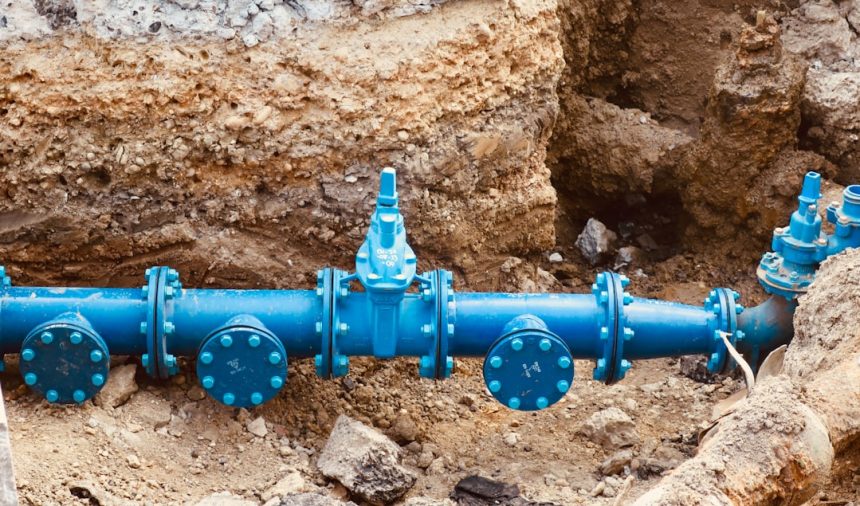

Unpacking the Controversial Pipeline Plan (Image Credits: Unsplash)
Eastern Nevada – Conservation groups, rural counties, and ranchers launched a legal challenge this week against a U.S. Bureau of Land Management decision greenlighting a pipeline to export groundwater from Utah’s remote valleys. The Pine Valley Water Supply Project aims to bolster supplies for the growing city of Cedar City but raises alarms over potential depletion of shared aquifers that sustain Nevada’s Great Basin National Park and surrounding farmlands. Critics argue the move echoes a long-fought and ultimately abandoned effort to pipe rural Nevada water to Las Vegas, signaling renewed tensions in the arid West’s water wars.[1][2]
Unpacking the Controversial Pipeline Plan
The Central Iron County Water Conservancy District proposed the Pine Valley Water Supply Project to address a local water shortfall in Cedar City, where annual usage reaches 28,000 acre-feet against a sustainable yield of about 21,000 acre-feet from the Cedar Valley aquifer.[1] Agriculture consumes roughly 75 percent of that supply. The initiative calls for tapping 15,000 acre-feet yearly from Pine Valley and 11,000 acre-feet from Wah Wah Valley through new wells and a pipeline network.[3]
Proponents view it as a prudent diversification following a 2019 legal settlement and federal environmental review. One acre-foot sustains two typical households for a year, underscoring the scale needed for Cedar City’s expansion, which includes data centers, warehouses, and residential growth. The BLM issued its Record of Decision on March 2, 2026, after releasing an 800-page final environmental impact statement just days earlier.[4]
A Formidable Coalition Steps Up
The appeal, lodged with the Interior Board of Land Appeals, unites Nevada’s White Pine County, Central Nevada Regional Water Authority, and N-4 State Grazing Board alongside Utah’s Beaver, Millard, and Juab counties, the city of Milford, farmers, ranchers, and residents.[3] Separate filings came from the Center for Biological Diversity and the Indian Peaks Band of the Paiute Tribe of Utah. Great Basin Water Network executive director Kyle Roerink framed the effort as a stand for reason over unchecked development.[1]
Wah Wah Ranch owner Mark Wintch voiced personal stakes, stating, “I will not sit idly by so Iron County can take my water for data centers, warehouses, sprawl and power plants in Cedar City.” Beaver County Commissioner Tammy Pearson warned of lost opportunities for future generations to farm, ranch, and recreate in the West Desert. The group seeks a stay on the BLM decision, with the board holding 45 days to respond.[4]
Key Concerns Fueling the Appeal
Opponents charge the BLM violated federal law by overlooking harms to property, senior water rights, public lands, and ecosystems. They highlight flawed hydrologic models that downplay drawdowns potentially reaching hundreds of feet across interconnected basins like Snake Valley and the Sevier Desert.[3] Springs, wetlands, and wildlife habitats near Great Basin National Park face risks, alongside threats to ranching livelihoods.
- Severe aquifer depletion in shared groundwater systems spanning Nevada and Utah.
- Rushed public review – less than a weekend for the massive FEIS after a three-year pause.
- Improper segmentation, ignoring the full West Desert Project scope.
- Unnecessary export when Cedar City could buy local senior rights instead.
- Broader economic fallout for rural communities dependent on stable water flows.
Megan Ortiz of the Center for Biological Diversity emphasized, “The BLM broke numerous environmental laws in its rush to ram this project through.”[2]
Lessons from a Familiar Fight
This dispute revives memories of the Southern Nevada Water Authority’s 30-year quest to pump 28 billion gallons annually from eastern Nevada basins over 300 miles to Las Vegas. That plan crumbled in 2020 after relentless opposition from environmentalists, tribes, ranchers, and courts, which ruled it harmed water users and public interests.[5] Federal judges rejected BLM analyses for ignoring wetland losses and habitat damage.
Today’s coalition draws direct parallels, positioning the Utah project as another risky overreach prioritizing urban growth over desert sustainability. Rural voices prevailed then through litigation and advocacy; they aim to replicate that success now.[1]
Stakes for the Arid West
The appeal tests balances between growth demands in booming areas like Cedar City and protections for fragile desert aquifers. Success could halt construction and force reevaluation; denial might accelerate drilling amid ongoing drought pressures. Regional water managers watch closely, as interconnected basins defy state lines.
Key Takeaways
- The pipeline targets 26,000 acre-feet yearly from remote Utah valleys to offset Cedar City’s overpumping.
- Impacts span Nevada’s national park and Utah ranches, with calls for better modeling and process.
- IBLA must rule on a stay within 45 days, prolonging a multi-state dispute.
As Western water scarcity intensifies, this case underscores the high costs of export schemes. What steps should leaders take to safeguard shared resources? Share your thoughts in the comments.