
Most guests who check into a Las Vegas resort think about the buffet, the casino floor, the pool. Very few think about the hundreds of people who handle their luggage, deal their cards, or clean their room. Yet behind every polished front desk and every perfectly pressed uniform is a screening process that most visitors never see and rarely consider. It turns out, what happens before a hotel employee ever says “welcome” is every bit as fascinating as what happens on the Strip itself. Let’s dive in.
Nevada Sets the Gold Standard for Employee Vetting

Nevada’s casino industry operates under the most stringent background check requirements in the United States, establishing the gold standard for gaming regulation worldwide. That is not marketing language. That is the lived reality for anyone hoping to work in a Las Vegas hotel or casino. The rules are thorough, and they are non-negotiable.
The Nevada Gaming Commission and Gaming Control Board operate what’s widely regarded as the most thorough vetting process in the United States. While many states have modeled their frameworks after Nevada’s template, none match its investigative depth or the reputational weight a Nevada license carries. Think of it like airport security, but for workers rather than passengers.
This regulatory framework ensures the integrity of Nevada’s $12.8 billion gaming industry while protecting both operators and patrons. Every single layer of employee screening ultimately comes back to that mission: protecting you, the guest.
The Work Card: Your Employee’s First Hurdle

Nevada has declared casino employees must obtain a Work Card to be eligible for employment as a gaming employee, with strict background checks required to achieve that certification. It sounds simple, but it is anything but. Getting that card involves layers of bureaucracy designed to catch problems before they ever walk through the employee entrance.
Under Nevada law, casino employees, including dealers, count-room personnel, cashiers, and certain accounting and internal audit staff are required to register with the Gaming Control Board before working for a Nevada gaming licensee. Honestly, the scope of who needs a Work Card surprises most people. It is not just the dealers and security guards. It sweeps across entire departments.
The Nevada Gaming Control Board no longer issues physical work cards. Instead, they add employee information to an online database that employers can search. The system has modernized, but the scrutiny behind it has only intensified over time.
Fingerprinting: Every Worker Leaves a Mark

Gaming is one of Nevada’s most dominant, thriving industries, and many different job duties in gaming require fingerprints. Fingerprinting applies to everyone from Cage Cashiers to Bartenders and Nightclub Staff, Security, Dealers, Slot Floor Persons, Surveillance and Casino Executives, as all of these positions play a vital role in security and operations of these resorts and casinos. That is a staggeringly wide net, and it is cast deliberately.
The Board shall immediately conduct an investigation of each person who files an application for registration or renewal of registration as a gaming employee. In conducting the investigation, a complete set of the applicant’s fingerprints must be submitted to the Central Repository for Nevada Records of Criminal History. This is not a checkbox exercise. These prints go through federal and state criminal databases.
Fingerprints are scanned for criminal history, and there are certain crimes that would disqualify an applicant from obtaining a job in gaming. Gaming employees need to complete fingerprint renewals every five years to stay current and avoid a lapse in employment. So once you are hired, the clock on your next check is already ticking.
The Deep Dive: What a Background Investigation Actually Covers

The Gaming Control Board conducts what amounts to an FBI-level investigation: tax returns dating back 10 years, complete financial statements, banking relationships, credit history, civil and criminal records, business associations, and character references. Let that sink in for a moment. Ten years of tax returns. For a hotel employee. That is not something most industries come close to demanding.
The comprehensive investigation includes criminal history, employment verification, financial background, and social media review. Social media review is a relatively newer addition, and it reflects how thoroughly modern vetting has evolved. A troubling online post from years ago can derail an application just as surely as a criminal record.
Trained investigators routinely obtain records from the family records court, district court, circuit court, and Las Vegas justice courts in order to create a comprehensive screening report. Investigators also check every applicant’s address history to see if they lived outside of Nevada, and check in those locations too to uncover records that will not show up in Nevada. In other words, moving to Las Vegas to escape a past does not work here.
Key Personnel Face an Even Tougher Test

Key employees, including general managers, shift managers, pit bosses, and cage managers, require separate licensing. The budget per person for licensing fees alone is typically between $500 and $1,500. The Gaming Control Board defines “key employee” broadly, and anyone with significant operational authority needs licensing. This is a whole different tier of scrutiny above the standard Work Card process.
Each key person files a Personal History Record, Nevada’s 27-page disclosure form that covers financial history, criminal record, civil litigation, and business associations going back 10 years. The form alone takes 20 to 40 hours to complete properly. That is a part-time job just to apply for a job. Here’s the thing, that level of effort is intentional. It filters out anyone who cannot or will not be fully transparent.
Background checks include FBI fingerprinting, credit reports, tax return verification, and interviews with former business associates. Nevada has denied licenses over undisclosed minor criminal charges from decades ago. Full transparency is not just expected, it is the only acceptable approach.
The Employer Is Responsible Too
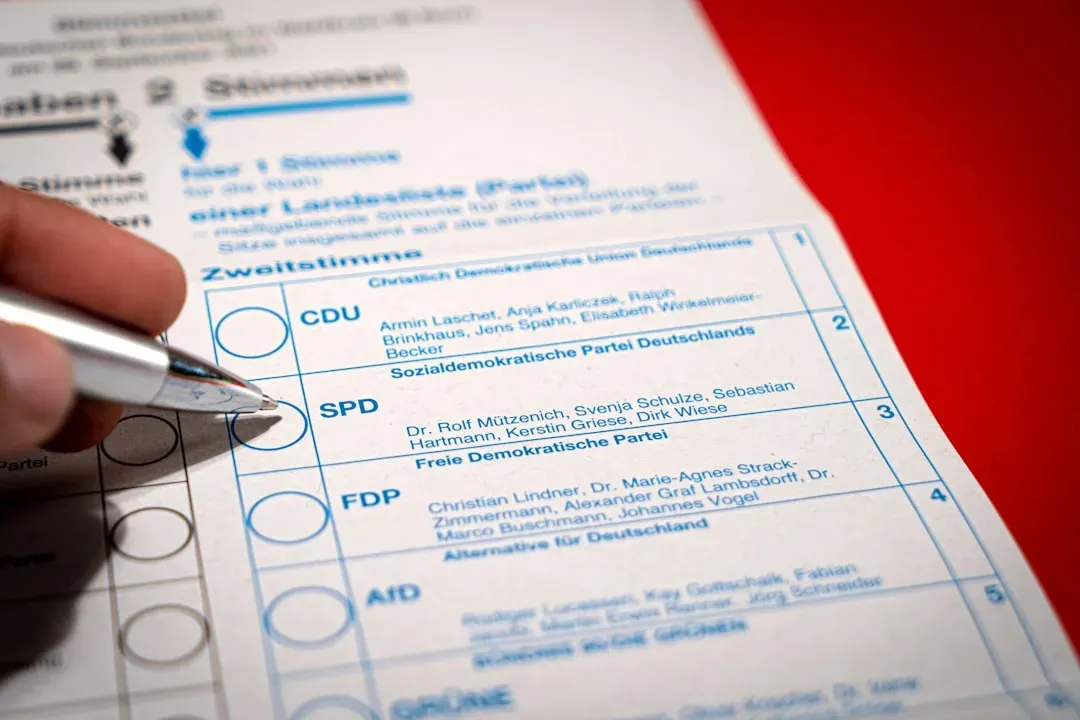
Unlike many other states, Nevada requires that background check applications be submitted through the prospective employer rather than directly by the applicant. This unique approach ensures that only candidates with legitimate job offers enter the screening process. The employer serves as the primary liaison throughout the registration process. This is a clever design. It means hotels and casinos have skin in the game for every single person they try to bring on board.
This system reduces unnecessary applications from individuals without actual employment opportunities, helps maintain organized records, and ensures that employers are invested in their candidates’ success. Think of it like a co-sign on a loan. If the hotel vouches for you and you later cause problems, the property bears some of the scrutiny.
The comprehensive process takes 30 to 120 days, allows temporary work during review, and requires renewal every five years with ongoing compliance monitoring. A worker can start under temporary registration, but if the review turns up something problematic, employment can be terminated immediately.
Surveillance Technology Watches Employees, Not Just Guests
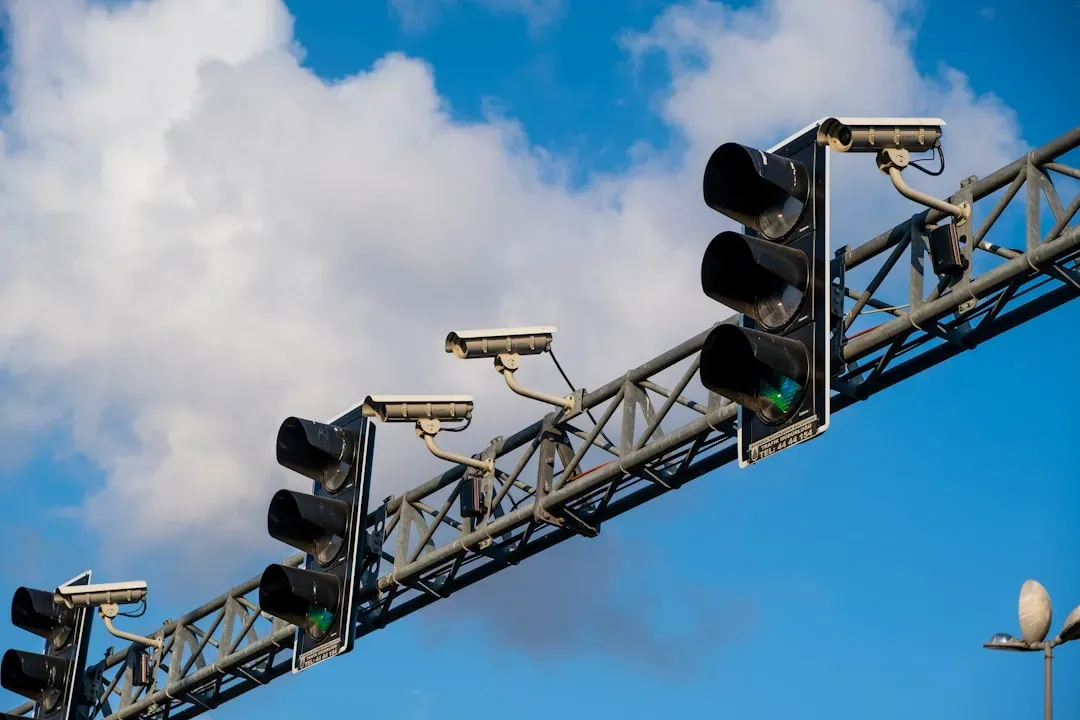
The multi-layered physical security strategy at major Las Vegas properties includes a Security Intelligence Center acting as a hybrid fusion center, a global security operations center, a Security Dispatch Center monitoring for threats on property, a Gaming Surveillance team ensuring safety and integrity of the casino floor, an Investigations department pursuing incidents, and K9 units that deter and detect explosives. Most guests assume those cameras are pointed at cheaters. They are also pointed at staff.
Security teams use video surveillance, license plate recognition, and facial recognition technology to secure properties from new and returning threats. Employee zones, cash-handling areas, and back-of-house corridors receive particular attention. I think it is fair to say most employees are aware they are never truly off camera anywhere on the property.
Modern casinos invest in high-definition CCTV cameras with advanced features such as facial recognition, motion detection, and real-time analytics. Cameras are placed at strategic locations including gaming floors, entrances, exits, cash handling areas, and back-of-house operations. Integrating these systems with AI can help identify suspicious behavior and potential threats before they escalate.
Access Control: Not Every Employee Goes Everywhere

Restricting access to sensitive areas is essential. Casinos deploy advanced access control systems, such as biometric scanners and keycard entry, to limit entry to authorized personnel only. Monitoring and logging all access attempts helps in tracking and preventing unauthorized access. This is one of the most quietly effective safety tools in the entire system. A housekeeper should never be able to walk into a cash cage. A front desk associate has no business in the surveillance room.
Smart keys and biometric systems limit unauthorized entry to guest rooms or sensitive areas. For guests, this is especially relevant. The employee who delivers your room service cannot access another floor without authorization, even if they wanted to. The system is designed to compartmentalize access in ways most visitors never notice.
Think of it like a hospital, where a nurse can access patient wards but not the pharmacy without specific clearance. Las Vegas hotels operate with similar structured access hierarchies, and every movement through restricted zones is logged.
The Scale of It All: Tens of Thousands of Registered Workers

The gaming industry in Nevada currently employs over 94,000 registered gaming employees. That is a staggering number of people who have all cleared the background and registration process. The Gaming Control Board Enforcement Division processes an average of 30,000 new applications and 18,000 change requests per year statewide. So roughly 30,000 people go through this vetting process every single year. It is essentially a permanent, high-volume operation.
Gaming facilities are the portion of the hospitality industry that have the highest regulatory need for background checks, though any employees in another setting who cater to children, seniors, or vulnerable populations should also have screenings as a mandatory part of their employment. Las Vegas hotels serve all of these groups simultaneously, which only amplifies the pressure to get hiring right every single time.
The sheer volume of screening also means the Nevada Gaming Control Board is one of the most active employment regulatory agencies in the country, processing applications year-round without pause.
What This Means for Your Safety as a Guest

Due to the unique location of the Strip, nine Caesars properties and their competitors are within walking distance of one another. While convenient for hotel and casino guests, the proximity of these entertainment venues also entails a higher risk level. Intelligence sharing between all properties on the Las Vegas Strip and the Las Vegas Metropolitan Police Department helps mitigate the risks of repeat offenders. Hotels do not just screen their own workers. They share threat intelligence with each other and with law enforcement.
Hotels utilize surveillance cameras and access control to deter theft, detect suspicious activity, and maintain safety, while employing encrypted databases, secure servers, and robust firewalls to protect sensitive guest information from cyber attacks. Safety in Las Vegas is not just physical. Your data is part of the picture too, and serious resources go into protecting it.
For guests, all of this operates invisibly and seamlessly. You check in, you enjoy your stay, and you never once see the machinery humming underneath. That invisibility is precisely the point, and it is a testament to how seriously Las Vegas takes the trust guests place in these properties every single day.
The next time you hand your key card to a bellhop or sit across from a dealer, you might see them a little differently. They did not just apply for a job. They passed a process that most professions would never dare attempt. What would you have guessed was behind those employee doors?