History has never been a purely neutral record. It’s always been shaped by whoever held the pen, the throne, or the printing press. Some people were scrubbed out deliberately by rivals who feared them. Others simply fell through the cracks of time because the world wasn’t ready to value what they contributed. Either way, the result is the same: a gap in the story we tell about ourselves.
What’s changed in recent years is the pace of recovery. Scholarship, digital archives, documentary filmmaking, and a broader cultural appetite for correcting the record have all combined to pull these figures back into the light. Here are seven people who were, in one way or another, .
1. Hatshepsut – Egypt’s Pharaoh Hidden in Plain Sight
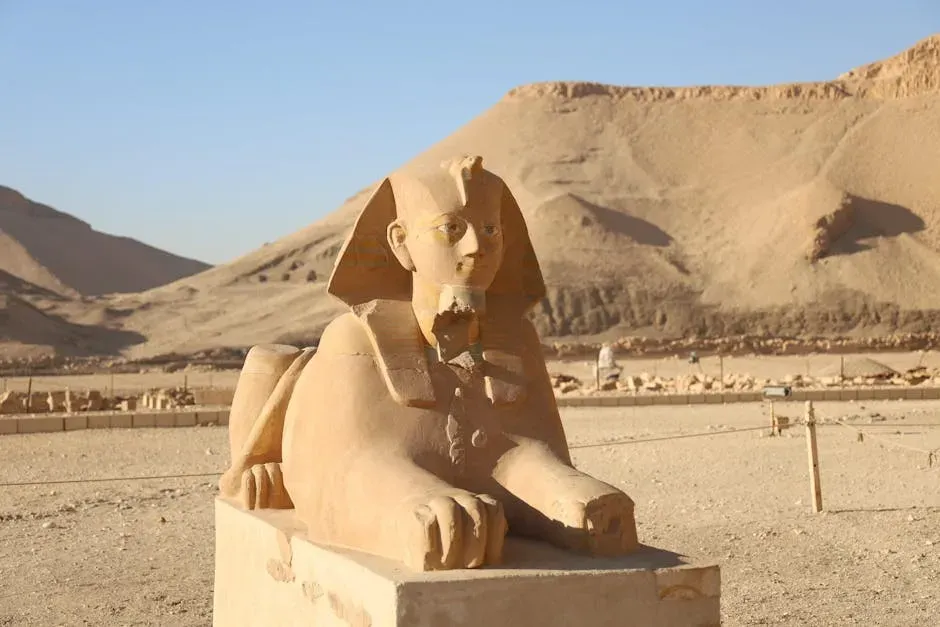
Hatshepsut ruled as Pharaoh in ancient Egypt, one of the very few women to ever claim the title. Her reign was marked by peace, prosperity, and massive architectural projects. After her death, her stepson Thutmose III took drastic measures to erase her legacy. Monuments bearing her likeness were smashed, her name chiseled from walls, and official king lists skipped over her entirely. For centuries, her achievements were hidden in plain sight – statues buried under rubble, her stories left untold.
Only through modern archaeological discoveries did her powerful, trailblazing reign resurface, challenging ancient norms and the very idea of who gets to be remembered. Today, Hatshepsut is among the most studied and celebrated rulers of the ancient world. Her mortuary temple at Deir el-Bahari draws visitors from across the globe, and her story now features prominently in museum exhibitions, documentaries, and academic curricula as a defining case of deliberate historical erasure.
2. Leon Trotsky – Painted Out of the Revolution
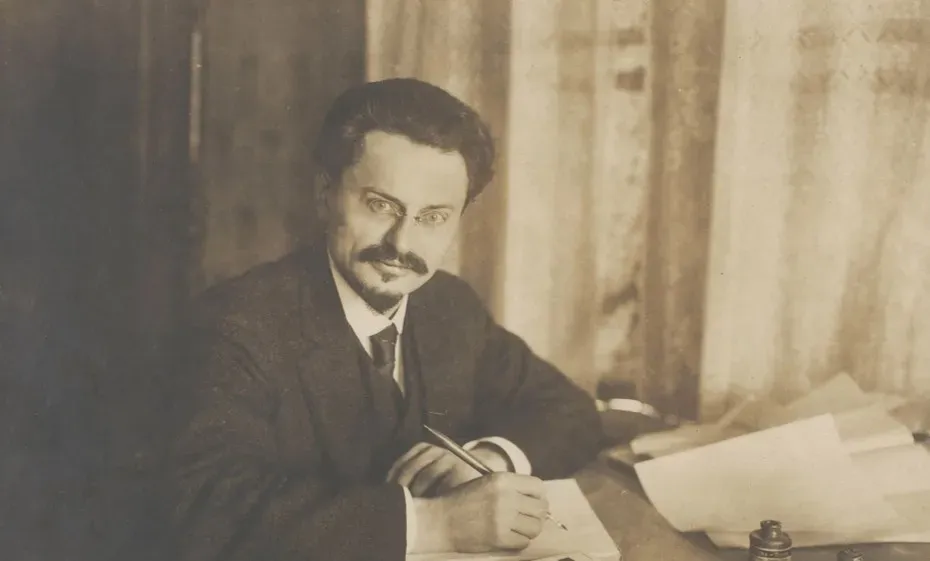
Leon Trotsky once stood shoulder to shoulder with Lenin, spearheading the Bolshevik Revolution and shaping the new Soviet state. After Joseph Stalin seized power, Trotsky quickly became public enemy number one. Stalin’s regime didn’t just exile Trotsky – they launched a full-scale campaign to scrub him from Soviet history. Photographs were meticulously doctored, with Trotsky’s face literally painted out. Schoolchildren learned of a revolution without him, and his name disappeared from official records.
Stalin purged Trotsky’s memory by erasing him from all official photographs, media, and records. This practice became commonplace with other party officials who had fallen out of Stalin’s favour. Sometimes a single photo was retouched multiple times over several years. In 1940, Trotsky was assassinated in Mexico, the final act in Stalin’s chilling campaign. The systematic removal of his image remains one of the most extreme examples of erasure in modern times. Trotsky’s writings and political ideas have since been republished widely, and historians across the world now treat his role in the revolution as foundational.
3. Nikolai Yezhov – Stalin’s Executioner Who Vanished Too
The short man strolling with Stalin on the banks of the Moscow-Volga Canal in April 1937 was Nikolai Yezhov. Yezhov was the head of the secret police during Stalin’s Great Purge, who presided over mass arrests and executions. In 1940, Yezhov was executed himself for disloyalty. The ultimate irony lies in Yezhov’s own fate. After serving as Stalin’s faithful executioner, he too fell victim to the purges. He was meticulously erased from official photographs, becoming a victim of the very machinery he had helped to build.
Stalin’s censors removed Yezhov from the photographic record, including cutting him from a photograph in which he stood next to Stalin beside a waterway. The photo retouchers removed Yezhov and inserted new water to cover the space where he had stood. It’s one of history’s most grimly fitting examples of someone being consumed by their own system. Today, that “before and after” photograph is one of the most reproduced images in discussions of Soviet propaganda, and Yezhov is studied widely as a symbol of how authoritarian states can erase even their most loyal servants.
4. Rosalind Franklin – The Scientist Behind the Double Helix
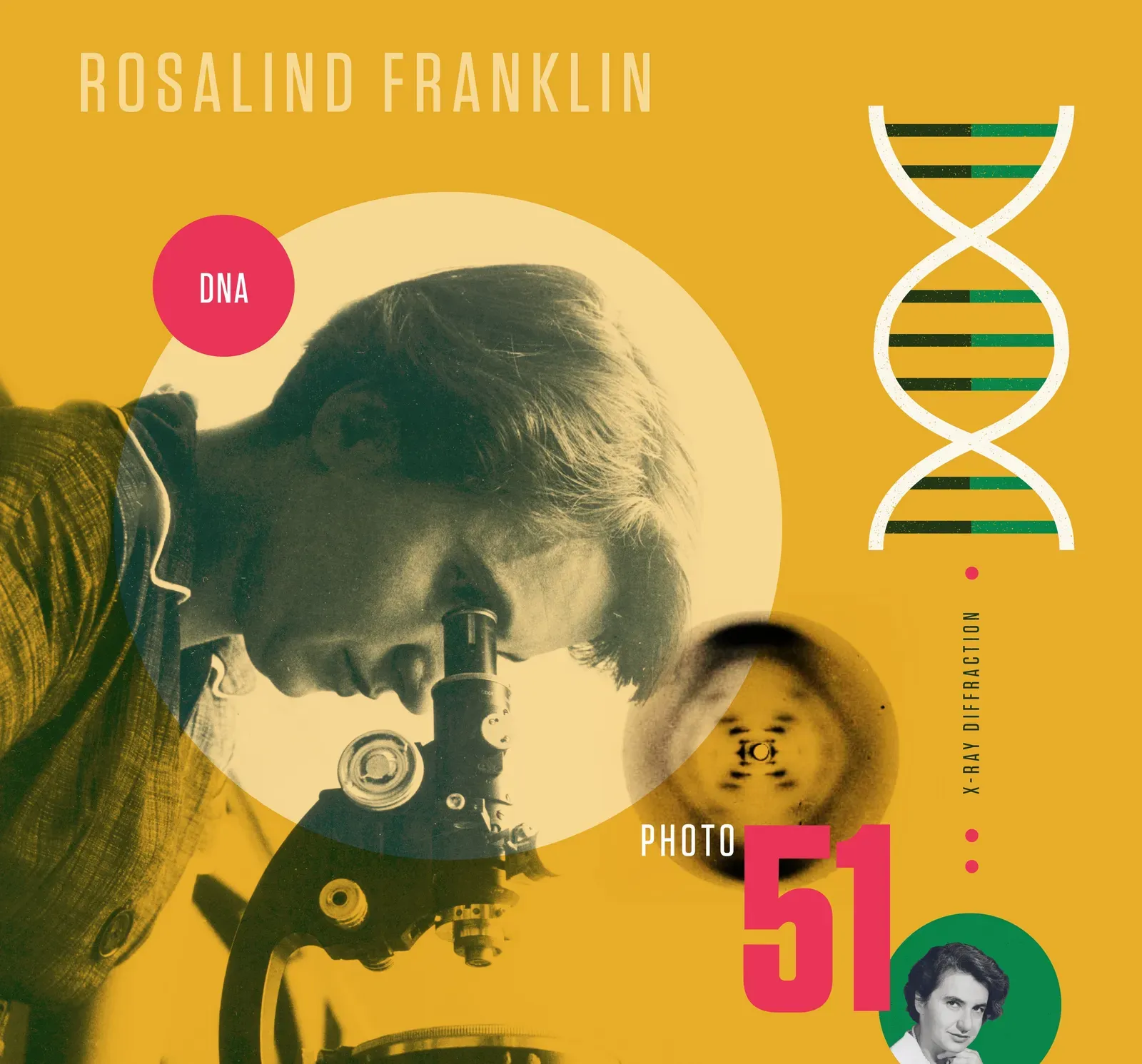
Franklin was renowned for her exceptional ability to use X-ray diffraction to study crystalline materials. She captured the famous “Photo 51,” which played a pivotal role in discovering the double helix structure of DNA. Watson and Crick are widely believed to have hit on the structure only after gaining access to data from Franklin. The decisive insight reportedly came when Watson was shown an X-ray image of DNA taken by Franklin without her permission or knowledge.
Despite the crucial importance of Franklin’s research, she did not receive a Nobel Prize, as she passed away a few years before the award was announced. James Watson, Francis Crick, and Maurice Wilkins received the prize in 1962 without adequately acknowledging Franklin’s contributions. Recent scholarship suggests Franklin should be credited as an equal co-discoverer of DNA’s structure. A play, “Photograph 51” by Anna Ziegler, was put on at the Noel Coward Theatre in London in 2015, with Nicole Kidman playing Franklin, helping bring her story to millions who had never heard her name. She has since become one of the most referenced figures in science education and gender equity advocacy worldwide.
5. Akhenaten – The Pharaoh Whose Very Name Was a Crime
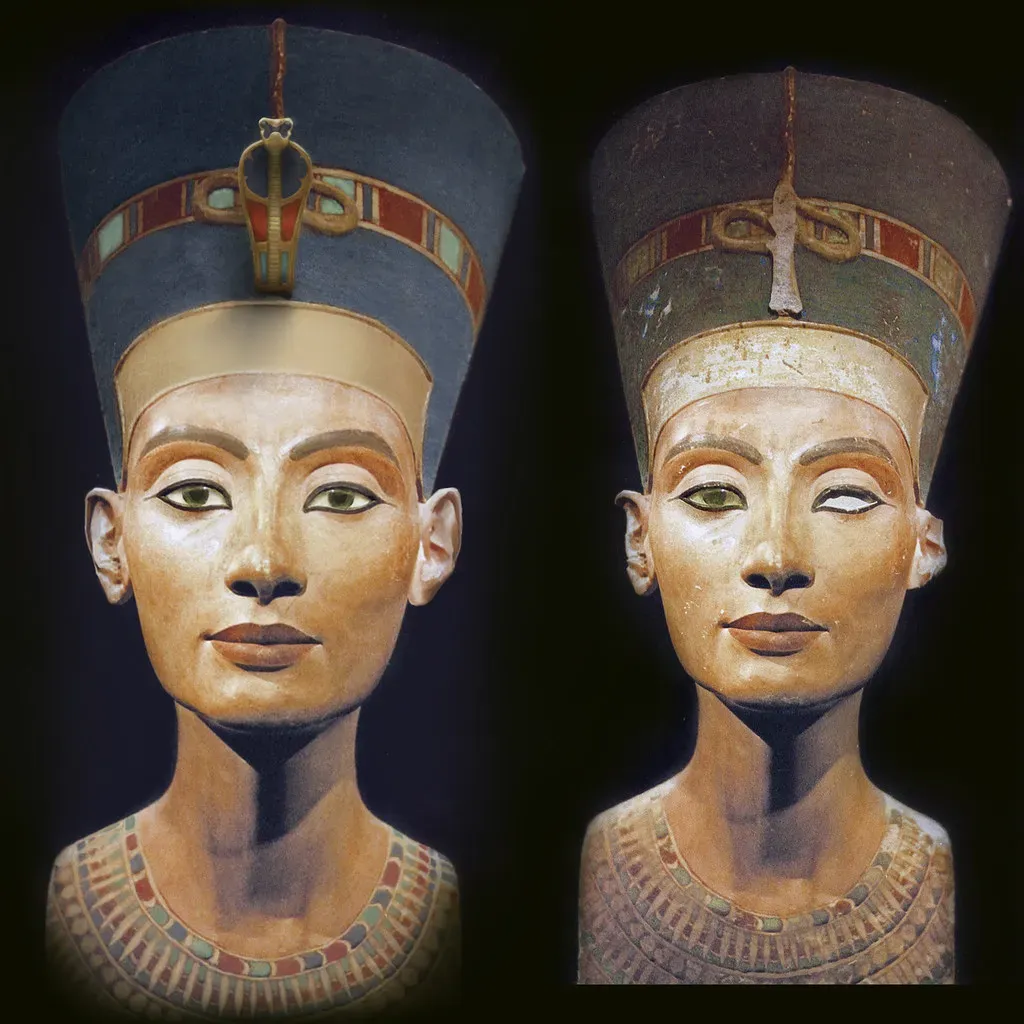
Akhenaten, Pharaoh of Egypt in the 14th century BCE, attempted to replace Egypt’s many gods with the worship of a single deity, Aten. His radical religious revolution was met with fierce opposition, and after his death, his successors worked feverishly to destroy every trace of his rule. Temples were dismantled, his likeness smashed, and his name omitted from king lists. For centuries, Akhenaten’s existence was unknown – until archaeologists uncovered the ruins of his capital at Amarna.
His dramatic erasure reveals the lengths to which societies will go to bury controversial ideas and leaders, shaping collective memory for generations. The ruins at Amarna are now an active archaeological site, regularly yielding new finds. Akhenaten is studied extensively in Egyptology as the first known figure in history to have promoted a form of monotheism, and his story appears in museums from Cairo to London, reclaimed as one of antiquity’s most fascinating and complex figures.
6. Zora Neale Hurston – Genius Who Died Working as a Maid
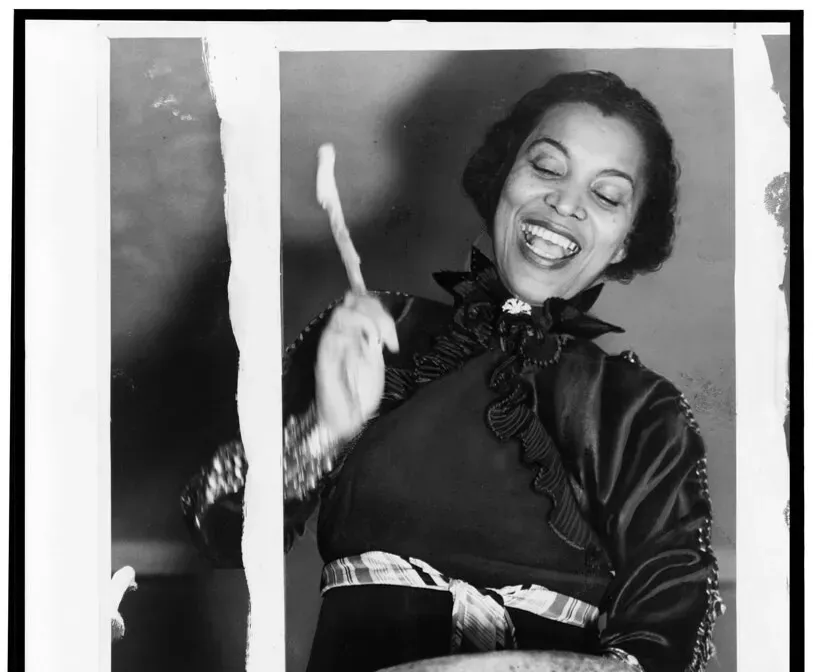
While male writers of the Harlem Renaissance gained literary fame, Zora Neale Hurston preserved Black cultural traditions through her novels, anthropological work, and folklore collections. Her masterpiece “Their Eyes Were Watching God” captured authentic Black voices and experiences with unprecedented depth and beauty. The white literary establishment dismissed her work as too “folksy,” and she died in obscurity, working as a maid.
Feminist scholars rediscovered her genius in the 1970s, cementing her place among America’s greatest writers. Today her work is taught in universities across the United States, and “Their Eyes Were Watching God” is considered a cornerstone of both American literature and African American cultural history. Her story has become a powerful example of how gender and racial bias combined to silence a voice that was, by any literary standard, extraordinary. The Zora Neale Hurston Trust continues actively managing her legacy and advocating for broader recognition of her contributions.
7. Ganga Zumba – Leader of a Free Republic That History Tried to Bury
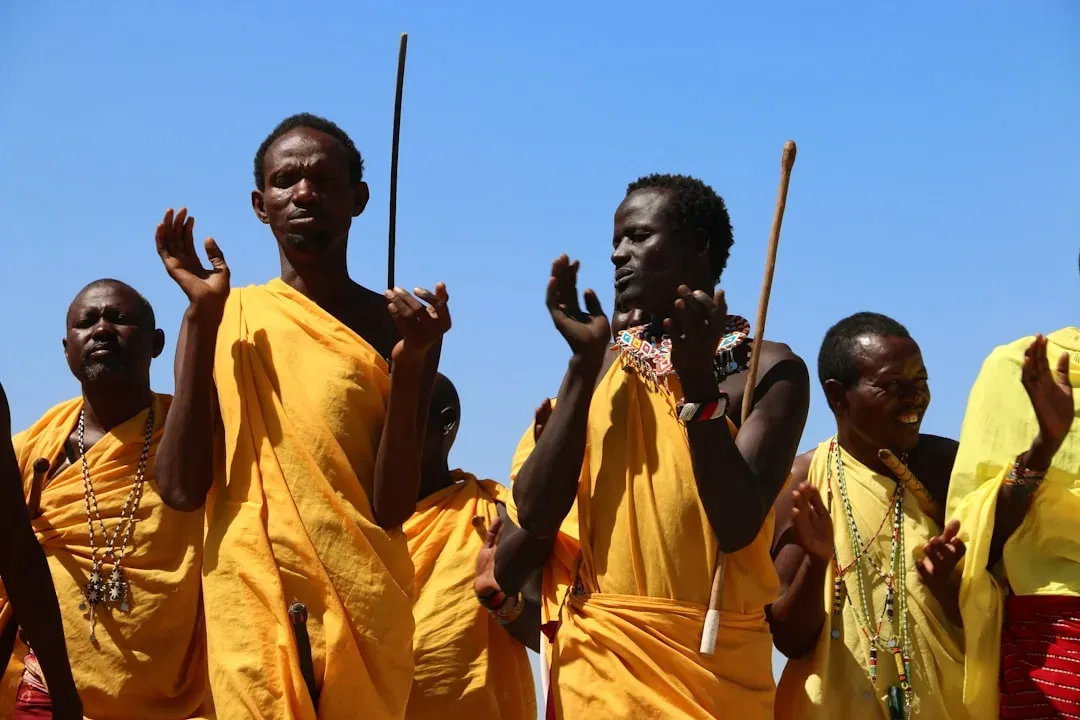
When enslaved Africans escaped plantation bondage, Ganga Zumba welded them into Quilombo dos Palmares – a free republic lasting nearly a century in colonial Brazil. This remarkable leader created a multiracial society where former slaves, indigenous peoples, and outcasts governed themselves democratically. Portuguese colonial forces eventually destroyed Palmares, but not before proving alternative societies were possible. Colonial historians deliberately obscured Zumba’s legacy to discourage future uprisings.
For much of the centuries that followed, Palmares was dismissed or minimized in Brazilian official histories. That has shifted considerably in recent decades. Brazilian scholars and Afro-Brazilian cultural organizations have worked to restore Ganga Zumba’s place in the national story. The quilombo has become a symbol of resistance and self-determination, referenced in political discourse, celebrated in art, and studied internationally as one of the most remarkable examples of organized resistance to slavery in the Western Hemisphere. Every rediscovered city, every deciphered script, every revived tradition reclaims space in the narrative of humanity. Ganga Zumba’s story is a precise example of exactly that.
What connects all seven of these figures is not just the fact of their erasure, but the reason behind it. Power erases what it fears. Bias erases what it can’t categorize. Indifference erases what it doesn’t value. The ongoing effort to recover these stories isn’t purely academic – it changes how we understand the present, because the gaps in history are never really empty. They’re just waiting to be filled back in.