There’s something unsettling about realizing that ordinary life is full of potential hiding places. A banana box, a coin in your pocket, a shaving brush on a bathroom shelf – none of these things should raise suspicion. That’s precisely the point. Criminals have long understood that the best hiding spot is one that doesn’t look like a hiding spot at all.
From Cold War espionage to modern drug trafficking, the use of everyday objects to conceal criminal activity is both a science and an art. Some of these cases are almost darkly ingenious. Others are brazen in their simplicity. All of them reveal something fascinating about the lengths people go to when they need something to disappear in plain sight.
1. A Hollow Nickel That Brought Down a Soviet Spy
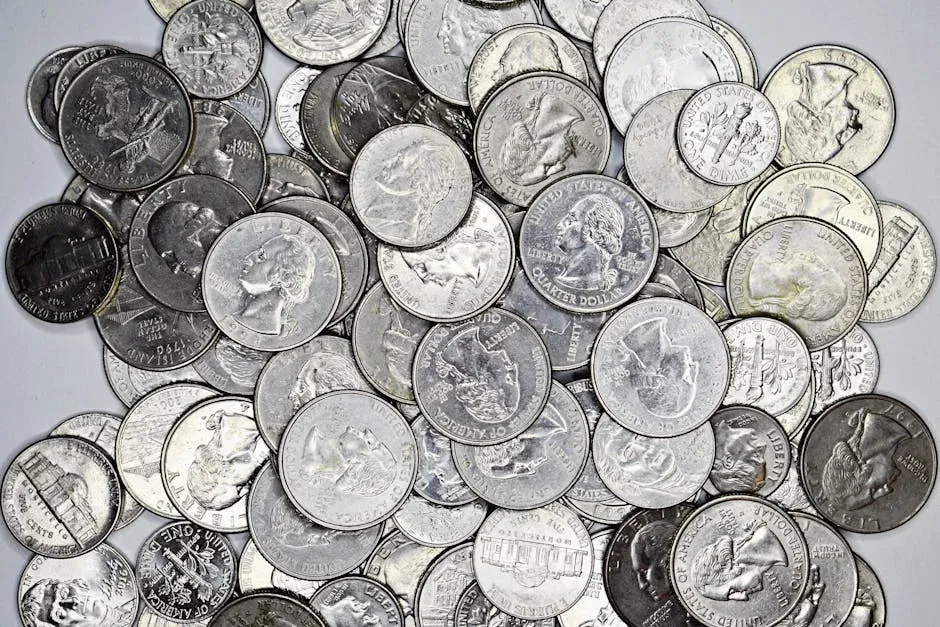
On June 22, 1953, Jimmy Bozart, a fourteen-year-old newspaper boy collecting payments in Brooklyn, was handed a nickel that felt unusually light. When he dropped it on the ground, it popped open, revealing a piece of microfilm inside. The coin had been engineered by Soviet intelligence as a dead drop container, designed to pass messages between KGB operatives without drawing any attention at all.
The Hollow Nickel Case became the FBI investigation that grew out of that discovery, eventually linking the coin to the espionage activities of William August Fisher, operating under the alias Rudolf Ivanovich Abel, on behalf of the Soviet Union. When Fisher was arrested, his hotel room and photo studio contained multiple espionage items: cameras for producing microdots, cipher pads, cufflinks, a hollow shaving brush, shortwave radios, and numerous trick containers. A single coin, accidentally dropped by a teenager, unraveled one of the most sophisticated Soviet spy networks ever uncovered on American soil.
2. Banana Shipments Packed with Cocaine
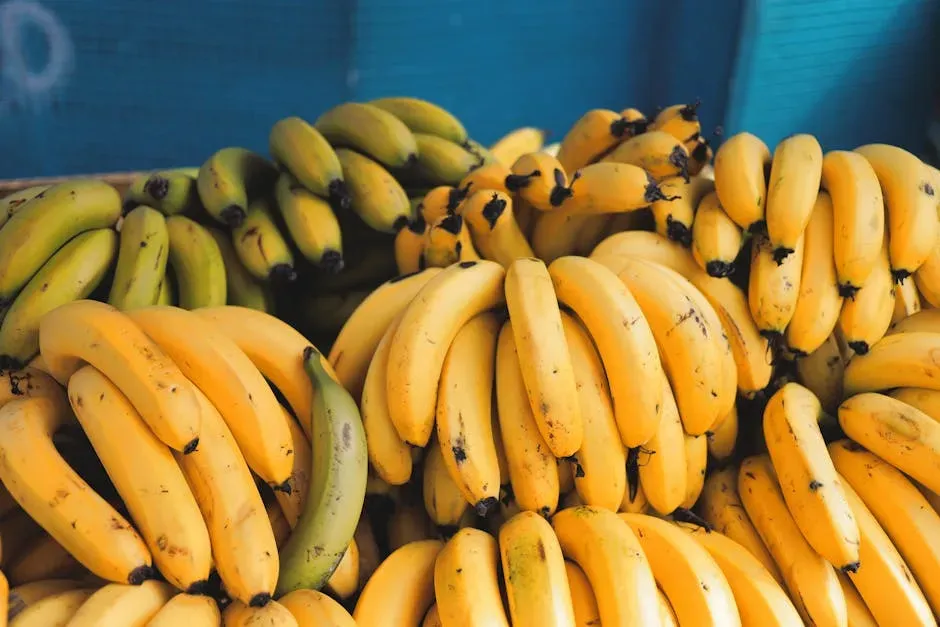
British Border Force seized around five tonnes of cocaine at London Gateway in under a month, estimated to be worth over £400 million, after criminal gangs attempted to evade detection by concealing drugs in a banana shipment and in a vat of South American wine. That seizure, reported in April 2026, is one of the most recent in a long and consistent pattern. In February 2024, another Southampton Docks banana shipment was found to be holding more than 12,500 pounds of cocaine, which at the time was the country’s largest recorded single seizure of illicit drugs.
One reason smugglers opt for fruit shipments is that raw produce spoils so quickly that customs officials tend to rush their inspections, thereby missing hidden contraband. Employees of German discount supermarket Aldi once discovered that around half a tonne of cocaine had been hidden in a large consignment of bananas brought into the country from Latin America, and in the majority of cases, legitimate fruit exporters and their customers have no knowledge that their shipments are being used to smuggle drugs.
3. Hollowed-Out Pineapples Stuffed with Drugs

Spanish authorities arrested nine suspected members of a drug ring and seized 1,600 pounds of cocaine, which the Colombian gang had hidden in carved-out pineapple skins in a shipment heading to Madrid. The operation required genuine craft: the cocaine was covered in yellow wax and then covered with previously-hollowed pineapple skins to replicate the look and weight of real fruit. Scanners at customs had a harder time detecting the drugs because the lead-foil wrapping and dense wax created misleading readings.
In 2014, another 2.5 tons of cocaine hidden in 2,296 packages were scattered among pineapples in a Costa Rican shipment. U.S. Customs and Border Protection officers seized more than half a tonne of cocaine estimated to be worth more than $19 million, hidden inside a shipment of fresh pineapples that had arrived in Georgia by boat from Colombia. Pineapples, it turns out, have become one of the most reliably exploited vehicles in the international drug trade.
4. Vehicle Trap Compartments Built Into Family Cars
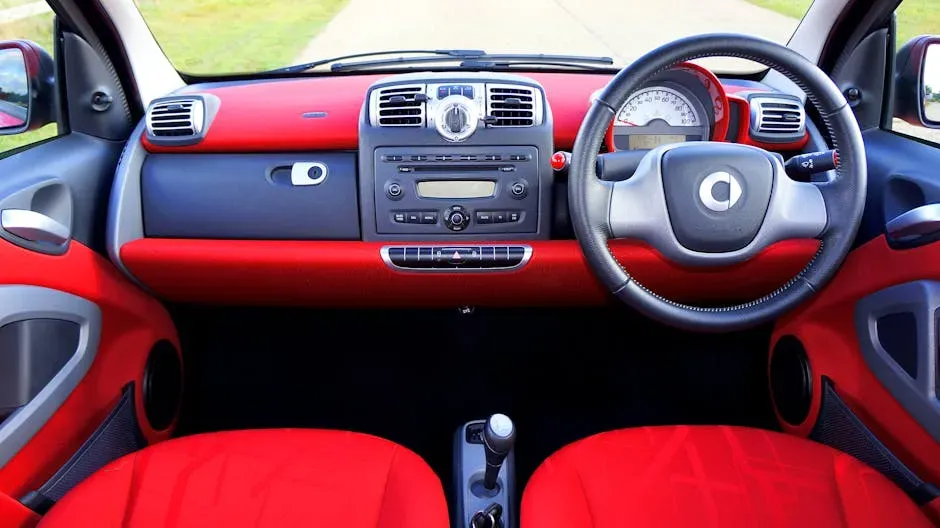
Until the 1980s, drugs trafficked in cars in the U.S. tended to be hidden in obvious places such as wheel wells or spare tires. In the early 1980s, the first magnetically or hydraulically actuated secret compartments, dubbed “urban traps” by the Drug Enforcement Administration, started to appear, often in door panels, dashboards, seats, and roofs. The sophistication escalated quickly from there. More recent traps have no visible controls, are electronically controlled, and may require complicated procedures for access.
In 2012, Alfred Anaya, famous among rich clients in California for his skill in installing sophisticated traps, was sentenced to more than 24 years in prison under U.S. federal law as a co-conspirator in a drug-trafficking operation. The conviction relied on testimony that Anaya had seen one of his clients stash some $800,000 in cash in a trap, and the prosecution successfully argued that Anaya must have deduced from this that the trap was to be used for drug trafficking. The case drew a hard legal line: building the compartment, even without directly handling drugs, was enough to constitute conspiracy.
5. Diversion Safes Disguised as Household Products

Criminals strive to conceal illegal items in case of a search, and they may hide this material inside containers known as “diversion safes,” which are disguised as common household items and can provide criminals a convenient hiding place for incriminating items such as narcotics, weapons, and cash. These products are commercially available and marketed for perfectly legal purposes, such as protecting valuables from burglars. Each of these diversion safes is indistinguishable from the genuine product, and can thus avoid detection, and may even be weighted to feel full.
Manufacturers have created diversion safes to hide pills in small items such as skateboard wheels, car cigarette lighters, and batteries. A pen diversion safe, available for only a few dollars, can hide money and prescription drugs discreetly while working as a fully functional pen. When the top unscrews, the pen reveals a hidden compartment and removable vial. Many companies sell containers specifically created for vehicles, such as a safe that resembles a can of tire sealant or a thermal coffee mug. Because drivers commonly keep such products in a car, they do not draw an officer’s attention during a search.
6. Footballs Soaked in Methamphetamine
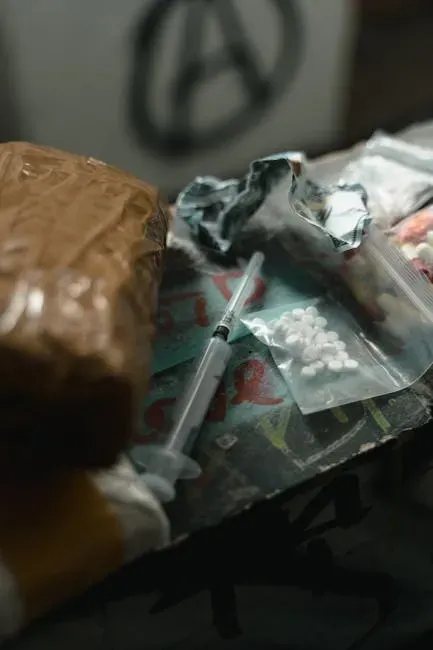
CBP officers at the Port of Louisville noticed white powder on a shipment of footballs. It turned out these footballs had been soaked in methamphetamine, just another way criminals had tried to ship their product. The technique of infusing drugs into fabric or sporting goods is particularly difficult to detect without chemical testing, since the product looks entirely normal at first glance and passes basic visual inspection without issue.
In the same period, officers seized shipments containing items that were laced with or concealing drugs, including woodwind trumpets laced with cocaine, Chromebooks packed with two pounds of methamphetamine, and other similar packages. CBP noted that it encounters narcotics and other contraband concealed in an ever-changing variety of items, and that its officers seized an average of 4,732 pounds of dangerous drugs every day across the United States in one recent year. The sheer volume and variety of these cases make it clear this isn’t an isolated tactic.
7. Books as Spy Concealment Devices

Books are possibly the most common concealment devices in use. They are easily made and can contain quite large objects. They are also very difficult for outsiders to spot but easy to recognize for those looking for a specific book on a shelf. The hollowed-out book safe has been a staple of both spy fiction and actual intelligence tradecraft for well over a century, largely because a bookshelf full of books is one of the least scrutinized environments in any home or office.
Concealment devices look like normal, everyday objects but actually contain a secret compartment or cavity, inside which can be placed film, notes, eavesdropping equipment, and various other types of contraband. They were used to smuggle escape aids to prisoners of war, exchange information with allies, monitor the enemy, store secrets for safekeeping, and transport items without arousing suspicion. Law enforcement agencies today still encounter books modified to conceal drugs, cash, and mobile phones during residential searches.
8. Produce and Vegetables Used to Mask Drug Shipments

From bananas to celery, smugglers have turned the produce aisle into a narcotics distribution network. In March 2025, traffickers spiked an avocado shipment from Santa Marta, Colombia with 1.7 tons of cocaine, and in February 2025 in Pharr, Texas, jalapeños and cucumbers were used to conceal $20 million in meth and heroin. The range of vegetables involved in these cases reads less like a criminal ledger and more like a grocery list.
From 2016 to 2018, a UK-based smuggling ring funneled nearly £7 billion worth of heroin, cocaine, and cannabis into Britain using onions, garlic, and ginger. One key reason smugglers opt for produce is that vegetables and similar items spoil so quickly that customs officials tend to rush their inspections, thereby missing hidden contraband. The tactic exploits the very infrastructure designed to keep food fresh and moving quickly through borders.
9. Suitcases with False Bottoms and Hidden Linings
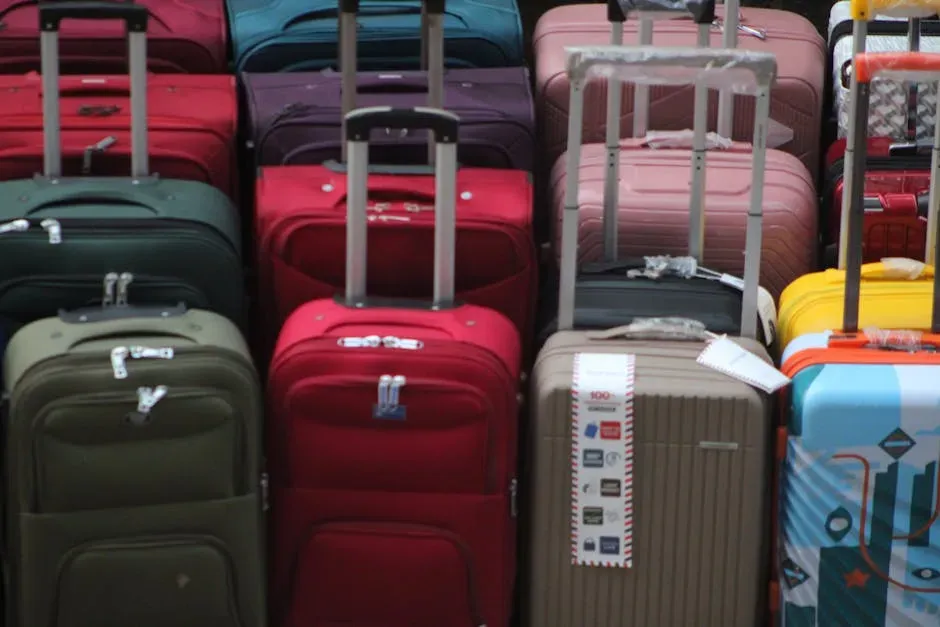
A person may design a suitcase, backpack, or other personal belongings with hidden compartments to store drugs while traveling. A traveler may carry a suitcase that has a secret compartment sewn into the lining. Examples in smuggling include suitcases with false bottoms for hiding contraband, a method that has been in use for so long it has become almost a cliché – and yet it continues to work, particularly when the construction is high-quality and the concealed cavity is thin enough to escape notice on X-ray imaging.
A broad range of concealment methods have been used in the past that still remain relevant when hand-searching baggage, and hundreds of everyday articles can be modified and used to conceal drugs and explosive devices, including vacuum flasks, stuffed toys, food items, aerosol cans, boxes of sweets, and gift-wrapped lead crystal vases that show up opaque on X-rays. The challenge for border security isn’t identifying that concealment exists – it’s anticipating which innocent object will be used next.
10. Consumer Electronics Gutted to Hide Contraband

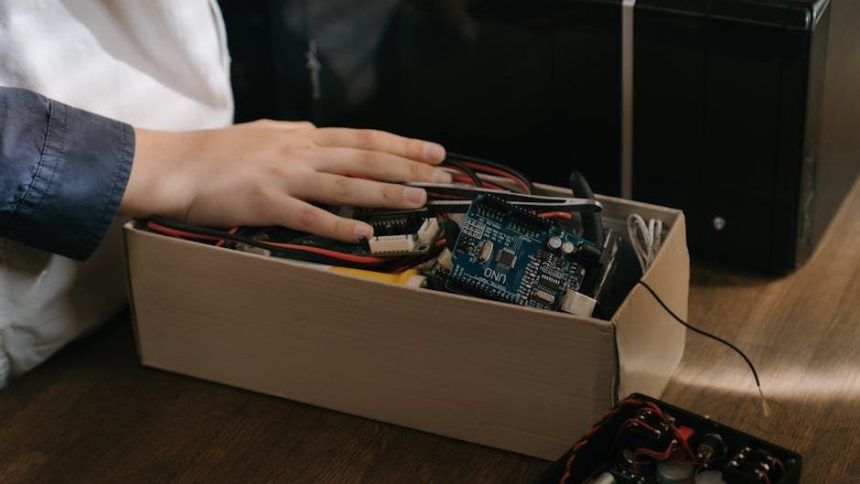
Computer equipment and consumer electronics can easily be used for concealing goods and information. Usually the only tool required is a screwdriver; the device can be opened up, have the majority of its electronic and mechanical components removed, and have those replaced with the goods to be concealed. Some of the more common devices used for this purpose include video players such as VHS, CD, DVD, and Blu-ray players, computer accessories such as DVD-ROM drives and hard disk drives, battery packs, and even laptop computers themselves.
More often than not, the majority of the components will be removed to allow more space to conceal an item, but that will render the device inoperable and may arouse suspicion, and it may be of more benefit to preserve the operation of the device at the sacrifice of space. This tension between functional cover and maximum cargo space is a recurring problem for smugglers who try to use electronics. A device that doesn’t power on when inspected becomes a liability rather than a cover.
11. Paintings and Picture Frames Concealing Cash and Documents

Thin objects such as papers and money can be concealed in or behind the frame of a painting. Paintings and their frames offer space for storing thin items, such as cash or documents, that can be slipped into or behind the frame, making them nearly undetectable unless the frame is thoroughly examined. This method has appeared in money laundering cases, art fraud investigations, and organized crime prosecutions, since a framed picture on a wall draws almost no curiosity even during a search of a property.
Concealment furniture includes items specially designed to hide weapons or valuables, often made from wood, plastic, or metal. Furniture pieces such as desks or armoires have hidden compartments accessible from removable sections, and this type of concealment furniture remains popular for storing firearms, money, and valuables. Paintings take this a step further by blending into décor so naturally that even a trained investigator may overlook them. The frame becomes, in effect, an envelope that no one thinks to open.
What ties all eleven of these cases together is the same basic logic: the best camouflage is familiarity. Whether it’s a coin in your pocket or a crate of fruit on a cargo ship, the object’s very ordinariness is the disguise. Law enforcement agencies have grown more sophisticated in response, using CT scanning, chemical detection, trained animals, and behavioral analysis. Still, the cat-and-mouse dynamic shows no sign of slowing down. As long as there are everyday objects, someone will find a way to make them carry secrets.