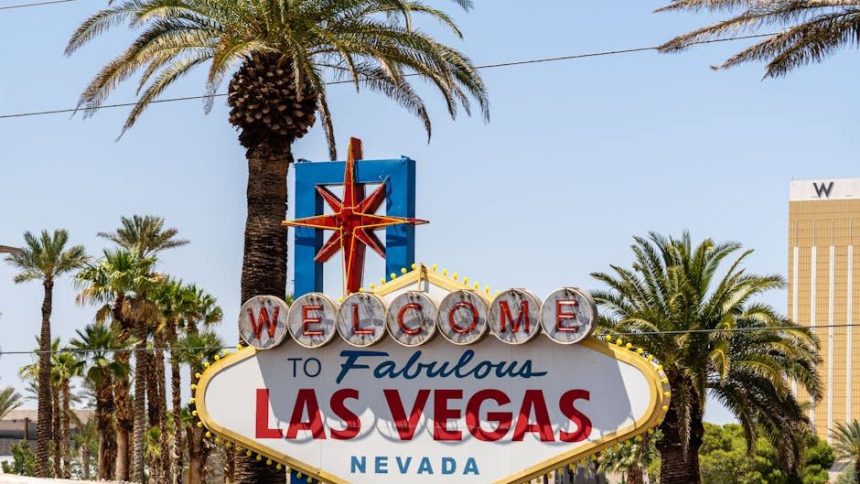
Few cities in America put homes through the same stress test as Las Vegas. In the span of a single year, a house there might bake under temperatures pushing 115°F in summer and then face near-freezing nights in January. That’s not just uncomfortable for the people inside – it’s genuinely hard on the structure itself, from the roof down to the pipes in the crawlspace.
The gap between Las Vegas at its hottest and coldest is wider than most residents expect. Understanding what drives those swings – and how your home can be better prepared for them – is more urgent now than it was a decade ago. The climate data from recent years makes that clear enough.
A City Pushing the Edge of Its Own Records
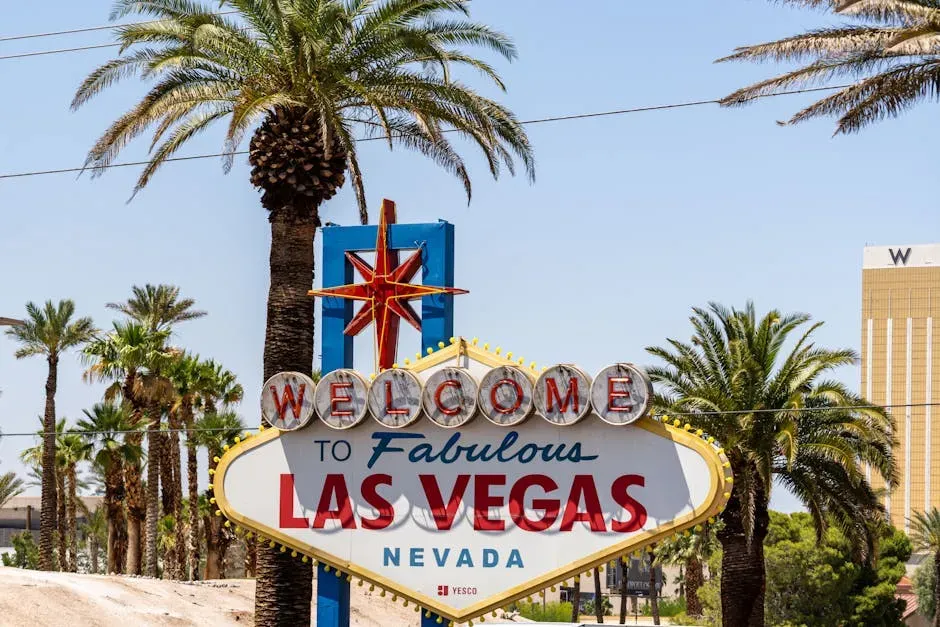
The summer of 2024 was historic for Las Vegas, marking the hottest summer on record. Throughout that summer, Las Vegas set or tied 13 daily record highs and 26 daily record warm lows, with the most alarming milestone being seven straight days at 115°F or higher – nearly doubling the previous record of four consecutive days.
By September 25 of that year, the region had logged 101 days with temperatures exceeding 100°F, breaking a record that had stood since 1947. That’s nearly a third of the entire year spent in triple digits. For homeowners, that kind of sustained heat is not just a weather story – it’s an engineering problem.
Las Vegas is the fastest-warming city in America. According to data from Climate Central, its average temperature has risen about 2.8 degrees since 1970, including more than three degrees just in the past 20 years. Researchers at UNLV note that the Mojave Desert’s warming signal is amplified by local factors – thick layers of pavement and limited green space trap daytime heat, causing Harry Reid International Airport to average five to 15 degrees warmer than surrounding rural areas on clear nights, creating a powerful urban heat island effect that compounds global trends.
The Winter Side Nobody Talks About

Living in Las Vegas means experiencing extreme temperatures, from scorching summers that exceed 100°F to chilly winter nights that can drop below freezing. This catches many new residents off guard. The desert’s reputation for heat can obscure the fact that winters carry their own set of risks.
The coldest winter nights see temperatures drop into the 20s, with readings in the teens or lower experienced only in the most severe cold outbreaks. On roughly half of winter nights, the temperature drops below 40°F, and freezing weather in Las Vegas happens an average of ten nights a year.
During the winter months, it’s not unusual for temperatures to drop below freezing in the Las Vegas Valley, and a temperature of 32°F or less in the desert can damage vegetation and freeze pipes, causing them to burst. Occasional cold snaps can still cause pipes to freeze and burst, leading to costly water damage and repair bills, with pipes in unheated areas such as garages, attics, and crawl spaces being especially vulnerable.
Insulation: The Foundation of Any Defense
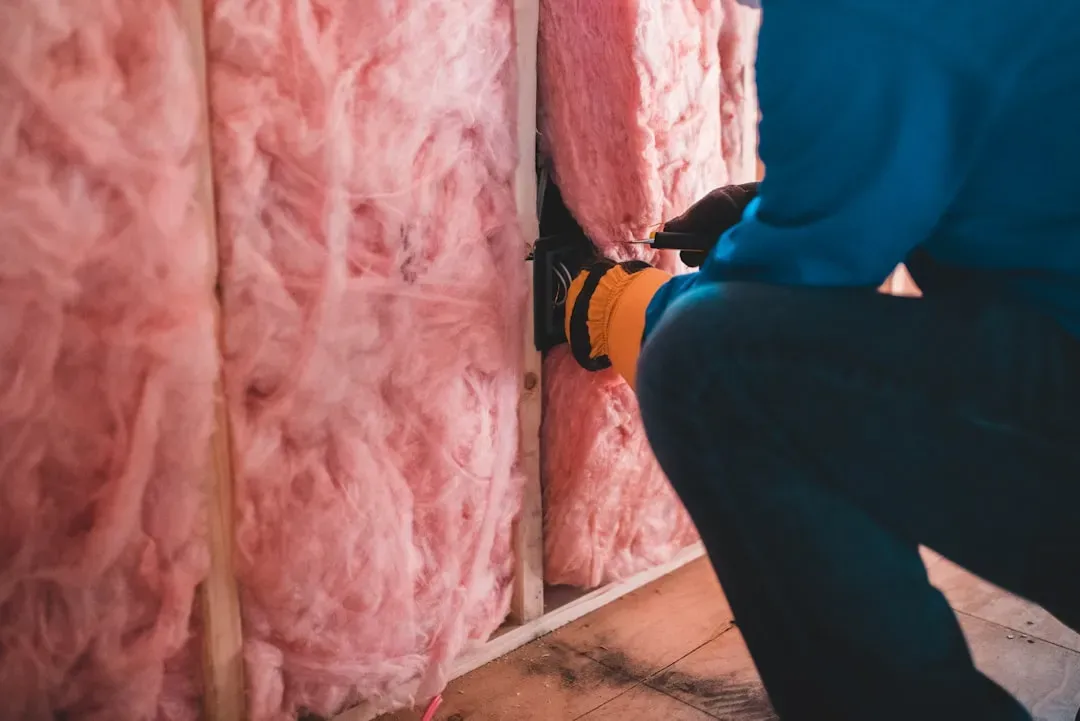
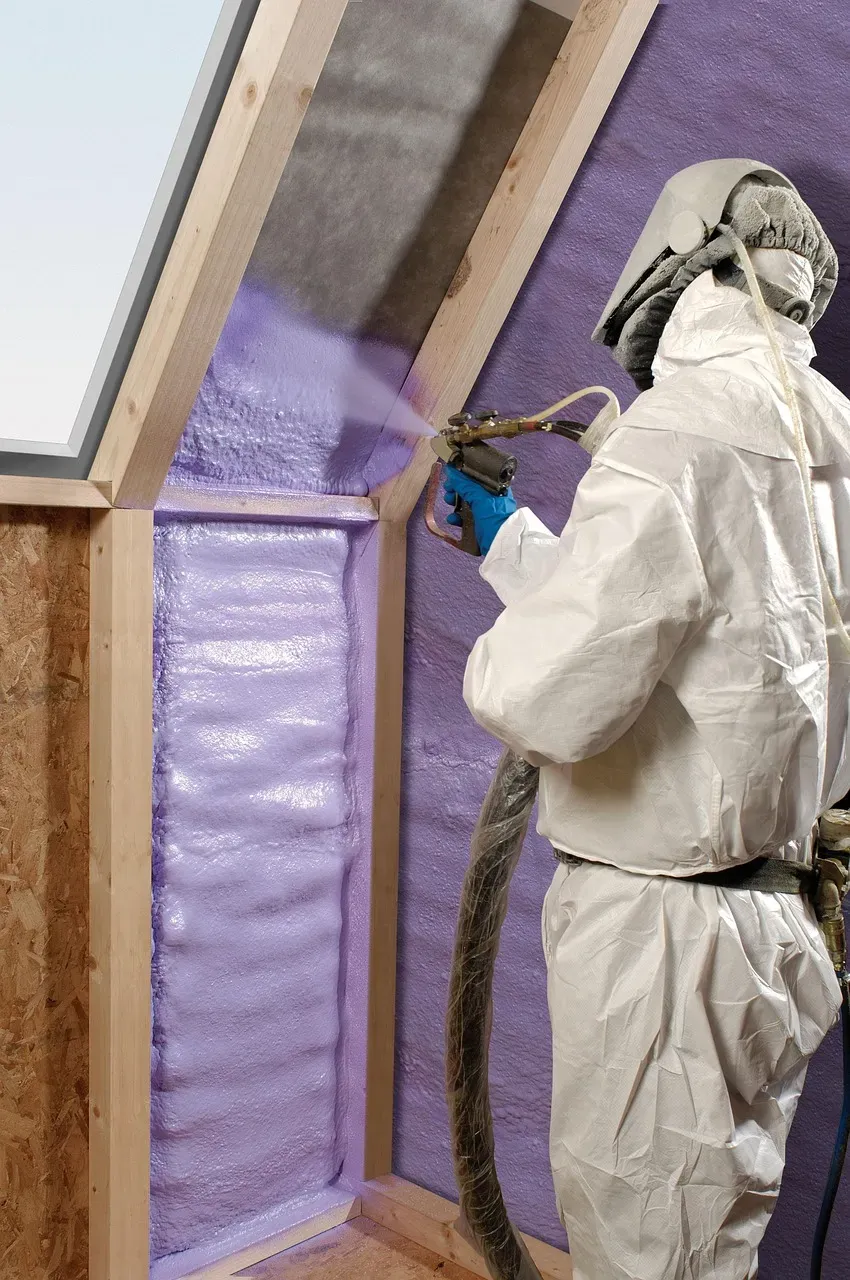
Insulation acts as a thermal barrier, slowing the transfer of heat between indoor living space and the outdoors. In a desert climate like Las Vegas, where daytime temperatures can easily soar above 110°F, insulation is the key to preventing heat from pouring into a home – and during chilly desert nights, it helps trap warmth indoors.
The attic is the single most important area to insulate in Las Vegas. Because it sits directly under the roof, heat gain is extreme and quickly spreads to the rest of the home. Upgrading attic insulation can reduce cooling costs significantly, especially if current insulation is thin or outdated. Experts recommend aiming for at least R-38 insulation in desert climates, and pairing traditional insulation with radiant barriers can further increase efficiency while ensuring proper attic ventilation helps prevent trapped heat and moisture buildup.
Local building codes don’t always prioritize insulation, often allowing for the bare minimum, which means many Las Vegas homes aren’t as energy-efficient as they could be, leading to higher cooling costs and less comfortable living spaces. According to the U.S. Department of Energy, proper insulation and sealing can reduce heating and cooling costs by up to 15% – a meaningful number when summer bills in Las Vegas can run high.
Sealing Air Leaks Before They Drain Your Wallet
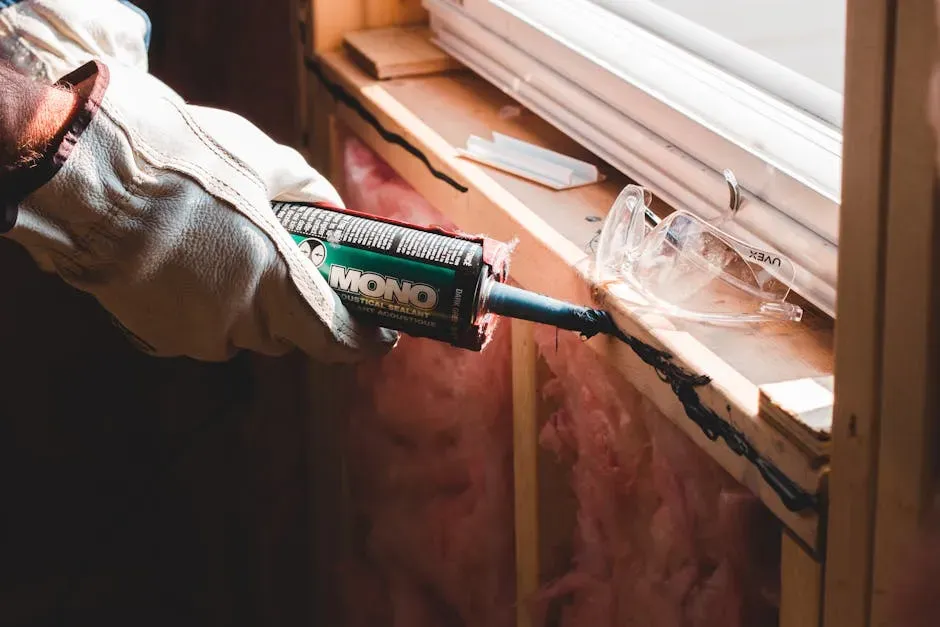
Adding new insulation without sealing leaks is like trying to cool a home with the windows open. Air leaks let cooled or heated air escape, forcing the HVAC to work harder. Checking around windows, doors, and ductwork for gaps or cracks is essential, and caulking, weatherstripping, and sealing duct joints with UL-rated tape are simple, inexpensive steps that make a real difference.
Using caulk or weatherstripping around windows, doors, and frames to block out drafts is a step that can significantly reduce heat loss. Las Vegas winters may not be as harsh as those in colder climates, but temperatures can still drop below freezing at night, and this fluctuation between day and night temperatures can lead to damage if a home isn’t properly prepared – pipes may freeze, appliances can work harder to maintain a comfortable temperature, and drafty areas can waste energy.
Windows and Reflective Films: Blocking Heat at the Source
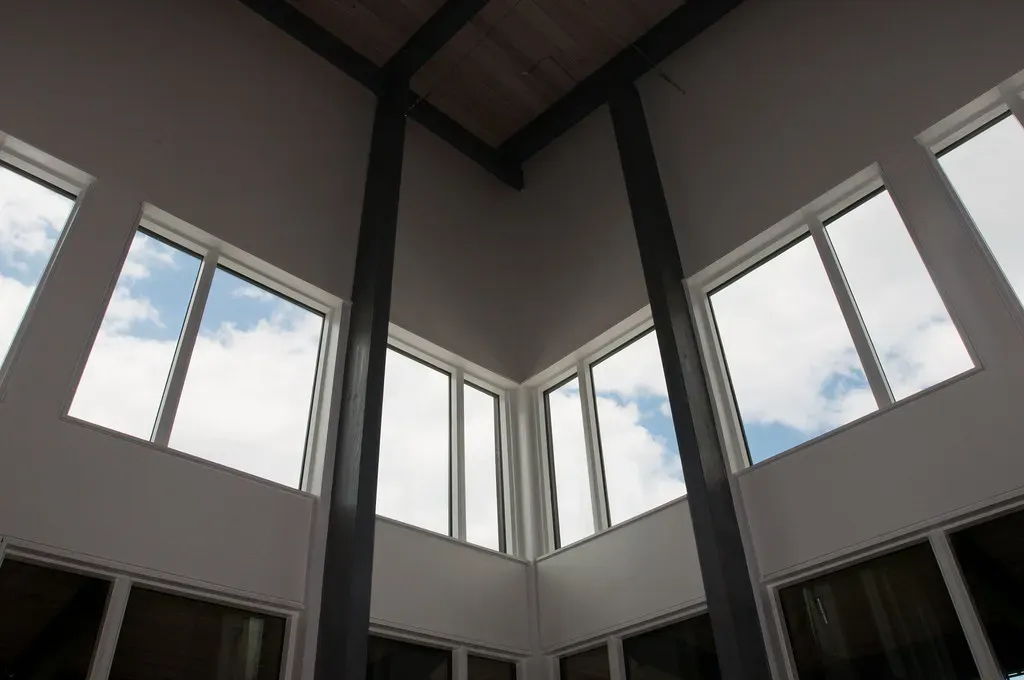
Windows are one of the most direct pathways for solar heat to enter a home. According to Energy Star, energy-efficient windows can lower energy bills by roughly 12% nationwide, with even stronger results in high-sun climates like Nevada’s. That number becomes more significant when air conditioning is running for several months straight.
Double-paned windows with argon gas injected between the two panes act as a thermal insulator – on 100-degree summer days in Las Vegas, such windows will only be mildly warm to the touch. For existing windows that can’t be replaced immediately, energy-efficient window attachments like low-e films, tints, UV blockers, and thicker films can block solar heat gain, keep sunlight to a minimum, and protect a home against glare and UV exposure, effectively keeping the home cooler during summer and lowering energy bills.
Keeping curtains and blinds drawn to prevent sunlight from streaming in is a simple starting point. Treating windows with heat-reflecting film is another effective approach, and keeping the house cooler overall means the AC can be set at a slightly higher degree, shaving dollars off utility bills.
Cool Roofs and the Case for Going Solar
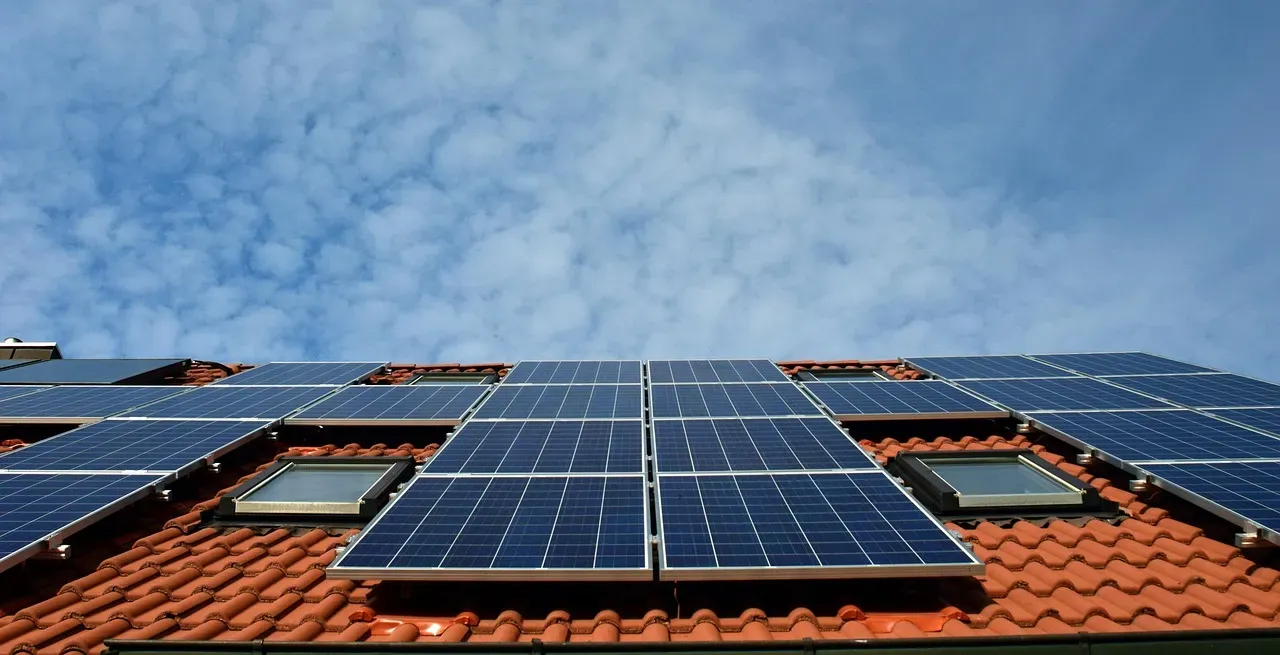
The roof absorbs an enormous amount of heat in Las Vegas. The Environmental Protection Agency notes that reflective or “cool” roofs can lower roof surface temperatures by up to 50°F, helping reduce indoor heat buildup significantly. In a city where attic temperatures can reach into the 150°F range in summer, that kind of reduction is not trivial.
Despite extreme heat challenges, Las Vegas’s 300-plus annual sunshine days enable six-to-nine-year payback periods for solar installations, with lifetime savings that can be substantial – making it one of America’s most profitable solar markets for homeowners. A 2024 report from the National Renewable Energy Laboratory also highlights that solar panels can reduce roof heat gain while simultaneously generating electricity, making them a popular and practical choice in Nevada.
Solar panels do lose some efficiency in extreme heat, dropping about 0.4% per degree above 77°F. However, Las Vegas’s intense sunlight more than compensates for those heat losses. High-quality panels with better temperature coefficients perform best in desert conditions, and proper installation with adequate airflow beneath panels helps minimize heat impact.
HVAC Maintenance: The System That Carries the Most Weight
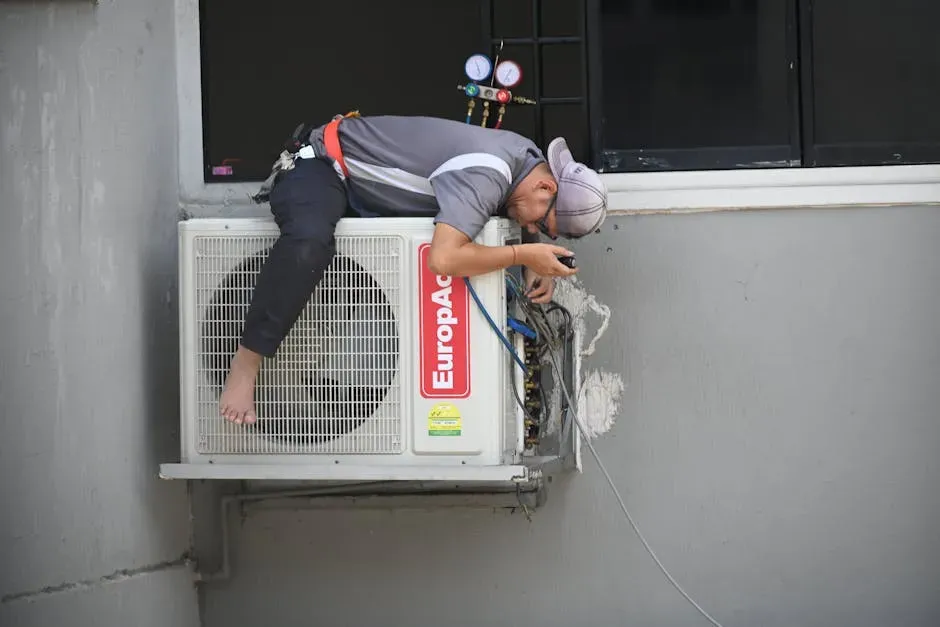
In Clark County, air conditioning units often run around the clock during peak summer months, driving up costs and putting extra strain on HVAC systems. The U.S. Energy Information Administration notes that air conditioning accounts for roughly 12% of total U.S. home energy use, with significantly higher usage in desert regions like Nevada. That means the condition of the HVAC system directly determines how much a Las Vegas household spends each month.
Southern Nevada, including Clark County and the City of Las Vegas, adopted the 2024 International Energy Conservation Code, with enforcement beginning in early 2026. The updated code mandates improved efficiency levels for HVAC units, requiring contractors to install systems with better SEER and EER ratings – changes designed to reduce energy consumption and lower cooling costs, especially critical in Las Vegas’s hot desert climate.
The heating and cooling system plays a significant role in keeping a home comfortable year-round. Regular HVAC maintenance can prevent unexpected breakdowns during extreme weather, improve energy efficiency to reduce utility bills, and extend the lifespan of the HVAC unit.
Smart Thermostats and Programmable Controls
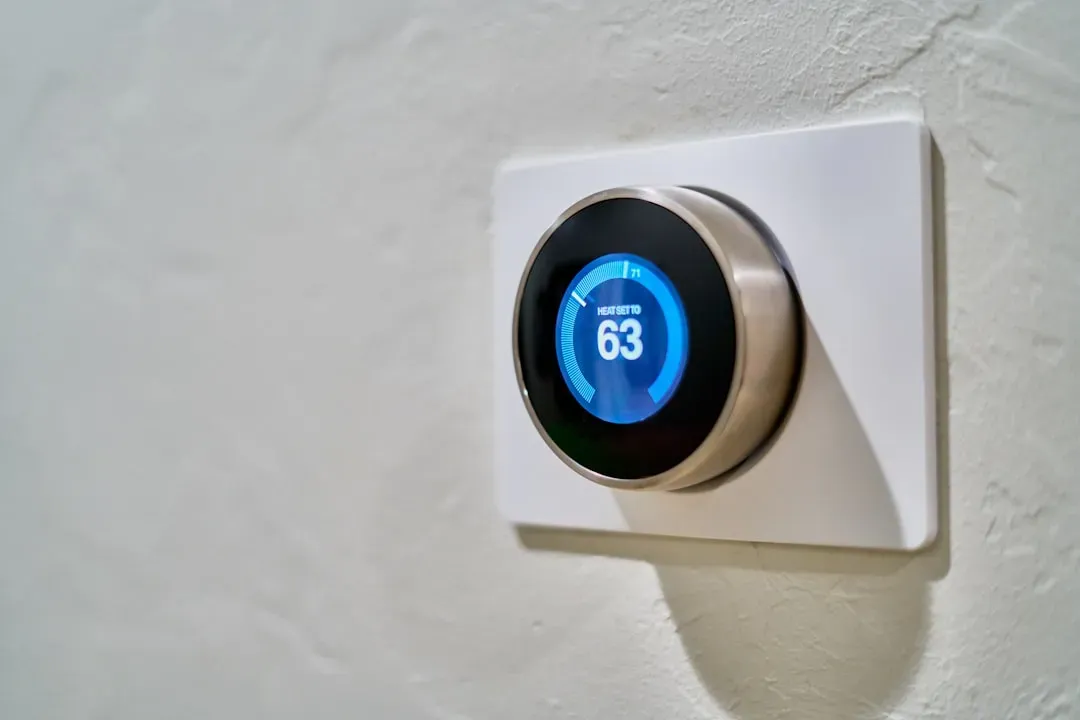
Some utility providers in Las Vegas, such as NV Energy, offer time-of-use pricing plans where electricity rates vary depending on the time of day and day of the week. Pairing those plans with a smart thermostat allows homeowners to take deliberate control over when and how hard the cooling system runs, reducing waste during the hours when electricity costs the most.
The U.S. Department of Energy recommends setting the thermostat to 78°F when home and awake, and higher when away or asleep, to balance comfort and energy savings. Programming the thermostat to specific temperatures and times of day – for example, lower temperatures while asleep or at work – is one of the simplest ways to reduce unnecessary energy use.
In Las Vegas, summer energy bills can run 50 to 100% higher than spring bills due to increased cooling needs. A programmable or smart thermostat doesn’t eliminate that gap entirely, but it helps close it in a measurable way – and it requires no renovation, no permits, and minimal upfront cost.
The Real Cost of Doing Nothing
The Centers for Disease Control and Prevention reports that extreme heat is one of the leading weather-related causes of death in the United States. In Las Vegas specifically, there were a record 526 heat-related deaths in Clark County in 2024 – a figure that reflects not just outdoor exposure but also the failure of cooling systems inside homes and shelters. A well-protected home is, in this context, a genuine safety measure.
Nevada lawmakers in early 2025 introduced Assembly Bill 96, which calls on cities and counties with populations of 100,000 or more to update their master plans with strategies to mitigate the effects of extreme heat. The bill would encourage city planners to consider solutions such as access to cooling centers, increased tree canopy, public sources of drinking water, cool building practices, and shade over paved spaces.
Las Vegas recorded its fifth-warmest year on record in 2025, with an annual average temperature of 1.7 degrees above normal. The McKinsey research from 2023 noted that climate adaptation investments – including home cooling upgrades – are rising sharply as cities like Las Vegas face more extreme weather. Waiting out the trend is no longer a realistic strategy for homeowners here.
A Final Thought on Preparation
There’s an easy temptation to treat seasonal preparation as something you do once – a few caulk lines here, a thermostat swap there – and then forget about it. Las Vegas doesn’t really allow for that. Situated in the Mojave Desert, Las Vegas weather offers true extremes, from scorching summer heat to milder but genuinely cold winter conditions. Both ends of that spectrum can cause real damage and real expense if a home isn’t ready for them.
The good news is that the most effective protections – solid insulation, sealed air leaks, efficient windows, a well-maintained HVAC system – address both the heat and the cold simultaneously. They’re not separate projects. They’re the same project. And in a city that keeps breaking its own temperature records, getting that project right is less of an upgrade and more of a necessity.