There’s something almost romantic about the idea that some of the most influential sounds in music history started in a damp, poorly lit garage, surrounded by borrowed equipment and teenagers with no formal training. No record label, no producer, no budget. Just noise, ambition, and the freedom that comes from having nothing to lose.
The garage wasn’t just a rehearsal space. For many musicians, it was the only place available, and that limitation shaped everything about what they made. Six genres in particular owe their entire DNA to that humble setting.
1. Garage Rock: The Genre That Named Itself After the Room
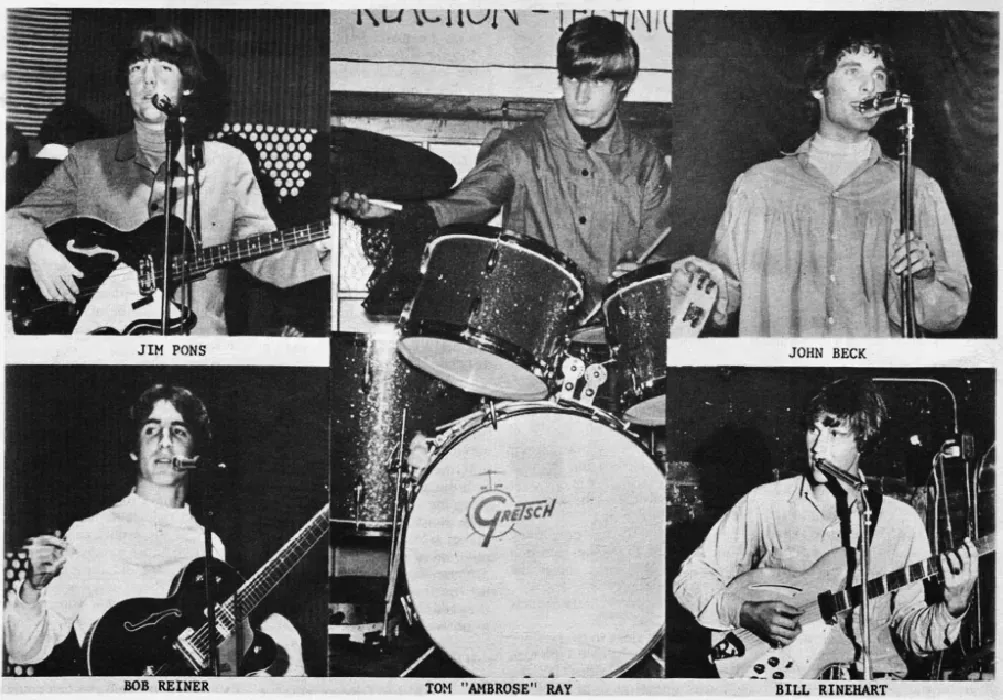
The term “garage rock” refers to an era when amateur musicians had little access to professional studios and would sometimes rehearse and record in literal garages. It’s one of the rare genre names that tells you exactly where the music came from. Garage rock is a style of rock and roll that emphasizes passion and energy over pure technical ability, and rock musicians with little formal training but immense raw energy often composed garage rock bands.
The term garage rock comes from the fact that its performers were groups made up of teenagers and young fans, with very little musical training, who used to meet to play and rehearse in the garage of their homes. The results were scrappy, loud, and often gloriously imperfect. Perhaps the most enduring garage rock song of the 1960s was “Louie Louie,” written by Richard Berry but famously associated with the Kingsmen from Portland, Oregon. Other garage hits include “Wild Thing,” which Chip Taylor wrote but the Troggs famously performed, and “Gloria” by the Van Morrison-fronted Northern Irish band Them. These songs would be foundational for genres ranging from 1970s punk to 1990s Britpop.
2. Punk Rock: Born from Anger and a Three-Chord Education
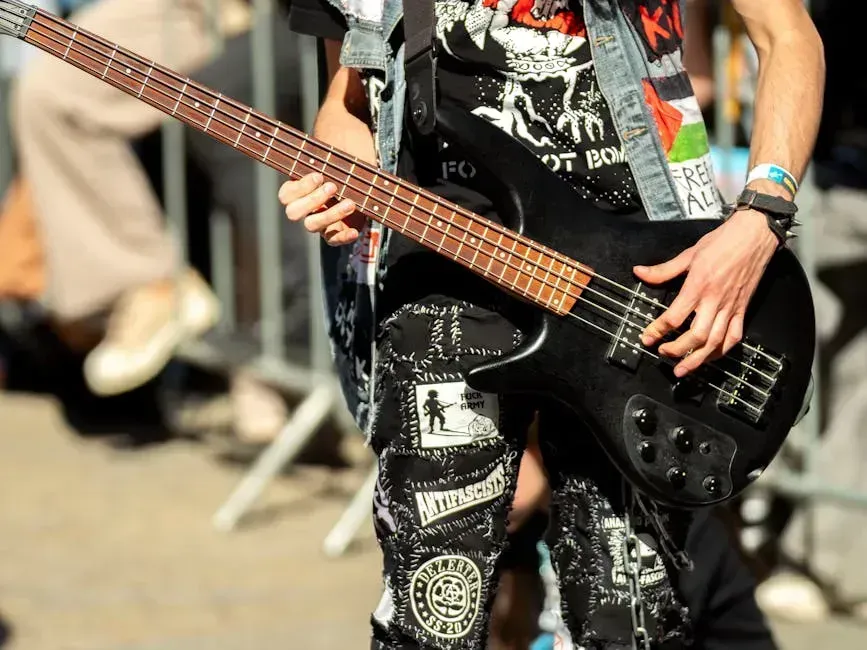
Punk rock is a genre of music that emerged in the mid-1970s. Rooted in 1950s rock and roll and 1960s garage rock, punk bands rejected the overproduction and corporate nature of mainstream rock music. It didn’t arrive from nowhere, though. Punk rock can be traced back to the garage rock of the 1960s, pioneered by musicians with little to no formal training, and characterized by a disregard for established musical rules.
Typically producing short, fast-paced songs with rough stripped-down vocals and instrumentation and an anti-establishment theme, artists embraced a DIY ethic with many bands self-producing and distributing recordings through independent labels. By the mid-1970s, the New York scene around CBGB had crystallized the sound. The Ramones, the Talking Heads, Blondie, and other groups that would become pillars of punk rock history were performing together at legendary clubs like CBGB, developing the sounds and culture that would come to define the genre. Across the Atlantic, British youth channeled economic frustration into the same sound, only louder and angrier.
3. Heavy Metal: Distortion Turned All the Way Up
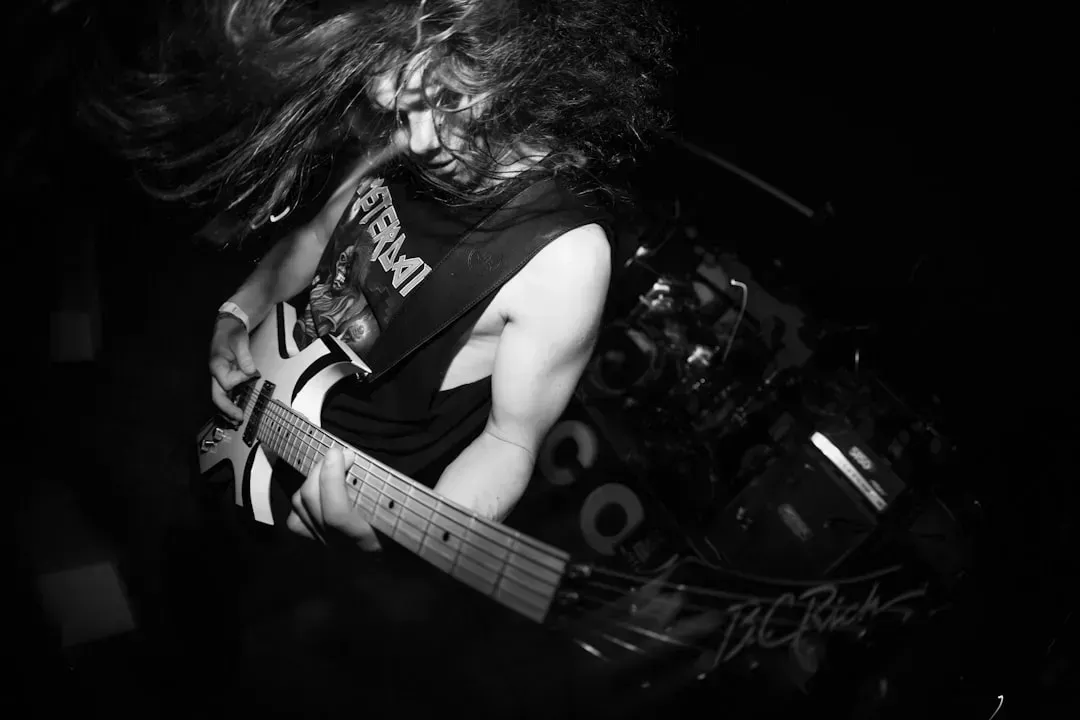
Heavy metal developed out of the harder, more aggressive styles of rock from the 1960s and 1970s, including garage rock, progressive psychedelia, and the gothic character of bands such as Black Sabbath; it became a separate category when bands in the UK and Los Angeles started to have mainstream success. The genre’s garage roots run deeper than most people recognize. MC5, who began as part of the Detroit garage rock scene, developed a raw, distorted style that has been seen as a major influence on the future sound of both heavy metal and later punk music.
Heavy metal music originated from industrial, working class areas of the UK, specifically in the Midlands and northern England, where there were a large number of factories processing actual metal, primarily steel. Bands like Black Sabbath, who grew up surrounded by that industrial noise, took it into their garages and turned it into something entirely new. The album “Black Sabbath” by Black Sabbath, released on 13 February 1970, is often regarded as the first genuine heavy metal album. Everything that followed, from thrash to death metal, traces a line back to those early rehearsals in Birmingham basements and back rooms.
4. Grunge: Seattle’s Wet and Defiant Experiment
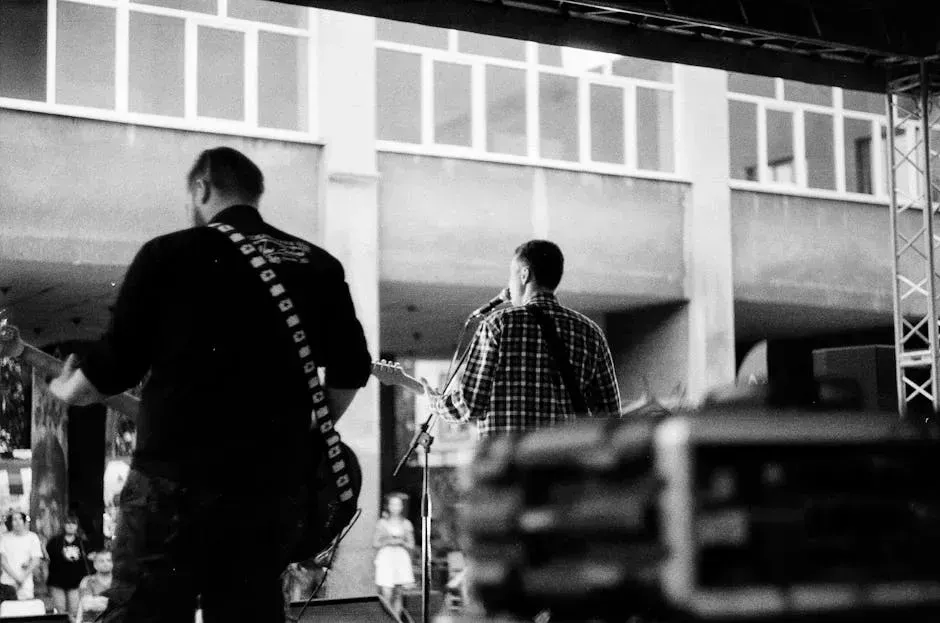
Grunge, originally known as the Seattle Sound, is an alternative rock genre and subculture that emerged during the mid-1980s in the U.S. state of Washington, particularly in Seattle and Olympia, and other nearby cities. The garage and basement were practically inseparable from the genre’s origins. Grunge musician and producer Jack Endino explained its artistic origins as due to the constant rain and excessive dreariness; one would simply go into their basements and garages to take their emotions out in music.
At the time, it was expensive and time-consuming for Northwestern groups who were starting out to get a clean recording sound, so the alternative cheaper option was to leave the sound dirty and turn up the volume. According to writer Catherine Strong, this sound, due to low budgets, unfamiliarity with recording, and a lack of professionalism, may be the origin of the term “grunge.” That accidental aesthetic became the whole point. The early grunge movement revolved around Seattle’s independent record label Sub Pop and the region’s underground music scene, with local bands such as Green River, the Melvins, and Mudhoney playing key roles in the genre’s development.
5. Indie Rock: Independence as Both Method and Philosophy
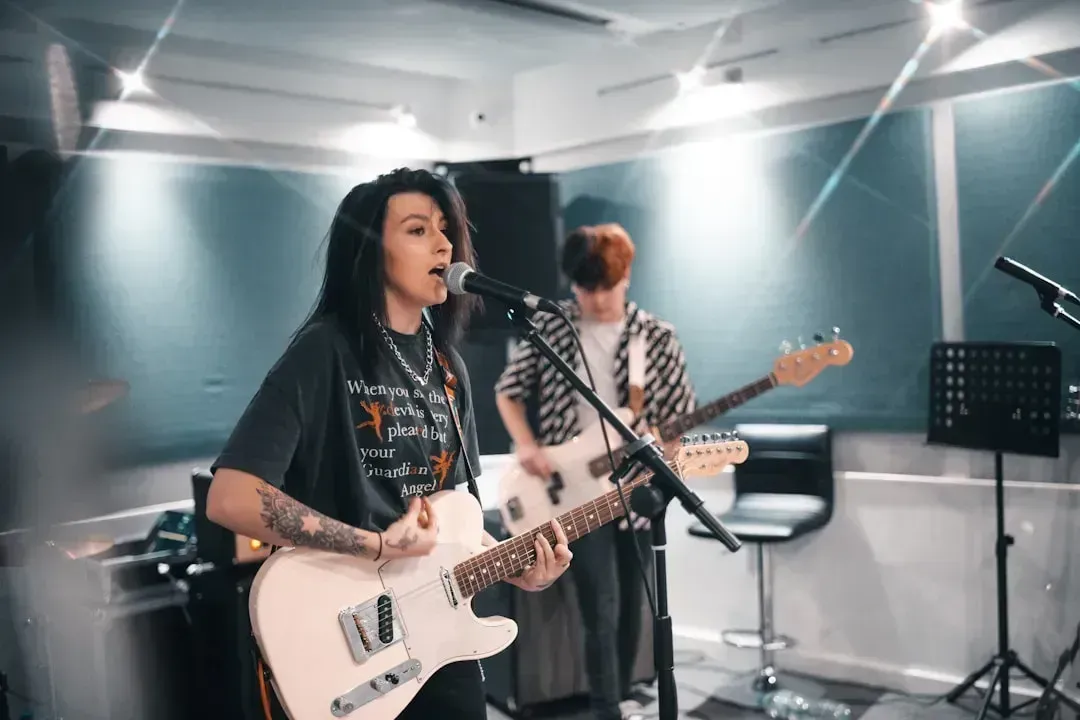
Indie rock took the garage spirit and ran with it from the 1980s through the 2000s. Bands like Pavement and Modest Mouse avoided major labels, recording their music independently, often in garages or makeshift home studios. The genre was never defined by a single sound so much as a shared attitude toward how music gets made. College rock music circulated through independent labels, college radio stations, and clubs in college towns; R.E.M. from Athens, Georgia, was one of the first successful bands to come from this scene.
By the end of the 1990s, many recognizable subgenres, most with their origins in the late 1980s alternative movement, were included under the umbrella of indie. Lo-fi eschewed polished recording techniques for a DIY ethos and was spearheaded by Beck, Sebadoh, and Pavement. What made indie rock distinct was the insistence that the process mattered as much as the product. Western Massachusetts was an important center for independent rock, where bands including Dinosaur Jr. first succeeded; Boston also had an independent rock scene, which produced the Pixies. Garages weren’t a fallback option. For most of these bands, they were a deliberate choice.
6. Skate Punk: Fast Music for Fast Movement
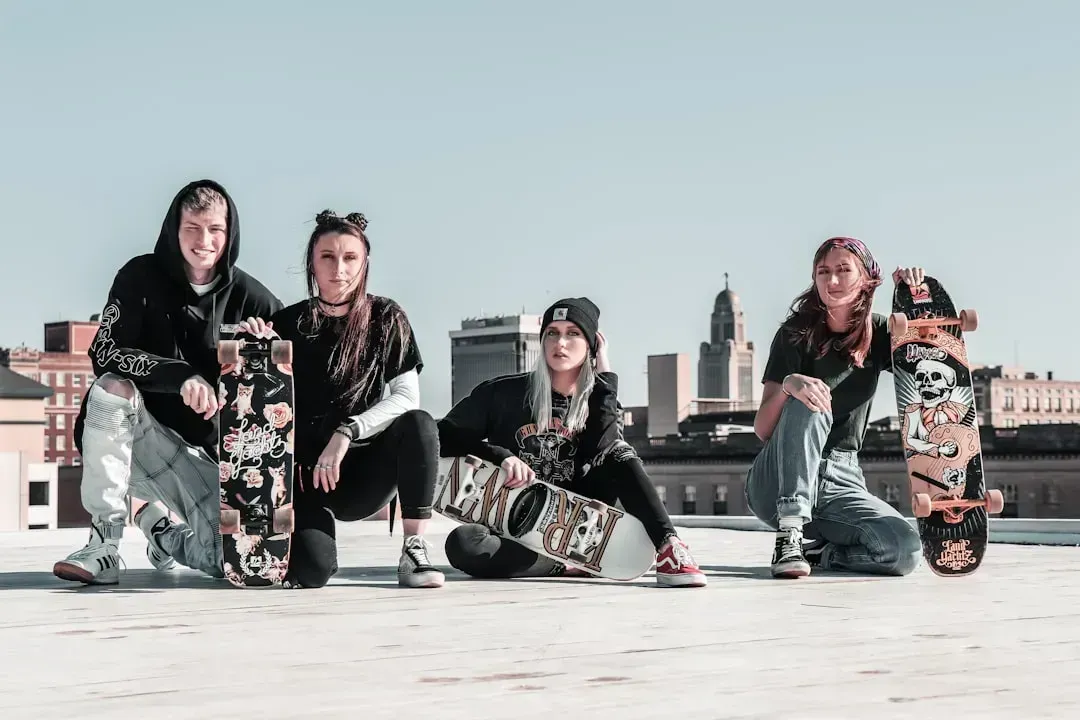
Skate punk burst out of suburban garages in the 1980s and 1990s, fueled by skateboarding culture and a need for speed. Bands like NOFX and The Offspring started out as neighborhood kids, blasting through fast, melodic songs after a day at the skate park. The connection between the sound and the subculture it came from was unusually tight. The genre’s energy matches the adrenaline of skating, and its lyrics often reflect youthful rebellion and outsider pride. Garage rehearsals gave these bands their edge, keeping the music raw and unfiltered.
Skate punk carried the punk DIY tradition forward into a very specific suburban context, where the garage and the driveway were essentially one continuous space. The DIY ethos encouraged fans to start their own bands, create their own fanzines, and fashion their own clothes. This DIY spirit helped democratize music and culture, making it accessible to anyone with a passion and a message. That accessibility is precisely why the genre spread so widely through the 1990s, well beyond skateboarding circles and into mainstream alternative radio.
What connects all six of these genres isn’t just a physical space. It’s the specific freedom that comes from having no one watching, no standards to meet, and no budget to protect. The garage stripped music down to what it actually required: an instrument, some time, and the willingness to make noise. That turns out to be enough to change everything.