There’s a specific kind of discomfort that comes from rewatching an old favorite and suddenly noticing just how many shortcuts the writers were leaning on. What once felt clever or fresh now lands with a dull thud. Tropes are the invisible scaffolding of television storytelling, and for the most part, they’re harmless tools that help move a narrative forward.
While TV show tropes have always been a common occurrence, in past decades shows implemented several tropes and stereotypes about their characters, settings, and even episode formats that time has not been kind to. Some of these conventions aged out of relevance gradually; others feel almost jarring in hindsight. Here are eleven that have become reliable signals that a show belongs to a different era.
1. The Bumbling, Incompetent Husband
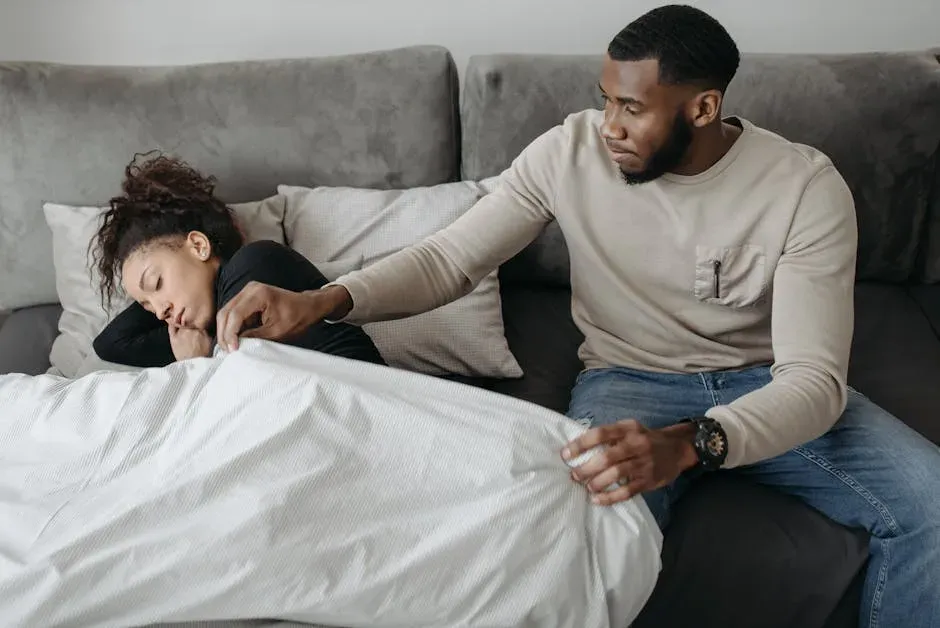
The “hapless husband” gag is hugely prevalent particularly in American TV, namely sitcoms like Modern Family and animated cartoons like The Simpsons, Family Guy, The Cleveland Show, and even The Flintstones, used as a way of generating a cheap laugh. The joke relies on the idea that domestic life is inherently emasculating, and that a husband failing at basic tasks is automatically funny. It isn’t, and it never really was.
“Pete and Gladys” and similar shows explored marital comedy where the humor often hinged on stereotypes about nagging wives and clueless husbands, themes that today’s viewers find cliché and unenlightening. Modern audiences have largely lost patience with the formula. It reduces both the man and the woman in the relationship to cardboard cutouts, and the punchlines feel less like comedy and more like habit.
2. The Token Minority Character
In an attempt to seem relatable to every possible audience member, show producers would try to form a cast of specific ethnicities, genders, and other defining features, with the classic example being a largely white cast with a single or a few token ethnic minority characters. The intention was representation; the result was often the opposite. A character defined entirely by their ethnicity isn’t a character at all.
Raj Koothrappali in The Big Bang Theory fell prey to this trope. Although he frequently joined in on jokes about India, the way the other characters felt it appropriate to mock Raj’s accent and culture was simply lazy comedy, and as the show progressed, Raj’s character became a caricature of a stereotype in a few ways. Audiences watching today tend to notice the hollow construction immediately. The character exists to check a box, not to tell a story.
3. “Bury Your Gays”
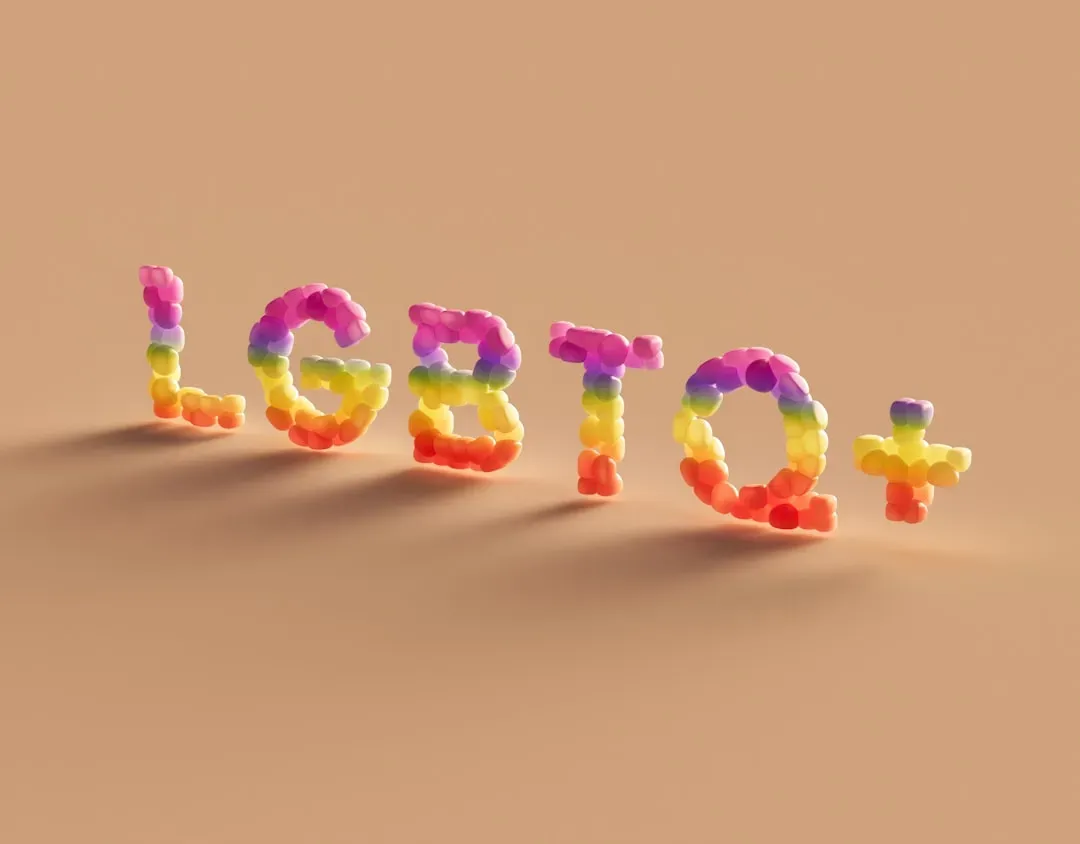
The use of the “bury your gays” trope received significant attention in recent years. LGBTQ+ representation in the media wasn’t always a priority, and plenty of TV shows were guilty of killing off their queer characters. Sadly, this trope was named as such because LGBTQ+ characters were more likely to die. The pattern was so consistent across decades of television that it became its own cultural shorthand for how little value writers placed on queer lives within their narratives.
Tara’s death in Buffy the Vampire Slayer was a heartbreaking moment for Willow, especially as her girlfriend’s end came just after they had reconciled. However, Tara’s demise was also poorly timed. The trope communicates something unintended and damaging: that happy endings are not available to certain characters simply because of who they are. In 2026, audiences are far less willing to accept this as a narrative device.
4. Impossibly Unrealistic Technology Depictions
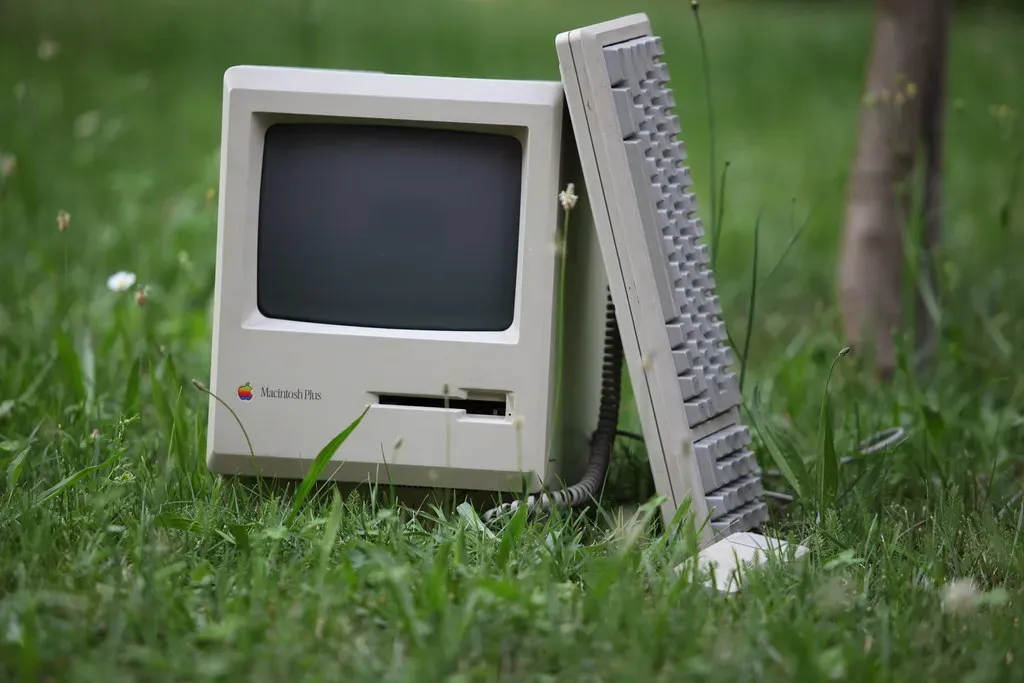
TV shows continually treated computers and surveillance technology like they were borderline magical. Cop shows and other procedurals were usually the guiltiest of this cliché. Enhancing camera footage with no resolution drop is not feasible, and according to TV, hacking is something you can do in minutes flat and never requires the use of a mouse. In the era before widespread internet literacy, audiences largely went along with it. Now, nearly everyone has enough firsthand experience with computers to find these scenes genuinely distracting.
Crime shows like Miami Vice often used outdated technologies like pagers to allow characters to communicate, and digging through records was also a much more common trope years ago. Today, TV police officers wouldn’t be caught dead using tropes like sending faxes, searching through files manually, or typing up reports on typewriters. The mismatch between what shows depict and what viewers know to be true has only grown wider. What was background set dressing is now an unintentional period marker.
5. The Endless Will-They-Won’t-They Delay

Tropes like will-they-won’t-they romances and forced love triangles can weaken a TV show’s quality. The original appeal was tension: two characters who clearly belong together but can’t quite get there. The problem is that writers discovered audiences kept watching as long as the pair stayed apart, so the delay stretched from one season to three, then five, then the entire run of the series. The storytelling instinct curdled into a stalling tactic.
Romantic subplots on TV shows can be some of the most compelling aspects of a beloved series and have worked well in sitcoms like Friends, where Ross and Rachel’s will-they-won’t-they romance was one of the most consistent aspects of the entire series. Still, what Friends managed through genuine character chemistry became a formula that dozens of lesser shows copied without the charm. Today viewers recognize the pattern almost immediately, and their patience for manufactured romantic delay has shortened considerably.
6. The Forced Love Triangle
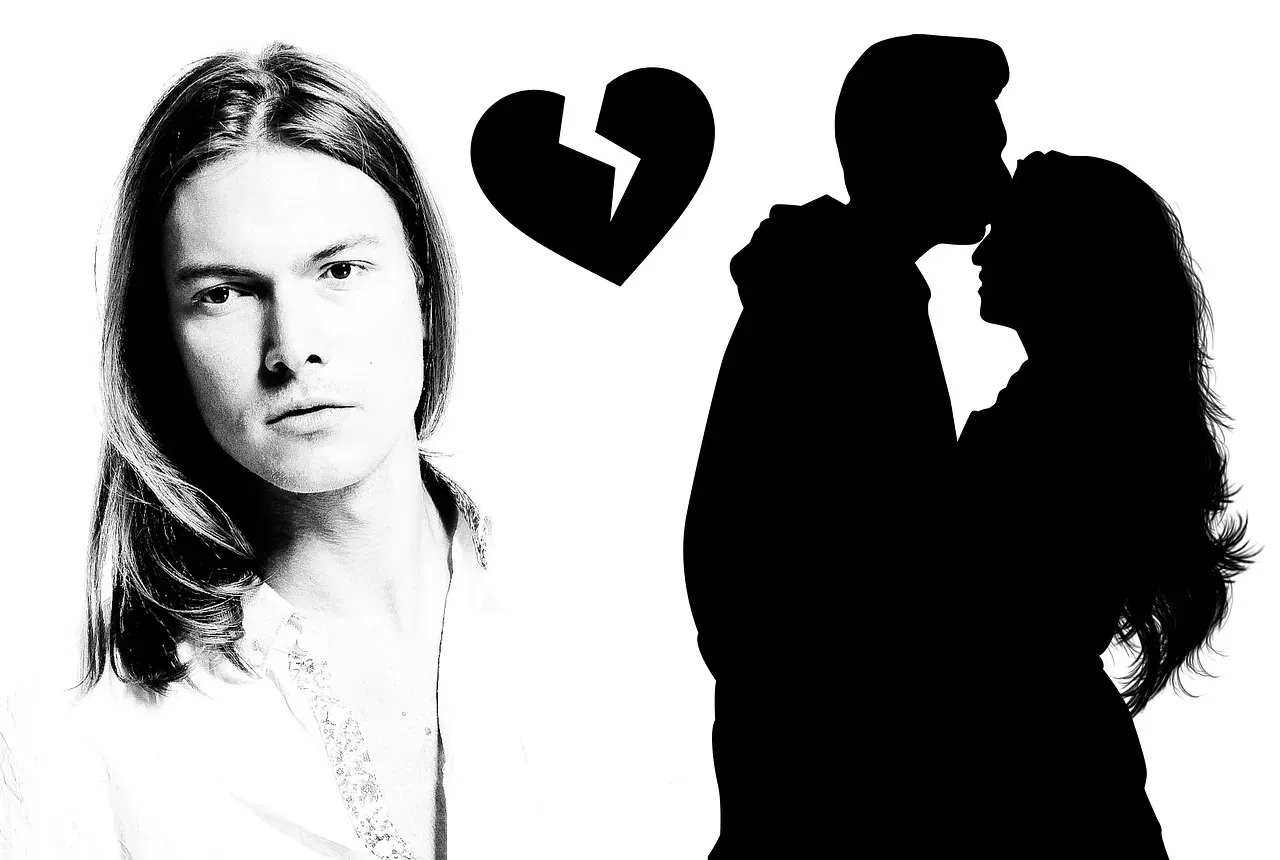
Love triangles are another popular and commonly used trope, seen in so many films and franchises: The Hunger Games, Twilight, InuYasha, Boys Over Flowers, and even dramas like Degrassi. While love triangles can add to the tension and complicate relationships, sometimes they end up complicating the story more than it is worth. When the love triangle exists purely to delay the inevitable pairing, it stops serving the story and starts frustrating viewers who simply want the plot to move.
In Jane the Virgin, not too long after meeting Raphael, Jane ends up falling for him, making her time with Michael seem pointless and worthless. Sometimes she’d lean towards Michael, but her feelings for Raphael didn’t feel comparable to her relationship with him. Especially when it was clear the two were not compatible, the love triangle still ensued for the entirety of the show, making it more of a slog-fest than anything else. Modern audiences have grown particularly sensitive to this kind of drawn-out, low-stakes romantic maneuvering.
7. The Glamorized Womanizer Character
The womanizer character in TV was, more often than not, a man with a player attitude, an obsession with sex, and who had little respect for his partners. The ego that a womanizer possessed made them feel untouchable, so they never hesitated in shamelessly flirting with a woman. For years, this character was framed as charming, aspirational even. Shows built entire comedic engines around him, and audiences were largely expected to find the behavior lovable.
Charlie Harper in Two and a Half Men frequently made misogynistic remarks and treated women as disposable objects. While portrayed as a lovable playboy, today the character’s behavior raises red flags about consent and sexism. Much of the humor relies on outdated and harmful gender dynamics, and modern sitcoms are more likely to challenge this behavior than glorify it. The shift in how audiences receive this character type reflects a broader cultural recalibration, not just a change in taste.
8. The Moral-of-the-Story Speech at the End of Every Episode
Nothing rounds out a TV episode quite as tidily, or some might argue condescendingly, as a summation of what the audience is supposed to have learned from what they just watched. This form of storytelling has been around for quite some time and either features a narrator summing up the message, or a character expressing, either aloud or in an inner monologue, what the episode meant. It’s a technique borrowed from after-school specials, and it treats viewers like they need their emotions labeled for them.
If it wasn’t bad enough that characters hug it out frequently, in the final minutes a character gives a little speech on the moral of the story, spoon-feeding themes to the audience. This trend belittles audiences and feels as though the writers are scared that depicting things like mental health without a rose-colored filter will result in problems. Smart contemporary drama trusts viewers to draw their own conclusions. When a character explains what just happened and what you should feel about it, the illusion collapses almost instantly.
9. The Procedural “Enhance That Image” Moment
Few things date a crime drama faster than the scene where a detective peers at a blurry surveillance photo and instructs a tech analyst to “enhance” it, only to reveal a perfectly crisp image with impossible detail. This sort of thing also manifests as cameras zooming in clumsily on text, focusing on characters’ heads to later reveal their unusual location, or lingering on certain objects for a little too long as a blatant signal to the audience. The visual shorthand was always a stretch, but today it reads as almost comic.
This has become so recognizably obvious that the viewer is no longer being required to do any of the work. A little more respect for the viewer can go a long way. The “enhance” moment is particularly stubborn because it keeps appearing in shows that should know better, as recently as procedurals made in the mid-2020s. Every time it surfaces, it reminds viewers of every time they’ve seen it before, and the accumulated weariness is hard to shake.
10. Villain Monologue as Plot Delivery Device

Villain monologues are almost as old as TV shows themselves. Many TV shows have used this in order to explain the antagonist’s plans, with characters delaying the murder of the hero while explaining the entire evil mastermind plan. It’s a narrative convenience dressed up as character development. The villain becomes a walking exposition dump, pausing the story at its most tense moment to deliver information that couldn’t be threaded naturally through the rest of the script.
This occurred on many DC TV shows such as The Flash and Legends of Tomorrow, with Eobard Thawne explaining his plan to the heroes before attempting to kill them, and luckily their monologue gives the heroes just enough time for backup to arrive. The entire mechanism is circular: the villain speaks too long, the heroes are saved by the delay, and the audience gets a tidy summary they didn’t need. Over the course of time, a trope may be overused, misused, made obsolete, or just end up widely disliked, eventually reaching the point where no writer should dare use it seriously outside of period pieces.
11. The Poorly-Aged “Funny” Stereotype for Foreign Characters

TV shows often depicted foreign characters stereotypically for comic relief, relying on outdated humor for laughs. The formula was straightforward: take a character from another country, exaggerate their accent, assign them a handful of cultural clichés as personality traits, and wait for laughs. It worked, to a point, because mainstream audiences in certain markets didn’t push back. That has changed substantially.
Some episodes featured characters dressing in ethnic-themed costumes and using cultural clichés in parody training montages. These were accused of cultural appropriation and leaning on racial stereotypes, and the characters’ exaggerated accents and faux-cultural wisdom would not be acceptable by today’s standards, as the humor comes at the expense of an entire culture. What’s striking when you watch these moments now isn’t just the insensitivity; it’s how little storytelling work they actually did. Replacing genuine character depth with a running ethnic joke was always a kind of creative failure, even when audiences at the time didn’t call it out as such.
What links nearly all eleven of these tropes is a shared reliance on audience familiarity over genuine craft. They worked, for a time, because they were recognizable. Viewers knew what they were watching and found comfort in the familiar pattern, even when that pattern was lazy or reductive. The trouble is that familiarity fades, and what’s left behind is the underlying assumption the trope was built on.
As society changed, so did the world of TV, for the most part. However, one TV aspect that stuck around was the often boring, irritating, or simply nonsensical tropes that were outdated years after their initial release. Recognizing these conventions doesn’t mean every show that used them is without value. It means the craft of television storytelling has genuinely moved forward, and that’s worth paying attention to.