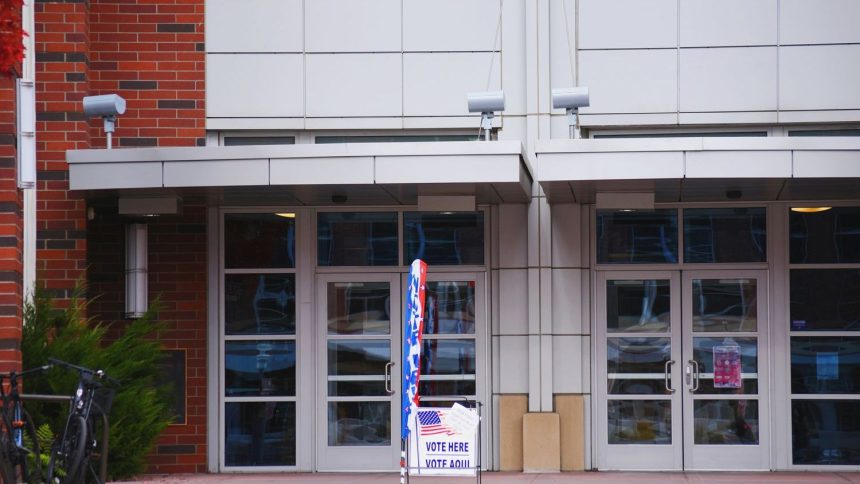
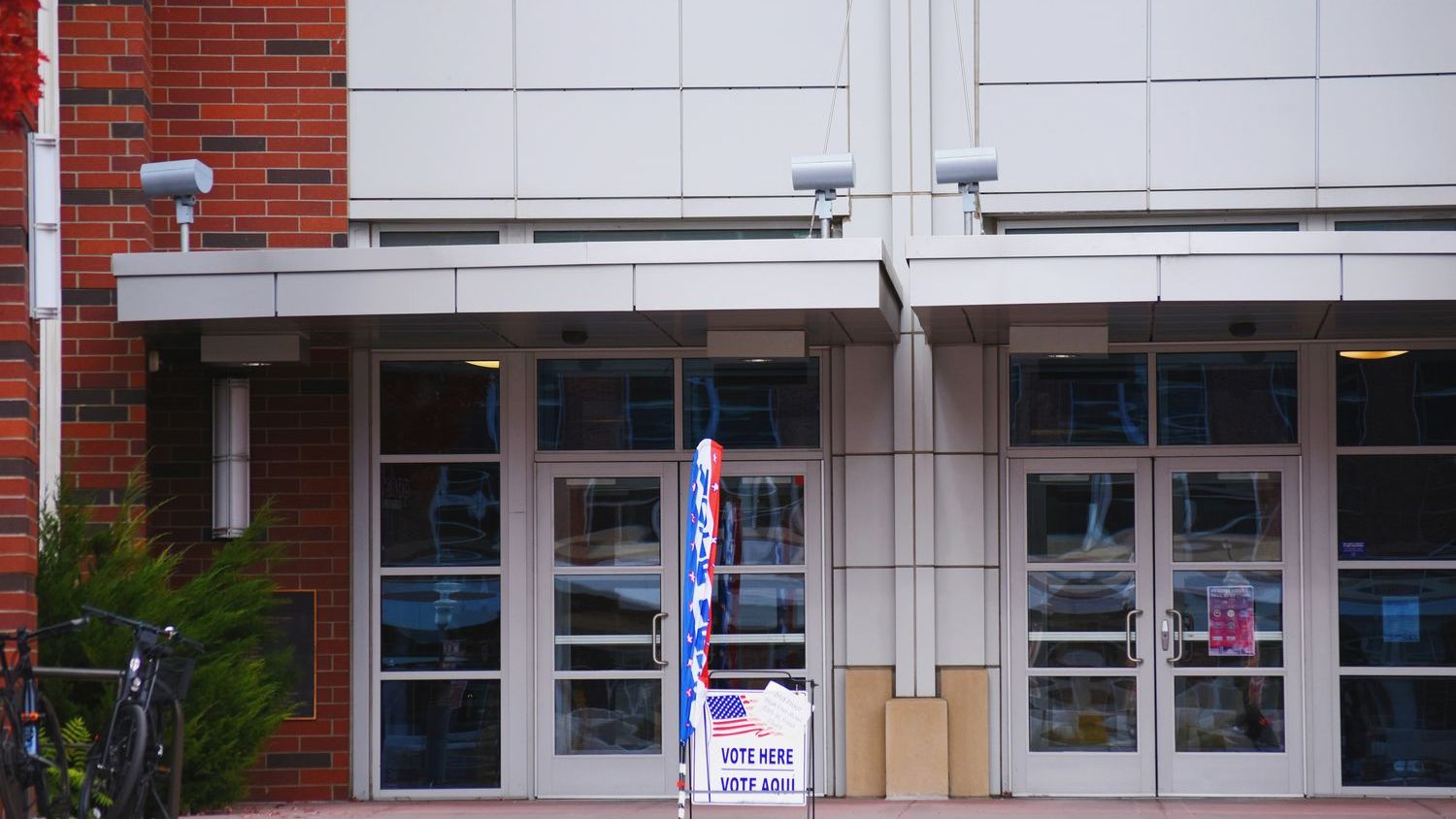
Big business strikes back against new hope for corporate spending ban in Nevada elections – Image for illustrative purposes only (Image credits: Unsplash)
Carson City — A political action committee aligned with Las Vegas business leaders filed a lawsuit last week to derail a ballot initiative that would bar corporations from contributing to state election campaigns. The effort by BizPAC highlights escalating tensions over money’s role in Nevada politics, where corporate funds have long shaped races at every level. Green Party organizers, who launched the petition three weeks earlier, face an uphill battle with limited resources as they gather signatures for the November ballot.
Legal Arguments Target Petition’s Scope and Clarity
The lawsuit, lodged in Carson City District Court, contends that the initiative’s “description of effect” fails to accurately convey its ramifications. BizPAC argues the measure, which prohibits corporations from any political activity not explicitly allowed by law, strays into broader restrictions on business operations. This single-subject violation claim could halt the petition before it advances further.
Margery Hanson, co-chair of the Nevada Green Party and a named defendant, dismissed the suit as a misrepresentation of their goal. “They’re trying to make it into something that it’s not,” she stated. Although Hanson had not yet been formally served as of Monday, she noted a volunteer attorney has stepped forward to assist. BizPAC’s counsel, Matt Griffin, confirmed service efforts were underway.
Self-Funding Emerges as Campaign Strategy
A growing number of Nevada House candidates have turned to personal wealth to fuel their bids, marking a record for self-funding in state races. These contenders often loan money to their campaigns, boosting early fundraising tallies before repaying themselves. Democrats have voiced mixed feelings about the practice, viewing it as both a shortcut and a flaw in the system.
In Nevada’s 2nd Congressional District, Democrat Greg Kidd emerged as the largest self-funder in three decades with multimillion-dollar contributions. “I don’t like this system. … I think it sucks,” Kidd remarked. Rep. Susie Lee recounted her own regrets from self-funding a failed 2016 run. Critics warn this trend reduces candidates’ reliance on voter support and traditional media scrutiny, potentially eroding accountability.
Partner offer
Ad Spending Surges in Attorney General Race
The race for Nevada attorney general has seen a sharp uptick in television advertising, with a PAC backing Treasurer Zach Conine spending over $800,000 by Monday. Senate Majority Leader Nicole Cannizzaro’s campaign trailed at $154,200, though combined efforts from candidates including Douglas County Commissioner Danny Tarkanian pushed total spending past $1.3 million. This flurry underscores the high stakes in the contest.
| Race | Total Ad Spending |
|---|---|
| Attorney General | $1.3 million+ |
| Congressional District 3 | $3.7 million |
| Governor | $7.2 million |
New spots have also appeared in other contests, from Sen. Lisa Krasner’s biographical ad in a Northern Nevada Senate primary to George Harris’s pitch for fuel supply solutions in District 8. North Las Vegas mayoral hopeful Scott Black featured a pair of VW buses, while Clark County Commissioner Jim Gibson highlighted his service record. These investments signal intensifying competition as primary deadlines loom.
Rosen Leads Charge on Immigrant Work Permits
Sen. Jacky Rosen took to the Senate floor last week to challenge a Trump administration rule ending automatic extensions for legal immigrants’ work authorizations. The change has left many facing job losses amid processing backlogs, affecting sectors like agriculture and construction in Nevada. Rosen’s joint resolution sought to reverse it, emphasizing economic ripple effects.
“This is an issue that affects all of us,” Rosen said. “When industries like agriculture and construction lose workers, it impacts our supply chains and prices go up.” The measure fell short at 47-50, with only Sen. Lisa Murkowski joining Democrats in support. Rosen has consistently used floor time to counter Republican policies, though her party’s minority status limits success.
Election Momentum Builds Statewide
Early voting through Nevada’s online system has begun slowly, with 249 ballots cast by Monday among eligible groups like military personnel and Native Americans on reservations. In the 2nd Congressional District, the Democratic field narrowed to nine after two candidates endorsed UNR student Morgan Wadsworth, though they remain on the ballot. Assemblymember Daniele Monroe-Moreno pushed for Nevada to claim the first primary spot nationally.
Key dates ahead include a Democratic fireside chat with Kamala Harris on May 7, an attorney general debate on May 20, and early voting starting May 23. Recent ad buys, such as David Flippo’s $132,000 cable push in Reno, add to the buzz. For businesses and reformers alike, the corporate spending fight carries direct implications for how Nevada voters encounter candidates and issues in the months ahead.
Partner offer
Planning a trip to Vegas?
Compare hotel rates and show tickets on VEGAS.com.