


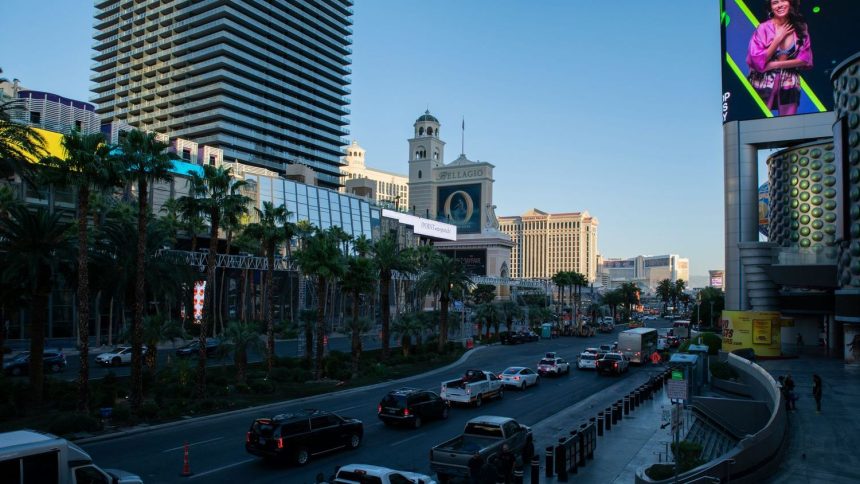

No triple-digits for Las Vegas today… but soon – Image for illustrative purposes only (Image credits: Unsplash)
Las Vegas residents and visitors have a short window to enjoy milder conditions before temperatures climb into the triple digits. The latest outlook confirms that the valley will stay below the 100-degree mark today and tomorrow. After that brief pause, the return of intense desert heat is expected to reshape daily routines across the region.
Why the Shift Matters Now
The timing of this change carries immediate weight for a city built around outdoor activity and tourism. Businesses that rely on comfortable weather for events and attractions will soon adjust operations to account for higher heat stress. Residents, too, face the need to adapt schedules around the rising mercury, particularly those who work or exercise outdoors during peak hours. The development arrives after a period of relatively moderate spring temperatures. This contrast makes the upcoming rise feel more abrupt for many who have grown accustomed to the current pattern. Local officials and health agencies typically monitor such transitions closely because they affect vulnerable populations first.
Timeline and Expected Conditions
Forecasters have narrowed the window to the period immediately following the next two days. Triple-digit readings are projected to settle in across the Las Vegas valley without a long delay. The pattern aligns with typical seasonal progression in the Mojave Desert, where brief cool spells often give way quickly to sustained warmth. No extreme records are indicated in the initial surge. Instead, the focus remains on the steady climb that will push daytime highs well above the century mark. Evening temperatures are also expected to remain elevated, reducing the natural relief that usually arrives after sunset.
Practical Consequences for Residents and Visitors
Daily life in Las Vegas will require adjustments once the heat arrives. Outdoor workers in construction, hospitality, and landscaping will need to shift tasks to cooler hours or increase hydration breaks. Tourists planning hikes, pool time, or walking tours should factor in the added strain on energy and comfort levels. Schools and public facilities often review their heat protocols during these periods. Transportation systems may see minor impacts from expanded use of air conditioning on buses and trains. The changes remain manageable with advance planning, yet they underscore how quickly conditions can evolve in the desert.
What matters now is recognizing the short preparation window before sustained triple-digit readings take hold.
The brief cooldown offers a final opportunity to restock supplies and review safety measures. Once the heat settles in, the emphasis will shift to endurance through the warmer stretch ahead.


![[OC] Cloudmaxxing - Chicago, IL](https://las-vegas-news.com/wp-content/uploads/2026/05/1778171590900_photo-1477959858617-67f85cf4f1df-150x150.jpeg)


![[OC] Cloudmaxxing - Chicago, IL](https://las-vegas-news.com/wp-content/uploads/2026/05/1778171368399_photo-1636753260398-c0ce9f1268fa-150x150.jpeg)
