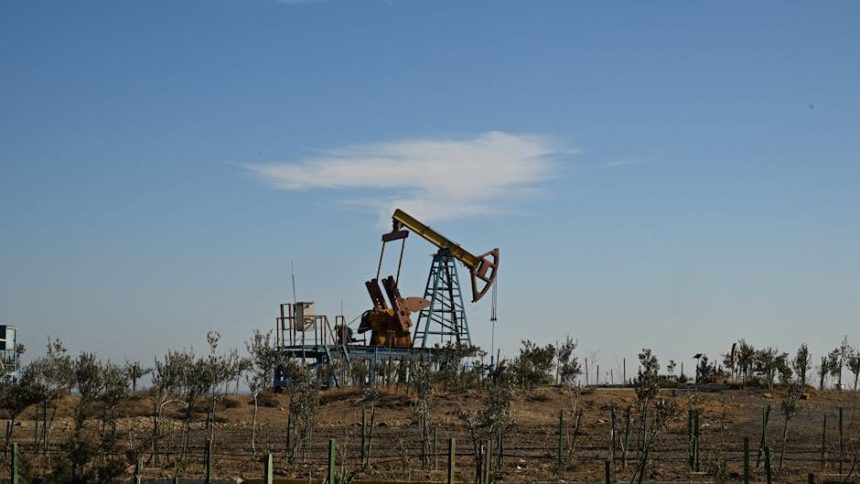
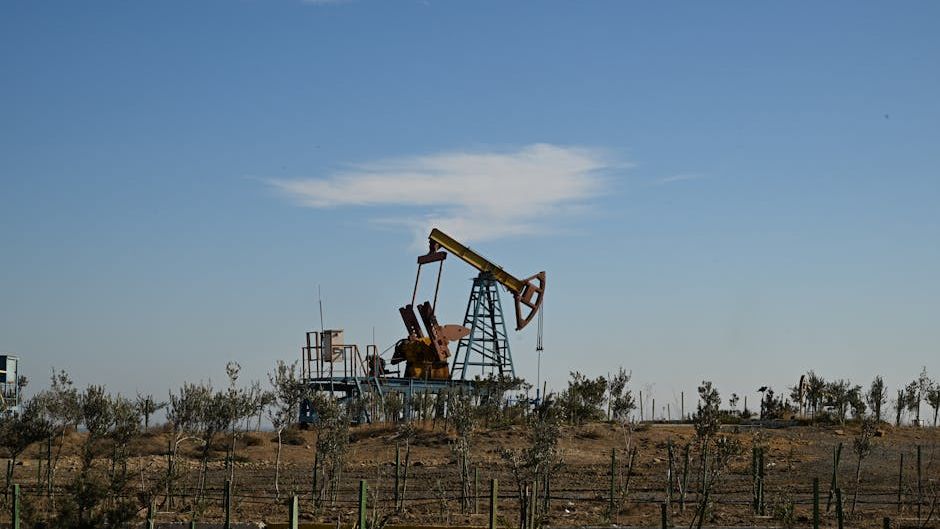
High Energy Prices Are Good for Algeria but Bad for Algerians – Image for illustrative purposes only (Image credits: Pexels)
Global oil and natural gas prices have climbed sharply in recent months following the escalation of conflict involving Iran. Algeria, a major exporter of both commodities, has recorded stronger state revenues as a direct result. Yet the additional income has not produced visible improvements in living standards or public services for most residents.
The country’s economy remains tightly linked to hydrocarbon exports, which account for the bulk of government funding. This structure creates a clear separation between national balance sheets and household realities. Policymakers now face the task of managing windfall gains without allowing them to ease everyday pressures on citizens.
Global Market Shifts and Algeria’s Export Position
Price increases began after supply concerns intensified in the Middle East. Algeria’s production levels have stayed steady, allowing the country to capture higher returns on existing output. Export contracts signed earlier in the year now deliver larger payments to state-owned energy firms.
These inflows arrive at a time when many other economies are absorbing higher import costs. Algeria’s position as a net exporter therefore creates an immediate fiscal advantage. Officials have noted that the timing helps offset earlier shortfalls in non-energy sectors.
Still, the gains depend entirely on continued international demand and stable production. Any reversal in global prices would quickly reduce the current surplus. This dependence leaves long-term planning vulnerable to external events beyond national control.
Fiscal Gains for the State
Higher energy receipts have improved Algeria’s budget balance and reduced the need for external borrowing. The government can now allocate more resources to infrastructure projects and debt servicing without immediate strain. Foreign reserves have also strengthened, providing a buffer against future volatility.
Partner offer
State energy companies report improved cash flow, which supports ongoing investment in exploration and maintenance. These developments strengthen the country’s negotiating position with international partners. The overall effect is a more secure fiscal foundation for the coming fiscal year.
State finances show clear improvement from elevated export prices, while household purchasing power has not increased in parallel.
Why Households Feel Limited Effects
Domestic energy prices remain regulated and do not automatically rise with global benchmarks. Subsidies absorb much of the potential pass-through, keeping fuel and electricity costs stable for consumers. As a result, the revenue surge stays concentrated within government accounts rather than circulating through the wider economy.
Inflation in food and imported goods has continued to affect family budgets. Wage growth in the private sector has not kept pace with these pressures. Many residents therefore experience the same cost-of-living challenges that existed before the price spike.
Public spending priorities have focused on large-scale projects rather than direct transfers or expanded social programs. This approach delivers long-term assets but leaves immediate needs unaddressed for lower-income groups. The gap between national accounts and personal finances persists.
Looking Ahead for Policy Choices
Authorities must decide how to channel the additional revenue into measures that reach ordinary citizens. Options include targeted support for vulnerable households or gradual adjustments to subsidy systems. Each path carries trade-offs between short-term relief and fiscal sustainability.
International observers continue to monitor whether the current surplus will translate into broader economic diversification. Without structural changes, future price cycles could repeat the same pattern of state-level gains and limited public benefit. The coming months will reveal how these revenues are ultimately deployed.
Partner offer
Planning a trip to Vegas?
Compare hotel rates and show tickets on VEGAS.com.