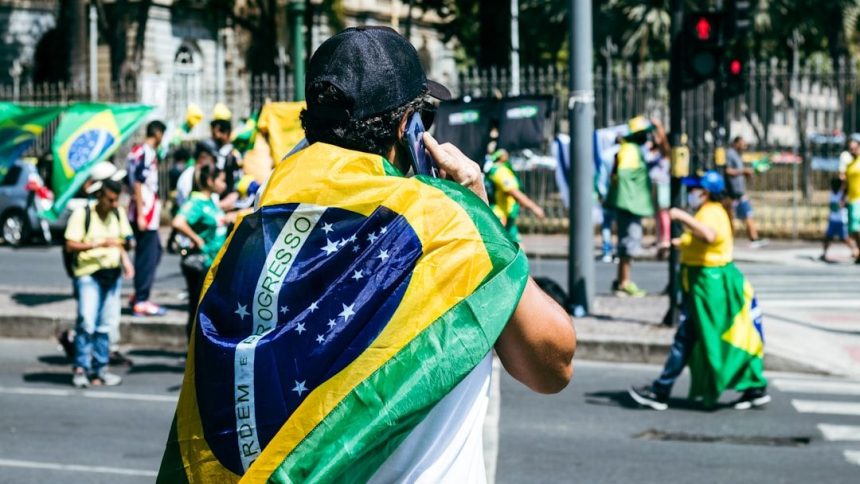

On the Radar: Brazil’s Anti-Crime Push, an Arrest in Honduras, and Colombia’s Total Peace Gamble – Image for illustrative purposes only (Image credits: Unsplash)
Environmental defenders across Latin America continue to confront lethal threats when they challenge entrenched interests tied to corruption and illegal economies. The recent arrest of a former Honduran mayor in connection with one such killing illustrates the personal stakes involved. At the same time, Brazil has introduced a multibillion-dollar national strategy to disrupt organized crime networks, while Colombia’s government faces pushback on its efforts to negotiate with armed groups ahead of elections.
Brazil Directs Funds to State Security Forces
President Luiz Inácio Lula da Silva announced a comprehensive plan that allocates roughly $2 billion to bolster police and investigative units at the state level. Additional hundreds of millions will support federal operations focused on financial tracking and prison management. The initiative targets the dismantling of criminal revenue streams, improved prison controls, higher murder clearance rates, and reduced arms trafficking. State governments hold primary responsibility for public security under Brazil’s constitution, which restricts federal intervention without explicit local approval. This division creates practical barriers for nationwide reforms, even as federal resources flow to support local efforts. Officials expect the funding to produce measurable gains in investigations and prosecutions over the coming years, though coordination challenges remain central to implementation.
Honduran Arrest Links Politics to Activist Murder
Former Tocoa mayor Adán Fúnez was taken into custody over his alleged role in the 2024 killing of environmental activist Juan Antonio López. López had gained attention for opposing mining and other extractive projects he described as secured through irregular approvals and political favoritism. Prior to the murder, he had publicly demanded Fúnez step down after reports surfaced linking local officials and suspected traffickers to campaign financing discussions. The case reflects broader patterns in parts of Central America where criminal networks, elected leaders, and economic projects intersect. Activists who document these overlaps often face direct retaliation, limiting public scrutiny of development deals. Prosecutors continue to build the case against Fúnez while monitoring related inquiries into the financing allegations.
Colombia Rejects Warrant Suspensions for Gulf Clan Leaders
The High Commissioner for Peace sought to pause arrest orders for senior figures in the Gaitanist Self-Defense Forces of Colombia, known as the Gulf Clan, as part of President Gustavo Petro’s Total Peace initiative. The strategy seeks reduced violence through talks with armed and criminal organizations before next year’s elections. Prosecutors declined the request, stating they require concrete evidence of progress before altering legal measures. The decision highlights ongoing friction within the government approach. Critics note the inconsistency of easing pressure on figures such as Jobanis de Jesús Ávila Villadiego, alias “Chiquito Malo,” while U.S. authorities pursue separate extradition cases. Negotiators must now demonstrate tangible reductions in violence to advance the process without further legal setbacks.
Regional Patterns Point to Shared Challenges
These three developments reveal recurring obstacles in efforts to curb organized crime and protect civic space. Funding alone cannot overcome structural limits on federal authority, while arrests tied to activist deaths expose the human costs of unchecked corruption. Negotiations with criminal groups require clear benchmarks to maintain public and institutional support. Stakeholders ranging from local communities to international partners will watch for concrete outcomes in the months ahead. Progress on any front depends on sustained coordination across political, legal, and security institutions.