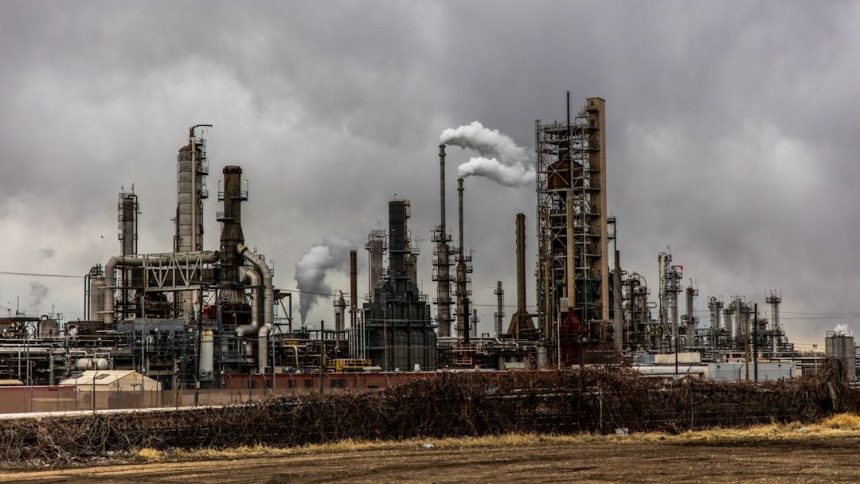
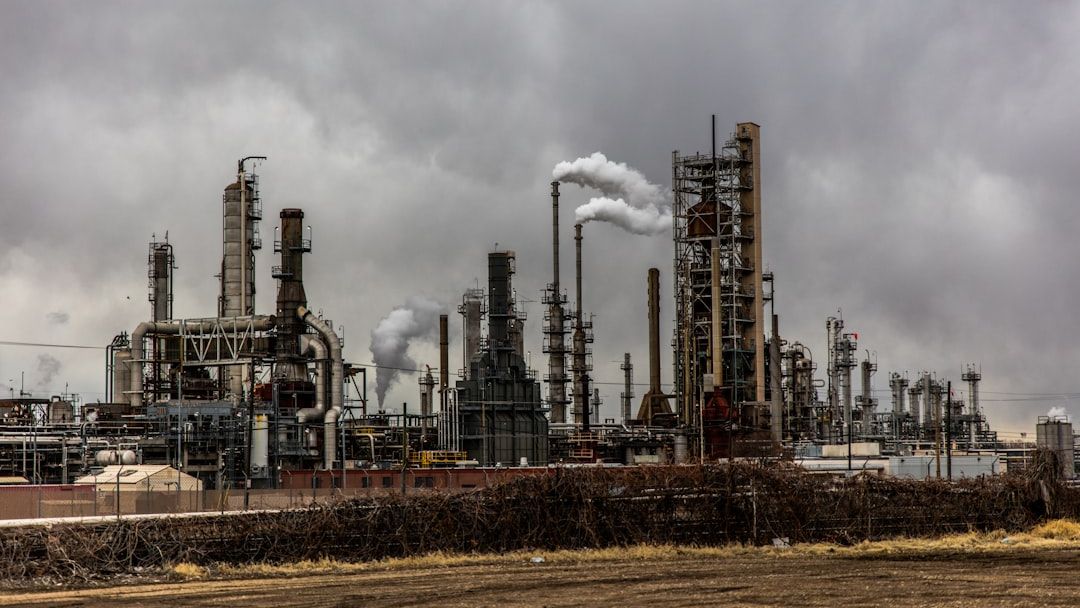
Platner’s Energy Plan Prioritizes Lowering Costs and Taking on Big Oil and the ‘Oligarchy’ – Image for illustrative purposes only (Image credits: Unsplash)
Graham Platner has placed energy affordability at the center of his campaign for the U.S. Senate seat in Maine. The presumptive Democratic nominee has outlined a plan that seeks to lower household costs while holding large fossil fuel companies responsible for past profits tied to environmental damage. His approach reflects a broader effort to shift economic power away from concentrated corporate interests.
From Military Service to Political Contender
Platner brings a distinctive background to the race. A Marine Corps veteran and oyster farmer, he enters the contest with limited prior experience in elected office. Supporters often highlight this outsider profile as an asset in a state where many voters express frustration with traditional political insiders.
His public persona also includes a record of outspoken online commentary and visible tattoos that have drawn attention during the campaign. These elements have shaped how both allies and critics view his candidacy, yet they have not altered his focus on economic issues that directly affect daily life in Maine.
Key Priorities in the Energy Platform
Reducing energy expenses for residents stands as the leading objective in Platner’s proposal. He has argued that Mainers should not bear the full burden of rising costs in a sector dominated by large corporations. The plan pairs this goal with calls for stronger financial penalties on companies that have benefited from fossil fuel production.
Partner offer
Platner has described his intent to impose substantial taxes on those firms, framing the revenue as a means to address long-term environmental consequences. This dual emphasis on immediate relief and corporate accountability distinguishes his position from more incremental approaches often seen in energy policy debates.
Alignment With a Populist Economic Message
Throughout the campaign, Platner has presented his energy ideas as part of a consistent effort to reclaim influence from wealthy and powerful entities. Observers have noted similarities to the style of other progressive figures who stress structural change over modest adjustments.
The candidate’s limited political experience has allowed him to position himself as someone less tied to established interests. This framing resonates with voters who see energy costs and corporate influence as interconnected challenges that require direct confrontation rather than gradual negotiation.
What Matters Now
Platner’s energy outline arrives at a moment when household budgets in Maine face ongoing pressure from fuel and utility prices. The proposal’s emphasis on both cost reduction and corporate taxation offers voters a clear contrast in how candidates approach these intertwined issues.
As the campaign advances, the practical effects of these positions will depend on legislative outcomes and market responses. Platner’s background and stated priorities continue to define the contours of the race, particularly for those weighing affordability against accountability in energy policy.
Partner offer
Planning a trip to Vegas?
Compare hotel rates and show tickets on VEGAS.com.