
For most working musicians, the math is brutally simple: studio time costs money, instruments need maintenance, touring is unpredictable, and rent in cities like New York, London, or Sydney doesn’t care about any of that. Countries across Southeast Asia, Eastern Europe, and Latin America offer living costs roughly seventy to eighty percent below those of Western nations, allowing people to stretch their money further while enjoying an enhanced quality of life. That gap changes everything for an artist trying to focus on creative work rather than a second or third side job.
The nine destinations below aren’t just cheap. They offer real infrastructure for musicians: internet fast enough to collaborate remotely, communities where creative people gather, and in many cases, active live music scenes. The balance of affordability and livability is what makes them genuinely worth considering.
1. Vietnam
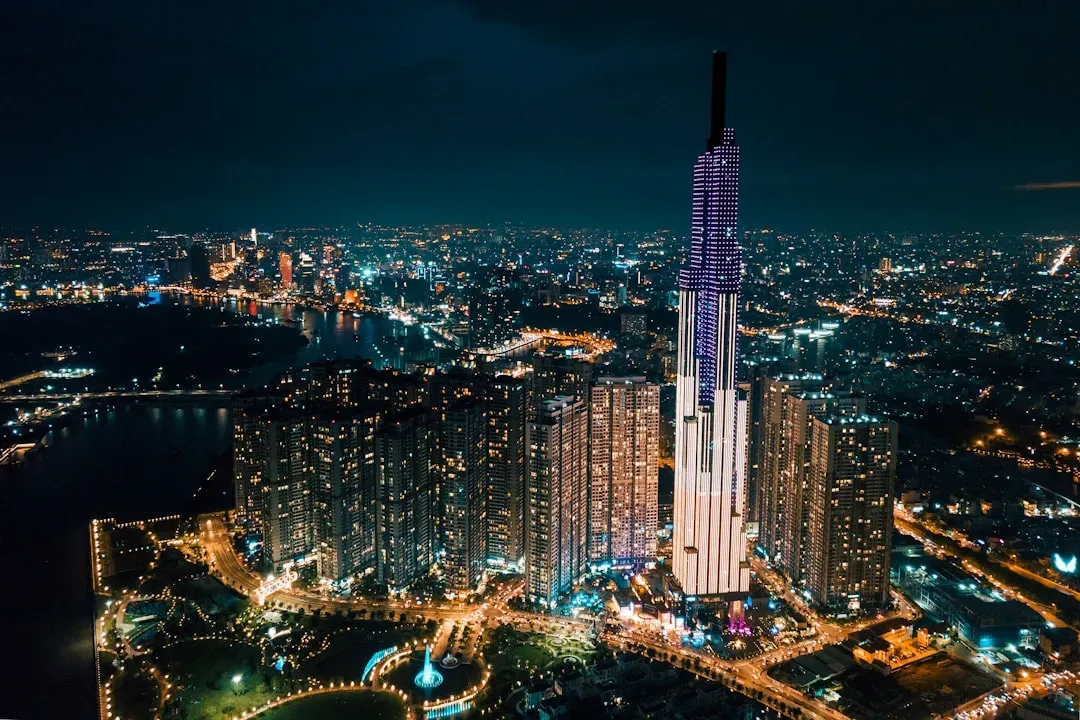
According to the InterNations Expat Insider 2025, Vietnam ranked first in the Personal Finance Index for the fifth year in a row, with nearly nine out of ten respondents pleased with the cost of living and a similarly high share reporting that their disposable income was enough for a comfortable life. Cities like Ho Chi Minh City and Hanoi serve as major expat hubs, with average housing costs ranging from roughly $250 to $400 per month, while street food is abundant and costs well under $2 per meal.
One-bedroom apartments outside city centers in Ho Chi Minh City go for roughly $381 to $600 per month, and the country’s reliable internet and business-friendly environment attract digital nomads and remote workers from around the world. The major cities of Da Nang, Hanoi, and Ho Chi Minh City all have active communities that organize networking events and professional meetups. For a musician who records and collaborates online, that infrastructure matters nearly as much as the rent.
2. Thailand
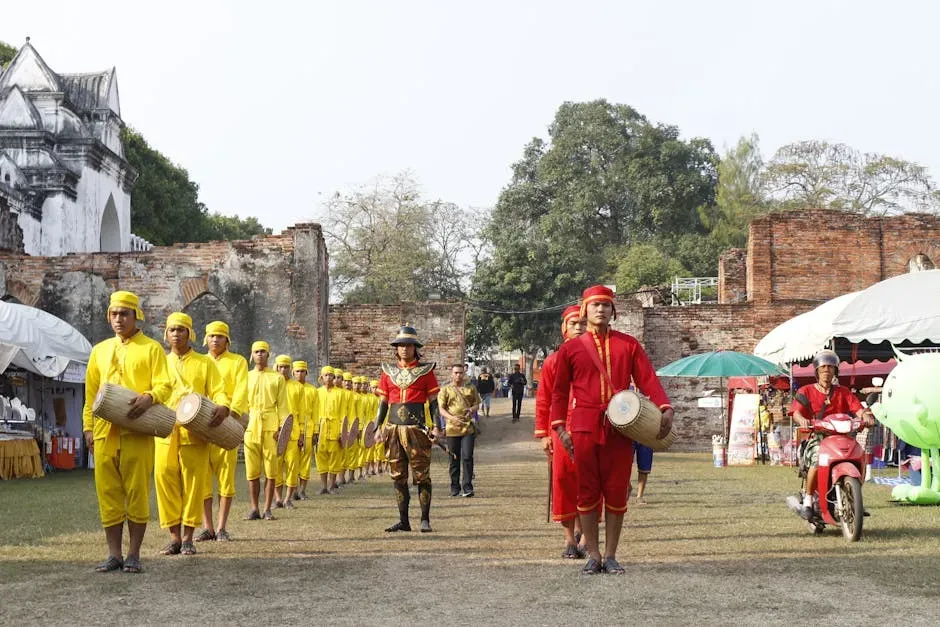
Living comfortably in Thailand costs roughly $800 to $1,200 per month. Living in Chiang Mai, one of the country’s most popular expat bases, costs about thirty to fifty percent less than Bangkok, while offering a more relaxed, community-focused pace of life. For a musician who doesn’t need the buzz of a capital city, that difference alone can free up a significant chunk of a monthly budget for gear or recording.
Thailand’s music festival scene is expanding rapidly, with events ranging from intimate jazz evenings to major international productions. Tomorrowland Thailand 2026 is officially confirmed for Chonburi, marking the first time this legendary festival has touched down in Southeast Asia. The local live scene combined with that kind of international attention makes Thailand an increasingly credible base for working musicians, not just a cheap place to sit out a slow touring year.
3. Mexico
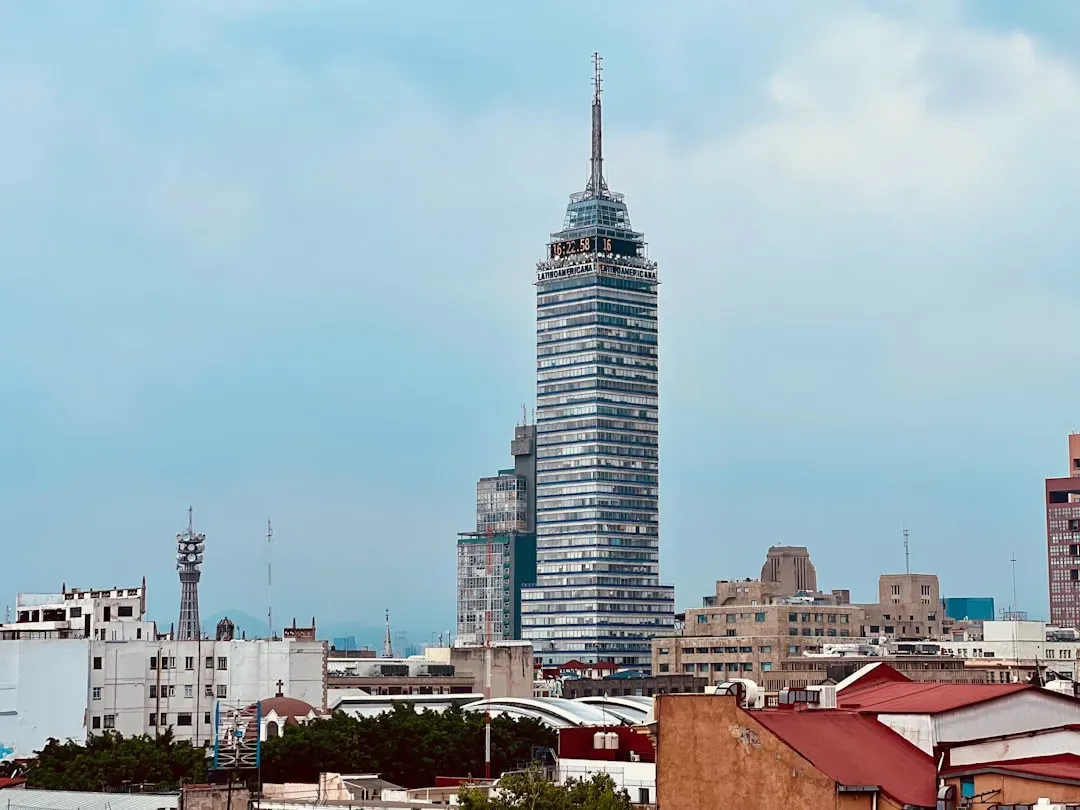
Mexico continues to hold a position as a country with a moderate cost of living at around $800 to $1,000 per month, roughly half the average cost of living in major U.S. cities such as New York or Los Angeles, with rent starting at around $300 and a restaurant meal costing between $3 and $5. The InterNations Expat Insider 2025 ranked Mexico first in Ease of Settling In, with strong results for culture, welcome, finding friends, and local friendliness.
Latin America has become a serious destination on the touring circuit, with major artists like Kendrick Lamar routing through Mexico, Colombia, Brazil, Argentina, and Chile, while acts like St. Vincent have folded Mexico City into world tour stops, and younger crossover acts are now treating the circuit as an essential anchor of their global strategy. A musician based in Mexico City sits right at the center of that growing circuit, with the creative scene and cost structure to support it.
4. Colombia

Colombia ranked second overall in the InterNations Expat Insider 2025, excelling in personal finance and social integration, though the experience can vary depending on safety considerations and location. Medellín in particular has become a well-established destination for creative professionals, with a temperate climate year-round, a thriving independent music scene, and monthly living costs that many musicians put comfortably below $1,000. Colombia is consistently listed among the cheapest countries for comfortable long-term living in the Americas.
The country’s music culture is genuinely deep, spanning everything from cumbia and vallenato to reggaeton and experimental electronica. International artists have taken notice, with Colombia now appearing regularly on major touring routes alongside Mexico and Brazil. For a musician who wants immersion in a rich musical tradition alongside a low cost of living, it’s a combination that’s hard to beat elsewhere in Latin America.
5. Georgia (Tbilisi)

Tbilisi’s techno venues like Bassiani and Khidi host hundreds or even up to a thousand clubbers in a single night, while smaller clubs like Mtkvarze and TES hum with energy across genres including industrial techno, acid techno, disco house, psytrance, and jungle – and the city’s golden age of electronic music is broadly considered to be happening right now. For ten years, the Tbilisi Open Air festival has been the biggest open-air music festival in the Caucasus region, with a mission to promote freedom and equality through electronic and rock music.
International musicians have found a genuine home in Tbilisi’s scene. Iranian musician Farhan Rahmati, for example, settled into the city’s music community and built a band that has collaborated with artists from the United States, Russia, Armenia, Scotland, Italy, and Senegal. Georgia is included among the cheapest countries for affordable living in Europe. Monthly costs in Tbilisi run well below those of most European capitals, and the city’s creative credibility has grown steadily, making it one of the more surprising and rewarding options on this list.
6. Portugal
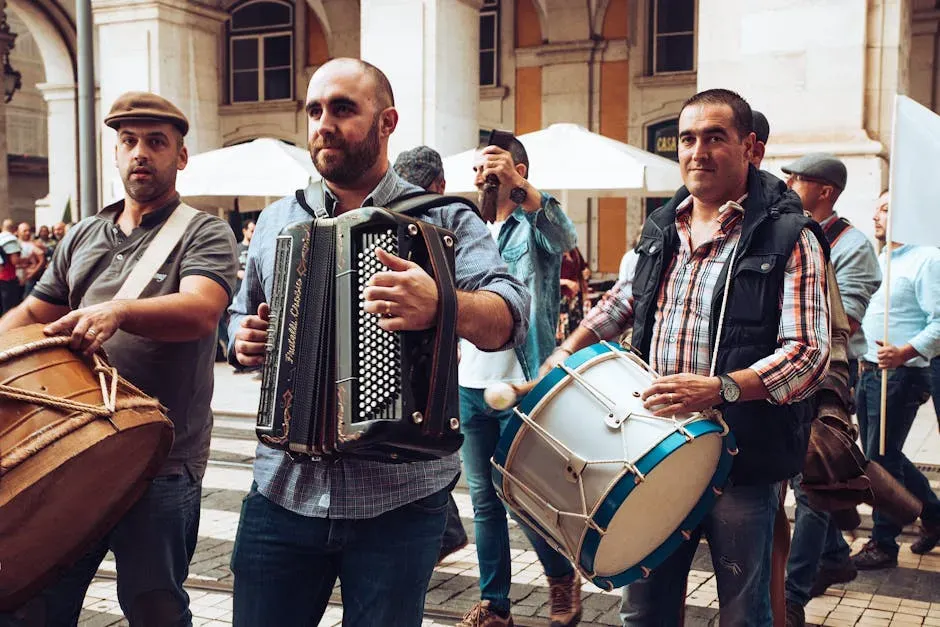
Portugal’s mild climate and vibrant culture are complemented by affordable costs, with a single person’s average monthly expenses around $1,200 including rent in smaller cities like Braga. Transportation is affordable at roughly $1.50 to $2 per trip, and the country offers an attractive balance of comfort, safety, and accessibility that explains its continued popularity among expats from around the world.
For musicians who want EU Schengen access, a vibrant live scene, and long-term citizenship potential, Portugal is the answer most specialists give first. Lisbon and Porto both have deeply rooted music cultures spanning fado, jazz, and contemporary electronic scenes. The country’s position within the Schengen zone also gives resident musicians practical freedom to tour across mainland Europe without additional visa friction.
7. Malaysia

Malaysia offers modern infrastructure and a high standard of living for less, with affordable rentals in Kuala Lumpur ranging from roughly $400 to $700 per month and low transportation costs making it an attractive option. English is widely used in professional and creative contexts, which removes a meaningful barrier for international musicians trying to build local connections. The cost of running a home studio, buying gear locally, or hiring session players tends to be substantially lower than in Western markets.
Malaysia’s My Second Home residency program is one of the lowest-cost formal visa options available to long-term expats in the region. Kuala Lumpur has a growing independent music scene that crosses genres from hip-hop to jazz and electronic production, and the city’s connectivity to the wider Southeast Asian touring circuit is a practical advantage for any artist thinking regionally about their career.
8. Bulgaria
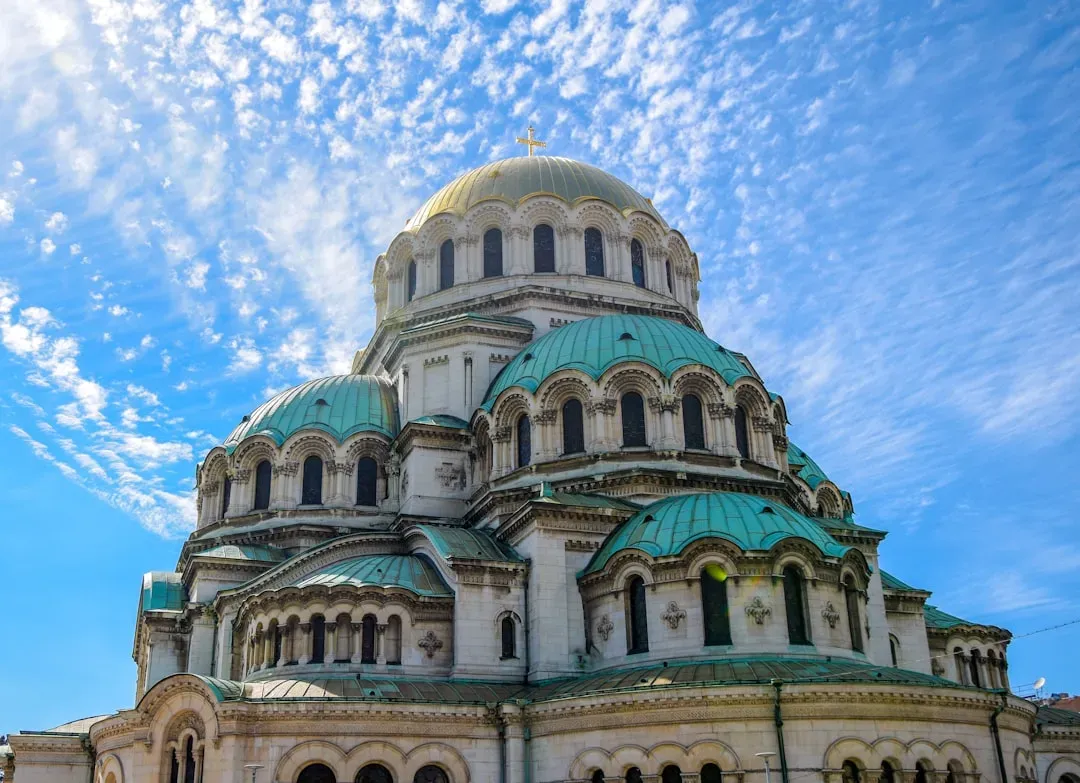
Bulgaria is listed among the most affordable countries for long-term living in Europe. Sofia, the capital, offers one-bedroom apartments at prices that consistently rank among the lowest in the European Union, and the country uses its own currency, keeping costs relatively insulated from Eurozone pressures. Healthcare, groceries, and utilities are proportionally cheap compared to Western Europe, which makes a modest creative income stretch much further. For a producer or composer who earns in euros or dollars while spending in local currency, the financial math is genuinely favorable.
Bulgaria’s music scene is less internationally prominent than some others on this list, but that relative quietness can work in a musician’s favor. Studio time is affordable, creative communities exist particularly in Sofia’s arts districts, and proximity to Greece, Serbia, and Romania means touring options in the broader Balkan region are accessible. It’s a base that rewards self-motivation more than it hands you a ready-made scene.
9. Indonesia (Beyond Bali)
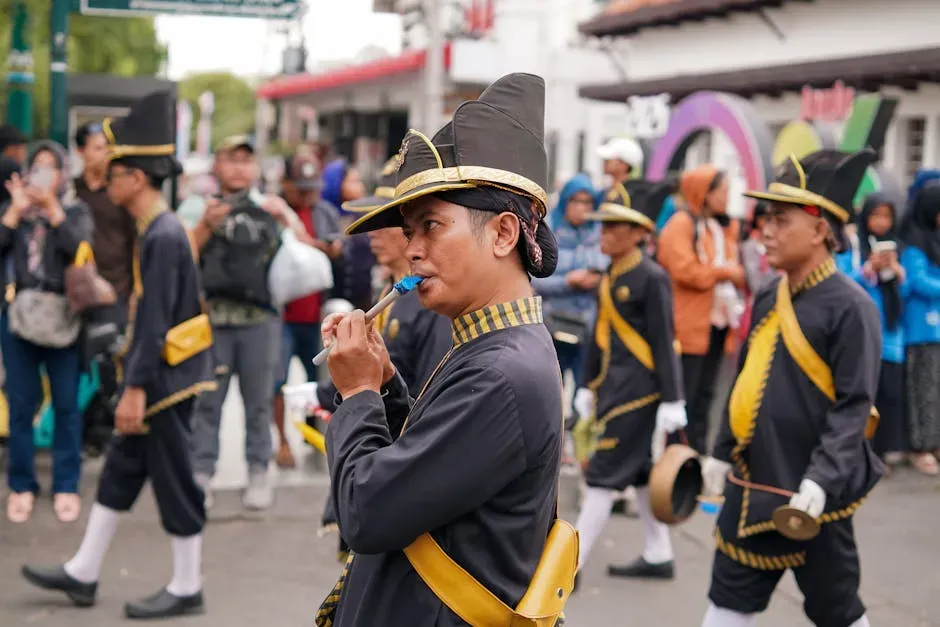
Indonesia, outside of the tourist-heavy areas of Bali, is among the cheapest countries in Asia for comfortable long-term living. Bali itself has established coworking hubs and relatively low living costs outside of tourist areas, but cities like Yogyakarta and Bandung offer even lower price points alongside active local music scenes. Monthly costs for a modest but comfortable lifestyle in these cities can sit well under $700, including rent, food, and utilities.
Indonesia has a vast and genuinely diverse music culture, from traditional gamelan to a contemporary indie rock and electronic scene with real regional momentum. In 2025 and into 2026, many countries in the region continue to offer low costs of living, reliable internet, vibrant communities, and great lifestyles for those working remotely or building independent careers. For a musician willing to settle somewhere less mapped by the standard expat trail, Indonesia’s less-visited cities offer creative possibility alongside some of the most affordable daily living in the world.
The common thread across all nine of these countries isn’t just that things cost less. It’s that each one offers something real for a musician to work with: scenes to plug into, communities with genuine creative energy, and a cost structure that doesn’t constantly demand compromise between making rent and making music. The decision of where to go ultimately comes down to which kind of environment sharpens your work. Cost buys you time. What you do with that time is still yours to figure out.