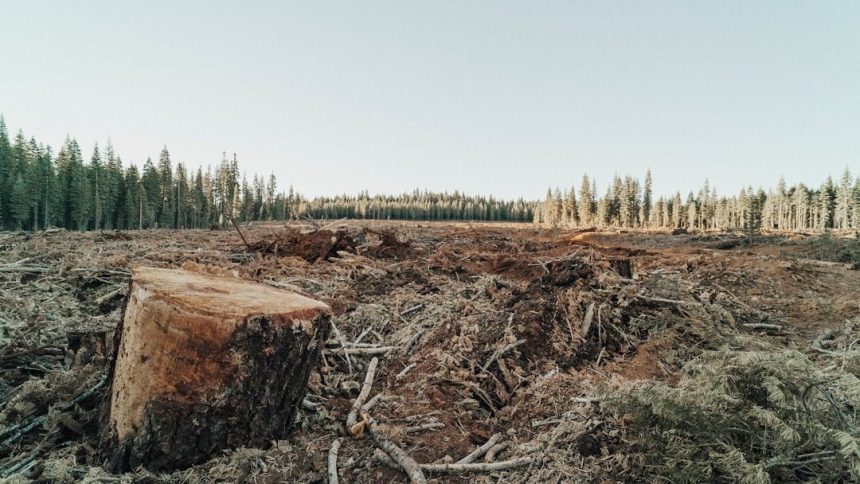
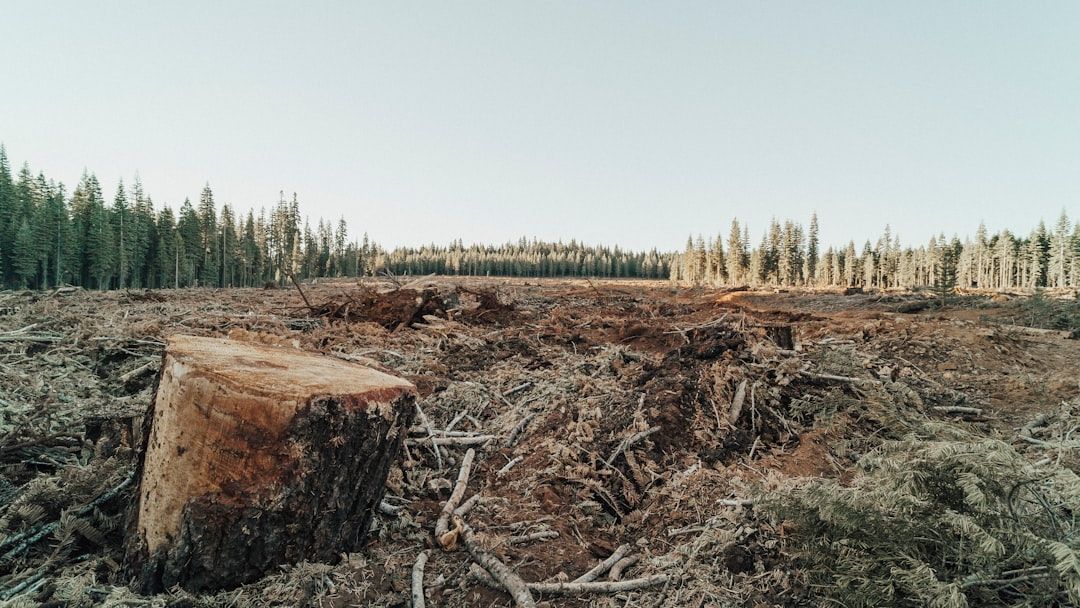
Cropped 20 May 2026: Deforestation roadmap | Melanesian Ocean Summit | Returning pet parrots to the wild – Image for illustrative purposes only (Image credits: Unsplash)
Recent weeks have brought fresh outlines for halting forest loss alongside new commitments to safeguard Pacific waters. These steps arrive as global assessments continue to flag shortfalls in meeting long-standing targets for trees and biodiversity. The developments reflect a mix of national initiatives and regional cooperation that could shape outcomes at upcoming climate and nature meetings.
Voluntary Pathways for Forests Take Shape
Brazil has moved ahead with an initial plan to guide countries toward ending deforestation by 2030. The approach invites nations to develop their own tailored strategies based on local conditions rather than imposing one uniform method. This follows earlier calls at last year’s climate talks for a formal deforestation roadmap that ultimately did not gain full agreement.
At the UN Forum on Forests, advisors to the Brazilian presidency described how the roadmap would build on existing pledges. Indonesia separately announced plans to restore millions of hectares of degraded land through carbon-offset projects. A new UN review of six global forest goals found clear signs of progress in some areas yet warned that the world remains off track on ending deforestation and reducing poverty in forest communities.
Pacific Nations Establish Joint Marine Protections
Leaders from Papua New Guinea, Fiji and Vanuatu have agreed to create the Melanesian Ocean Corridor of Reserves. The initiative aims to coordinate border management, enforcement and scientific research across five Pacific territories. A new marine protected area roughly the size of the United Kingdom was also announced by Papua New Guinea, with all fishing prohibited inside its boundaries.
Vanuatu’s prime minister noted that the corridor underscores how shared decisions, rather than historical divisions, will shape the region’s future. Tuvalu is meanwhile drafting its first national security policy that places ocean conservation at its core. One observer has pointed to a continuing gap in UN climate processes, where ocean issues received little mention in final texts despite strong initiatives presented at recent summits.
Rehabilitating Former Pet Parrots in Colombia
Colombia’s stricter wildlife laws since 2016 have increased the number of parrots seized or surrendered by owners. A dedicated foundation now runs a structured programme to prepare these birds for life back in the wild on a reserve near Cartagena. The process begins with veterinary checks and identification tags, then moves through gradual exposure to natural foods and extended flight practice.
Birds also learn to interact in groups, mirroring the social behaviour essential for survival and breeding in the forest. After initial training, they spend time in a release enclosure before gaining full freedom while still able to return for support if needed. Monitoring has already shown some rehabilitated parrots successfully raising chicks in the wild. The foundation maintains a long waiting list and relies mainly on donations while exploring future eco-tourism options to sustain its work.
Additional Developments Across Regions
Canada has no current plans to place its international nature commitments into domestic law despite hosting a major biodiversity summit in recent years. Brazil has delayed rules that would have restricted rural credit for farms linked to deforestation. A UN assessment highlights growing pressure on sand resources that threatens ecosystems worldwide.
In Laos a large dam project continues to raise concerns for a nearby natural heritage site. The European Commission has introduced measures to support farmers and stabilise food prices amid regional conflicts. Southern Iraq’s marshes show signs of recovery after recent rains allowed greater water releases from reservoirs.
Looking Ahead
These varied efforts illustrate both incremental gains and persistent challenges in global conservation. Upcoming meetings on fish stocks, climate bodies and national elections will test how far the new roadmaps and corridors can translate into lasting results. Continued monitoring and support remain essential if targets for forests, oceans and wildlife are to move closer to achievement.