There’s a peculiar kind of power in a film that drives people physically out of their seats. Not boredom, not a phone call, but genuine visceral reaction – disgust, terror, moral outrage, or sheer physical nausea. It’s rare. Most movies, even the bad ones, get politely endured until the credits roll.
The films below didn’t earn that courtesy. They provoked some of the most documented walkouts in cinema history, at festivals, in multiplexes, and across decades. What’s striking is that several of them are now considered masterpieces. That tension between artistic ambition and audience endurance is really what makes these cases so fascinating.
The Exorcist (1973): Ambulances Parked Outside Theaters
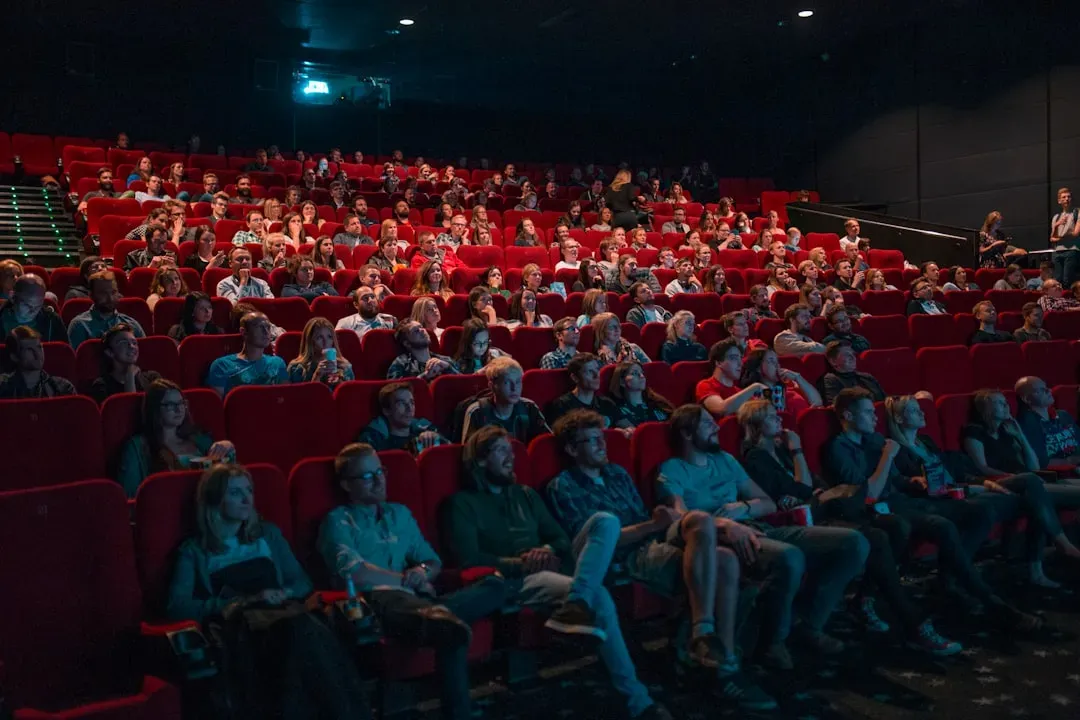
Audiences around the world cried, fainted, screamed, and ran out of theaters screening William Friedkin’s satanic classic, with some proclaiming the film to be pure evil. The reactions went well beyond the usual discomfort of a scary movie. People were so scared that not only did they walk out of the theater, but some moviegoers actually went to the hospital.
The Exorcist was the very first horror movie to be nominated for Best Picture, and it was not uncommon to see empty seats during its screenings as audience members would frantically run outside. Many Christians also left due to religious objections. In the United Kingdom, the number of people becoming traumatized had grown to such an extent that ambulances from St. John’s Ambulance Brigade were parked outside cinemas to medically aid terrified viewers. Few films before or since have produced that kind of real-world emergency response.
A Clockwork Orange (1971): Pulled From Theaters Entirely
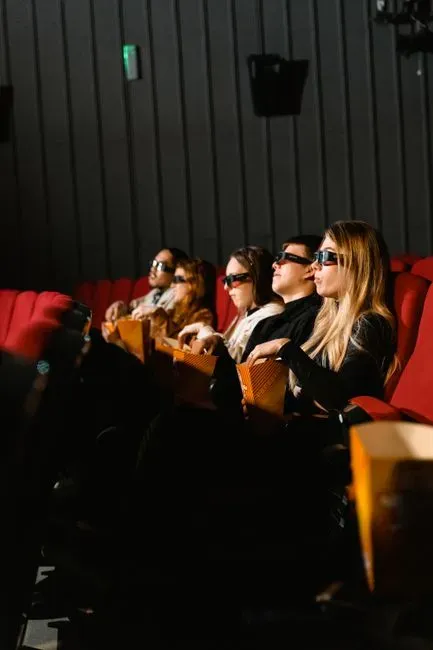
Stanley Kubrick’s A Clockwork Orange is considered one of the most influential movies of all time, but due to its bold and provocative themes, the film was immediately drenched in controversy. Scenes depicting rape, murder, violence, nudity, and the Ludovico Technique offended audiences, who steadily walked out of cinemas. The reaction wasn’t limited to squeamishness alone – many viewers found the film’s moral framework genuinely disturbing.
To make matters worse, A Clockwork Orange inspired several violent crimes across England, and the movie was soon pulled from theaters. Its controversial nature led to a temporary ban in the UK. Despite the uproar, the film is now considered a masterpiece. The distance between those two facts says a great deal about how cinema’s most challenging works tend to age.
Reservoir Dogs (1992): Tarantino Counted Every Walkout

Fans of Quentin Tarantino have long grown to expect his relationship with onscreen violence, but this wasn’t the case in the early nineties. Tarantino himself told The Guardian in 2017 how he “counted the walkouts” when Reservoir Dogs hit the festival circuit. The film’s infamous ear-cutting torture scene was the breaking point for many. During one notorious screening, Tarantino apparently counted 33 walkouts in the middle of Mr. Blonde’s iconic torture scene.
Partner offer
A few people walked out of the Sitges Film Festival in 1992, particularly during the scene where an ear gets cut off. Ironically, one of those people who walked out was famed horror director Wes Craven, whose own directorial debut was far more brutal and had forced some audience members to seek medical attention. The irony of Wes Craven being the one to leave wasn’t lost on Tarantino, who reportedly couldn’t believe it.
The House That Jack Built (2018): Half the Balcony Empty by the Credits
Lars von Trier sparked controversy at the Cannes Film Festival with The House That Jack Built. The divisive filmmaker provoked mass walkouts with this film, which centers around a serial killer who views his murders as elaborate works of art. The movie was intensely violent, but the final straw that drove many to storm out was a scene that broke horror genre taboos with the brutal onscreen murder of two young children.
Over 250 people are believed to have left Cannes during one particular scene, and an estimated 20 percent of the audience at the French festival and the Sundance Film Festival walked out. The film did receive a notable standing ovation when it was finally over, but before it even ended, people were evacuating the screenings in large numbers. That contrast between applause and mass exodus might be the most von Trier outcome imaginable.
The Blair Witch Project (1999): Motion Sickness as a Cultural Moment

The Blair Witch Project is credited with popularizing the found-footage technique in mainstream cinema. Though it earned a substantial sum at the box office against a tiny budget of $60,000, the film’s true claim to fame was how it managed to cause viewers to experience nausea and panic attacks, which only increased its growing notoriety. People weren’t just scared. They were physically ill.
One of the most influential horror movies ever made, The Blair Witch Project introduced mainstream audiences to the concept of found-footage films. Its use of shaky cam and handheld footage made some audiences feel genuinely sick due to the intense motion throughout the movie. Some moviegoers also complained about the film’s claustrophobia – all of these reasons forced many audience members to leave the theaters. Paradoxically, the walkout stories became part of the film’s mystique and drove even more curious viewers to seek it out.
Caligula (1979): Roger Ebert Couldn’t Finish It Either
Often credited as one of the nastiest films ever made, Bob Guccione’s Caligula is considered by many critics to be smut disguised as a movie. Even an impressive Malcolm McDowell wasn’t enough to save it from critical ire, and audiences everywhere reviled Caligula due to its questionable content and over-the-top nastiness. The movie was so raunchy that it had to be played in specialty theaters to avoid censorship regulations.
Despite featuring performances from Malcolm McDowell, Helen Mirren, and Peter O’Toole, the film was heavily criticized for its violence and featuring unsimulated sex throughout. Even the legendary critic Roger Ebert had to leave the theater after watching two hours of the movie, making Caligula one of the very few films he ever confessed to quitting. When a critic who built his entire career on sitting through films to their conclusion can’t manage it, that tells you something about how extreme the experience truly was.
Partner offer
Planning a trip to Vegas?
Compare hotel rates and show tickets on VEGAS.com.