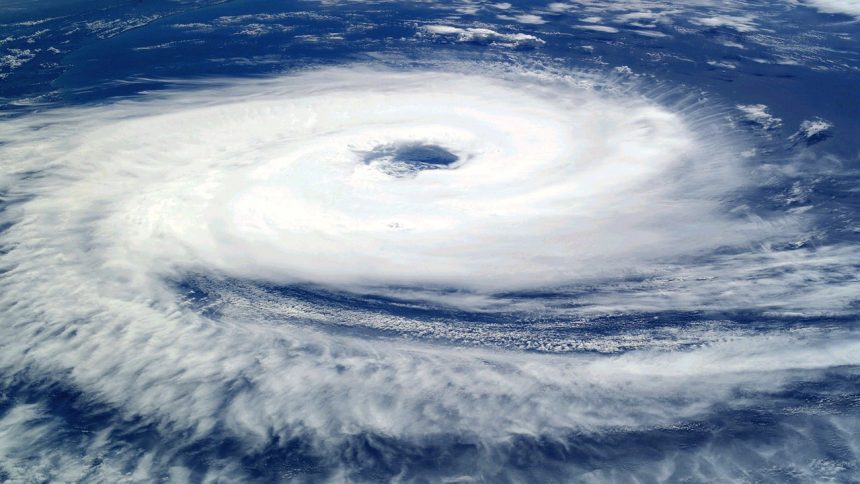
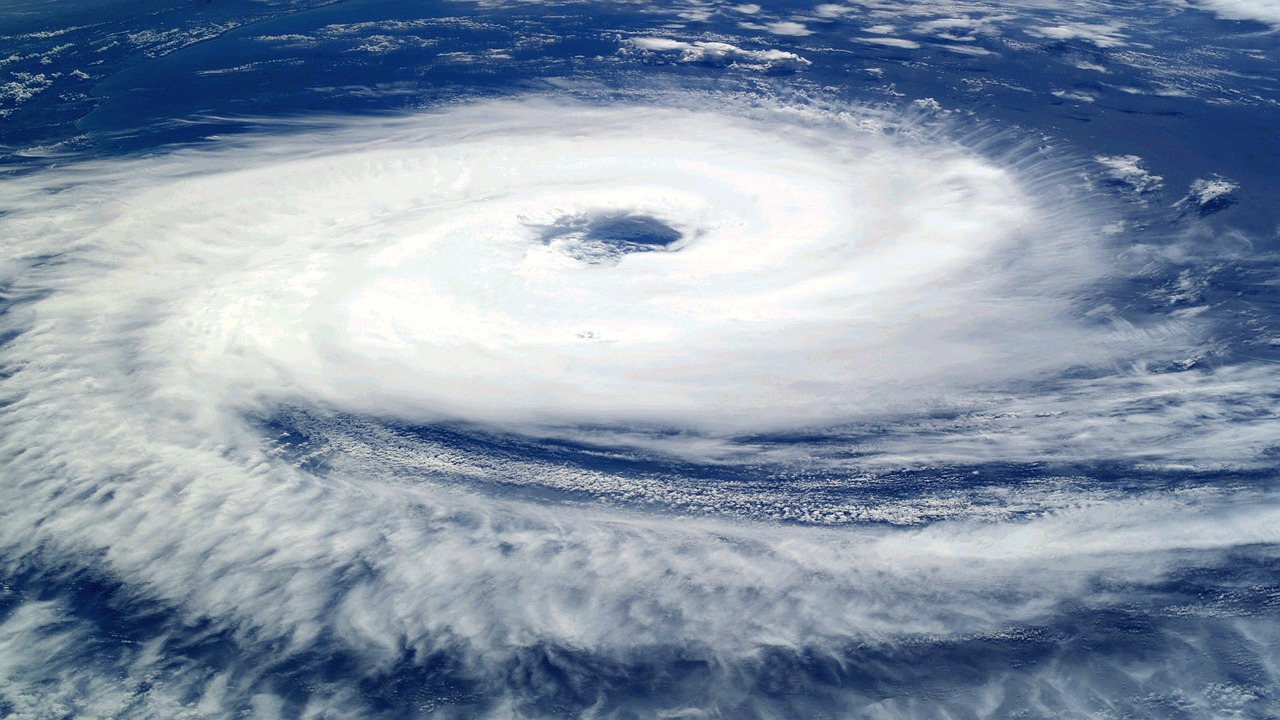
The next era of Atlantic hurricanes could be far more destructive – Image for illustrative purposes only (Image credits: Pixabay)
Recent scientific findings indicate that rising global temperatures could intensify the natural ups and downs already seen in Atlantic hurricane activity. Instead of steady patterns, future seasons may alternate more sharply between periods of relative calm and bursts of intense, closely spaced storms. This shift carries direct consequences for coastal planning and emergency response across the region.
Why the Pattern Matters Now
Atlantic hurricane seasons have long shown year-to-year variation, yet the new research highlights how climate change could widen those differences. A quiet year might give way abruptly to one filled with multiple major hurricanes, each capable of causing widespread damage. Such swings would test the limits of forecasting systems and resource allocation that currently assume more gradual changes.
Communities along the Gulf and East coasts already prepare for an average number of storms each season. Greater volatility would require adjustments in everything from insurance models to evacuation timelines. Officials note that the ability to respond effectively depends on anticipating these larger fluctuations rather than relying on historical averages alone.
Understanding the Mechanism Behind the Change
Warming ocean waters supply additional energy that can fuel rapid storm development during active periods. At the same time, shifts in atmospheric conditions may suppress activity in other years, creating the pronounced contrast described in the findings. The result is a cycle in which quiet intervals could feel deceptively safe before intense seasons return with greater force.
Partner offer
Researchers emphasize that these changes build on existing natural variability rather than replacing it entirely. The Atlantic basin has always experienced clusters of busy years followed by lulls, but the amplitude of those cycles appears likely to grow. This amplification stems from the combined effects of higher sea-surface temperatures and altered wind patterns that either favor or hinder storm formation.
Practical Implications for Preparedness
Emergency managers may need to maintain higher baseline readiness even after a calm season, since the next active period could arrive with little warning. Infrastructure investments, such as reinforced levees and updated building codes, would benefit from designs that account for clusters of strong storms rather than isolated events. Insurance providers, too, face pressure to revise risk assessments that currently spread costs more evenly across years.
Public communication strategies could also evolve. Clear messaging about the possibility of sudden shifts helps residents avoid complacency during quieter intervals. Coordination among federal, state, and local agencies becomes especially important when resources must be scaled up quickly after a period of reduced activity.
What matters now
- Monitor seasonal outlooks with added attention to potential rapid transitions.
- Update long-term plans to accommodate both low- and high-activity extremes.
- Strengthen regional partnerships that allow faster resource sharing during hyperactive periods.
Looking Ahead
The research underscores that climate change does not simply increase the total number of storms but reshapes the rhythm of the season itself. Coastal regions that adapt to this new variability stand to reduce losses, while those that continue planning around past averages may face greater challenges. Continued study of these dynamics will help refine both short-term forecasts and multi-year resilience strategies.
Partner offer
Planning a trip to Vegas?
Compare hotel rates and show tickets on VEGAS.com.