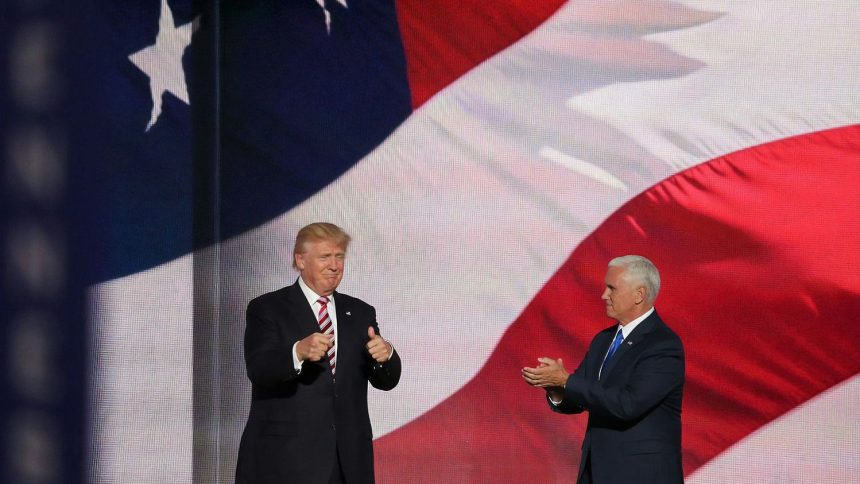

White House calls The Chicks’ Natalie Maines a ‘despicable nobody’ after singer’s vulgar attack on Trump – Image for illustrative purposes only (Image credits: Unsplash)
The White House has delivered a blunt public response to singer Natalie Maines of The Chicks. Officials described her as a “despicable nobody” who suffers from a severe case of Trump Derangement Syndrome. The statement followed Maines’ recent vulgar remarks directed at President Trump. This latest exchange adds to a long pattern of friction between the administration and outspoken entertainers.
The White House Statement
The administration’s comment was direct and personal. It singled out Maines by name and tied her criticism to what officials called an irrational opposition to Trump. The phrasing left little room for interpretation and quickly circulated across social media and news outlets. Observers noted that the language echoed earlier clashes between the White House and public figures who have challenged the president. Such responses from the administration often aim to shift attention away from the original criticism. In this instance, the focus moved to Maines’ standing and motives rather than the substance of her remarks. The statement also reinforced the administration’s willingness to engage directly with celebrity voices.
Natalie Maines and The Chicks
Natalie Maines has fronted The Chicks for more than two decades. The group, formerly known as the Dixie Chicks, built a career on country music before expanding into broader pop and rock audiences. Maines has occasionally used her platform to comment on political matters, a practice that has drawn both support and backlash over the years. Her latest remarks fit within that history of public commentary. The White House chose to answer with a personal characterization rather than a policy rebuttal. This approach mirrors how the administration has handled other high-profile critics in entertainment.
Why the Exchange Matters
Celebrity criticism of sitting presidents is hardly new, yet the White House’s choice of words stands out for its sharpness. By labeling Maines a “nobody,” officials signaled that they view her comments as unworthy of serious engagement. At the same time, the response ensures the story remains in the news cycle. The episode illustrates how political disputes now frequently play out between elected leaders and entertainers with large followings. Both sides appear comfortable trading pointed language in public. The result is a cycle of statements that keeps the underlying disagreement visible without advancing substantive debate. The episode leaves open questions about how similar exchanges will unfold in the months ahead.