The music industry has always had an unspoken rule: you can be difficult, demanding, even a little chaotic, and still survive. Labels have tolerated tantrums, missed deadlines, and expensive egos for decades. What they genuinely can’t forgive is a combination of financial toxicity, legal warfare, and reputational damage that makes a partnership more trouble than any album revenue could justify. Musicians often wonder whether there is a real “blacklist” in the music industry. While no single master list is shared across the business, industry professionals tend to maintain their own mental rosters of people they simply won’t work with again. The stories below aren’t about artists who had a bad album cycle. They’re about the ones whose names now make A&R executives quietly leave the room.
Prince: The Artist Who Made Warner Bros. Flinch
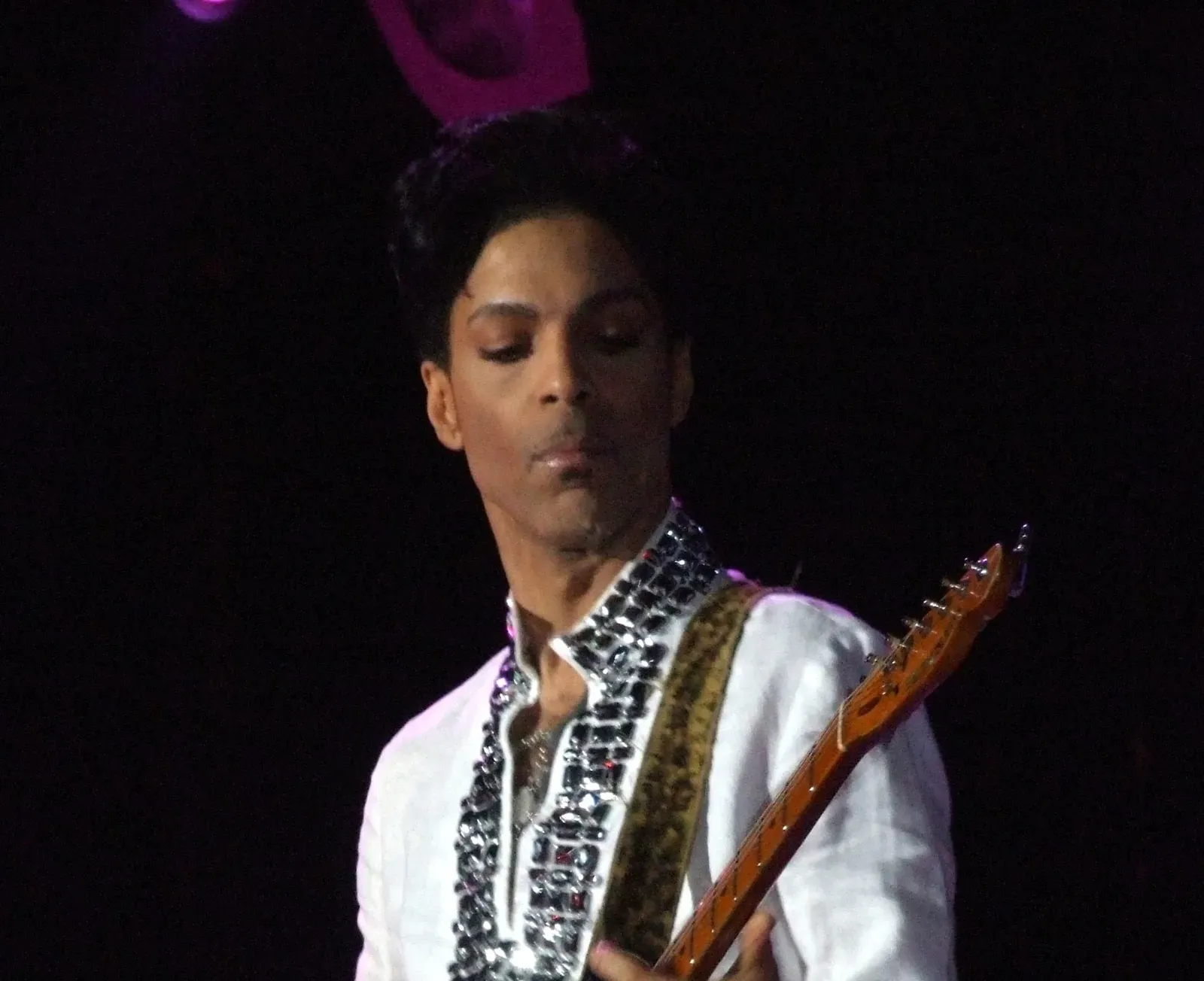
Few disputes in music history were as public, sustained, or philosophically loaded as Prince’s war with Warner Bros. Prince was very open about his dispute with Warner Bros. after signing a reported $100 million contract with them in 1992. He wanted the freedom to release music on his own schedule and, crucially, to own the original master tapes for his albums. When the label refused, he escalated in ways nobody expected.
The pop star appeared in public with the word “Slave” written across his face and changed his name to an unpronounceable symbol, which meant everyone called him The Artist Formerly Known as Prince. His crusade against Warner Bros. lasted until his death, but it wasn’t entirely personal. During that time, he took measures to educate the public and young talents on the reality of the music industry, exposing the power labels hold not just financially but through control of artistic expression.
Marilyn Manson: Dropped Overnight, Effectively Everywhere

Marilyn Manson was officially dropped from his record label and two television roles following abuse claims from Evan Rachel Wood and four other women. The speed of the fallout was striking. Prior to being dropped, the musician’s artist page had been scrubbed from Loma Vista Records’ website, and the label made its position unambiguous in a matter of hours.
Loma Vista Recordings stated it would no longer promote Manson’s recent album or work with him on future projects. He was also dropped by his booking agency CAA, coming directly after the label split and the removal from two TV roles. The cascade of institutional exits made clear that this wasn’t just one label’s decision. It was an industry-wide signal.
Kanye West: The Fallout That Kept Expanding

Kanye West’s record label and music publishing deals have ended. That quiet statement from Variety captured what had become a slow-motion collapse. West has been a frequent source of controversy due to his conduct on social media, at award shows, and in public settings, as well as his comments on the music and fashion industries, U.S. politics, race, and slavery.
The American rapper was dropped by his talent agency and a retail platform after a series of antisemitic social media posts. West was sued three times in 2024 alone. The first lawsuit, filed in April, accused him of racial discrimination, while the second, filed in June, accused him of wrongful termination, sexual harassment, and breach of contract. The commercial and industry relationships that once made him untouchable have, one by one, quietly dissolved.
Courtney Love: Universal’s Least Favorite Lawsuit

Universal sued Love in 2000 over five allegedly undelivered albums, and Love countersued, arguing the label treated artists unfairly. She claimed the company made $40 million from her rock band Hole’s album sales, while she and band members only collected $2 million in royalties. It was the kind of public dispute that made every label nervous.
Love had the means to counteract Vivendi Universal in 2001, and she wasn’t shy about using it. She positioned herself as willing to go down in flames fighting for a principle. As part of the eventual settlement, Universal agreed to waive any rights to future recordings from Love and restored her ownership of unreleased Hole material. In exchange, Love and the Cobain estate granted Universal permission to release new Nirvana packages. She got what she wanted, but the relationship was finished.
R. Kelly: An Industry That Looked Away, Then Couldn’t

R. Kelly’s separation from the label system didn’t happen quickly, which is itself a damning detail. For years, the music business tolerated an open secret before formal charges changed the calculus. When federal indictments finally arrived, the infrastructure around him collapsed completely. RCA Records, his longtime home under Sony Music, severed ties, and streaming platforms moved to reduce the visibility of his catalog.
Kelly was convicted in September 2021 on federal racketeering and sex trafficking charges, and sentenced to 30 years in prison in 2022. No label, distributor, or major booking agency has engaged with him since. His case became one of the clearest examples in modern music history of institutional complicity eventually giving way to institutional abandonment, with the industry’s self-reckoning arriving far later than it should have.
The Dixie Chicks: The Label System’s Political Cold Shoulder
The Dixie Chicks had an eleven-month dispute with Sony that began in July 2001, during which they accused Sony of systematic theft by underpaying approximately $4 million in royalties owed for their first two multi-platinum releases. That fight was bruising. Then came their 2003 comments about the Iraq War, and an entirely different kind of industry freeze-out began.
The Chicks ultimately received a $20 million bonus as part of their settlement with Sony, while the company received $15 million to cover marketing costs before the artists’ royalties, which were bumped up to roughly a fifth of earnings, could be collected. The group also sought a deal with other, more accommodating music labels, but that effort didn’t succeed either. Country radio’s response to their political statement was a near-total blackout that no label wanted to fight against.
Megan Thee Stallion vs. 1501: When a Small Label Makes a Big Enemy
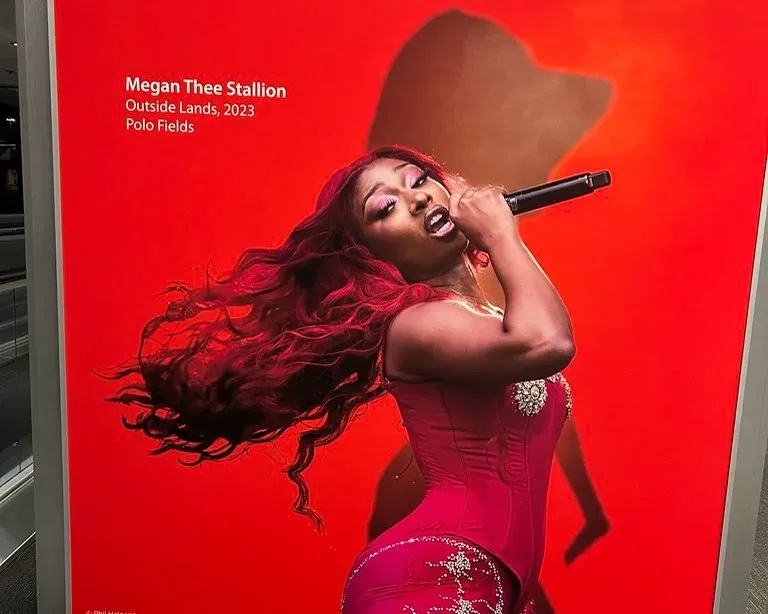
Megan Thee Stallion demanded $1 million in damages from 1501 Certified Entertainment in what became the latest in a long line of legal disputes between the rapper and her Houston-based label. The original contract she had signed was, by most legal assessments, deeply one-sided. Her royalty split with 1501 was 60/40 in the label’s favor, with all recording costs seen as advances fully deductible before royalties were distributed.
Roc Nation and Megan attempted to renegotiate the deal with 1501, who then filed a request to block her from releasing new music. A judge ruled in Megan’s favor, issuing a temporary restraining order against the label and allowing her to release her Suga EP. Megan Thee Stallion eventually settled her years-long legal feud with 1501 Certified Entertainment. The two parties mutually reached a confidential settlement to resolve their legal differences and parted ways. The saga left 1501’s reputation permanently damaged within the industry.
TLC: Platinum Records, Bankruptcy, and a Label That Moved On
Despite the award-winning group earning millions, the members of TLC went bankrupt in 1995, declaring a debt worth nearly $4 million. The paradox of selling tens of millions of records while declaring bankruptcy pointed directly at a contract structure that left them nearly nothing from the profits they generated. Their label, LaFace Records, had constructed a deal that recouped costs from every direction before a royalty cent reached the artists.
A music industry contract is considered by many to be one of the worst business deals an artist can make, as they trap musicians in highly exploitative relationships that refuse to either pay them fairly or let them go. The standard contract between an artist and a record label is unique to the industry, with conditions far tougher than in almost any other field, and contracts often lasting for decades. TLC’s situation became a textbook case of exactly that structure, and their public bankruptcy filing embarrassed the label at the height of its commercial success. The relationship never fully recovered.
The pattern across all eight of these cases is harder to ignore than any individual story. The music industry moves too fast and competition is too great for labels to waste time on artists who repeatedly act in ways that cost more than they earn. Whether the rupture came from legal warfare, personal conduct, or political fallout, the outcome tends to be the same: a quiet removal from rosters, a scrubbed webpage, and the kind of industry silence that is louder than any public statement. Some of these artists rebuilt elsewhere. Others didn’t. What each story makes clear is that in the music business, the relationship between a label and an artist is a business arrangement first, and it ends the moment the math stops working.