Hollywood likes to talk about sacrifice for art, but sometimes that sacrifice never gets repaid. A role that looks brilliant on screen can leave permanent scars once the cameras stop rolling, whether through a director’s cruelty, a script that demanded too much, or a public image the actor could never shake off.
The eight cases below span decades and genres, from horror to arthouse drama, yet they share a common thread. Each performance came at a cost that outlasted the film itself, sometimes by years, sometimes for the rest of the actor’s life.
Heath Ledger and the weight of the Joker
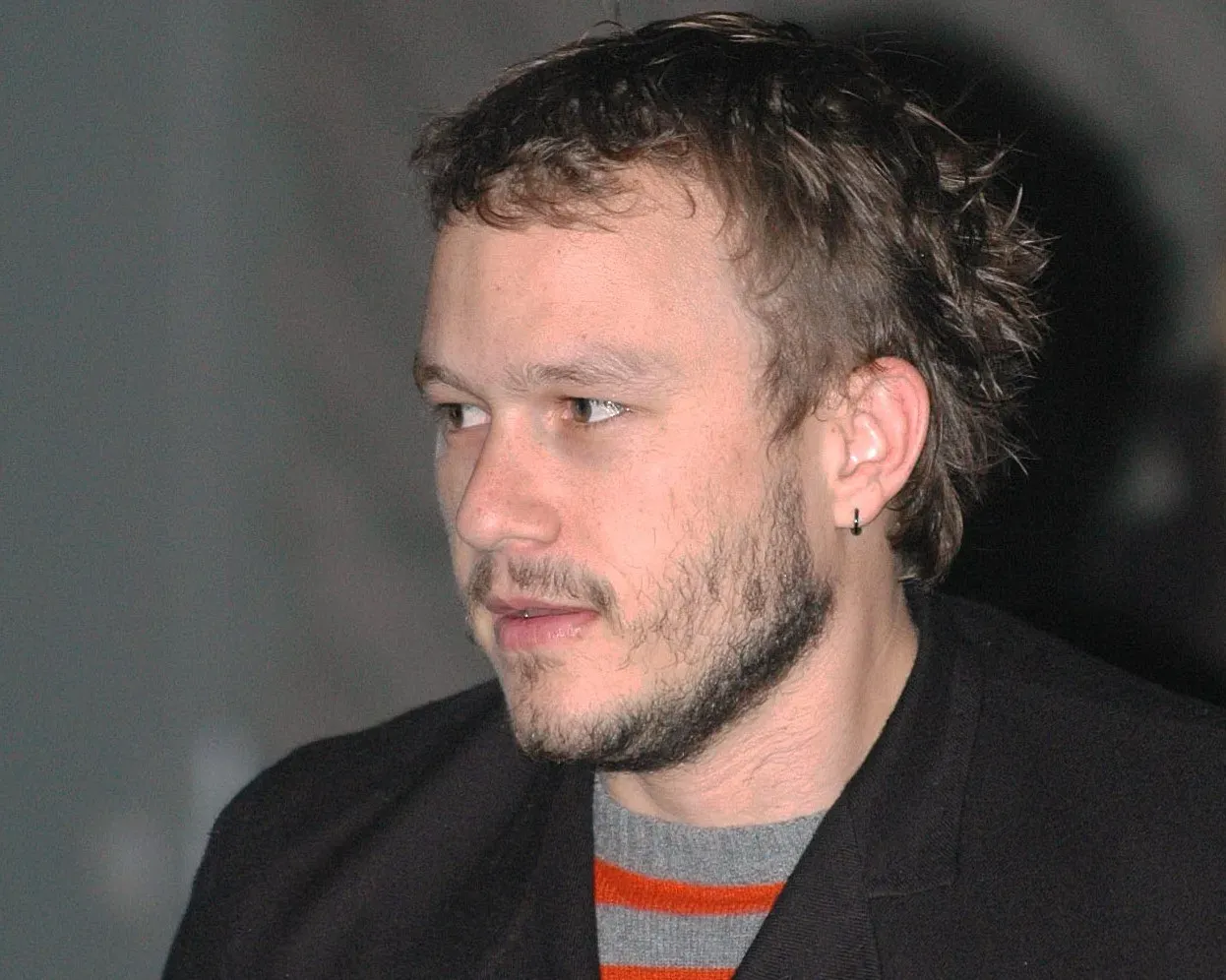
Heath Ledger spent weeks isolated in a hotel room developing the Joker’s voice and mannerisms for The Dark Knight, keeping a private journal filled with disturbing images and thoughts to stay inside the character’s head. Colleagues later described an actor who struggled to sleep for months during production, relying on medication to switch off from a role that seemed to follow him home every night.
Ledger died in January 2008, before the film even reached theaters, and the coroner attributed his death to an accidental overdose of prescription medications including sleeping pills. Whether the role alone caused his death is impossible to say with certainty, but the performance became forever linked to the exhaustion and insomnia he battled in his final months, and it earned him a posthumous Academy Award that his family accepted in his place.
Shelley Duvall’s ordeal under Stanley Kubrick
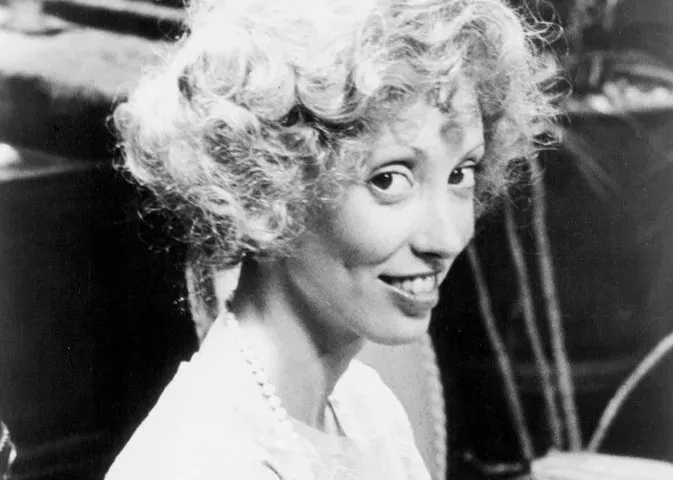
Playing Wendy Torrance in The Shining meant enduring one of the most punishing shoots in film history, with Stanley Kubrick reportedly refusing to print takes until well past the thirtieth attempt. Duvall told Roger Ebert, “I had to cry 12 hours a day, all day long, the last nine months straight, five or six days a week.” To stay in the correct emotional state, she would induce sorrow by listening to sad songs on her Walkman and reliving unhappy memories.
Reports indicate that she struggled with mental health issues in the years following The Shining, eventually withdrawing from the public eye and appearing in few productions. She largely retreated from Hollywood in the 1990s, and when she passed away in July 2024 at her home in Texas, much of the coverage returned to that grueling shoot. She told the magazine that director Stanley Kubrick had her “crying 12 hours a day for weeks on end,” adding, “I will never give that much again.”
Maria Schneider and the scene she never agreed to
Maria Schneider was nineteen when she starred opposite Marlon Brando in Last Tango in Paris, a role that made her instantly famous and instantly typecast. The sex in the film’s most notorious scene was simulated, but it later emerged that Schneider had been kept in the dark about what was to happen by Brando and Bertolucci, who wanted her raw, unscripted reaction on camera.
“Even though what Marlon was doing wasn’t real, I was crying real tears,” Schneider later said. “I felt humiliated and to be honest I felt a little raped, both by Marlon and by Bertolucci.” The pressure of her newfound fame led her into a spiral of drug use and suicide attempts, and despite starring in numerous other films, she could never escape the shadow of Last Tango in Paris. Bertolucci later admitted in a resurfaced 2013 interview that he had deliberately withheld details of the scene from her.
Tippi Hedren and the price of The Birds
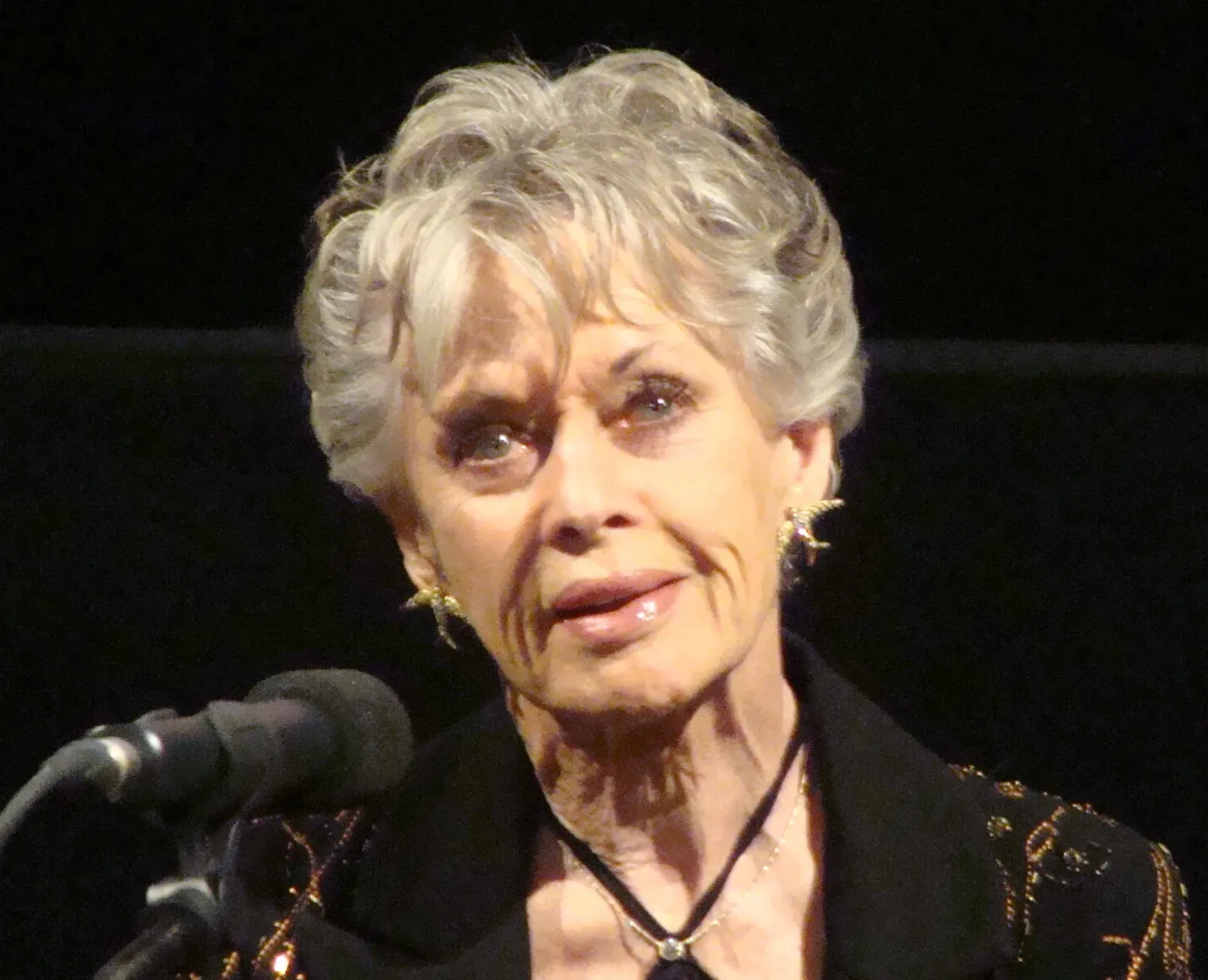
Alfred Hitchcock cast Tippi Hedren in The Birds after spotting her in a television commercial, and the film made her an overnight star. To make the bird attacks feel believable, Hitchcock used real crows that actually attacked the actors during filming, with Hedren bearing the brunt of the physical abuse on set for days at a time.
The professional relationship curdled into something far worse once filming wrapped. Hitchcock’s behavior toward Hedren worsened over time, and after 1964’s Marnie, Hedren refused to work with him again; as punishment, he held her to their contract, which prevented her from working with anyone else for two years. She later described the experience of working under him as feeling like being trapped in what she called a mental prison, a phrase that stuck to her legacy long after the films faded from headlines.
Partner offer
Björk and her only lead role

Björk had never acted in a feature film before taking the lead in Lars von Trier’s Dancer in the Dark, and the experience was rocky almost from the start. The film was Björk’s first feature performance as an actress, and she clashed with von Trier on set so much that she vowed never to act again.
She won the Best Actress award at Cannes for the performance, yet the accolade did little to soften how draining the shoot had been. Björk later wrote that her humiliation and role as a lesser being on set was treated as normal, and that when she turned the director down repeatedly, he sulked and punished her, framing her as the difficult one, though she said she walked away and recovered within a year. More than two decades later, Dancer in the Dark remains her only lead role in a feature film, a decision she has never reversed.
Linda Blair and the shadow of The Exorcist

Linda Blair was just fourteen when she played Regan MacNeil in The Exorcist, a role involving disturbing imagery, physical restraints, and simulated self harm that pushed the boundaries of what a child actor was typically asked to perform. The film’s success turned her into a household name almost overnight, but it also attached her permanently to a character defined by possession and profanity.
Blair has spoken over the years about receiving death threats and hate mail from people who believed she was genuinely possessed, a strange and lasting consequence of playing the role so convincingly at such a young age. Casting directors struggled to see her as anything other than the girl from The Exorcist, and her career never fully escaped the typecasting that followed one of horror cinema’s most iconic performances.
Anthony Perkins and the grip of Norman Bates
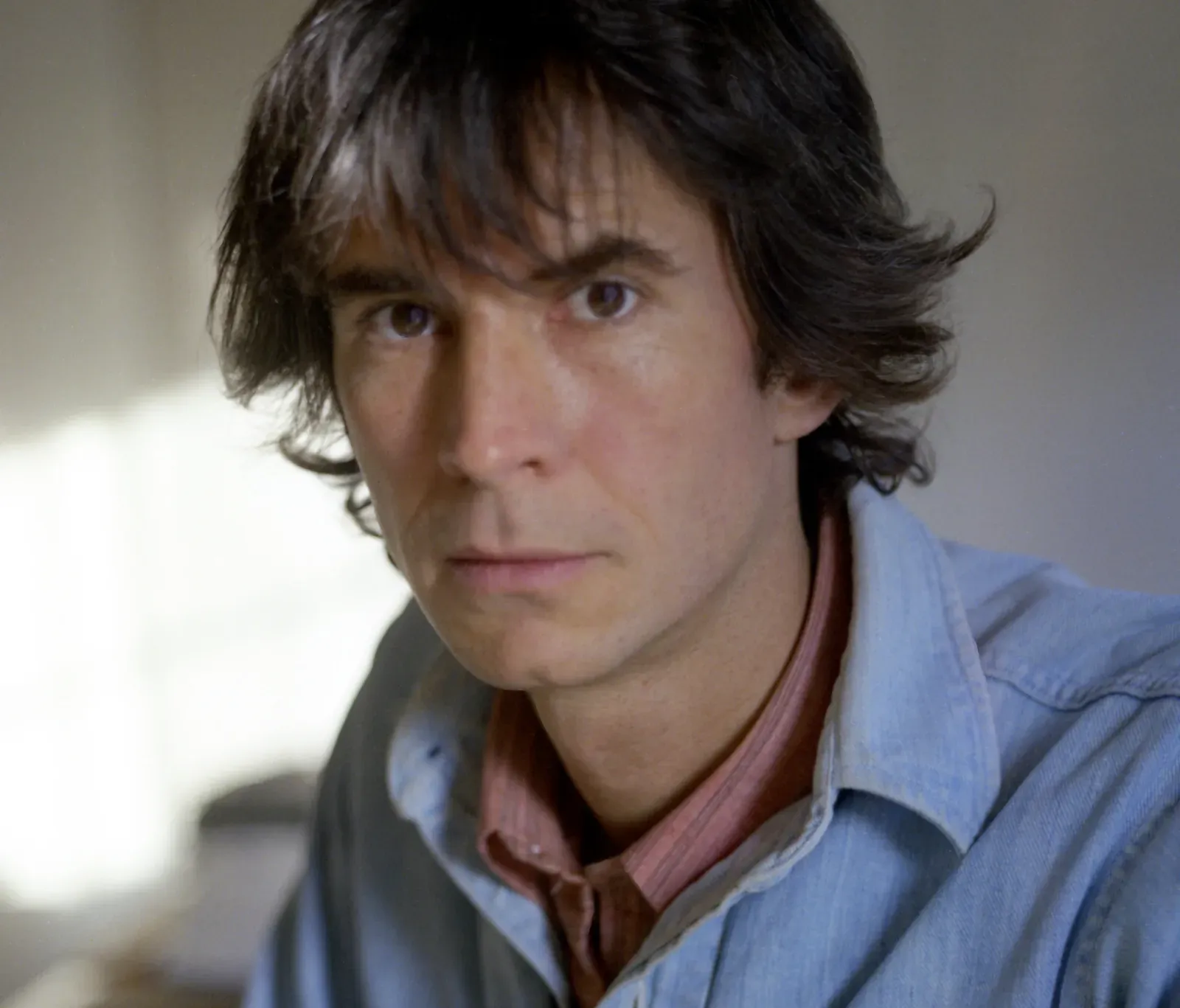
Anthony Perkins had built a promising career as a leading man before Alfred Hitchcock cast him as Norman Bates in Psycho, a role that reshaped how audiences saw him for the rest of his life. The performance was critically praised, but it also meant that studios and audiences began associating him almost exclusively with menace and instability.
Perkins reprised the role in three sequels decades later, partly because he struggled to find other substantial work outside the shadow of Bates. Friends and biographers have described how the typecasting weighed on him personally, complicating a career and private life he spent years trying to separate from a character audiences refused to let go of.
Vivien Leigh and the toll of Blanche DuBois
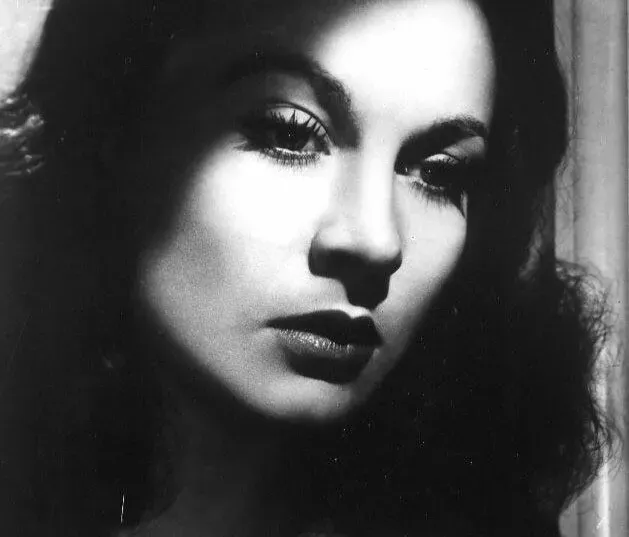
Vivien Leigh had already experienced years of bipolar disorder by the time she took on the emotionally shattered Blanche DuBois in A Streetcar Named Desire, and colleagues later said the role seemed to intensify her own struggles rather than provide any distance from them. She reportedly found it difficult to separate herself from Blanche’s fragility during and after filming, at a point in her life when her mental health was already fragile.
Leigh’s personal life, including her marriage to Laurence Olivier, grew increasingly strained during this period, and biographers have long pointed to Streetcar as one of the roles that seemed to blur the line between performance and personal breakdown most sharply. She continued acting for years afterward, but those close to her described someone who never fully set the character down.
These stories are not really cautionary tales in the neat sense, since none of them offer a tidy lesson about how to avoid the same fate. What they do show is how thin the line can be between a transformative performance and a lasting injury, and how often that line gets crossed in the pursuit of something that looks, from the outside, like genius.
Partner offer
Planning a trip to Vegas?
Compare hotel rates and show tickets on VEGAS.com.