


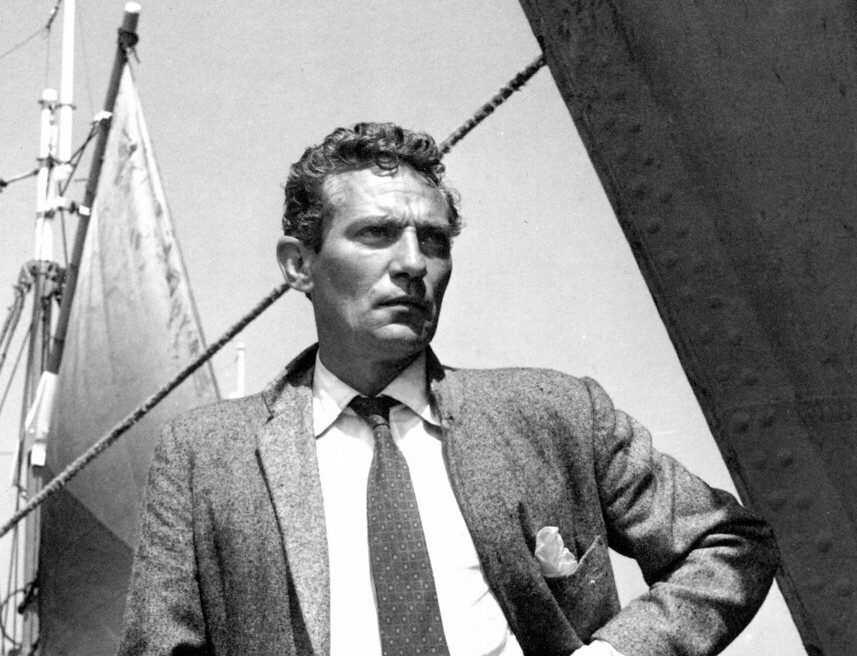
Every year, the Oscars broadcast builds toward the same moment: an envelope, a name, and a walk to the stage that most actors have rehearsed in their heads a thousand times. Yet history keeps interrupting that script. A small number of Best Actor winners have simply not been there when their name was called, and the stories behind those empty seats turn out to be far more interesting than the speeches that never happened. Some stayed away on principle. Others were stuck on a film set, or too sick to travel, or in one unforgettable case, no longer alive to hear the announcement at all. Looking closely at these moments says as much about Hollywood’s relationship with its own ceremony as it does about the actors themselves.
George C. Scott and the Patton Principle
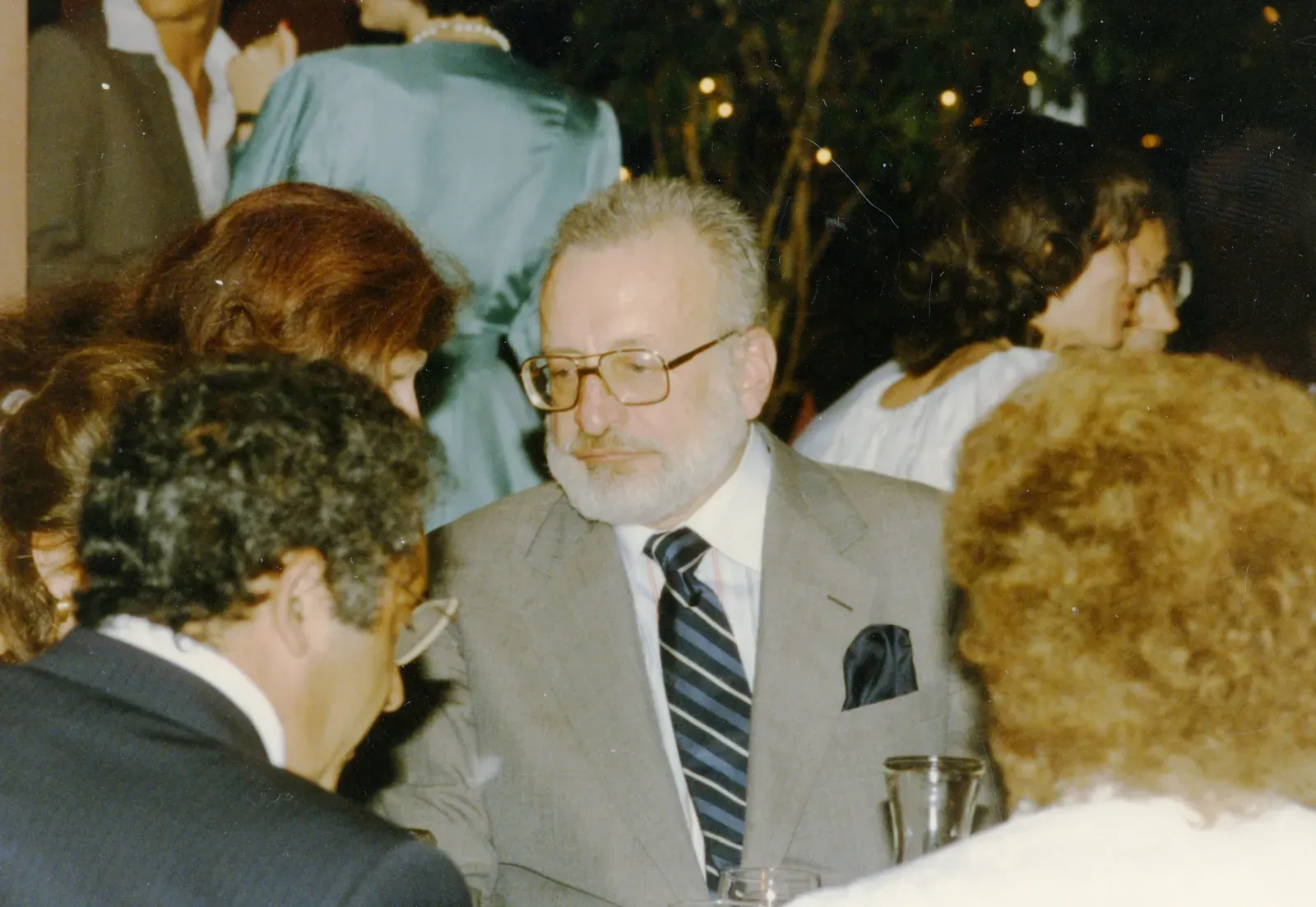
George C. Scott did not just skip the ceremony. He told the Academy ahead of time that he wanted nothing to do with it. Prior to the ceremony, Scott had informed the Academy that he would not accept the award if he won, leading to producer Frank McCarthy accepting it on his behalf. His objection was not about Patton itself, which he considered a strong piece of work, but about the entire idea of ranking performances against one another.
Scott put his feelings in writing well before the votes were counted. He sent word that his name should be pulled from consideration, adding that the request was not meant as an insult to fellow nominees. This was not a spur of the moment decision either. In 1962, he rejected a Best Supporting Actor nomination at the 34th Academy Awards for his role in The Hustler, arguing that acting should not be reduced to a competition, according to The New York Times By the time Patton came around, everyone who followed his career knew exactly what to expect.
Marlon Brando’s political stand at the 1973 ceremony
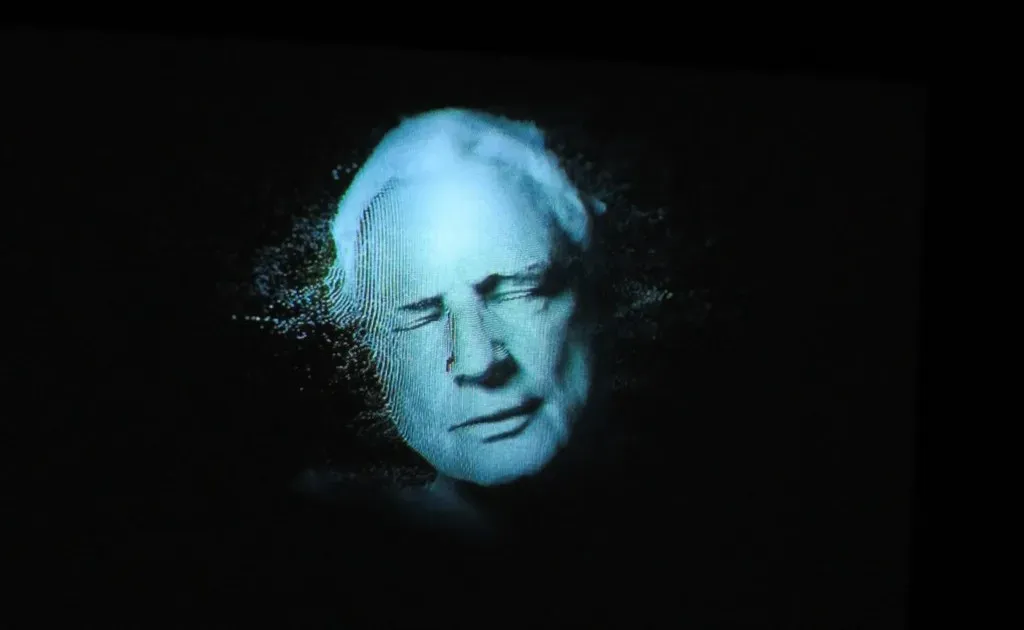
Two years after Scott made his point, Marlon Brando made his own, on a much larger stage. Perhaps the most famous rejection came from Marlon Brando, who won Best Actor for his iconic role as Don Vito Corleone in The Godfather. Rather than simply staying home, he arranged for someone to speak in his place.
A White Mountain Apache actress, Sacheen Littlefeather, came onstage as presenters believed she would accept the award, before clarifying that she was actually rejecting the statuette on Brando’s behalf. His reasoning centered on how Native Americans were being portrayed on screen. Brando cited the film industry’s portrayal of Native Americans and ongoing events at Wounded Knee and notified the Academy in advance that he would not appear and would refuse the award if he won.
The decades long aftermath of Brando’s protest
The reaction inside the theater that night was not gentle. Some in attendance applauded the statement, while others booed loudly as Littlefeather tried to deliver her remarks. It became one of the most talked about moments in Oscar history precisely because it was so unexpected and so uncomfortable to watch live.
It took the Academy nearly fifty years to formally reckon with how that night unfolded. Years later the Academy issued a formal apology to Littlefeather for how she was treated that night. The gesture, decades after the fact, showed just how long a single Oscars snub can echo through an institution’s history.
Gary Cooper, working through his win
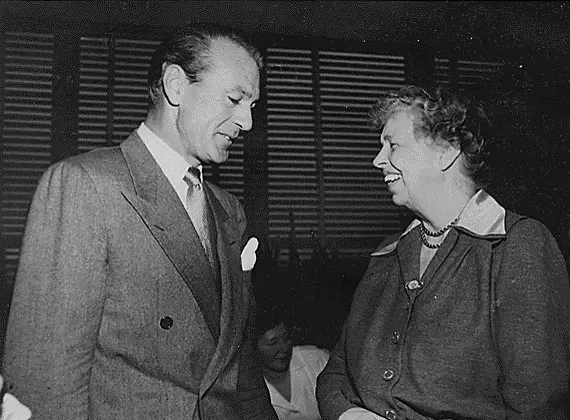
Not every absence carried a political message. Gary Cooper’s no show at the 1953 ceremony came down to a scheduling conflict and bad health. At the 25th Academy Awards in 1953, Cooper was filming another movie in Mexico and was ill, so John Wayne accepted the award for him. The two men were close friends off screen, which made the handoff feel natural rather than awkward.
Gary Cooper was not present at the awards ceremony, and John Wayne accepted on his behalf. Interestingly, Wayne had actually turned down the lead role in High Noon before Cooper took it, so there was a bit of irony in him being the one to carry the statuette home. Cooper’s final Oscar appearance, an honorary award given in 1961, was also marked by his absence, this time due to the cancer that would take his life within weeks.
Henry Fonda’s final bow, from afar
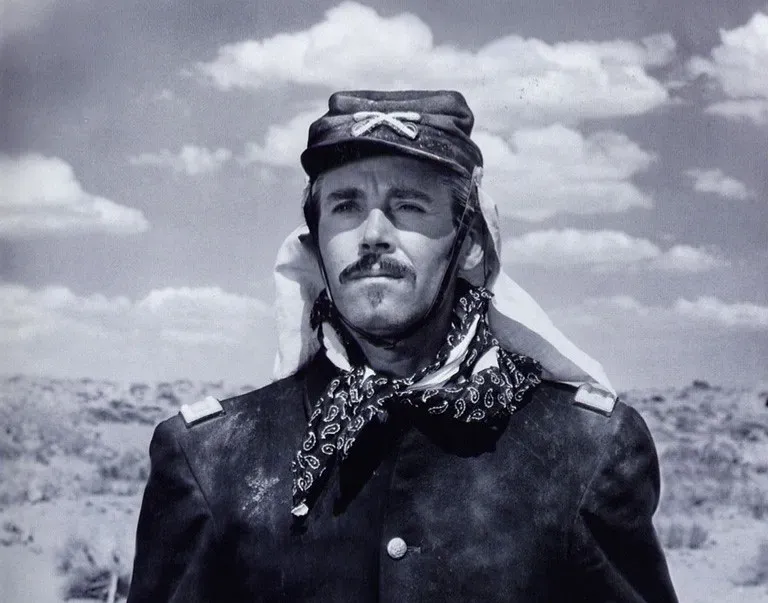
By the time Henry Fonda won for On Golden Pond, everyone in the room understood the stakes. Few Oscar wins have carried as much emotional weight as Henry Fonda’s Best Actor award for On Golden Pond, and Fonda was 76 years old and seriously ill at the time of the ceremony, making it impossible for him to attend. There was no protest, no scheduling clash, just a body that could no longer make the trip.
His daughter stepped in for what became one of the more poignant moments in Oscars history. His daughter Jane Fonda accepted the award on his behalf, visibly moved by the moment. The tribute carried extra weight in hindsight, since Henry Fonda passed away just five months later.
Paul Newman and the fatigue of almost
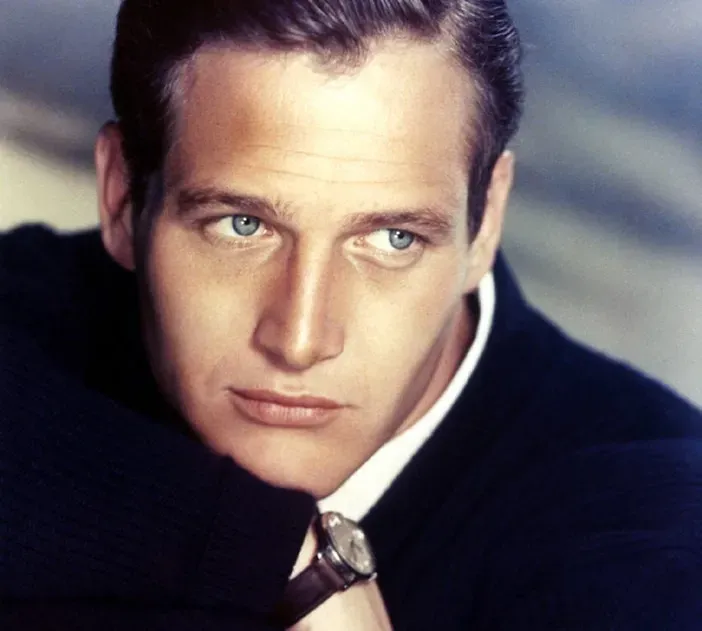
Paul Newman’s absence had nothing to do with illness or politics. It came from sheer exhaustion with the process itself. Paul Newman won Best Actor for playing a pool maestro in Martin Scorsese’s The Color of Money, but was a no show, later explaining his absence by stating that he had lost interest after losing so many times, having been nominated six times before without a win.
Newman had spent decades watching other names get called, and by 1987 the ritual had simply stopped mattering to him in the way it once might have. He was tracked down afterward and offered a colorful comparison, describing the long wait for recognition as something like pursuing someone for eight decades only to lose interest right when they finally said yes. It was a candid, slightly weary way of explaining why showing up no longer felt urgent.
Peter Finch, the winner who never knew
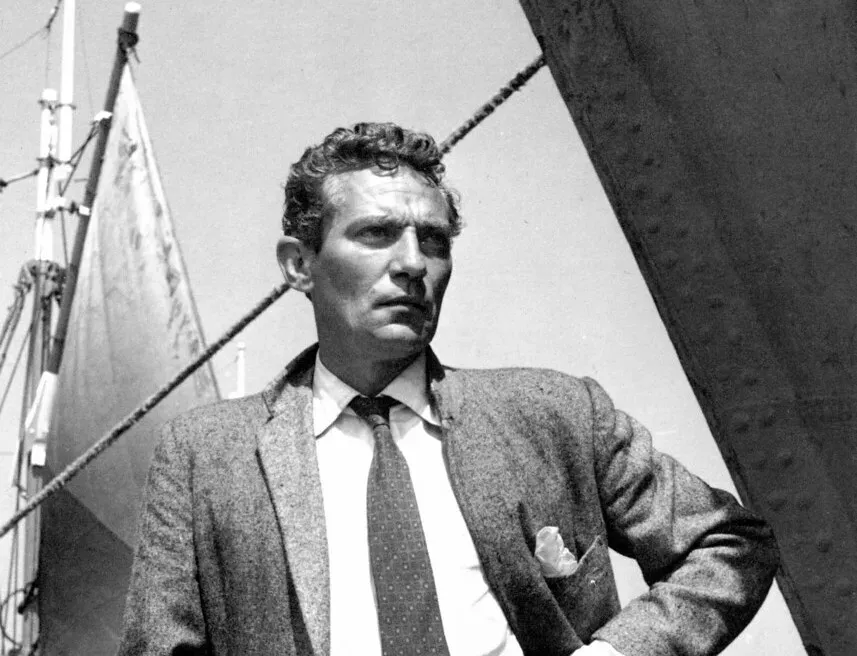
Some absences are simply beyond anyone’s control. Peter Finch delivered one of the most iconic performances in film history as a television anchorman spiraling into a public breakdown, and it earned him the Oscar. His vivid portrait of the unbalanced television newscaster earned Finch an Academy Award, but he died of a heart attack several months before the awards ceremony, becoming the first performer to be awarded an Oscar posthumously.
The details of his death remain striking even decades later. Just two months before the Oscar ceremony, Finch suffered a fatal heart attack in the lobby of a Beverly Hills hotel, was rushed to UCLA Medical Center, and was pronounced dead hours later at the age of 60. When his win was announced, the statuette itself was collected by Finch’s widow, Eletha Finch, after Paddy Chayefsky invited her onstage.
Anthony Hopkins and the ceremony he didn’t expect to attend
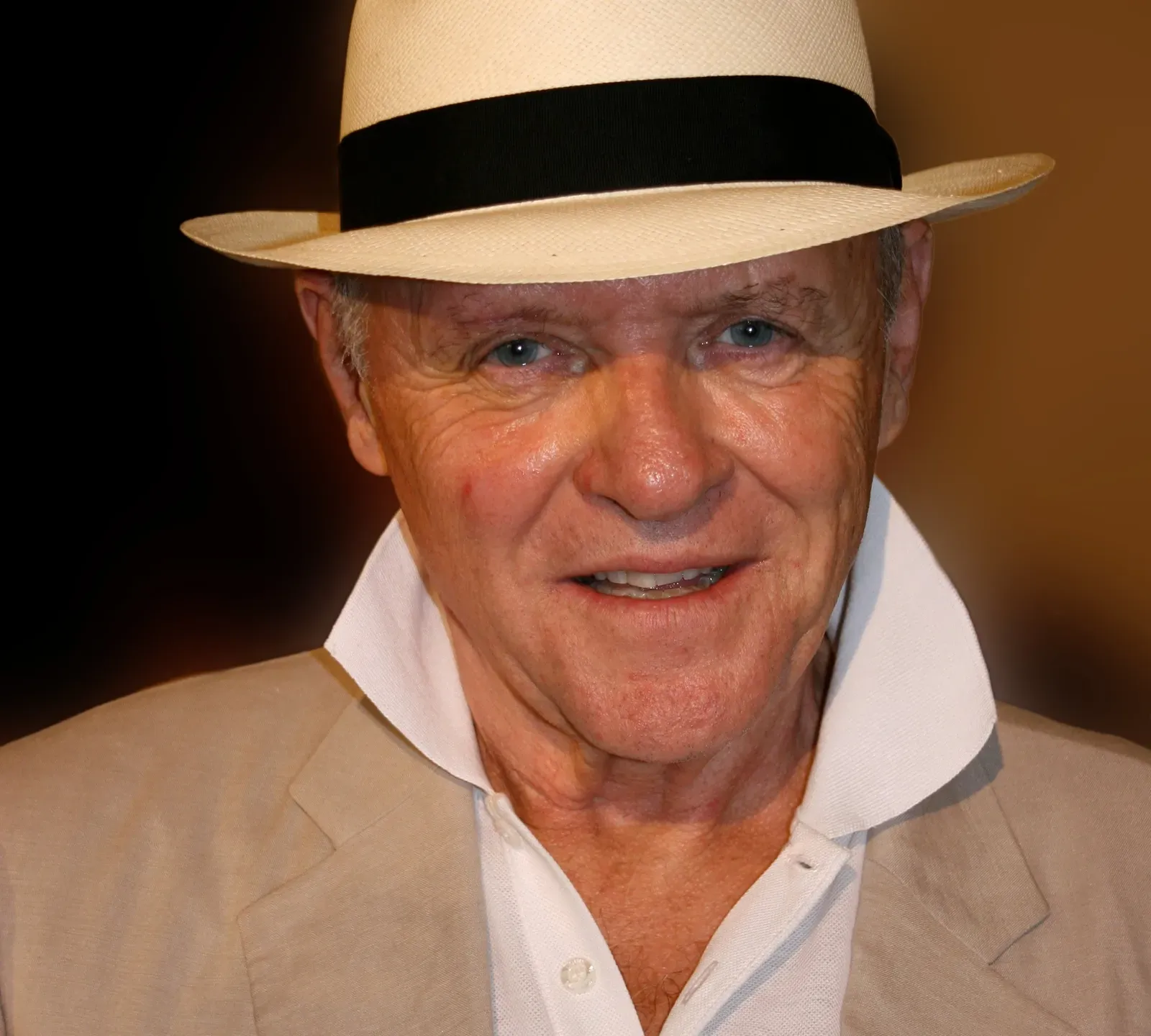
Anthony Hopkins offers the most modern example on this list, and one that had nothing to do with tragedy or protest. He simply did not think he would win. According to The Independent, since the actor did not expect to win, he went to bed and did not attend the awards night.
The reports from that night painted a fairly relaxed picture of the situation. The oldest acting Oscar winner ever, 83 year old Hopkins was asleep at home in Wales at the time of the awards, according to IndieWire. He responded the following day rather than in real time, posting a video message where he thanked the Academy while also paying tribute to Chadwick Boseman, his late contemporary and fellow Best Actor nominee for Ma Rainey’s Black Bottom.
What these absences really tell us
Taken together, these stories show that missing the Oscars rarely means one simple thing. Sometimes it is a deliberate stand, sometimes it is exhaustion, and sometimes it is just the unpredictable reality of illness, filming schedules, or worse. The common thread is that each absence forced the room, and later the public, to sit with a win that felt incomplete without the person it belonged to standing there.
What lingers longest is not the empty seat itself but the story that fills it afterward. A telegram, a borrowed friend at a podium, a daughter accepting on behalf of her father, a widow walking out under lights her husband never got to see. The trophy still gets handed out either way, but the moment always ends up remembered differently than anyone expected.


