Now I have enough grounding to write the article confidently.
Classic novels tend to pick up baggage over the decades. Movies, half-remembered high school lessons, and pure internet folklore all chip away at what a book actually says until the myth becomes more famous than the source material. Some of these misconceptions are almost harmless fun, while others completely flip the meaning of a story that generations of readers thought they understood.
Here are ten of the most persistent misunderstandings about beloved novels, along with what the books actually say once you go back and check the text.
1. The Creature In Frankenstein Is Named Frankenstein
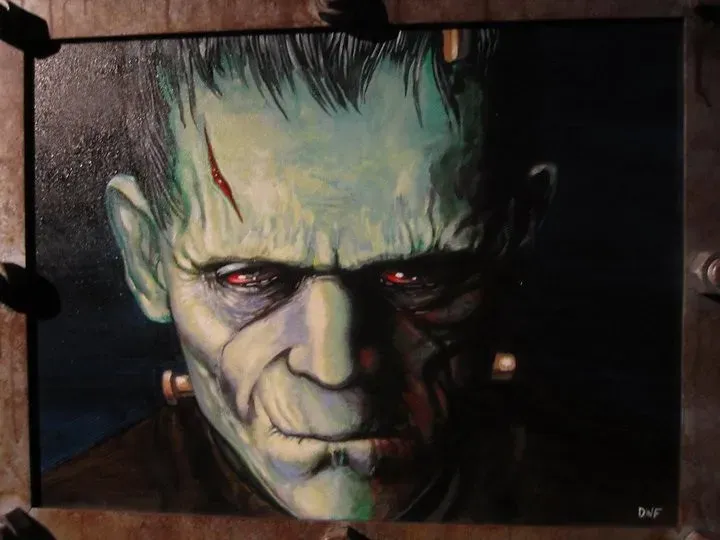
Almost everyone calls the stitched-together creature “Frankenstein,” but in Mary Shelley’s 1818 novel, Frankenstein is the surname of Victor Frankenstein, the ambitious scientist who assembles the creature in a laboratory. The creature itself is never given a proper name in the text; he is referred to as “the creature,” “the monster,” “the fiend,” or “the daemon” depending on the scene and who is speaking.
This mix-up has been around for so long that it barely registers as a mistake anymore, largely thanks to early Hollywood films that blurred the distinction between creator and creation. Shelley’s original point was arguably about Victor’s failure as a parent and creator, not about a monster with a horror-movie name, which makes the swap a genuine distortion of the book’s central theme.
2. Sherlock Holmes Says “Elementary, My Dear Watson”
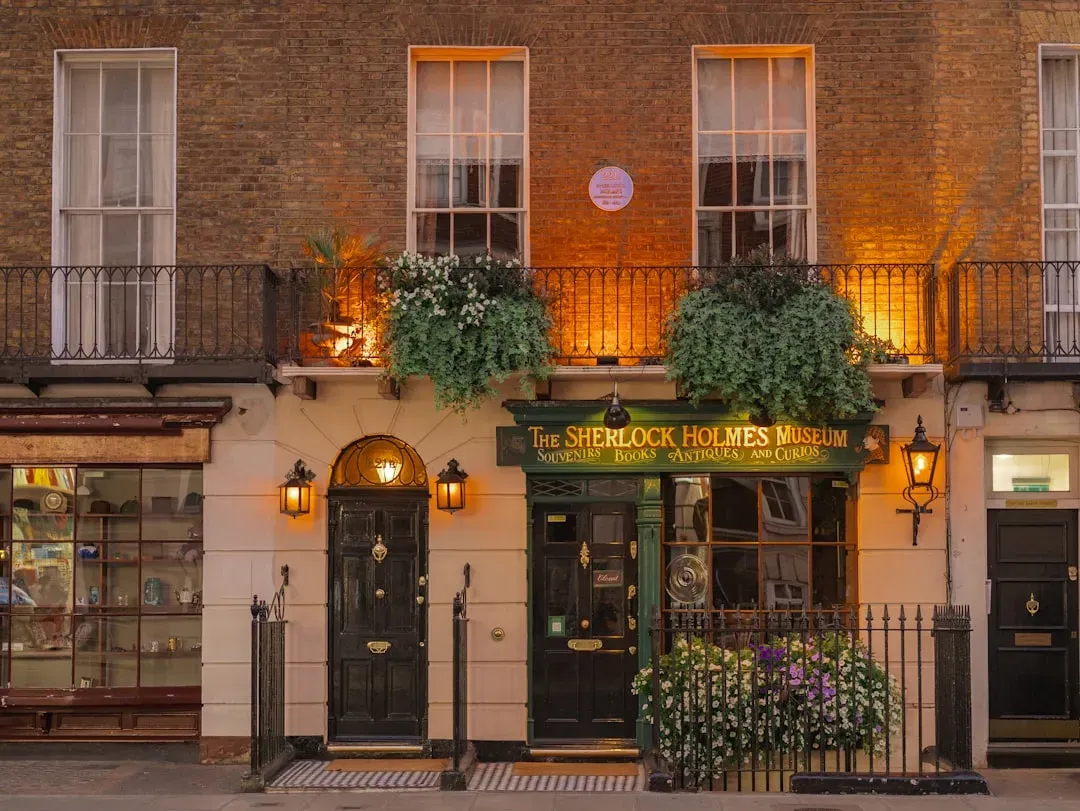
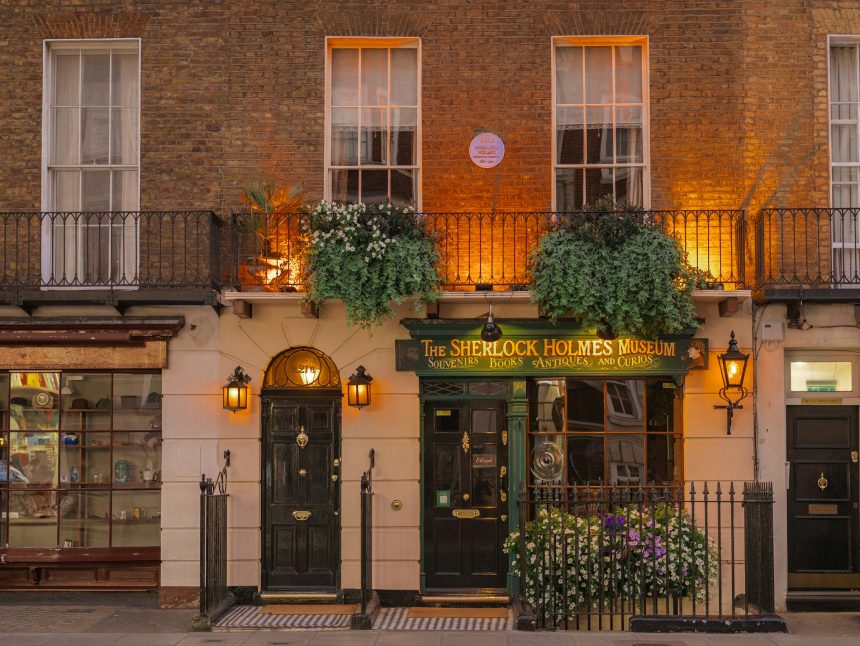
This phrase is treated as Holmes’s signature line, yet it never appears in that exact wording anywhere in Arthur Conan Doyle’s original stories. Holmes does say “Elementary” on its own in a couple of stories, and he frequently addresses Watson directly, but the full combined phrase was never written by Doyle himself.
The line actually became popular through stage adaptations and later films, particularly the Basil Rathbone movies of the 1930s and 1940s, which cemented it in popular culture. It is a good reminder that some of the most quoted lines from classic literature were never actually written by the original author at all.
3. Dracula Looks Like A Suave, Handsome Count
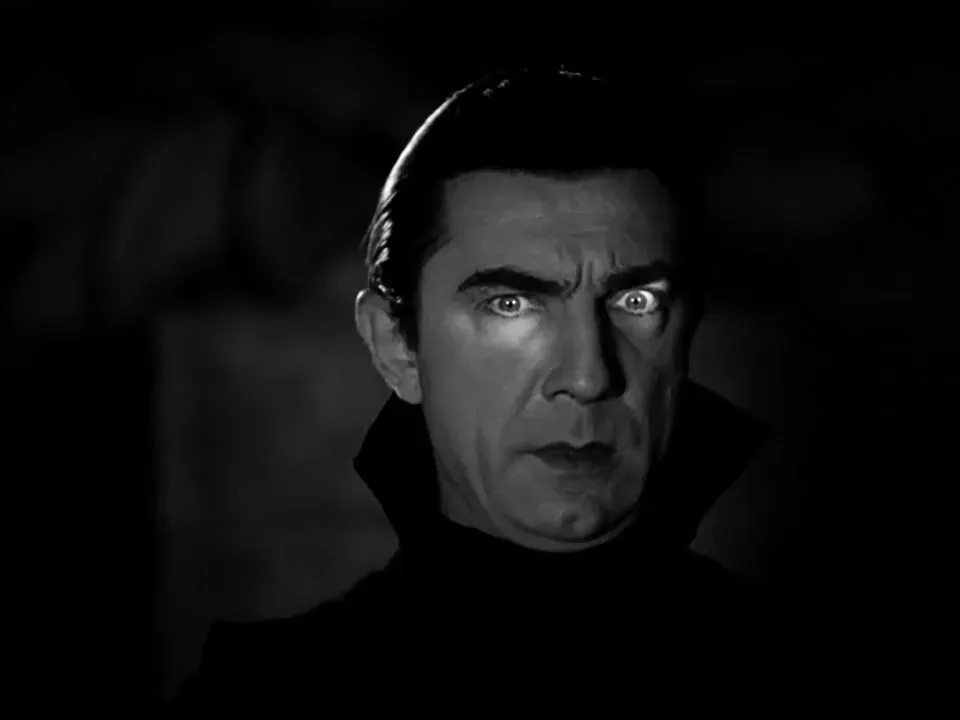
Pop culture has trained us to picture Dracula as a charming, slicked-back aristocrat in a black cape, largely thanks to Bela Lugosi’s iconic film portrayal. Bram Stoker’s original 1897 novel describes something far less glamorous: an old man with a long white mustache, sharp teeth, hair on the palms of his hands, and a distinctly unpleasant, almost animalistic presence.
Stoker’s Dracula also grows younger and more vigorous as he feeds on victims throughout the book, which is a detail the sleek, ageless movie versions rarely bother to include. The gap between the seductive screen vampire and the genuinely unsettling figure on the page is one of the widest in classic horror literature.
4. Dorothy’s Slippers In The Wizard Of Oz Are Ruby
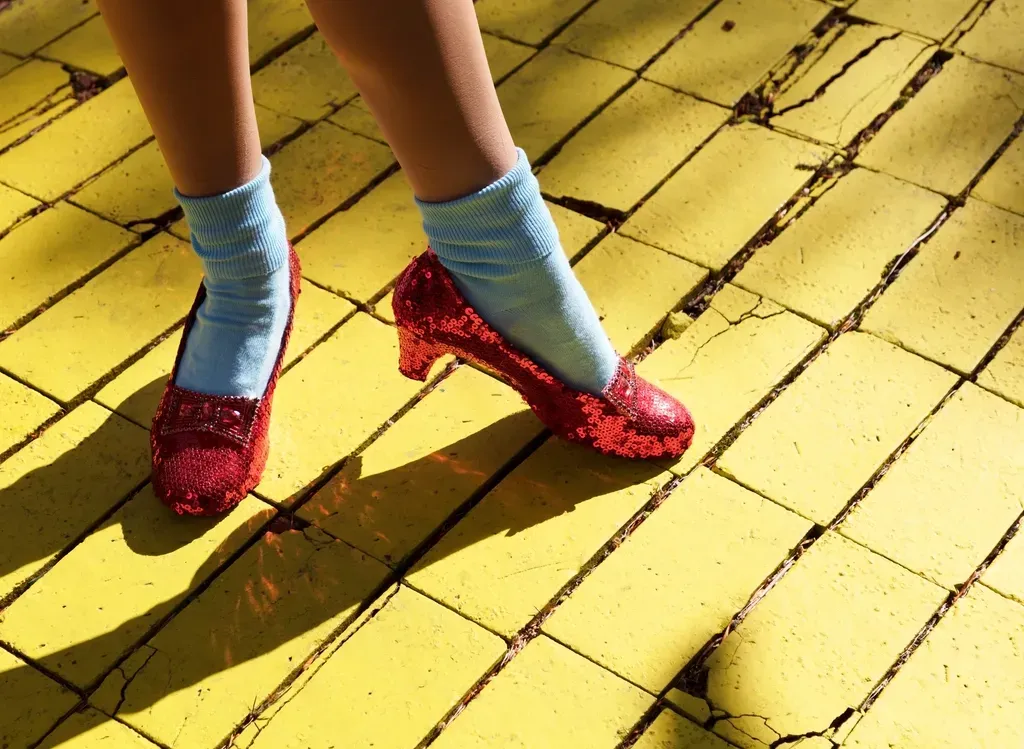
The ruby slippers are one of the most recognizable images in film history, but L. Frank Baum’s original 1900 novel, “The Wonderful Wizard of Oz,” describes them as silver shoes, not red ones. The 1939 MGM film changed the color specifically to take advantage of the new Technicolor process, since red popped far more dramatically on screen than silver ever could.
Because the movie has overshadowed the book so completely for most modern readers, silver shoes now sound like the incorrect version even though they were Baum’s original creation. It is a rare case where a marketing and technical decision permanently rewrote a detail from a beloved book in the public imagination.
5. Dr. Jekyll And Mr. Hyde Was Written As An Obvious Twist Reveal
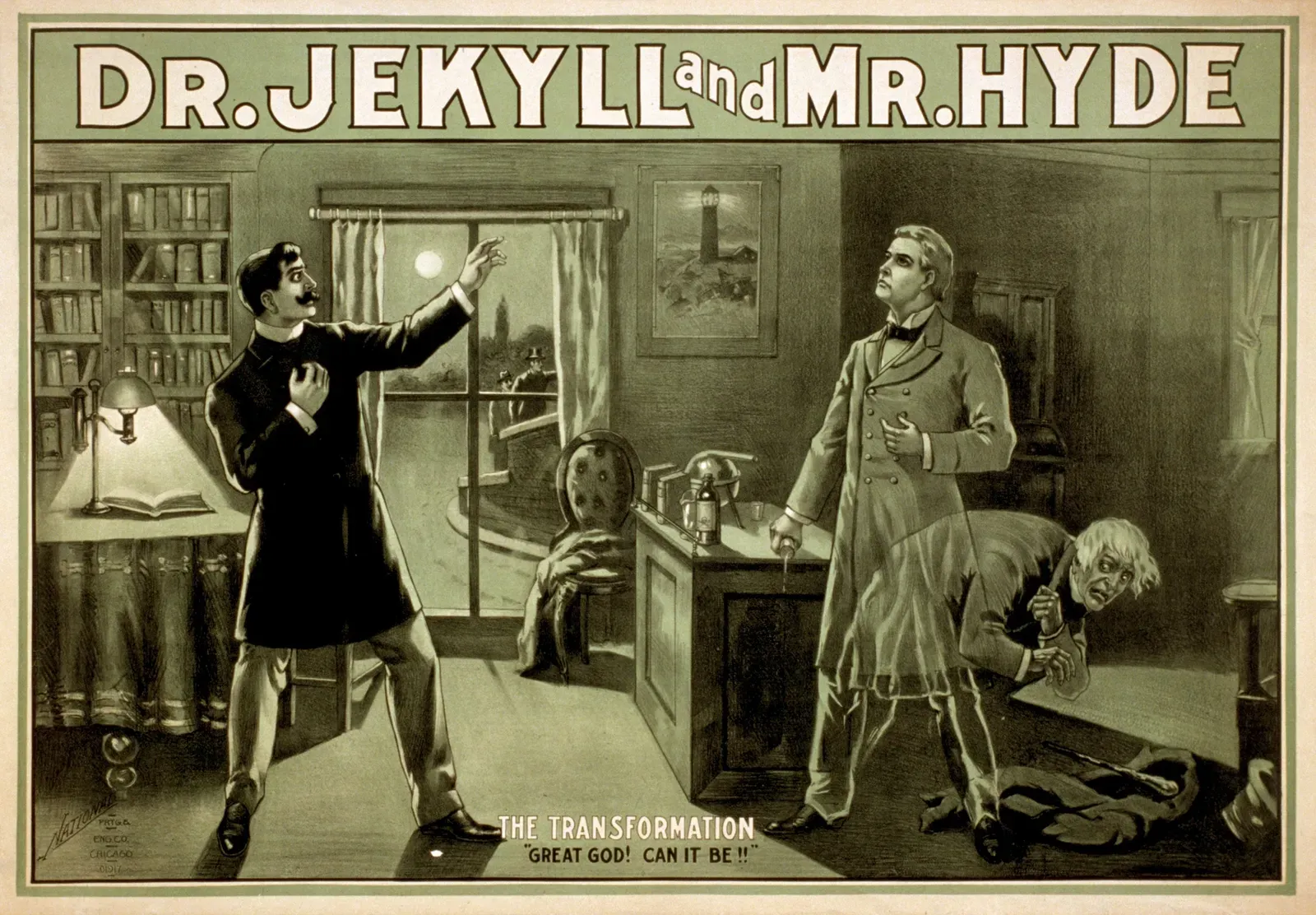
Modern readers usually go into Robert Louis Stevenson’s 1886 novella already knowing that Jekyll and Hyde are the same person, so it is easy to assume the book announces this early on for atmosphere. In reality, Stevenson structured the story as a genuine mystery, withholding the identity connection until close to the very end for readers experiencing it for the first time.
The widespread cultural knowledge of the twist has essentially erased the reading experience Stevenson intended, turning what was originally a suspenseful psychological thriller into something audiences now approach as straightforward metaphor. It is worth remembering that Victorian readers picked up this book with no idea what was coming.
6. Jo March Marries Laurie In Little Women
Fans have rooted for Jo and Laurie to end up together since Louisa May Alcott published “Little Women” in 1868, and many casual readers assume that is exactly what happens. Instead, Laurie marries Jo’s younger sister Amy, while Jo eventually marries the considerably older Professor Friedrich Bhaer, a character introduced later in the story.
Alcott reportedly resisted pairing Jo with Laurie specifically because she did not want to give readers the conventional romantic ending they expected. The persistence of the Jo-and-Laurie myth says a lot about how strongly audiences prefer a satisfying romance over what an author actually intended to write.
7. Mr. Darcy’s Wet Shirt Scene Is In Pride And Prejudice
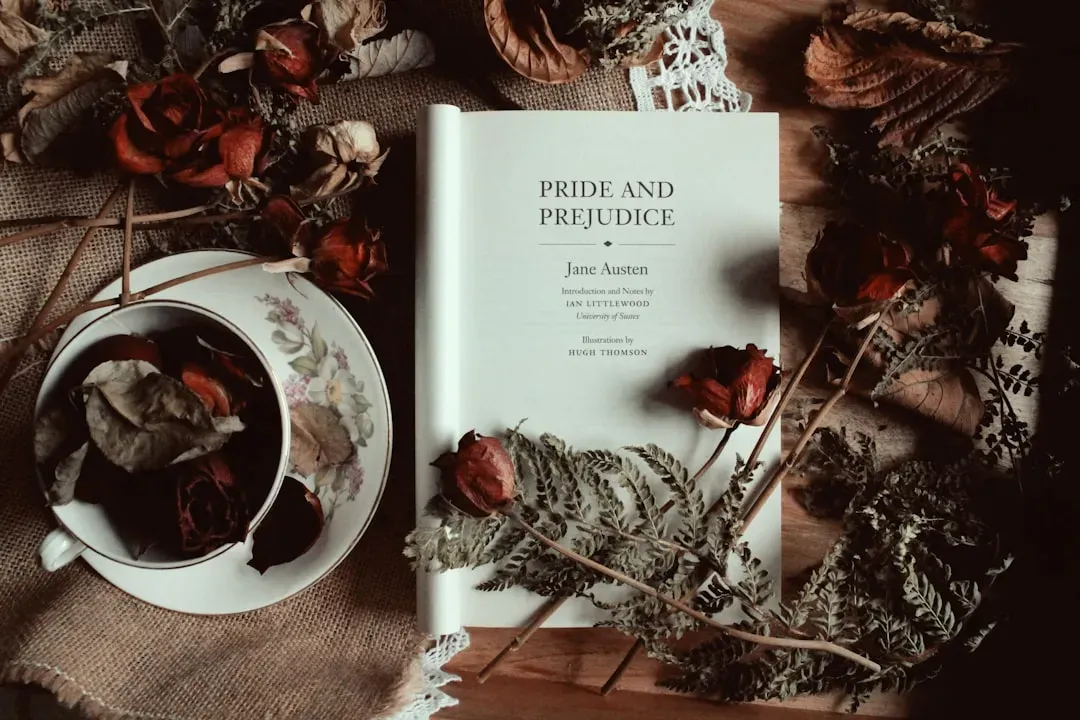
One of the most iconic moments associated with Jane Austen’s 1813 novel is Mr. Darcy emerging from a lake in a soaked white shirt, a scene endlessly referenced and parodied. That moment does not exist anywhere in Austen’s text; it was invented for the 1995 BBC television adaptation starring Colin Firth as a way to add a visual, physical beat to the character.
The scene proved so popular that it has essentially become inseparable from the novel itself in public memory, even appearing in retrospectives and rankings of great literary moments. It stands as one of the clearest examples of a screen adaptation adding something so memorable that audiences assume it was there from the start.
8. War And Peace Is The Longest Novel Ever Written
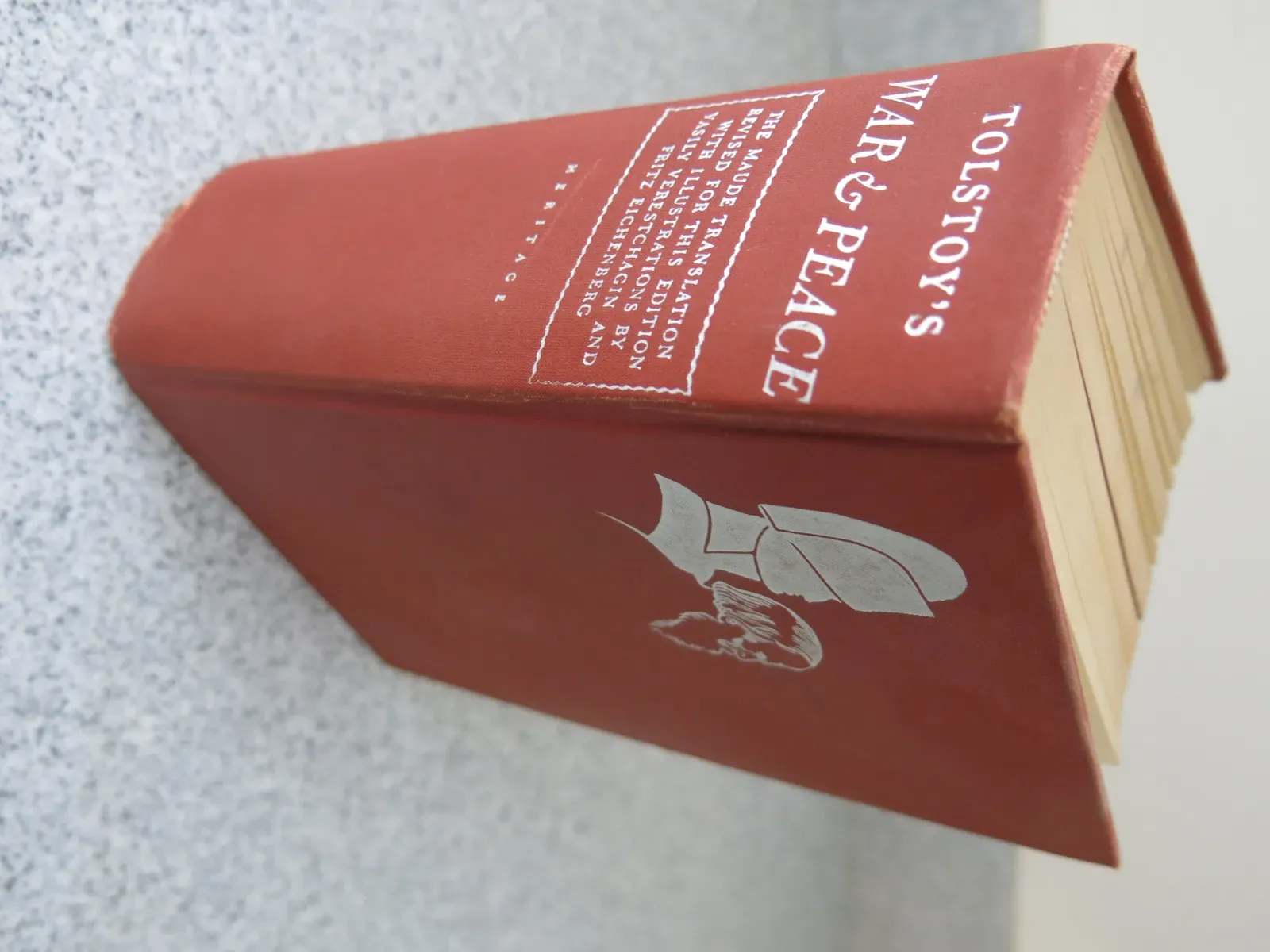
Tolstoy’s sprawling 1869 epic is often used as shorthand for an impossibly long book, and it does run to roughly six hundred thousand words across its full text. War and Peace is well known as being one of the longest novels ever written, though not the longest, and is actually the seventh longest novel ever written in a Latin or Cyrillic based alphabet.
Marcel Proust’s multi-volume “In Search of Lost Time” is generally recognized as longer, and Proust’s work is considered the longest novel ever published, containing nearly 1.3 million words. Older works like Madeleine de Scudéry’s seventeenth-century romance “Artamène ou le Grand Cyrus” dwarf both of them, so War and Peace earns its reputation for length without actually holding the record.
9. Robinson Crusoe Is A Fairly Accurate Retelling Of A True Story

Daniel Defoe’s 1719 novel is frequently described as based directly on the real experiences of Scottish sailor Alexander Selkirk, and many readers assume the book closely mirrors what actually happened to him. The real events diverge sharply from the fiction: Alexander Selkirk was famously marooned for four years and four months on a desert island in the Pacific Ocean until his rescue by a passing British ship in February 1709.
Crusoe, by contrast, spends far longer isolated and eventually gains a companion that Selkirk never had. There are notable differences between Crusoe and Selkirk, with Crusoe being shipwrecked rather than deliberately marooned and ending up off the coast of South America rather than the Pacific, and Crusoe survives twenty seven years and finds a companion in Friday, which Selkirk never did. Some literary historians even push back on the strength of the connection altogether, since Defoe likely drew from several survival accounts rather than Selkirk’s story alone.
10. Bram Stoker Invented The Literary Vampire With Dracula
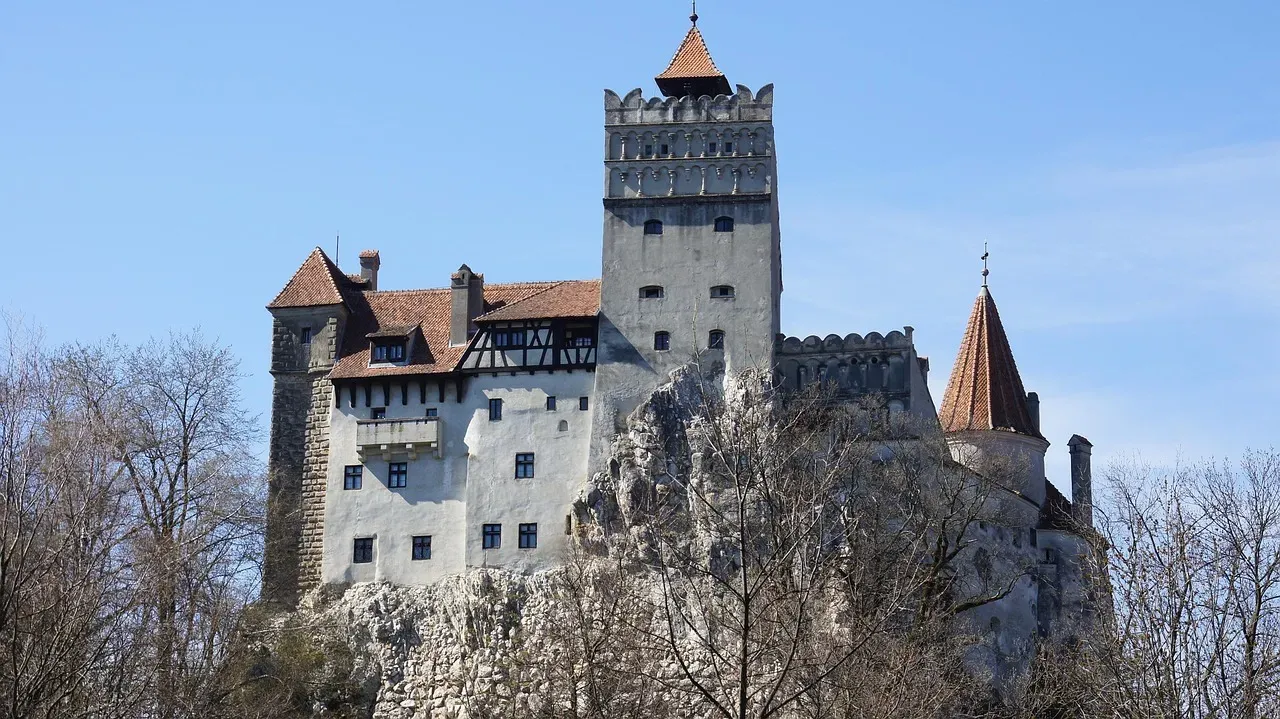
Because Dracula is by far the most famous vampire in literature, it is easy to assume Bram Stoker created the archetype from scratch when the novel appeared in 1897. Vampire folklore had circulated across Eastern Europe for centuries before Stoker ever picked up a pen, and literary vampires had already appeared in English fiction decades earlier.
John Polidori’s short story “The Vampyre,” published in 1819, predates Dracula by nearly eighty years and introduced the idea of an aristocratic, seductive vampire that later influenced Stoker’s work. Stoker refined and popularized the vampire for a mass audience, but he was building on an established tradition rather than inventing one out of thin air.
What ties all ten of these myths together is how much movies, stage plays, and casual retellings have reshaped the way we remember books we may not have actually reread in years. None of these corrections diminish the novels themselves; if anything, going back to the real text usually reveals something stranger, sharper, or more surprising than the version that got passed down secondhand. The next time a “well-known fact” about a classic novel comes up in conversation, it might be worth cracking the book open again before repeating it.